Indiana Managed Hunt Sign-Up Deadlines
It's incredibly frustrating when you're geared up for a specific hunt, you've done your scouting, and then realize you've completely missed the sign-up window for a managed hunt. Indiana offers some fantastic opportunities on state-managed lands, but navigating the various application periods and deadlines can feel like a full-time job. This guide is here to break down the ins and outs of Indiana's managed hunt sign-up deadlines, helping you stay organized and ensure you don't miss out on those coveted hunting experiences.
Understanding Indiana's Managed Hunt System
Indiana's managed hunts are a fantastic way to experience prime hunting opportunities on state properties, often in areas with higher game populations or unique management goals. These hunts are designed to control wildlife populations, provide quality recreational opportunities, and distribute hunting pressure evenly across specific Fish and Wildlife Areas (FWAs), State Forests, and other properties. If you've ever hunted public land and felt like you were constantly bumping into other hunters, managed hunts offer a structured alternative that often leads to a more solitary and focused experience.
Why Managed Hunts Are Necessary
Think about it this way: some of Indiana's best public lands, particularly our Fish and Wildlife Areas, hold incredible numbers of deer, turkeys, and waterfowl. If these areas were simply open to everyone all the time, they'd be overrun in a heartbeat. The Indiana Department of Natural Resources (DNR) uses managed hunts to carefully control how many hunters are on a property at any given time, which species they're pursuing, and often for how long. This prevents overharvesting, reduces hunter crowding, and ensures a higher quality experience for those who draw a spot. It's all about balancing conservation with opportunity, especially in zones with high deer densities or for species like pheasants where numbers are carefully managed. Many of these properties operate under special rules, so understanding how Indiana Fish and Wildlife Areas are Managed is crucial.
Types of Managed Hunt Opportunities
Managed hunts aren't just for deer, though that's certainly a big part of it. You'll find opportunities for a variety of game species throughout the year. For instance, some managed hunts are specifically for spring turkey season, allowing a controlled number of hunters into prime gobbler country. Others focus on waterfowl, particularly in areas like the Kankakee River marshes, where blind drawings or assigned zones help manage hunter density. And, of course, deer hunts often dominate the managed hunt calendar, with properties offering specific windows for archery, firearms, and muzzleloader seasons. Some even focus on antlerless deer to help meet specific population reduction goals in certain areas. It’s a diverse range, offering something for almost every hunter if you know where and when to look.
The Application Process: Using the Go Outdoors Indiana Portal
Gone are the days of paper applications and snail mail. Today, almost all managed hunt applications in Indiana are handled online through the Go Outdoors Indiana portal. This centralized system is designed to make the process more efficient, but it does require you to be proactive and understand its quirks. Many hunters get caught up in the excitement of a new season and forget the administrative side, only to find they’ve missed their chance.
Creating and Maintaining Your Go Outdoors Indiana Account
If you're new to hunting in Indiana or haven't used the online system before, your first step is to set up a profile on Go Outdoors Indiana. This account will be your hub for everything: purchasing your annual hunting licenses and what they cost, checking your draw results, and, most importantly, applying for managed hunts. You’ll need to input personal details, and ensure your information is always up-to-date. I can’t stress this enough – make sure your contact information, especially your email, is current. That’s how the DNR will notify you of successful draws or other important updates. Many hunters also link their account to the Indiana DNR app, which can be a lifesaver for checking permits and even using the mapping tools like those offered by Using the Indiana OnX and DNR Map Tools.
Step-by-Step Application Submission
Once your account is active and you've decided which managed hunt you want to apply for, the application process itself is fairly straightforward. You'll log into your Go Outdoors Indiana account, navigate to the "Managed Hunts" or "Drawings" section, and select the specific hunt you're interested in. You'll typically be asked to choose your preferred property and dates, and sometimes even a specific hunting zone within a larger property.
Here's a simplified breakdown:
- Log In: Access your Go Outdoors Indiana account.
- Navigate: Find the "Managed Hunts" or "Drawings" section.
- Select Hunt: Choose the specific hunt (e.g., "Deer Archery Hunt," "Waterfowl Blind Draw").
- Property/Date Selection: Indicate your preferred property and hunt dates. You might have multiple choices, so prioritize carefully.
- Review and Submit: Double-check all your selections before submitting. There's often a small application fee, so be prepared for that.
- Confirmation: You should receive an email confirmation of your application. Keep this for your records!
It's absolutely critical to pay attention to details during this phase. Selecting the wrong property or hunt dates is a common mistake that can cost you a valuable opportunity. If you're applying for a deer reduction zone hunt, for example, make sure you understand the specific rules for that property, as they can sometimes differ from general statewide regulations.
Key Managed Hunts: Seasons, Species, and Deadlines
Managed hunt deadlines are scattered throughout the year, so staying on top of them requires a bit of planning. Missing a deadline means missing an entire season on a specific property, so setting reminders is key.
Deer Managed Hunts
Deer hunting managed hunts are probably the most popular and numerous. These often occur at various Fish and Wildlife Areas (FWAs) and State Forests, controlling access during the peak of archery, firearms, and muzzleloader seasons. For instance, properties like Atterbury FWA or Glendale FWA might offer special firearms hunts to manage local deer populations, especially in areas where traditional hunting access is limited or deer numbers are high.
- Archery Hunts: Applications for managed archery hunts typically open in late summer, often around July or August, with deadlines usually in early to mid-August. These hunts usually coincide with the early archery season, offering chances to hunt specific parcels that might otherwise be less accessible or have controlled entry. Remember that while crossbows are legal during Indiana archery season, specific rules for certain managed hunts might apply, so always check the property's unique regulations.
- Firearms Hunts: These are highly sought after. Applications for managed firearms deer hunts usually open around late August to early September, with deadlines commonly falling in mid-September. These hunts often run concurrently with the statewide Indiana Firearms Season Dates, but on specific properties, they help to better manage the harvest and hunter density.
- Muzzleloader Hunts: Less common but still available, managed muzzleloader hunts applications usually follow a similar timeline, opening in September with deadlines in early October. These hunts align with Indiana Muzzleloader Season Dates, providing unique late-season opportunities on state lands.
Table: Common Indiana Managed Deer Hunt Deadlines (Approximate)
| Hunt Type | Application Window (Approx.) | Deadline (Approx.) | Draw Results (Approx.) |
|---|---|---|---|
| Archery Deer | Late July – Mid August | Mid August | Late August |
| Firearms Deer | Late August – Mid September | Mid September | Late September |
| Muzzleloader Deer | Early September – Early October | Early October | Mid October |
Note: These dates are approximate and can vary slightly each year. Always verify current dates on the official Go Outdoors Indiana website.
Turkey Managed Hunts
Indiana's wild turkey populations have made an incredible comeback, and managed hunts for these wary birds are a testament to that success. You'll find opportunities primarily during the spring season, aiming to provide quality experiences for hunters.
- Spring Turkey Hunts: Applications for spring turkey managed hunts, often held at specific FWAs, typically open in January or February, with deadlines usually in late February to early March. These hunts align with the Indiana Spring Turkey Season Rules and are popular for those seeking a less pressured experience than general public land hunting. Drawing a spot on a managed hunt can significantly increase your chances of calling in a Hoosier gobbler. If you're interested in Hunting the Indiana Spring Turkey Opener on one of these managed properties, marking that deadline is paramount.
Waterfowl Managed Hunts
Waterfowl hunting is a rich tradition in Indiana, particularly in the northern parts of the state. Managed hunts, often featuring blind drawings, are essential for distributing hunters in prime marsh and wetland areas.
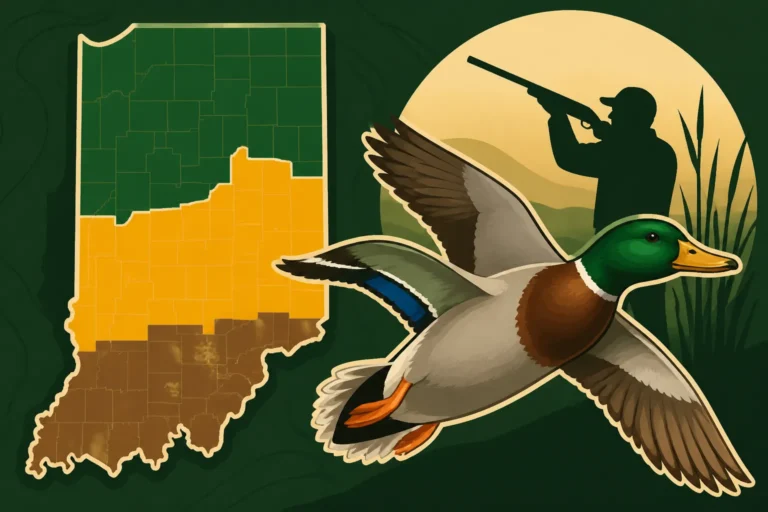
- Early Goose and Duck Hunts: These are critical for regions like the Kankakee Marshes. Application periods for blind drawings or assigned zones for early goose and duck seasons usually open in late summer, often August, with deadlines in early September. These managed hunts dictate who gets to hunt specific, desirable locations. If you plan on Waterfowl Hunting the Kankakee Marshes, a managed draw is often your best bet for prime access.
- Regular Season Waterfowl: Later in the fall, some properties might have additional drawings or first-come, first-served rules for blinds, but the primary managed draw usually occurs before the season kicks off in full. Always check the FWA rules for the specific property you intend to hunt.
Other Managed Hunt Opportunities
While deer, turkey, and waterfowl dominate the managed hunt landscape, other specialized hunts do pop up. Some properties might offer managed pheasant hunts, particularly at FWAs like Willow Slough where pheasants are stocked. Keep an eye out for these on the Go Outdoors Indiana portal, as their deadlines can vary widely. There are also occasional youth-specific managed hunts, designed to introduce younger hunters to the sport in a controlled and educational environment. If you're mentoring a young hunter, learning about the Indiana Youth Deer Weekend and any associated managed hunts could be a fantastic way to get them afield.
Maximizing Your Odds and Avoiding Common Mistakes
Getting drawn for a managed hunt can feel like hitting the lottery, but there are ways to improve your chances and ensure you don't miss an opportunity due to simple oversight.
Strategies for Application Success
First and foremost, apply for multiple hunts if your schedule allows. The more applications you submit (within the rules of each hunt), the better your mathematical odds. Don't just apply for the "premier" properties that everyone else is after. Consider applying for hunts on less popular dates, or properties that might be a bit further drive for others. Sometimes, the less glamorous managed hunts offer surprisingly good opportunities with less competition.
Also, be flexible with your dates. While you might have a preferred weekend, being open to a weekday hunt can drastically increase your chances of being drawn. Weekday hunts often see fewer applicants. Finally, make sure all your hunting licenses are current before you apply. The Go Outdoors Indiana system will typically check for this, and an expired license can invalidate your application.
Staying Organized: Calendar Reminders and Notifications
The single biggest reason hunters miss managed hunt deadlines is simply forgetting. Here’s how to avoid that:
- Calendar Alerts: Immediately upon learning of a new managed hunt, add it to your digital calendar (Google Calendar, Outlook, etc.) with multiple reminders leading up to the deadline. Set one for a week out, then another for two days before, and a final one for the day of the deadline.
- Email Notifications: While the DNR might send out general announcements, they won't specifically remind you of your chosen hunt deadlines. However, always check your spam folder regularly, as official emails can sometimes get caught there.
- DNR Website Monitoring: Make it a habit to check the Go Outdoors Indiana website or the Indiana DNR’s managed hunt pages periodically, especially as key seasons approach. They usually release the full managed hunt schedule well in advance.
- Hunting Partners: Coordinate with your hunting buddies. A shared calendar or simply reminding each other can be a great way to ensure no one misses out.
What to Do If You Miss a Deadline
So, you messed up. It happens to the best of us. If you've missed the sign-up deadline for a specific managed hunt draw, don't despair, but understand your options are limited. Usually, once the draw has been conducted, there's no going back for that specific hunt period.
However, sometimes properties have leftover permits or "standby" lists for certain hunts, especially if drawn hunters don't show up. It’s always worth checking the individual property's specific rules or calling the FWA office directly closer to the hunt date to see if any opportunities arise. For general deer hunting, you still have the vast majority of Indiana's public and private land available during the general seasons. You can still plan a trip to hunt the Hoosier National Forest, for instance, or explore different state forests without needing a draw. Just make sure you understand the Indiana Blaze Orange Requirements if you're hunting during firearm seasons, even if you're not on a managed hunt property.
Disclaimer
Please note that hunting regulations, season dates, and managed hunt deadlines are subject to change. Always consult the official Indiana Department of Natural Resources (DNR) website or the current Indiana Hunting & Trapping Guide for the most up-to-date and accurate information before planning any hunting activities.