Indiana Falconry License Requirements
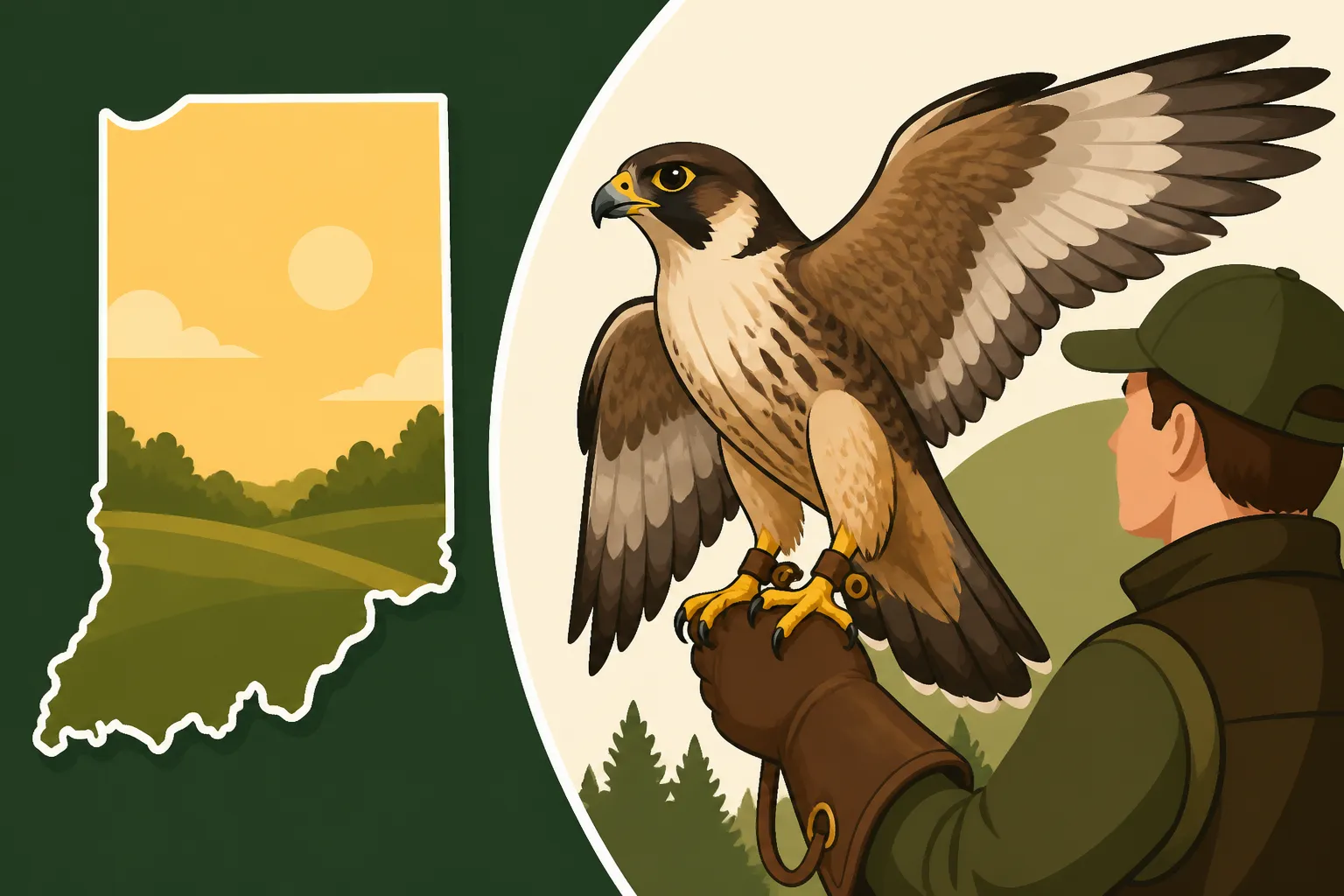
The dream of hunting with a trained raptor in Indiana, feeling that ancient connection between human and bird, is incredibly powerful. But let's be real: the path to becoming a licensed falconer here in the Hoosier State isn't a walk in the park. It's a journey filled with rigorous requirements, significant time commitments, and a steep learning curve. This guide is here to demystify those Indiana falconry license requirements, helping you understand exactly what it takes to ethically and legally pursue this incredible hunting tradition.
The Dedicated Journey to Indiana Falconry
Becoming a falconer in Indiana isn't like picking up a new shotgun for deer season. It's a lifestyle, a deep dive into wildlife management, avian care, and the art of hunting with a bird of prey. The Indiana Department of Natural Resources (IDNR), in conjunction with federal guidelines from the U.S. Fish and Wildlife Service (USFWS), sets forth a comprehensive framework to ensure the welfare of these magnificent birds and the integrity of the sport. It's a testament to the commitment required that many aspiring falconers start this path but only a dedicated few see it through.
Initial Hurdles and the Mentor Relationship
The very first step, even before you start thinking about licenses, is acknowledging the immense commitment. This isn't a casual hobby; it's a full-time passion. You’ll need to immerse yourself in reading, studying, and learning the intricate details of raptor biology, behavior, and training. It’s a lot to take in, and it's why the mentor system is absolutely critical.
Aspiring falconers in Indiana, at the Apprentice level, must find a General or Master Falconer to sponsor and guide them. This isn't just a formality; it's the bedrock of ethical falconry. Your mentor will teach you everything from hawk husbandry and diet to trapping wild birds and proper hunting techniques. They'll be there to answer your endless questions, guide you through inevitable setbacks, and ensure you're developing the skills and knowledge needed to care for and hunt with a raptor responsibly. Finding a mentor can be one of the hardest parts of the entire process, as it requires a significant time investment from an experienced falconer. Don't expect to just call up the IDNR and get a list; often, it involves attending falconry club meetings, networking, and demonstrating genuine passion and commitment before someone will agree to take you under their wing, so to speak.
Passing the Federal Falconry Exam
Before you can even apply for your Apprentice permit, you'll need to pass a comprehensive written examination covering raptor biology, care, diseases, training, regulations, and much more. This is typically the federal falconry exam administered by the state. It's not an easy test; it's designed to ensure you have a foundational understanding of what you're getting into. Many hours of studying are required. While you're also going to need to meet the general Indiana Hunter Education Requirements before you can hunt with your bird, the falconry exam is a whole different beast, focusing specifically on raptors.
The Nitty-Gritty: Specific License Requirements and Permits
Once you've found a mentor and passed your exam, you can begin the formal application process. Remember, you'll ultimately need both federal and state permits, but the state application typically kicks off the process and aligns with the federal tiers.
Permit Classifications and Privileges
Indiana's falconry permits follow the three standard federal classifications: Apprentice, General, and Master Falconer. Each level comes with increasing privileges and responsibilities, reflecting the experience gained.
| Permit Class | Minimum Experience | Raptor Possession Limit | Allowed Species (Examples) | Key Requirements |
|---|---|---|---|---|
| Apprentice | None (needs mentor) | 1 | Red-tailed Hawk, American Kestrel | Mentor, passed exam, approved facilities, state/federal permits |
| General | 2 years as Apprentice | 2 | Harris's Hawk, Peregrine Falcon | 2 years experience, passed exam, approved facilities, state/federal permits |
| Master | 5 years as General | 3 | Golden Eagle (special permit) | 5 years experience, passed exam, approved facilities, state/federal permits |
As an Apprentice, you're typically limited to possessing only a Red-tailed Hawk or an American Kestrel, which are considered more forgiving species for beginners. You can only possess one raptor at a time. The purpose of this restrictive start is to allow you to gain invaluable hands-on experience under direct supervision without being overwhelmed. The "learning by doing" aspect is paramount here.
Housing and Equipment Inspections
This is where the rubber meets the road. Before you can acquire a bird, your facilities must be inspected and approved by an IDNR conservation officer. This includes your "mews" (the raptor's primary housing) and any "free-lofts" or weathering areas. The requirements are strict, ensuring the bird's safety, health, and protection from the elements and predators. Think secure construction, proper ventilation, appropriate perches, and a clean environment. You can't just throw a tarp over a dog kennel; these birds require specialized, escape-proof housing designed for their well-being.
Beyond the permanent housing, you'll also need specific equipment for handling and hunting. This typically includes:
- Jesses: Leather straps attached to the bird's legs, allowing you to hold them securely.
- Leashes: Used with jesses to tether the bird.
- Swivels: Connect jesses to the leash, preventing tangles.
- Gloves: Heavy-duty leather gloves to protect your hand when the bird perches.
- Perches: Specific designs for both mews and outdoor weathering areas.
- Scales: Critically important for monitoring your raptor's weight, which is essential for health and hunting condition.
- Bathing Pan: A clean, accessible water source for the bird to bathe.
All this equipment will be part of the facility inspection, demonstrating that you have the necessary tools to properly care for your bird.
Maintaining Your License and Your Bird
Once you've cleared the initial hurdles, received your permits, and acquired your first raptor—which usually involves trapping a wild bird under your mentor's guidance or acquiring one from a licensed breeder—the real work begins. This is an ongoing commitment to the bird's welfare, training, and the legal framework that governs falconry.
Annual Renewals and Reporting
Just like your general Indiana Hunting Licenses and What They Cost, your falconry permits aren't a one-and-done deal. You'll have annual renewal requirements for both your state and federal permits. Additionally, falconers are required to submit annual reports detailing their birds, hunting success, any transfers or acquisitions, and general health status. This meticulous record-keeping helps the IDNR and USFWS monitor raptor populations and ensure responsible practices. Missing these deadlines can lead to fines or revocation of your privileges, so it's critical to stay on top of the paperwork.
Hunting Seasons and Regulations
Falconry seasons for small game in Indiana often differ from traditional firearm or archery seasons, sometimes extending beyond them, which is a unique advantage. However, you'll still need to abide by specific bag limits and legal quarry for your raptor. Your bird is essentially your hunting partner, and you are responsible for ensuring all hunts are conducted legally and ethically. For instance, if you're hunting squirrels with your hawk, you need to understand the Indiana Squirrel and Rabbit Season Rules. If your bird is capable of taking waterfowl, you'll need to be aware of the Indiana Waterfowl on the Mississippi Flyway regulations, including federal duck stamp requirements and non-toxic shot zones, even if your bird isn't directly using a projectile.
Using tools like the GoHunt app can be incredibly helpful here. While it's primarily designed for traditional big game hunting, its mapping features can assist in identifying potential public hunting lands that might hold small game suitable for falconry, helping you scout new areas for your raptor. Remember, even with your falconry permits, you still need a valid Indiana hunting license to hunt with your bird.
Practical Considerations and the Long-Term Commitment
Beyond the licenses and legalities, the day-to-day reality of falconry presents its own set of challenges and rewards. It's a journey of continuous learning, adaptation, and profound respect for your bird.
Time, Effort, and Financial Investment
Let's not sugarcoat it: falconry is a huge time commitment. Daily care, feeding, cleaning mews, and training flights are just the beginning. You'll spend countless hours in the field, not just hunting, but exercising your bird, letting it "mantle" and stretch its wings, and building that unbreakable bond. The conditioning of a hunting raptor is an art form, requiring precise weight management and consistent interaction. You'll be Scouting Indiana Public Land Before Season not just for deer sign, but for rabbit runs, squirrel nests, and pheasant cover that your raptor can work effectively.
The financial investment, while not necessarily astronomical, is significant. Beyond license fees, you'll have costs for building and maintaining facilities, purchasing specialized equipment (telemetry units to track your bird if it flies off are non-negotiable), and providing a high-quality diet. Veterinary care for raptors can also be expensive, requiring specialized avian vets. This isn't a hobby for someone on a tight budget or with limited spare time.
Finding Hunting Land and Respecting Access
Just like any other hunter in Indiana, finding suitable places to hunt with your raptor can be a challenge. You'll need access to areas with healthy populations of small game and open enough for your bird to fly and hunt effectively. This often means diligently searching for public lands like Fish & Wildlife Areas or State Forests, or, ideally, gaining private land access. Understanding Indiana Property Access Permit Requirement and the nuances of asking for permission from landowners is crucial. The mapping features in a service like GoHunt can aid in identifying property boundaries and potential access points, which can be invaluable when trying to expand your hunting opportunities beyond heavily pressured public areas. When you're Reading Aerial Photos for Southern Indiana Deer, also look for thickets and field edges that might hold cottontails or brush piles where squirrels hide.
Falconers also have to consider things like road traffic, power lines, and dense timber that can pose dangers to their birds during a hunt. The environment must be safe for your raptor to pursue game. This means extensive scouting and sometimes, sadly, passing on promising looking spots because they are too risky for your feathered partner.
The Bond and the Rewards
Despite all the hurdles, the rewards of falconry are immense. The bond you develop with your raptor is unlike any other with an animal. Witnessing your bird's natural hunting prowess, its incredible eyesight, speed, and intelligence, is a truly humbling and exhilarating experience. It connects you to the natural world in a deeply profound way, teaching you patience, observation, and respect for predator and prey alike. While the rules and regulations for hunting vary across species, the deep connection to the land and the pursuit of wild game remains a constant, whether you’re hunting with a gun, a bow, or a raptor. Using tools like GoHunt to understand land features and game distribution only enhances this connection, making you a more informed and effective falconer, or hunter of any kind.
Remember, this isn't just about obtaining a license; it's about embracing a tradition that demands respect, dedication, and a profound love for these incredible creatures.
Disclaimer
The information provided in this guide is intended for general informational purposes only and does not constitute legal advice. Hunting regulations, license requirements, and wildlife management practices in Indiana are subject to change. Always consult the most current regulations published by the Indiana Department of Natural Resources (IDNR) and the U.S. Fish and Wildlife Service (USFWS) before engaging in any falconry or hunting activities. It is your responsibility to ensure you are in full compliance with all applicable federal, state, and local laws.