Indiana Bonus Antlerless Tag Purchase Rules
Navigating the various deer tags and regulations in Indiana can feel like a real puzzle, especially when you're trying to figure out how to take advantage of every opportunity to manage the deer population and put venison in the freezer. Many hunters get confused about the differences between regular antlerless tags and the elusive "bonus" tags. This comprehensive guide is here to untangle the complexities of Indiana's bonus antlerless tag purchase rules, ensuring you understand exactly what they are, who can buy them, and how to effectively use them during your hunts.
Demystifying Indiana's Bonus Antlerless Tags
Let's start by clearing up the biggest point of confusion: what exactly is a bonus antlerless tag, and how does it differ from a regular antlerless tag? In Indiana, the deer season structure allows for various types of tags, each with its own purpose. Understanding these distinctions is key to maximizing your harvest opportunities and staying within the bounds of the law.
The "Bonus" Distinction
Simply put, a bonus antlerless tag is an additional tag that allows a hunter to take an antlerless deer after they have already filled their primary antlerless bag limit for a specific season or zone. Think of your annual hunting license as coming with certain base privileges. For deer, this typically includes an archery tag, a firearms tag, and sometimes a few antlerless tags, depending on the license bundle you choose, like the Indiana Resident Deer Bundle or Indiana Nonresident Deer Bundle.
Once you've utilized those initial antlerless tags allowed by your standard license, the bonus antlerless tag comes into play. It’s designed to provide extra opportunities to harvest female deer, which is a critical component of healthy deer herd management. Without these additional tools, controlling deer numbers in areas with high populations would be incredibly difficult, leading to overbrowsing, increased deer-vehicle collisions, and potential disease spread. So, when you hear "bonus," understand it means "above and beyond" your initial allocation, giving you more chances to contribute to herd health and enjoy more time in the woods.
Conservation and Management Goals
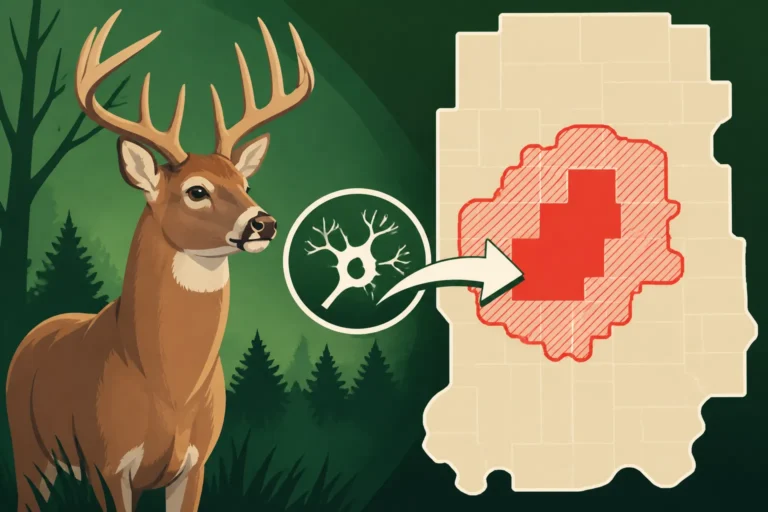
The primary purpose behind Indiana's bonus antlerless tags is effective deer population control and conservation. The Indiana Department of Natural Resources (DNR) uses these tags as a flexible tool to manage deer densities across different regions of the state. In areas where deer numbers are high, leading to agricultural damage, habitat degradation, or increased disease risk like Chronic Wasting Disease (CWD), bonus tags become vital. They encourage hunters to take more does, which directly impacts the reproductive potential of the herd, helping to stabilize or reduce populations to healthier, more sustainable levels.
For instance, in certain Indiana Deer Reduction Zones, the availability and liberal nature of bonus antlerless tags are crucial. These zones are specifically designated because deer populations are creating significant issues, and the DNR wants to encourage a higher antlerless harvest. By allowing hunters to purchase and use multiple bonus tags, the state empowers individual hunters to become direct participants in a larger conservation effort, helping to balance the deer herd with the carrying capacity of the land. It’s a win-win: hunters get more opportunities, and the deer herd remains healthier.
Eligibility and Purchase Windows for Bonus Antlerless Tags
Knowing what a bonus tag is is one thing, but knowing who can buy them and when you can get your hands on them is where the rubber meets the road. Indiana has specific rules that govern the purchase and use of these tags, and understanding them is crucial for planning your hunting season.
Resident vs. Non-Resident Rules
Good news for both resident and non-resident hunters: in Indiana, the ability to purchase bonus antlerless tags generally extends to anyone who holds a valid hunting license that includes deer hunting privileges. There isn't a separate "bonus tag license" required; these are simply additional permits you can buy once you have your base hunting license in place.
However, the specific types of tags available and the overall cost will differ. Residents typically have access to more cost-effective bundles and individual tag options, as detailed in guides like Indiana Resident License Options. Non-residents, while welcome to hunt, often face higher prices for their base licenses and individual tags, as covered in Indiana Nonresident License Options. Regardless of your residency, once you possess the appropriate base license, you're usually eligible to purchase bonus antlerless tags, subject to the statewide and county-specific regulations. The key is always to ensure your foundational hunting license is current and valid for the species and season you intend to hunt.
Season-Specific Availability
Bonus antlerless tags aren't just a free-for-all; their use is tied to specific deer hunting seasons, reflecting the broader Indiana Deer Season Structure Explained. This means you can't just buy them at any time and use them whenever. They are available for purchase and use during:
- Archery Season: Indiana's Archery Season runs for a long stretch, often from early October into early January. Bonus antlerless tags are valid throughout this period, giving bowhunters ample opportunity. Check Indiana Archery Season Dates for exact timings.
- Firearms Season: The shorter, but often more productive, Firearms Season in Indiana, typically in November, is a prime time for using bonus antlerless tags. This is when many hunters are out, and the tags help manage the herd during peak harvest. Refer to Indiana Firearms Season Dates for current information.
- Muzzleloader Season: Following the firearms season, the Muzzleloader Season in December also allows the use of bonus antlerless tags. This late-season opportunity is excellent for filling tags when deer are often concentrated on food sources. Exact dates can be found in Indiana Muzzleloader Season Dates.
- Youth Deer Season: The Youth Deer Weekend, typically held in late September, also allows for the use of bonus antlerless tags by eligible youth hunters.
It’s important to note that while bonus tags are generally available across these seasons, their number and specific conditions of use can vary by county, especially in reduction zones. Always double-check the current regulations for your specific hunting area before heading out.
The Purchase Process: Getting Your Tags in Hand
So, you've decided you need some bonus antlerless tags. Great! But how do you actually acquire them? Indiana has streamlined the process, primarily relying on online systems and licensed retailers, making it relatively straightforward once you know the steps.
Online, Retailers, and the GoHunt System
The most convenient way for most hunters to purchase their bonus antlerless tags is through the Indiana DNR's online licensing system, powered by GoHunt. This platform is a one-stop shop for all your Indiana hunting and fishing license needs.
Here's how it generally works:
- Access the GoHunt Portal: Head to the official Indiana DNR website and navigate to the "Licenses and Permits" section, which will direct you to the GoHunt platform.
- Log In or Create an Account: If you've purchased licenses before, you'll have an existing profile. If you're new, you'll need to create one, providing your personal details.
- Select Your Licenses: Once logged in, you'll see options for purchasing various licenses and permits. You'll first ensure you have your base hunting license (e.g., Annual Hunting License, Deer License Bundle) already purchased and active.
- Add Bonus Antlerless Tags: Look for the "Bonus Antlerless Deer" tags option. You can typically add multiple tags to your cart, up to the statewide or county-specific limit. The system will guide you through the available options.
- Checkout: Review your selections, proceed to checkout, and pay with a credit or debit card.
- Print or Save: After purchase, you'll receive a confirmation and the option to print your license and tags. Many hunters also save a digital copy to their phone through the GoHunt app for easy access in the field.
Alternatively, you can purchase these tags in person at any authorized license vendor across the state. These often include sporting goods stores, bait shops, and some department stores. Just tell them you need to buy bonus antlerless deer tags, and they'll assist you through their point-of-sale system, which also ties into the GoHunt database. This can be a great option if you prefer a physical copy or need to make a last-minute purchase on your way to the hunting grounds.
What You'll Need
When purchasing your bonus antlerless tags, whether online via GoHunt or in person, make sure you have the following handy:
- Your Hunter's ID or Customer Number: This is essential for the system to identify you and link the tags to your existing hunting profile.
- Valid Hunting License: Your current Indiana hunting license that includes deer hunting privileges must be active. The bonus tags are an add-on, not a standalone permit.
- Payment Method: A credit or debit card for online purchases, or cash/card for in-person transactions.
- Personal Information: Your full name, address, and date of birth may be required for verification, especially if you're creating a new account.
Having this information readily available will make the purchase process smooth and quick, getting you one step closer to your next deer hunt.
Common Pitfalls to Avoid
Even with a straightforward system, a few common issues can trip up hunters:
- Forgetting Your Base License: Remember, bonus tags are additional to your primary deer hunting privileges. You must have an active base hunting license that allows deer hunting before you can purchase these. The GoHunt system will usually prompt you if you're missing a prerequisite.
- Incorrect County Selection: When purchasing, some tags might be designated for specific counties, especially in reduction zones. Always double-check that you're buying tags valid for the county you intend to hunt. A wrong selection could render your tag useless in the field.
- Misunderstanding Bag Limits: Don't confuse the number of bonus tags you can purchase with the actual bag limit for a specific area. While you might be able to buy multiple, some counties may have lower overall antlerless limits, or rules about how many can be taken from public vs. private land. Always consult the current Indiana Hunting and Trapping Guide for detailed bag limits for your specific area.
- Last-Minute Purchases Without Service: While GoHunt is great, if you're deep in the Hoosier National Forest with no cell service, you won't be able to buy a tag on your phone. Plan ahead and purchase tags before you lose connectivity or before you leave for your hunt.
Where and How to Use Your Bonus Antlerless Tags
Possessing the tags is only half the battle; knowing where and how to legally apply them during your hunt is paramount. Indiana's regulations dictate specific areas and conditions for using bonus antlerless tags, primarily focused on managing localized deer populations.
Deer Reduction Zones and Special Regulations
Bonus antlerless tags truly shine in Finding a Deer Reduction Zone Near You. These are specific counties or areas identified by the DNR where deer populations are particularly high, often leading to agricultural damage or other issues. In these zones, hunters are strongly encouraged to harvest more antlerless deer to bring populations into better balance.
Within these reduction zones, the antlerless bag limits are often significantly more liberal. This is where your bonus antlerless tags become incredibly valuable, allowing you to harvest multiple does beyond your statewide limits. For example, some reduction zones might allow up to 10 antlerless deer, with many of those needing to be covered by bonus tags. It’s critical to review the specific regulations for the county you are hunting, as How Reduction Zone Bag Limits Differ significantly from general statewide limits. When hunting in these areas, every legal antlerless deer taken contributes to the management goals, and your bonus tags are the instrument to make that happen. Make sure you understand the nuances of Hunting a Deer Reduction Zone before you plan your trip.
County-Specific Limits and Season Overlaps
While bonus antlerless tags offer flexibility, they are still subject to county-specific limits and general season rules. Even outside of designated reduction zones, many counties allow the purchase of one or two bonus antlerless tags, allowing hunters to fill their freezers while helping local management efforts. The exact number of bonus tags you can purchase and utilize often depends on the county's deer population density and management objectives.
It’s also important to be aware of season overlaps. For instance, the archery season overlaps with a portion of the firearms season, and both overlap with the late-season muzzleloader opportunities. Your bonus antlerless tags are typically valid across these seasons, meaning a single bonus tag purchased for the year can be used during any of the legal deer seasons where antlerless harvest is permitted. This flexibility means you can buy your tags early and use them whenever the opportunity arises, regardless of the specific weapon you are using, as long as it's a legal method for that open season.
Proper Tagging and Reporting
Once you've successfully harvested an antlerless deer using one of your bonus tags, the job isn't quite done. Proper tagging and reporting are legal requirements and crucial for accurate deer management data.
Tagging the Deer:
Immediately after harvesting an antlerless deer, you must detach one of your bonus antlerless tags from your license, fill it out completely (date, time, county, sex of deer), and attach it to the deer. The tag must remain affixed to the deer until it reaches its final destination for processing or storage. This proves that the deer was legally taken and corresponds to a valid tag you possessed.
Reporting the Harvest:
Indiana requires all deer harvested to be reported within 48 hours of the kill. This can be done conveniently through the Indiana DNR's online system or using the official Indiana DNR mobile app. When you report, you'll enter details about the deer, including the tag number used. If you're using the app, you can simply select the tag number from your digital license. Guides like Reporting a Deer Through Indiana's App provide detailed steps for this critical process. Failing to report your deer by The Indiana Deer Reporting Deadline can result in penalties, so always make it a priority.
Remember, every reported deer, especially antlerless deer taken with bonus tags, provides valuable data to the DNR, helping them make informed decisions about future hunting seasons and herd management strategies. Your participation in this process directly contributes to the health and sustainability of Indiana's deer population.
| Tag Type | Purpose | Purchase Limit (Typical) | Use in Reduction Zones | Available Seasons |
|---|---|---|---|---|
| Bonus Antlerless | Additional antlerless harvest beyond base limits | Multiple (county-dep.) | Yes, encouraged | Archery, Firearms, Muzzleloader, Youth |
| Standard Antlerless | Base antlerless harvest included with license | 1-2 (license-dep.) | Yes | Archery, Firearms, Muzzleloader, Youth |
| Archery Deer Tag | Any deer (antlered or antlerless) with bow/xbow | 1 | Yes | Archery Season |
| Firearms Deer Tag | Any deer (antlered or antlerless) with firearm | 1 | Yes | Firearms Season |
| Muzzleloader Deer Tag | Any deer (antlered or antlerless) with muzzleloader | 1 | Yes | Muzzleloader Season |
This table illustrates how bonus antlerless tags provide additional opportunities beyond your standard license, especially in areas where antlerless harvest is prioritized for management.
Disclaimer
Please remember that hunting regulations can change. While this guide provides a comprehensive overview of Indiana's bonus antlerless tag purchase rules, it is always your responsibility to consult the most current Indiana Hunting and Trapping Guide published by the Indiana Department of Natural Resources (DNR) before participating in any hunting activity. This information is for general guidance only and should not be considered a substitute for official legal documents or direct communication with the Indiana DNR.