How Turkeys Were Restored to Indiana
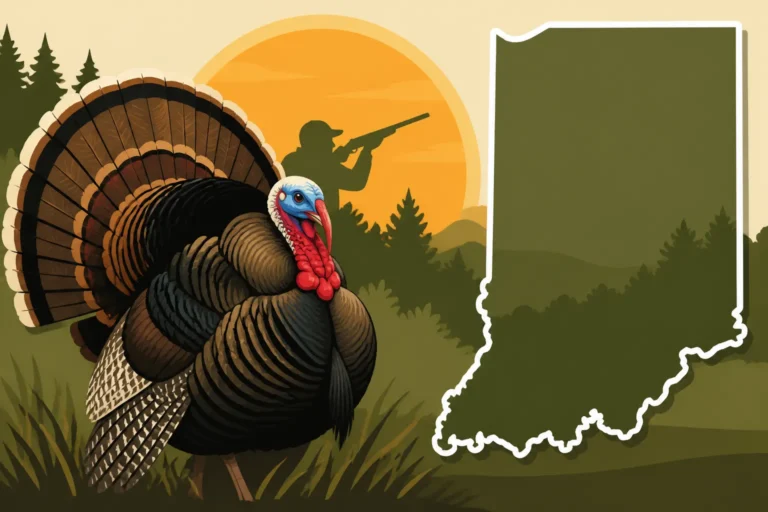
It’s a tough pill to swallow when you realize that one of our most iconic game species, the wild turkey, was once completely gone from Indiana’s landscape. For generations, the vibrant gobble that now echoes through our spring woods was utterly silent. This guide will walk you through the heartbreaking history of their disappearance, the determined and often frustrating journey to bring them back, and how that incredible conservation success story shaped the thriving wild turkey populations we cherish and hunt across the Hoosier State today.
The Silent Woods: Why Indiana Lost Its Wild Turkeys
Imagine stepping into an Indiana forest and never hearing the booming gobble of a wild turkey. Hard to picture, right? But that was the reality for over half a century. The disappearance of wild turkeys from Indiana wasn't a sudden event, but a slow, grinding loss driven by a combination of factors that, in hindsight, seem almost inevitable given the era. It's a stark reminder of how fragile even abundant wildlife populations can be without proper management and conservation ethics.
Early Abundance and Rapid Decline
Before European settlers arrived, Indiana was teeming with wild turkeys. These magnificent birds roamed the vast hardwood forests that covered most of the state, finding ample food in acorns, nuts, berries, and insects, and endless cover in the dense undergrowth. Historical accounts from early pioneers often mention the incredible abundance of game, with turkeys being a prominent feature of the wilderness. They were a crucial food source for Native American tribes and, later, for early settlers.
However, this abundance was also their undoing. As settlements grew, so did the demand for meat and other wild game products. Without any regulations or understanding of sustainable harvest, market hunting became rampant. Turkeys were shot year-round, often by the wagonload, to supply burgeoning urban markets in places like Indianapolis, Cincinnati, and Chicago. Imagine entire flocks being decimated simply to provide cheap meat for a growing populace, all without a thought for the future. The sheer volume of birds taken, combined with primitive but effective hunting methods, quickly pushed populations toward the brink.
Habitat Loss and Unregulated Hunting
While market hunting delivered a devastating blow, it was inextricably linked with an even larger force: massive habitat destruction. Indiana's landscape was fundamentally transformed during the 19th and early 20th centuries. The vast hardwood forests, which wild turkeys depended on for food, shelter, and nesting, were systematically cleared for agriculture, timber, and urban expansion. Rivers were dammed, swamps were drained, and countless acres of prime turkey habitat were converted into corn and soybean fields, or leveled for towns and cities.
Without their natural environment, even if hunting pressure had been less intense, wild turkeys simply couldn't survive. They are creatures of the forest, needing large, contiguous tracts of timber with a diverse understory. The fragmented woodlots and isolated patches of timber that remained were insufficient to support viable, self-sustaining populations. By the early 1900s, wild turkeys were considered extirpated from Indiana – completely wiped out. The last recorded wild turkey in the state was seen in Brown County in 1909, a silent testament to a natural heritage lost. It’s a sad chapter in our state’s history, and a powerful lesson in the consequences of unchecked exploitation and environmental disregard.
A Flickering Hope: The Early, Unsuccessful Attempts
The realization that wild turkeys were gone from Indiana was a bitter pill, especially for those who remembered the days of their abundance. As conservation efforts began to gain traction in the mid-20th century, the Indiana Department of Natural Resources (DNR) and passionate citizens recognized the need to bring these birds back. However, the path to restoration was anything but smooth, marked by well-intentioned efforts that ultimately fell short because the science of wildlife management was still in its infancy. It's easy to look back now and see where they went wrong, but at the time, these were considered cutting-edge approaches.
The Pitfalls of Pen-Raised Birds
One of the earliest and most common strategies employed across many states, including Indiana, was the release of pen-raised, or farm-raised, turkeys. The logic seemed sound enough: if you want more turkeys, just breed them in captivity and release them into the wild. From the 1930s through the 1950s, various attempts were made, often involving releasing hundreds, sometimes thousands, of these domesticated birds. The thought was that these birds would simply "go wild" and establish breeding populations.
However, these efforts were almost universally disastrous. Pen-raised turkeys, despite their wild genetics, lacked the critical instincts necessary to survive in the Indiana wilderness. They weren't accustomed to foraging for natural foods, evading predators like coyotes or foxes, or dealing with harsh weather conditions. They often imprinted on humans, making them vulnerable, and were susceptible to diseases common in domestic fowl but devastating to a wild population. They were, in essence, lambs sent to the slaughter. Hunters and conservationists of the time were often left frustrated, watching their released birds disappear without a trace or fall prey to the first predator they encountered. It was a disheartening cycle, proving that simply adding numbers wasn wasn't enough; the quality and wildness of the stock mattered immensely.
Learning from Early Mistakes
The repeated failures of the pen-raised turkey programs eventually forced wildlife biologists to re-evaluate their entire approach. It became painstakingly clear that wild turkeys were not like pheasants or quail, which could often be successfully supplemented with game farm releases. Turkeys were different; they needed a deeper understanding of their ecology and behavior. The key lesson learned was that true wildness—the genetic programming and learned behaviors passed down through generations of surviving in a natural environment—was non-negotiable for successful reintroduction.
This period of trial and error, though frustrating, was crucial. It paved the way for a paradigm shift in wildlife management: instead of trying to "make" wild animals, the focus shifted to finding and utilizing truly wild stock. This scientific awakening, coupled with growing awareness about habitat preservation, laid the groundwork for the eventual, triumphant return of wild turkeys. The dedication of early conservationists, even in the face of repeated setbacks, highlights the persistent human desire to right past wrongs and restore nature's balance.
The Game-Changing Strategy: Trapping and Relocating Wild Birds
By the mid-20th century, wildlife biologists across the country had a breakthrough: the only way to successfully restore wild turkeys was to use actual wild turkeys. This might sound obvious now, but it was a revolutionary concept after decades of failing with pen-raised birds. The new strategy hinged on capturing healthy, thriving wild turkeys from areas where populations were strong and relocating them to suitable, reforested areas where they had been extirpated. Indiana, watching the success in other states, eagerly adopted this proven method, marking a true turning point in the restoration story.
The Rocket Net Revolution
The critical hurdle was how to catch enough wild turkeys to make a difference without harming them. Traditional trapping methods were too slow or too stressful for these intelligent and wary birds. Enter the rocket net. This ingenious device involved camouflaging a large net and then launching it over unsuspecting turkeys using small rockets or cannons, capturing multiple birds safely and efficiently. This was a game-changer. Suddenly, biologists could capture dozens of healthy, genuinely wild turkeys in a single operation.
Once captured, the birds were quickly processed: sex and age determined, health checked, and often leg-banded for future monitoring. The stress on the birds was minimized, and they were kept in specialized transport crates for their journey to new homes. Imagine the excitement and anticipation as crates filled with live, gobbling wild turkeys, trucked in from states like Missouri and Wisconsin where populations had rebounded, arrived in Indiana. Each bird represented a tangible piece of hope for the future of Indiana's forests. This intensive process was often carried out in challenging conditions, requiring immense dedication from DNR staff and volunteers. Modern mapping tools, much like those offered by GoHunt today, would have been invaluable for these early biologists, allowing them to pinpoint ideal trapping locations and strategize logistics across vast, sometimes remote, territories.
Strategic Release Sites
The success of the rocket net was only half the battle. The other crucial element was identifying and preparing suitable release sites. It wasn't enough to just drop turkeys anywhere. Biologists poured over maps, studied forest cover, and surveyed potential areas for crucial habitat components like mature hardwood timber, dense undergrowth for nesting, and a reliable mast crop (acorns, hickory nuts) for food. These sites needed to be large enough to support a self-sustaining population and offer protection from human disturbance, at least initially.
Many of Indiana's State Forests, Fish & Wildlife Areas, and portions of the Hoosier National Forest became prime candidates. For example, parts of Southern Indiana, with its rugged terrain and recovering timber stands, proved to be ideal. Initial releases often consisted of small "founder flocks" – typically 10-20 birds – strategically placed to maximize their chances of survival and reproduction. The idea was to give them the best possible start, allowing them to establish territories, find mates, and begin nesting without excessive pressure. These small, wild populations, though few in number at first, possessed all the instincts and resilience that the pen-raised birds lacked.
Partnering for Success
The ambitious undertaking of wild turkey restoration in Indiana wasn't solely the work of the DNR. It was a massive collaborative effort that showcased the power of partnerships. The National Wild Turkey Federation (NWTF), founded in 1973, played a pivotal role. This organization, funded largely by hunters, provided crucial financial support, equipment, and volunteers for trapping and transplanting efforts. Their dedicated members understood that their hunting heritage depended on healthy wild populations, and they invested heavily in making that vision a reality.
Landowners also became vital partners, often granting access for trapping operations or ensuring suitable habitat on their private properties. Hunters, through their license fees, provided the foundational funding for the DNR's wildlife management programs, including turkey restoration. This synergy between government agencies, non-profit organizations, and individual citizens created an unstoppable force. It highlighted a powerful truth: true conservation success often requires many hands working together, each contributing their unique resources and passion towards a shared goal. The story of Indiana's wild turkey restoration is a testament to this collaborative spirit.
From Scattered Flocks to Thriving Populations: The Resurgence
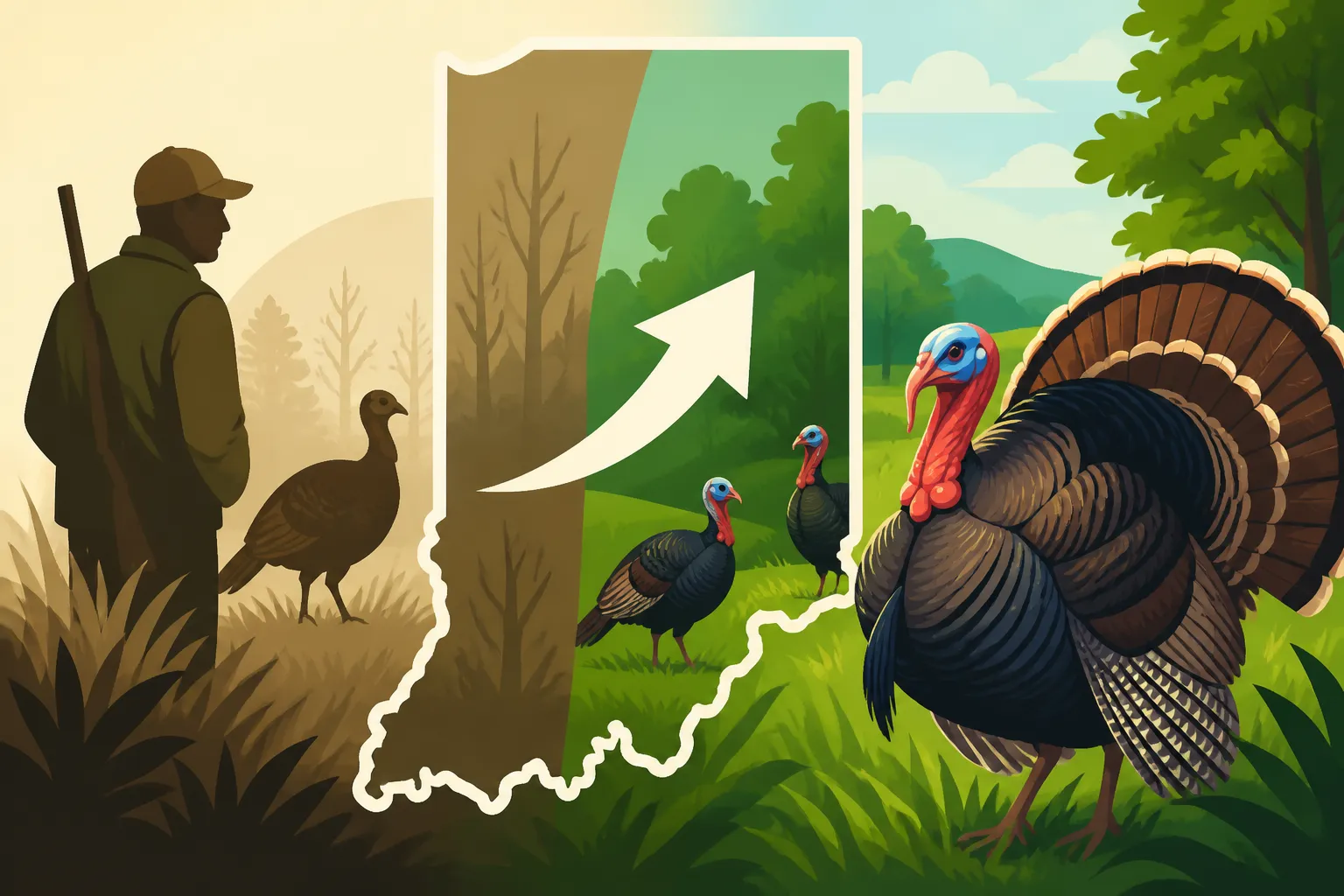
The dedicated efforts of the DNR, the NWTF, and countless volunteers paid off in spectacular fashion. What began as a handful of scattered founder flocks slowly but surely grew into a statewide success story. By the late 1970s and early 1980s, glimmers of hope turned into undeniable evidence of a turkey comeback. The once silent woods of Indiana began to echo again with the distinct calls of wild gobblers, a sound that brought immense satisfaction to everyone who had worked so hard for their return.
Population Expansion and Harvest Numbers
The rate at which wild turkeys expanded their range and increased their numbers across Indiana was nothing short of phenomenal. From those initial release sites in the south, turkey populations naturally dispersed, spreading northwards and outwards into new, suitable habitats. The birds proved incredibly adaptable, establishing themselves in diverse landscapes, from the rugged hills of Southern Indiana to the mixed agricultural and timbered regions of the north. You can learn more about specific population trends by checking out our guide on Indiana Turkey Population Trends.
As populations grew, so did the excitement among Indiana's hunters. After decades of absence, the first limited spring turkey hunting seasons were reinstated in select counties in the early 1980s. These seasons were initially very conservative, often with strict limits on harvest to ensure the continued growth of the population. Over time, as more counties reached healthy turkey densities, the season expanded. Today, wild turkeys are found in all 92 Indiana counties, and we enjoy a robust statewide spring season, along with limited opportunities during the Indiana Fall Archery Turkey Rules and Indiana Fall Firearms Turkey County List. The annual Indiana Turkey Harvest Numbers consistently show a healthy and sustainable population, a testament to the success of the restoration project. This table illustrates the dramatic shift in turkey presence over time:
| Era | Turkey Status in Indiana | Primary Factor | Harvest Opportunity |
|---|---|---|---|
| Pre-1900s | Abundant | Unregulated exploitation, habitat intact | Unrestricted, commercial |
| 1910s – 1950s | Extirpated (Gone) | Habitat loss, unregulated hunting | None |
| 1950s – 1970s | Reintroduction Efforts | Pen-raised failures, then wild trapping | None |
| 1980s – 1990s | Recovering Populations | Wild bird relocation success | Limited, highly regulated seasons |
| 2000s – Present | Thriving Populations | Continued management, habitat conservation | Statewide spring, limited fall seasons |
Challenges Along the Way
While the wild turkey restoration is largely a success story, it wasn't without its bumps in the road. Managing a wild population on such a large scale presents ongoing challenges. Disease outbreaks, while not as devastating as for some other species, can occasionally impact local turkey numbers. Avian influenza, for example, is always a concern, though wild turkeys typically prove resilient. Predator populations, including coyotes, bobcats, and even raccoons and opossums, constantly exert pressure, especially on nests and poults (young turkeys).
Habitat fragmentation, despite the initial success, remains a long-term concern. While turkeys are adaptable, they still need large blocks of quality habitat to thrive. As development continues across Indiana, maintaining these vital areas becomes an ongoing battle. Furthermore, managing hunter expectations and ensuring sustainable harvest limits requires constant vigilance from the DNR. The careful balance between providing hunting opportunities and ensuring the long-term health of the turkey population is a delicate dance, requiring sound science and adaptive management strategies.
Looking Ahead: Sustaining Indiana's Wild Turkey Legacy
The incredible comeback of the wild turkey in Indiana is a shining example of successful wildlife conservation, but the work is far from over. Maintaining these healthy populations for future generations requires ongoing commitment, smart land management, and the continued support of everyone who values Indiana's natural heritage. We can't afford to be complacent; just as quickly as they disappeared, populations can decline if we don't remain vigilant.
Habitat Management and Conservation
Habitat is, and always will be, the cornerstone of healthy wild turkey populations. While turkeys are now found throughout Indiana, the quality of that habitat can vary significantly. The DNR, along with private landowners and organizations like the NWTF, continue to focus on improving and expanding suitable turkey habitat. This includes a range of activities:
- Timber Stand Improvement: This involves carefully managing forests to create a diverse structure, with both mature trees for roosting and mast production, and younger growth for nesting and brood rearing. Thinning operations can stimulate new undergrowth, providing critical cover.
- Prescribed Burns: Controlled burns are an essential tool, particularly in oak-hickory forests. They help reduce competition from undesirable plant species, stimulate the growth of beneficial forage, and create open areas for turkeys to feed and move.
- Riparian Zone Restoration: Protecting and enhancing the forested areas along rivers and streams provides crucial travel corridors and diverse habitats, especially in more agricultural regions. You might find a good Hunting Indiana River Bottom Funnels for turkeys after this work.
- Food Plot Management: While not a substitute for natural habitat, strategically placed food plots on private lands can supplement natural food sources, especially during lean times or in areas with less mast production.
Modern tools, such as the detailed satellite imagery and property line information found on platforms like GoHunt, are invaluable for both conservation managers and hunters alike when assessing habitat suitability and planning for future turkey strongholds. Understanding the lay of the land, identifying potential roosting sites, or locating quality feeding areas, much like when scouting for Roost Hunting Indiana Gobblers, becomes significantly easier with such technology.
The Hunter's Role in Conservation
It's impossible to talk about wild turkey conservation without acknowledging the absolutely vital role that hunters play. The restoration of wild turkeys in Indiana, and indeed across North America, was largely funded and driven by hunters. This continues to be true today.
- Funding through Licenses and Excise Taxes: Every time a hunter purchases a license, tag, or hunting equipment (like firearms and ammunition, thanks to the Pittman-Robertson Act), a portion of that money goes directly to state wildlife agencies like the Indiana DNR. These funds are the primary source of revenue for wildlife research, habitat acquisition, and management programs, including those that benefit wild turkeys.
- Volunteer Efforts: Organizations like the NWTF are powered by passionate hunter volunteers who dedicate countless hours to habitat projects, trapping and transplanting efforts, and educational initiatives.
- Ethical Hunting and Data Collection: Responsible hunting practices ensure sustainable populations. Hunters also contribute valuable data by reporting their harvests and participating in surveys, providing biologists with crucial information to manage turkey populations effectively.
- Advocacy: Hunters are often the most vocal advocates for conservation policies, speaking up for habitat protection and sound wildlife management.
For today's hunter, having an app like GoHunt can make a huge difference in locating prime areas for Roost Hunting Indiana Gobblers or finding those elusive birds on public land. Whether you're planning your Spring Turkey Hunting in Indiana trip or just scouting, the detailed maps and public land information can help you find areas with the best habitat, directly benefiting from decades of conservation work. It’s a powerful connection: our passion for hunting directly fuels the very conservation efforts that make those experiences possible. The wild turkey's return is a legacy we all share, and one we must continue to protect.
Disclaimer
Please remember that hunting regulations and wildlife management practices can change. Always consult the most current Indiana Department of Natural Resources (DNR) official regulations before participating in any hunting activities. This article is intended for informational purposes only and not as legal advice.