Indiana CWD Prevalence in the Positive Area
Discovering that Chronic Wasting Disease (CWD) has been detected in Indiana can be deeply unsettling for hunters, raising a lot of questions about herd health, hunting practices, and the future of deer hunting in our beloved state. It's natural to feel a mix of concern and confusion when news like this breaks. This comprehensive guide aims to cut through the noise, clarify what "CWD prevalence in the positive area" truly means for Hoosier hunters, and equip you with the knowledge to make informed decisions and hunt responsibly.
Understanding Indiana's CWD Management Areas
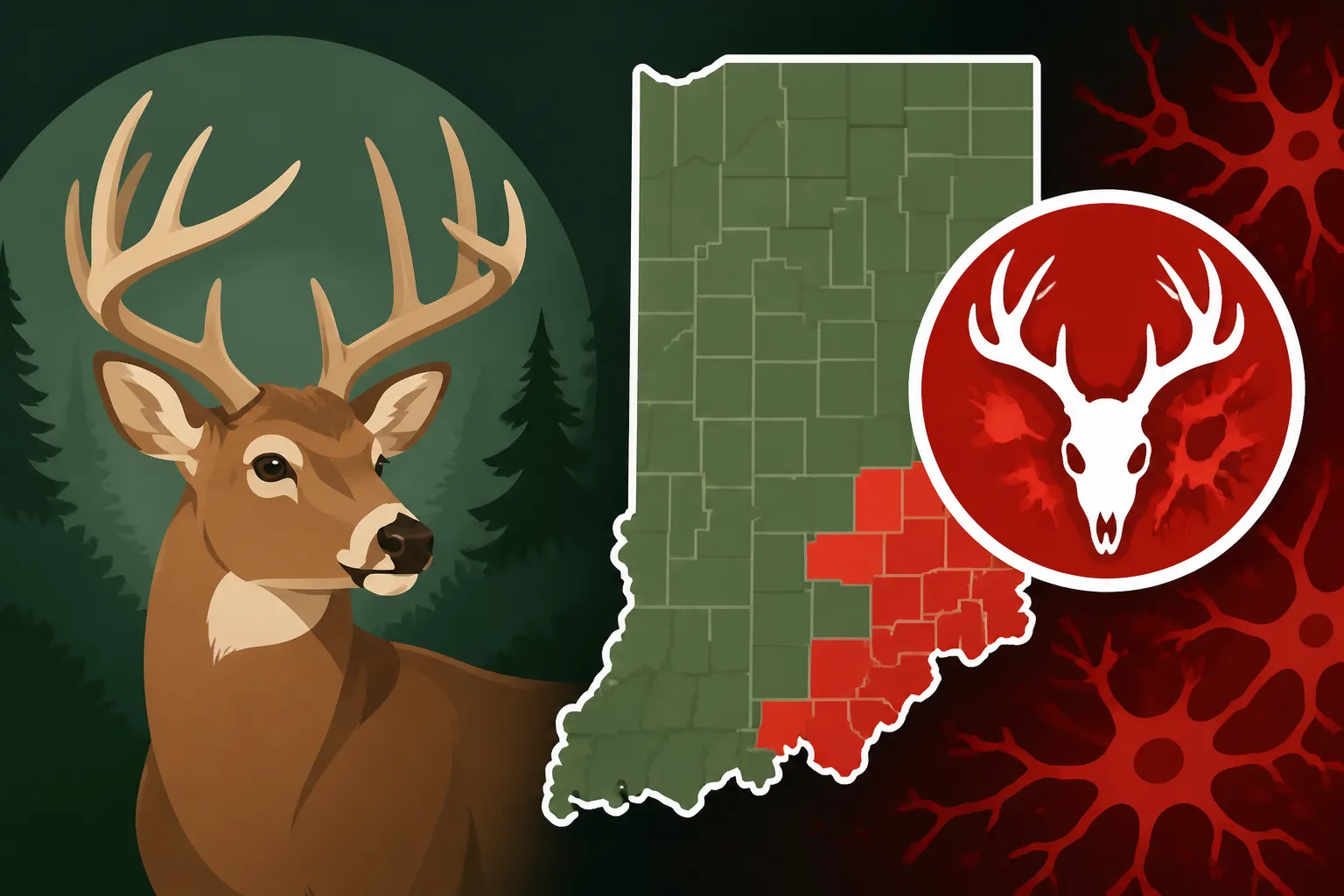
When we talk about CWD "positive areas" in Indiana, we're not just discussing a single point on a map. Instead, we're referring to specific regions where CWD has been confirmed in wild deer, leading the Indiana Department of Natural Resources (DNR) to designate them as CWD management or positive areas. This designation isn't taken lightly; it triggers a host of specialized regulations and surveillance efforts aimed at containing the disease and understanding its spread. It's important to recognize that finding one positive deer doesn't mean every deer in that county is infected, but it does mean the disease is present and vigilance is paramount.
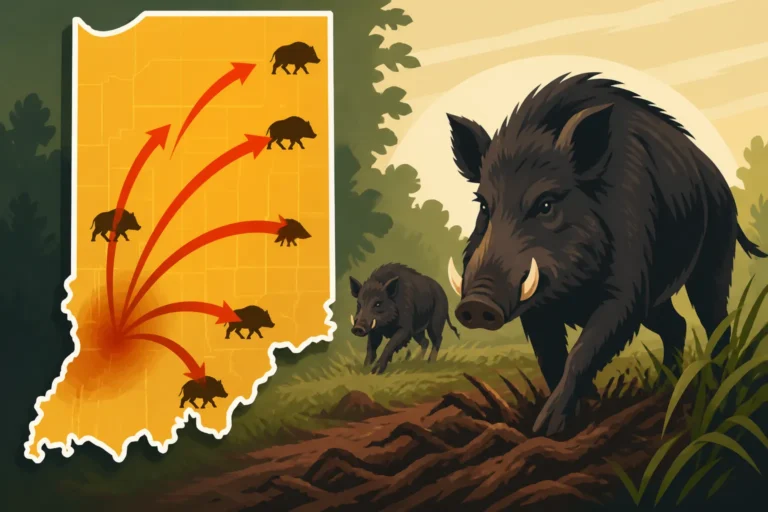
The story of CWD in Indiana is still unfolding, as it is in many states across the country. The first confirmed cases naturally create an initial "positive area" that is then subject to intensive monitoring. As more cases are identified, these areas can expand, sometimes encompassing entire counties or even groups of counties. For instance, you might remember when the first cases appeared in the northeast part of the state. This discovery led to the establishment of specific boundaries, such as those counties identified in Which Six Counties Sit in Indiana's CWD Positive Area, which immediately became a focal point for increased attention and regulations. This proactive approach helps the DNR respond dynamically to new information and prevent broader contamination.
The reason for these designated "positive areas" goes beyond just identifying where the disease is. It's about implementing targeted management strategies. These strategies can include mandatory testing requirements, restrictions on carcass movement, and enhanced surveillance efforts, all designed to limit the disease's spread to new regions. It's a response born out of necessity, acknowledging the serious threat CWD poses to the long-term health of our deer herd. Understanding these zones is the first step for any hunter who wants to continue to pursue deer in Indiana while being a part of the solution.
Tracking CWD: How Prevalence is Monitored in Indiana
Monitoring CWD prevalence within Indiana's designated positive areas is a continuous, intensive effort by the DNR. They aren't just taking random samples; they're strategically collecting samples from harvested deer, road-killed deer, and even sick-looking deer reported by the public. The goal is to get a clear picture of how widespread the disease is within these specific geographical boundaries. This isn't always a simple task, as deer can roam, and the disease can have a long incubation period before symptoms become visible. Therefore, the data collected provides a snapshot, but a crucial one, in understanding the disease dynamics.
When the DNR talks about CWD prevalence, they're essentially referring to the proportion of tested deer that come back positive for the disease within a defined area over a specific period. For example, if they test 100 deer from a CWD positive county and find 2 positive cases, the prevalence would be 2%. It’s critical to remember that these numbers can fluctuate based on sampling intensity, the specific sub-area within a county, and the total number of deer harvested and tested. The overall goal is to detect if the prevalence is increasing, decreasing, or remaining stable, which then informs management decisions. You can track some of these findings by reviewing information such as How Many Deer Have Tested CWD-Positive in Indiana.
These surveillance programs involve significant resources, often relying on check stations, designated drop-off points, and collaborations with hunters. During hunting season, especially in the CWD positive areas, you might find mandatory testing inside Indiana's Positive Area for deer harvested. This is where hunters become vital partners in data collection. Every sample submitted, whether voluntarily or mandatorily, contributes to a larger scientific dataset that helps wildlife biologists understand the disease. It helps them model potential spread, identify high-risk zones, and refine management strategies. Without this collective effort, our understanding of CWD's footprint in Indiana would be far less comprehensive.
Navigating the Hunt in Indiana's CWD Management Zones
Hunting in a CWD management zone definitely adds a few extra layers of consideration to your season planning, but it doesn't mean you can't still enjoy the hunt. The key is to be informed and prepared for the specific regulations that apply to these areas. The most immediate impact for hunters is often the requirement for mandatory CWD testing. If you harvest a deer in one of these counties, you'll likely need to submit specific tissues from your deer for testing. This is not just a suggestion; it's a critical part of the state's CWD management plan and helps provide the data discussed earlier. Always check the latest DNR regulations for the current season, as these requirements can change based on new findings or adjustments to management strategies.
Another significant regulation for hunters in CWD positive areas concerns carcass movement restrictions. These rules are in place to prevent the physical spread of the disease from an infected area to a clean one. Typically, you might be restricted from moving certain parts of a deer carcass—specifically the brain, spinal cord, and other nervous system tissues—out of the designated positive zone. This means you might need to field dress your deer differently or process it within the zone before transporting it home. Understanding Indiana Carcass Movement Restrictions is paramount to avoid unintentionally contributing to CWD spread. This might mean having a plan for processing your deer quickly or finding a local processor that can handle the work within the regulated area.
Knowing what to do if you harvest a deer that tests positive for CWD is also an important part of hunting responsibly in these zones. While the risk of CWD transmission to humans is considered extremely low, it's generally advised not to consume meat from CWD-positive animals. The DNR will provide guidance on handling your venison from a CWD positive area if your animal tests positive. Furthermore, proper disposal of any carcass remains, regardless of testing status, is vital to prevent environmental contamination. This means using approved waste disposal sites, rather than leaving carcasses in the woods where they could potentially contribute to disease spread. These are tough considerations, but they are crucial for protecting the health of future deer herds.
Here’s a quick checklist for hunters operating in or near CWD Positive Areas:
| Action Item | Description |
|---|---|
| Check Current Regulations | Always verify the most up-to-date CWD regulations for your hunting location on the Indiana DNR website before heading out. |
| Identify Positive Areas | Know if your hunting spot falls within or borders a designated CWD positive area. Use tools like GoHunt or the DNR's online maps for accurate boundaries. |
| Plan for Mandatory Testing | If hunting in a mandatory testing zone, understand the submission process, including required tissues and drop-off locations. Prepare a kit for sampling if needed. |
| Adhere to Carcass Movement Rules | Be prepared to debone your deer or use a local processor within the CWD positive area. Only transport allowed parts (deboned meat, clean skull plate, hides, etc.) out of the zone. |
| Practice Safe Carcass Disposal | Dispose of brain, spinal cord, and other restricted tissues responsibly, ideally at an approved landfill within the CWD area, to prevent environmental spread. |
| Report Sick Deer | If you observe a deer exhibiting CWD-like symptoms (emaciation, drooling, unusual behavior), report it to the Indiana DNR immediately. You can find information on Reporting a Sick Animal in Indiana. |
| Consider Voluntary Testing | Even if not mandatory, consider getting your harvested deer tested if hunting near a positive area. Getting Free CWD Testing for Your Deer may be available. |
| Educate Yourself & Others | Stay informed about CWD and share accurate information with fellow hunters to foster collective responsibility. |
Your Role: Responsible Practices for CWD Prevention
As hunters, we are often the first line of defense in managing wildlife health. Our active participation and commitment to responsible practices are absolutely critical in the fight against CWD. It starts with staying informed. Regularly checking the Indiana DNR's website for updates on CWD, understanding the regulations, and being aware of the specific boundaries of the CWD positive areas are fundamental. Think of your hunting app, like GoHunt, as not just a map for property lines but a tool to visualize and understand these critical zones. Using such resources helps you be proactive rather than reactive.
Beyond regulations, ethical hunting practices play a huge role. This includes avoiding baiting or supplemental feeding of deer, as concentrating deer at a single site can increase the risk of disease transmission through shared saliva, urine, and feces. While legal in some areas for various purposes, in CWD zones, it's a practice that's best avoided to prevent unnaturally high deer densities. Furthermore, if you're scouting or otherwise out in the woods and see a deer that appears sick, lethargic, or is acting strangely, it's imperative to report it to the DNR. These reports can provide critical early detection information that might otherwise be missed, leading to a quicker response from wildlife managers.
Finally, proper carcass disposal, even for deer harvested outside of CWD positive areas, contributes to overall disease prevention. Never dump deer carcasses on the side of the road or in unapproved areas. This practice, while seemingly harmless, can inadvertently spread CWD or other diseases if an infected animal's remains are left where other wildlife can access them. Taking the time to properly dispose of your deer at an approved landfill or through other designated methods is a small but incredibly impactful step you can take. By doing so, you're not just complying with regulations; you're actively safeguarding the health of Indiana's deer herd for generations to come, ensuring the tradition of deer hunting can continue to thrive. The more we collectively engage in these responsible actions, the stronger our defense against CWD becomes.
Disclaimer
This article is for general informational purposes only and does not constitute professional advice. Laws, prices and regulations vary by location and change over time. Consult a qualified professional for guidance on your specific situation.