Indiana Beaver Population and Damage
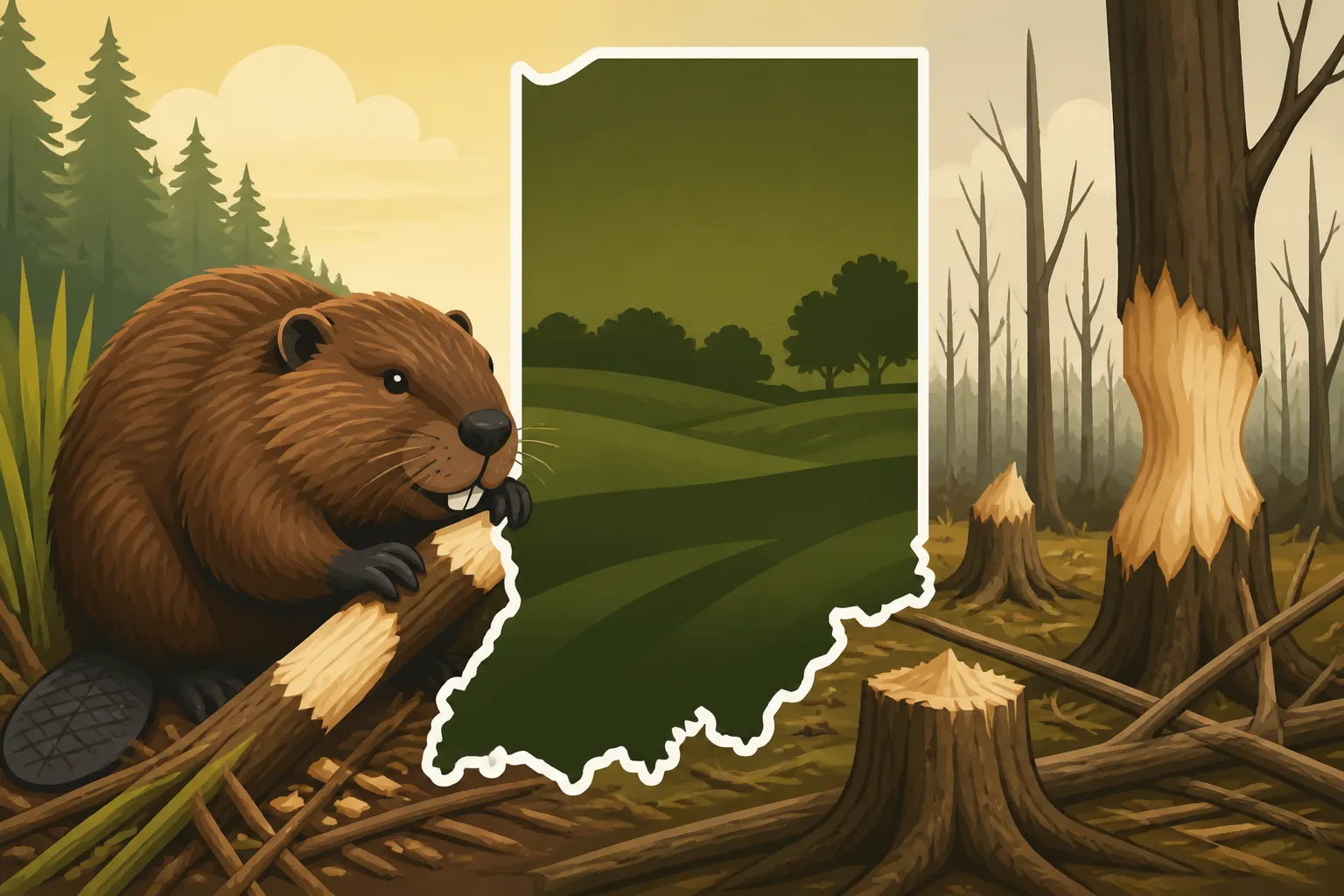
Living in Indiana, it's not uncommon to witness the tell-tale signs of beaver activity near our waterways—from freshly gnawed trees to expanding ponds in unexpected places. While these industrious engineers are fascinating to observe, their dam-building and tree-felling habits can quickly lead to significant property damage, crop loss, and even localized flooding for landowners and farmers across the state. This guide will delve into the history of Indiana's beaver population, explore the specific types of damage they cause, and offer practical, actionable strategies for managing their presence and mitigating their impact, helping you understand how to protect your property while appreciating these native creatures.
The Curious Case of Indiana's Beaver Population: From Near Vanishing to Thriving
Beavers, with their distinctive flat tails and tireless work ethic, are a true symbol of North American wildlife. Their story in Indiana is one of remarkable resilience, a testament to nature's ability to rebound when given a chance. For many years, these fascinating creatures were largely absent from our landscape, and their return has brought both ecological benefits and significant management challenges.
A History of Decline, Restoration, and Resilience
In the early days of European settlement, beavers were a widespread and vital part of Indiana's ecosystems. Their fur was highly prized, driving extensive trapping that, by the mid-1800s, had largely extirpated them from the state. Imagine vast stretches of our rivers and streams once teeming with beaver activity, suddenly quieted, the wetlands they created slowly fading. It was a stark reminder of human impact on wildlife populations.
However, nature, with a little help, finds a way. As trapping pressures eased and conservation efforts gained traction in the 20th century, beavers began a slow but steady natural recolonization from neighboring states. Later, targeted reintroduction programs by wildlife agencies helped accelerate their comeback, often relocating animals into suitable habitats where they could thrive once more. Today, Indiana boasts a healthy and robust beaver population, a true conservation success story, though one that comes with its own set of responsibilities for us as landowners and stewards of the land.
Where Beavers Call Home: Distribution Across the Hoosier State
Beavers are nothing if not adaptable, and they've made themselves at home in a wide variety of aquatic environments across Indiana. You'll primarily find them along the major river systems like the Wabash, White, and Kankakee, where abundant water and riparian vegetation provide everything they need. They also favor smaller creeks, drainage ditches, and even farm ponds, particularly those surrounded by hardwoods and softwoods that offer both food and building materials. Hunting the Wabash River Bottoms or Hunting the Kankakee River Marshes will often put you in prime beaver habitat.
Their distribution isn't uniform, of course. Areas with dense stands of preferred food trees—like aspens, willows, cottonwoods, and sweetgum—tend to host higher beaver densities. They prefer slow-moving water, making backwater sloughs, oxbows, and wetland complexes ideal. However, don't be surprised to find them in less "wild" settings, too. Agricultural areas, crisscrossed by ditches and tile lines, often provide just enough cover and water for a family of beavers to set up shop, leading directly to the conflicts many landowners face. Their ability to quickly colonize new areas, sometimes seemingly overnight, is part of what makes managing them such a dynamic challenge.
When Nature Collides with Property: Understanding Beaver Damage
While their dam-building prowess is fascinating, for many Indiana landowners, beaver activity quickly translates into serious headaches and significant financial costs. These industrious rodents aren't just creating beautiful wetlands; they're fundamentally altering landscapes, often to the detriment of human infrastructure and agricultural pursuits. Understanding the specific forms of damage they inflict is the first step toward effective management.
Flooding, Timber Loss, and Agricultural Headaches
The most obvious and immediate concern arising from beaver activity is undoubtedly flooding. A single beaver colony can construct a dam that backs up water over acres of land, turning previously dry fields into soggy marshes. This can ruin valuable crops, delay planting schedules, and make harvesting nearly impossible. Imagine a soybean field that's suddenly underwater, or a pasture that's too saturated for livestock to graze. The impact on a farmer's livelihood can be devastating. Beyond crops, this localized flooding can drown trees, including valuable timber species, leading to long-term economic losses for forest landowners. The standing water suffocates root systems, slowly killing mature trees that might have taken decades to grow.
Their gnawing habits, while essential for dam construction and feeding, also contribute to timber loss. Beavers will fell trees of various sizes, often targeting younger, softer hardwoods and softwoods. A stand of saplings can be clear-cut by a beaver family in a surprisingly short amount of time, eliminating future timber value. Furthermore, the constant presence of standing water from their dams can cause roads, culverts, and drainage systems to fail. The water pressure against infrastructure designed for normal flow can erode foundations, wash out roadbeds, and lead to costly repairs. In some cases, the disruption to natural water flow can even impact local fish populations by changing stream temperatures and oxygen levels.
Infrastructure Risks and Property Value Concerns
Beyond the immediate agricultural and timber impacts, beaver activities pose significant risks to human infrastructure and can even affect property values. When beaver dams block culverts under roadways or driveways, the water pressure can build up, eventually causing the roadbed to wash out completely. This isn't just an inconvenience; it can create dangerous driving conditions, cut off access to properties, and require extensive and expensive emergency repairs. We've all heard stories of roads closed for weeks due to culvert damage, often with a beaver dam as the culprit. Recovering a Deer From a River Bottom can be significantly harder if beaver activity has flooded access roads.
For residential areas, especially those near streams or wetlands, prolonged flooding from beaver dams can lead to water seeping into basements, damaging foundations, and compromising septic systems. Imagine your well pump or septic field suddenly submerged, requiring costly replacements or extensive repairs. Utility lines, particularly those running through wooded areas, are also at risk if beavers fell trees that then fall onto power lines or communication cables. From a broader perspective, the persistent flooding and destruction of aesthetically pleasing trees can diminish the visual appeal of a property, potentially leading to a decrease in its market value. A waterlogged backyard or a stretch of dead timber isn't exactly a selling point, making these industrious rodents a costly nuisance for many.
Practical Solutions: Managing Beavers and Mitigating Their Impact
Dealing with beavers doesn't always mean reaching for a trap. In many situations, proactive measures and a solid understanding of their behavior can go a long way in mitigating damage without needing to remove the animals. However, when passive methods aren't enough, more direct intervention might be necessary. It's about finding the right tool for the job.
Non-Lethal Approaches: Protecting Your Land and Property
Before considering lethal removal, many landowners find success with non-lethal deterrence and exclusion methods. These approaches aim to either make an area less attractive to beavers or to protect specific assets from their activities.
One of the most effective strategies, especially for protecting culverts from damming, involves installing "beaver deceivers" or flow devices. These are essentially exclusion cages or pipes placed around culvert entrances that allow water to flow freely while preventing beavers from building their dams directly at the culvert opening. The basic idea is to move the damming activity away from the critical infrastructure. By extending a pipe upstream or downstream of the culvert into the beaver pond, water can be siphoned or drained quietly, keeping the culvert clear and preventing flooding without disturbing the beaver's dam itself. These devices require some planning and often professional installation, but they can be a long-term, low-maintenance solution for chronic culvert blockages.
For protecting individual trees, particularly valuable ornamentals or young timber, wrapping the trunks with heavy-gauge wire mesh is highly effective. The mesh should extend at least three feet up the trunk and be secured tightly enough to prevent beavers from gnawing through or getting behind it. This method won't prevent them from felling other, unprotected trees, but it certainly saves your most cherished ones. Altering the habitat by removing preferred food sources (like willow or aspen saplings) from specific areas might also deter them, though this is often impractical on a larger scale. These non-lethal methods are about coexistence, providing solutions that allow beavers to remain in the area without causing unacceptable damage to human interests.
Trapping and Removal: When and How to Intervene
When non-lethal methods prove insufficient, or when damage is severe and immediate, trapping and removal become necessary. Beavers are classified as furbearers in Indiana, meaning there are specific seasons and regulations governing their harvest. It's crucial to understand these rules, which you can often find detailed on the Indiana Department of Natural Resources (DNR) website. Resources like GoHunt can also be helpful for quickly looking up the latest regulations, season dates, and specific requirements for furbearer trapping licenses in Indiana. Ignoring these regulations can lead to fines and legal trouble, so always be informed. Indiana Trapping License Requirements are something you'll definitely want to look into if you're considering this path.
Trapping methods typically involve body-gripping traps, such as Conibear-style traps, which are designed for quick and humane dispatch, usually placed underwater in active travel lanes or dam breaks. Foothold traps might also be used for live capture, allowing for relocation if that's an option (though often relocation is not practical or allowed due to disease concerns and territorial issues). Snares are another common tool, typically set in drowning situations to ensure a quick kill. It's vital that anyone undertaking trapping is experienced and knowledgeable in trap placement, setting, and safety to ensure both effectiveness and humane treatment of the animals. If you're not comfortable or experienced with trapping, hiring a licensed nuisance wildlife control operator is highly recommended. These professionals have the expertise, equipment, and permits to handle beaver removal safely and legally, saving you a lot of potential headaches and ensuring the job is done right.
Hunting and Furbearer Management Opportunities
While trapping is the primary method for beaver removal and fur harvest, there can also be limited hunting opportunities, particularly during established furbearer seasons. Beavers are indeed part of Indiana's furbearer species, meaning they are managed by the state's wildlife agencies, and their pelts historically held significant value. The general furbearer trapping season usually encompasses a period when beavers can be taken.
For those interested in the recreational side, hunting beavers with firearms or archery equipment is generally permitted during designated furbearer seasons, though it’s far less common or efficient than trapping. Typically, hunters might target beavers from a distance as they swim or work on a dam, especially in areas where trapping isn't feasible or desired. It’s important to note that hunting generally offers limited control for nuisance issues compared to systematic trapping. If you are considering hunting beavers, always double-check the current Indiana hunting and furbearer regulations, including any specific legal methods, times of day, and licensing requirements. Consulting platforms like GoHunt can provide up-to-the-minute details on these seasons and rules, ensuring you stay compliant with state law. Whether you're a seasoned trapper or a curious hunter, understanding your options within the legal framework is key to responsible beaver management.
Here's a quick look at common beaver management strategies:
| Strategy | Method | Pros | Cons | Target Damage |
|---|---|---|---|---|
| Beaver Deceivers/Flow Devices | Install specialized pipes/cages in culverts. | Highly effective for chronic culvert blockages; non-lethal. | Can be costly to install; may require maintenance. | Flooding due to blocked culverts. |
| Tree Wraps | Wrap tree trunks with heavy-gauge wire mesh. | Simple, inexpensive, and very effective for individual trees. | Only protects wrapped trees; doesn't deter damming elsewhere. | Tree felling/gnawing. |
| Habitat Modification | Remove preferred food trees, clear brush. | Can deter beavers from establishing in an area long-term. | Often impractical on large scale; can impact other wildlife. | General beaver presence/activity. |
| Trapping (Lethal) | Use body-gripping traps (e.g., Conibear) or snares. | Highly effective for removing problem beavers quickly. | Requires skill, knowledge of regulations; specific seasons apply. | All types, especially severe. |
| Trapping (Live-Capture) | Use cage traps or certain foothold traps. | Allows for relocation if legally permissible. | Relocation often illegal or impractical; stressful for animal. | All types, especially severe. |
| Hunting | Shoot beavers during legal seasons. | Can be done by licensed hunters; recreational opportunity. | Limited effectiveness for nuisance control; less common than trapping. | Direct beaver removal. |
The Broader Picture: Beavers as Ecosystem Engineers
It’s easy to focus solely on the damage beavers can cause, especially when they’re flooding your fields or felling your favorite trees. However, it's vital to remember that beavers are more than just a nuisance; they are genuine ecosystem engineers. Their activities, though sometimes inconvenient for humans, play a crucial role in shaping landscapes and supporting biodiversity. Understanding this broader context can help us appreciate their place in nature and inform more balanced management strategies.
Unsung Heroes: The Ecological Benefits of Beaver Ponds
Before extensive human modification of landscapes, beaver ponds were ubiquitous across North America, including much of Indiana. These impoundments are natural marvels, creating incredibly diverse wetland habitats that benefit countless species. A beaver pond acts as a natural water filter, trapping sediment and pollutants, thereby improving water quality downstream. This filtering process helps recharge groundwater, maintaining base flows in streams during dry periods. Reading a Slough for Deer Movement After Rain shows how important these water features are for wildlife.
The still, deeper waters of beaver ponds provide essential habitat for a wide array of aquatic insects, amphibians like frogs and salamanders, and various fish species that thrive in slower, oxygenated water. Migratory waterfowl, wading birds, and even raptors are drawn to these rich environments, finding food and nesting sites. Deer, raccoons, and other mammals also benefit from the increased water availability and the diverse plant life that flourishes around a beaver pond. These ponds can also mitigate the effects of drought and reduce the severity of downstream flooding by slowly releasing water over time. In essence, beavers create oases of biodiversity, enhancing the overall health and resilience of the ecosystems they inhabit.
Striving for Balance: Coexisting with Indiana's Largest Rodent
Given both the significant ecological benefits and the undeniable potential for damage, living with Indiana's thriving beaver population requires a balanced and often nuanced approach. We can't simply ignore them, nor should we universally condemn them as pests. The challenge lies in managing their impacts in areas where they conflict with human interests, while simultaneously recognizing and preserving their valuable role in our natural world. This means moving beyond a purely reactive stance to a more proactive, integrated management philosophy.
For landowners, this could involve a combination of the non-lethal methods discussed earlier, targeted trapping in problematic areas, and a willingness to adapt certain land-use practices. It might mean accepting that some low-value areas could be allowed to become beaver wetlands, while fiercely protecting high-value agricultural fields or critical infrastructure. Education is also a huge part of this. The more we understand beaver behavior, their needs, and the mechanisms of their impact, the better equipped we are to devise creative solutions. Ultimately, learning to coexist with these remarkable, industrious creatures is an ongoing lesson in environmental stewardship for all Hoosiers.
Disclaimer
This article is for general informational purposes only and does not constitute professional advice. Laws, prices and regulations vary by location and change over time. Consult a qualified professional for guidance on your specific situation.