Glendale Fish and Wildlife Area
For many Hoosier hunters, finding diverse, accessible public land that offers opportunities for multiple species can feel like searching for a needle in a haystack. We often dream of vast tracts where we can chase deer in the timber, call in turkeys, or set up for waterfowl, all within a reasonable drive. Fortunately, Indiana boasts a gem in the southwest part of the state that often delivers on this promise: Glendale Fish and Wildlife Area. This comprehensive guide will walk you through everything you need to know to successfully hunt this incredible public land, from its unique landscape to the specific tactics that can put game in your freezer.
Discovering Glendale Fish and Wildlife Area
Glendale Fish and Wildlife Area, nestled in Daviess County, is a sprawling testament to what dedicated conservation efforts can achieve. It’s a place where diverse ecosystems meet, providing a haven for wildlife and a playground for hunters and outdoor enthusiasts. Spanning thousands of acres, this FWA isn't just another woodlot; it's a dynamic landscape managed specifically to benefit a wide array of game species.
Location and Landscape
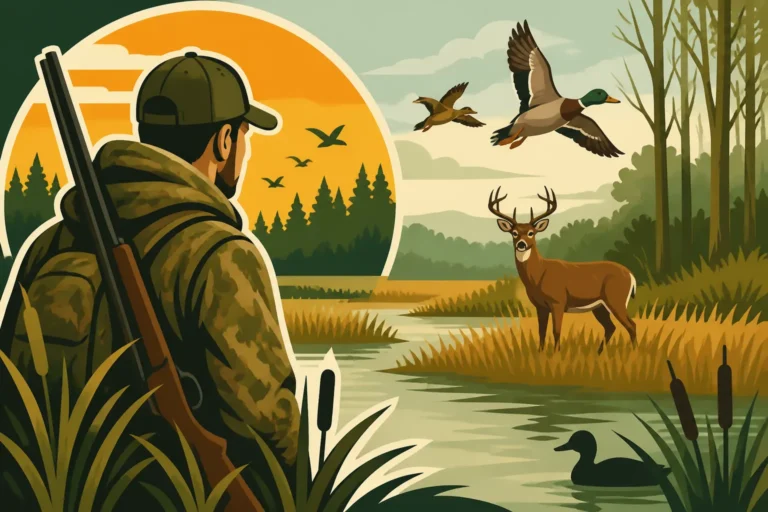
Glendale FWA is situated in a region of Indiana that’s a beautiful mix of bottomland hardwoods, rolling uplands, and agricultural fields. What truly defines Glendale, however, is the prominent 1,400-acre Glendale Lake, which acts as a magnet for migratory waterfowl and provides vital water sources and habitat for terrestrial species. The property itself is a patchwork, with extensive timber stands, brushy fencerows, managed grasslands, and scattered crop fields. This diverse landscape means that whether you're a deer hunter looking for thick cover, a turkey hunter seeking open woods, or a duck hunter needing marshy edges, Glendale has a corner for you. Understanding this blend of habitats is your first step to success.
Imagine walking from a dense, almost impenetrable thicket, suddenly opening up into a stand of mature oaks, then skirting the edge of a harvested cornfield, all within a short hike. That's Glendale. The terrain isn't overly rugged like some of the Hunting Southern Indiana Hill Country, but it has enough undulation and varied cover to create natural funnels and bedding areas. The lake's influence creates microclimates and specific travel routes for game, especially during the colder months when other water sources might freeze or dry up.
Management and Conservation
The Indiana Department of Natural Resources (DNR) manages Glendale Fish and Wildlife Area with a multi-pronged approach focused on habitat diversity and wildlife population health. This isn't just a place where hunting happens; it's an active conservation area. They employ various techniques like prescribed burns to rejuvenate grasslands, timber stand improvements to promote healthy forest growth, and agricultural plantings to provide supplemental food sources. These efforts directly translate to better hunting opportunities by ensuring robust populations of White-Tailed Deer Across Indiana, wild turkeys, and a myriad of small game and waterfowl.
For example, sections of Glendale are specifically managed as grasslands for upland birds, which is crucial for species like pheasants and rabbits. Other areas might see periodic timber thinning to encourage browse for deer, creating new growth that deer absolutely love to feed in. This active management means that conditions can change from year to year, so staying updated on the FWA's specific management plans or recent activity (like timber sales or new food plots) can give you a significant advantage. It's a living, breathing landscape, constantly being shaped for the benefit of its wild inhabitants and those who pursue them ethically.
Prime Hunting Opportunities at Glendale
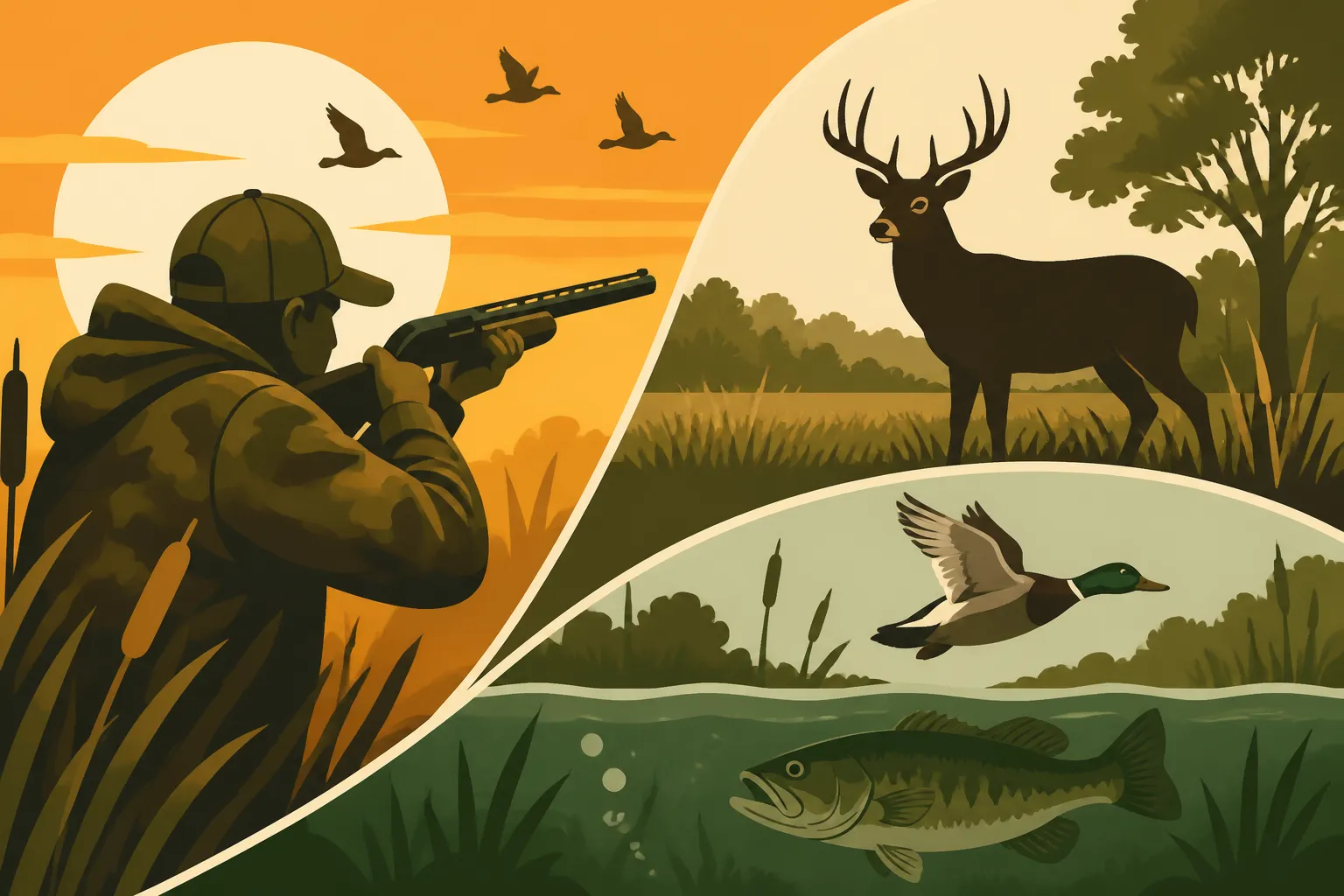
Glendale FWA is a versatile hunting destination, drawing enthusiasts for everything from trophy deer to abundant waterfowl. Its diverse habitats mean you often don't have to specialize in just one type of game; you can find opportunities for many species throughout the various seasons.
Deer Hunting Strategies
Deer hunting at Glendale is a popular pursuit, and for good reason. The area supports a healthy deer population, with plenty of opportunities for both archery and firearms hunters. The key to success here often lies in understanding how deer use the mixed habitat and how they react to hunter pressure. During archery season, especially early on, deer might be found in thicker cover bordering crop fields or near water sources. As the season progresses and the rut approaches, bucks will be more active, cruising through timbered funnels and along ridge lines. You might find success still-hunting through the bottomland hardwoods or setting up a treestand near an oak flat where acorns are dropping. Bowhunting Indiana's Long Archery Season can certainly lead you to a great experience at Glendale.
For firearms season, the dynamic changes slightly. While the deer are still there, the increased hunter presence means they often become more nocturnal or seek out the densest, most inaccessible cover. This is where diligent scouting pays off. Look for less-traveled areas, deep pockets of thick brush, or remote timber stands that require a longer walk. Deer drives can be effective here, particularly on larger timber blocks, but always ensure safety and coordination with your hunting party. Remember that Glendale, like many public lands, sees its share of orange during firearms season, so planning your hunt to avoid crowds or to capitalize on deer pushed by other hunters can be a game-changer.
Waterfowl and Upland Game
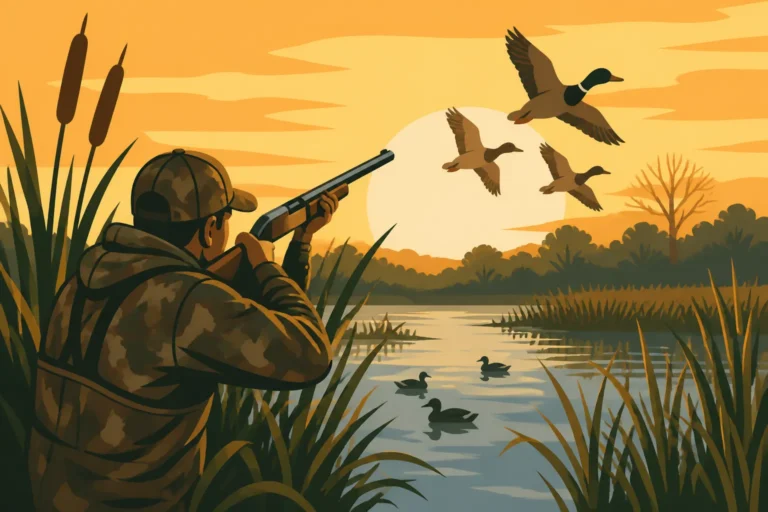
Glendale Lake makes the FWA a significant destination for waterfowl hunters. During peak migration, the lake can host thousands of ducks and geese, offering incredible opportunities. Glendale FWA Waterfowl Access is well-known, with a variety of hunting options including blind drawings and walk-in areas. Setting up decoy spreads on the lake edges, in flooded timber, or in harvested crop fields near water can yield excellent results. Hunters need to be prepared for differing conditions, from open water layouts to marshy wades. Just like in Waterfowl Hunting the Kankakee Marshes, understanding migration patterns and weather fronts is crucial here.
Beyond waterfowl, Glendale also provides excellent upland game hunting. The DNR actively manages parts of the FWA for pheasants, including a stocking program that provides put-and-take opportunities. This can be fantastic for those looking to get out with a bird dog or simply enjoy a brisk walk through the fields. Pheasant Hunting Indiana Grassland is a reality at Glendale, especially in the designated areas. Additionally, rabbit and squirrel hunting are popular. Look for rabbits in the thick fencerows and brush piles, and squirrels in the extensive oak and hickory stands, particularly in the bottomlands. These smaller game species can offer a great way to introduce new hunters to the field or simply enjoy a less pressured outing.
Turkey and Predator Hunting
Glendale offers solid opportunities for wild turkeys during both the spring and fall seasons. For spring gobblers, focus on areas with mature timber that provide good roosting trees, often near water or along the fringes of fields where they can strut. Early mornings can be magic, trying to call a tom off the roost. As the day progresses, moving and calling, or "run-and-gun" tactics, can be effective, especially if you know their typical travel routes. Remember that on public land, patience and persistence are paramount. Spring Turkey Hunting in Indiana at Glendale requires an understanding of how birds respond to pressure.
Predator hunting, primarily for coyotes, is another option at Glendale. Coyotes are abundant and can be called in throughout the year. The mix of open fields, dense timber, and water sources creates ideal habitat for them. Early morning or late evening hunts, using various calls to mimic distress or breeding sounds, can be very effective. This can be a great way to extend your time afield outside of big game seasons and contribute to wildlife management by helping control predator populations.
Navigating Regulations and Access
Hunting public land like Glendale Fish and Wildlife Area means adhering to a specific set of rules and procedures designed to manage wildlife, ensure safety, and provide fair access for all users. Ignoring these regulations can quickly turn a promising hunt into a frustrating, or even legally problematic, experience.
Check-In Procedures and Permits
One of the most critical aspects of hunting any Indiana Fish and Wildlife Area is understanding and following the mandatory check-in and check-out procedure. This isn't just a suggestion; it's a legal requirement. Before you even set foot in the hunting woods or fields, you need to register your presence. This process helps the DNR track hunter effort, gauge harvest numbers, and ensure everyone's safety. While there are sometimes physical check-in stations, many FWAs now offer convenient online check-in through the Indiana DNR's Go Outdoors Indiana system or specific kiosks.
When you check in, you’ll typically need to provide your license information and indicate the species you intend to hunt. Upon completion of your hunt, regardless of success, you must check out. This step is equally important, allowing the DNR to collect vital harvest data. Failing to check in or out can result in citations, so make it a habit every single time you visit. Beyond the general check-in, some specific hunts at Glendale, particularly for waterfowl or special deer hunts (like early antlerless opportunities), might require drawing a blind or obtaining a special permit. Always consult the current Indiana hunting guide or the Glendale FWA specific regulations before heading out. For a deeper dive into the general process, check out Indiana Property Access Sign-In Process.
Specific Season Rules and Bag Limits
While statewide Indiana Deer Season Structure Explained and bag limits provide the overarching framework, individual Fish and Wildlife Areas like Glendale can sometimes have slightly modified rules to achieve specific management goals. For example, Glendale might be designated as a "Deer Reduction Zone" in certain years, allowing for additional antlerless harvest opportunities to help manage the local deer population. This means the standard statewide limits for antlerless deer might be increased or a special season implemented. It's vital to confirm these nuances before you hunt.
Additionally, pay close attention to any specific regulations regarding legal weapons, hunting hours, or restricted areas within Glendale FWA. Some areas might be designated as "refuge" or "safety zones" where hunting is prohibited, especially near popular recreational areas or structures. Waterfowl hunting often has specific blind regulations or shooting hours that differ slightly from general hunting. Always download or pick up a current map and regulation pamphlet for Glendale FWA directly from the DNR or at the property office. Don't rely solely on what you remember from last year; rules can and do change. A quick check of the DNR website or a call to the FWA office before your trip can save you a lot of headache.
Scouting and Preparation for Success
Successful hunting at a diverse public land like Glendale Fish and Wildlife Area isn't just about showing up with a gun or a bow; it's about meticulous preparation. The more effort you put in beforehand, the higher your chances of connecting with game and having a safe, enjoyable experience.
Pre-Season Scouting Techniques
The time you spend scouting before the season opens is arguably more valuable than any time spent hunting. Glendale is a large property, and simply wandering around hoping to stumble upon game isn't an effective strategy. Start your scouting from home with modern mapping tools. Platforms like onX Hunt and GoHunt are indispensable for public land hunters. These apps allow you to overlay property boundaries, view detailed aerial imagery, and identify potential bedding areas, food sources, and travel corridors. Look for changes in timber types, thick cover bordering fields, pinch points, and access points that might see less pressure. Learning Reading Aerial Photos for Southern Indiana Deer will be a huge asset here.
Once you have a few promising spots identified on your map, it’s time for boots-on-the-ground scouting. Visit the property well before the season, ideally during the late winter or early spring when vegetation is sparse, making it easier to see old sign. Look for deer trails, rub lines, old scrapes, and areas of heavy browsing. Identify potential treestand locations, paying attention to prevailing winds and entry/exit routes. For turkeys, look for old roosting areas, dusting bowls, and strut zones. For waterfowl, scout the lake edges and flooded timber for areas ducks and geese are actively using. Remember, early season scouting is crucial for understanding how the land lays and what resources game animals are utilizing. For general public land scouting tips, check out Scouting Indiana Public Land Before Season.
Gear and Clothing Considerations
The diverse hunting opportunities at Glendale FWA mean your gear list might vary significantly depending on what you're targeting. However, some core items are universal. Comfortable, broken-in boots suitable for walking varied terrain are a must. You'll be covering miles, potentially through mud, water, and uneven ground. Layered clothing is also essential, as Indiana weather can be unpredictable, swinging from crisp mornings to warm afternoons, and then back to chilly evenings. For late-season hunts, especially when temperatures drop, good insulation and waterproof outer layers are non-negotiable. Don't forget your blaze orange or pink for legal requirements, even if you're archery hunting during overlapping firearms seasons. If you're out there in January for the late archery season, take a look at Clothing for an Indiana Late Season.
For waterfowl hunting, waders are indispensable. Chest waders will keep you dry whether you're setting decoys in shallow water or retrieving birds from a marshy edge. A sturdy blind bag to keep calls, ammunition, and snacks dry is also highly recommended. If you're deer hunting from a treestand, a reliable safety harness and lifeline are not just good ideas, they're essential for preventing falls. Always carry a first-aid kit, a headlamp, a knife, and plenty of water. Having a fully charged phone with your mapping app (like onX Hunt or GoHunt) downloaded for offline use is also incredibly important, as cell service can be spotty in some remote sections of the FWA.
Challenges and Rewards of Public Land Hunting
Hunting on public lands like Glendale Fish and Wildlife Area presents a unique set of challenges compared to hunting private ground. However, it also offers a profound sense of accomplishment and connection to the wild that many hunters cherish. Understanding both sides of this coin is key to a rewarding experience.
Managing Hunter Pressure
Let's be realistic: you won't be alone at Glendale FWA, especially during peak seasons like the firearms opener or popular waterfowl blind draws. Hunting Pressure on Indiana Public Land is a very real factor. Deer and turkeys quickly learn to avoid areas with heavy human activity, becoming more nocturnal or seeking out the thickest, most inaccessible cover. This can be incredibly frustrating when you've put in the scouting hours only to find another hunter has set up shop in your spot, or worse, pushed all the deer out of the area you intended to hunt.
The best way to combat hunter pressure is often to outwork it. Don't be afraid to walk further than most other hunters are willing to go. Look for pockets of cover that are difficult to access, perhaps surrounded by thick briars or a creek crossing. These "sanctuaries" are often where pressured game animals retreat. Hunting during weekdays when pressure is lower, or choosing less popular species, can also provide a more solitary experience. Remember, ethical behavior is paramount. Always be aware of other hunters, respect their space, and never try to "sky-bust" or crowd someone else's setup. A little courtesy goes a long way in fostering a positive public land community.
The Fulfillment of the Hunt
Despite the challenges, hunting Glendale FWA—or any public land—offers immense rewards that go beyond just harvesting an animal. There's a deep satisfaction in successfully navigating complex terrain, outsmarting a wary whitetail on its home turf, or calling in a gobbler that has heard countless calls before. It's a true test of your skills as a hunter, pushing you to learn, adapt, and become more proficient. Every animal harvested on public land feels like a hard-earned victory, a testament to your effort and dedication.
Moreover, public lands like Glendale provide an invaluable connection to nature for everyone. It's a place where you can escape the hustle and bustle of daily life, immerse yourself in the natural world, and observe wildlife in its undisturbed habitat. Even if you don't fill a tag, the experience of a sunrise over Glendale Lake, the sound of a gobbler echoing through the timber, or the sight of a deer moving silently through the woods offers a profound sense of peace and fulfillment. It's about being a part of something bigger, upholding a tradition, and contributing to conservation efforts that ensure these wild places remain for future generations. For many, this connection to the wild is the true trophy. Indiana Fish and Wildlife Areas exist for this very reason.
Glendale FWA Hunting Opportunities Overview
To give you a quick snapshot of what you can expect when planning a hunt at Glendale Fish and Wildlife Area, here’s a table summarizing the primary game species and typical hunting focus. Always remember to check current regulations for specific dates and bag limits.
| Game Species | Primary Habitat Focus | Key Hunting Seasons | Common Tactics | Specific Glendale Considerations |
|---|---|---|---|---|
| White-tailed Deer | Timbered sections, field edges, thickets | Archery, Firearms, Muzzleloader | Treestand, Still-hunting, Drives | Significant pressure, focus on remote areas; potential reduction zone |
| Wild Turkey | Mature timber, field edges, roosting sites | Spring & Fall Archery, Fall Firearms | Calling, Run-and-gun, Decoys | Roost near water, listen for distant gobblers, pressured birds |
| Waterfowl | Glendale Lake, flooded timber, agricultural fields | Duck, Goose (various splits) | Decoys, Layout blinds, Blind drawings | Popular for migration, specific blind rules and drawings |
| Pheasant | Managed grasslands, brushy fencerows | Fall | Walk-up, Bird dog, Drives | Put-and-take opportunities, designated release areas |
| Rabbit | Fencerows, brush piles, thickets | Fall & Winter | Beagles, Walk-up, Drives | Good numbers in dense cover, especially near fields |
| Squirrel | Oak/Hickory timber, bottomlands | Fall & Winter | Still-hunting, Spot-and-stalk | Abundant in mast-producing timber, good early season option |
| Coyote | All habitats | Year-round (restrictions apply) | Calling (distress/vocalization), Spot-and-stalk | Excellent opportunity to extend time afield |
Disclaimer
This article is for general informational purposes only and does not constitute professional advice. Laws, prices and regulations vary by location and change over time. Consult a qualified professional for guidance on your specific situation.