Indiana’s Recovering Bobcat Population
Indiana bobcat population recovery, historical decline, current distribution, and conservation efforts across the state forests.
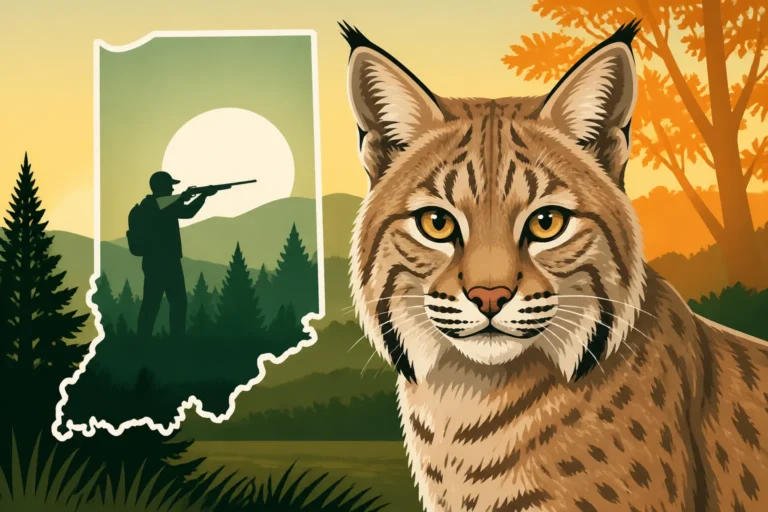
Indiana bobcat population recovery, historical decline, current distribution, and conservation efforts across the state forests.
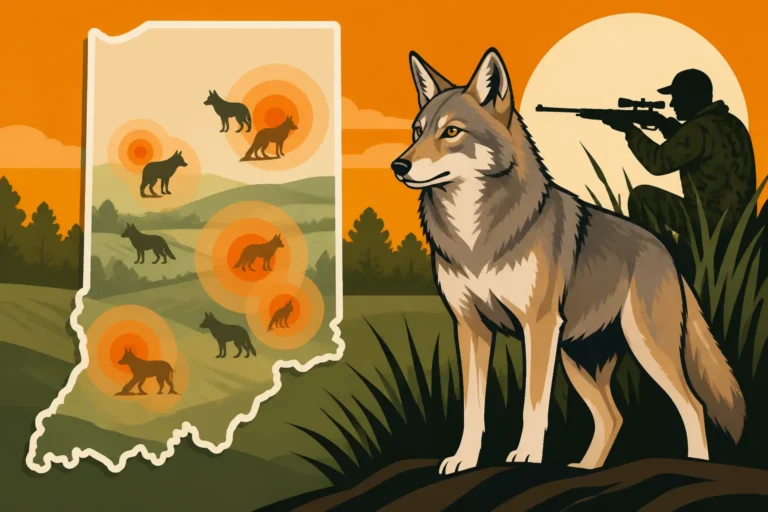
Indiana coyote range and population density span northern agricultural fields and southern forests, explaining widespread resilient predator habits.
Indiana farmland Canada goose hunting strategies, including scouting techniques, resident versus migratory habits, and seasonal feeding patterns.
Wood duck hunting in Indiana river bottoms requires understanding timbered habitats, nesting tree needs, and seasonal food sources.
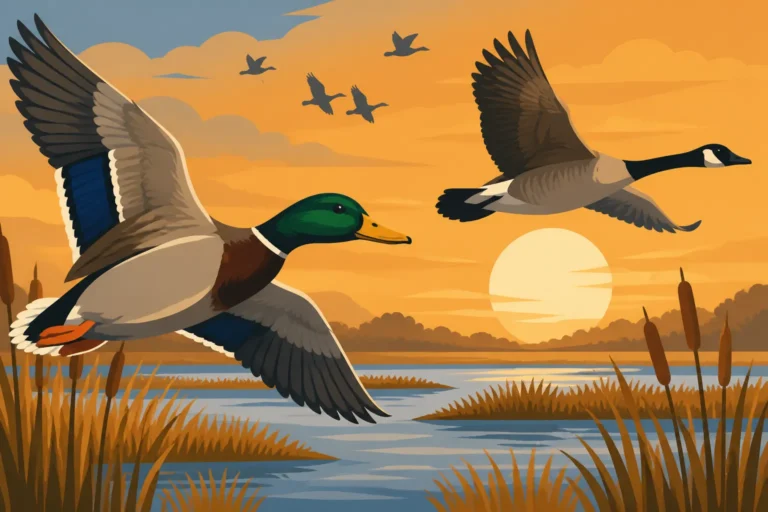
Mallard and goose hunting tactics on Kankakee Marshes help hunters understand waterfowl habitats and improve success rates.
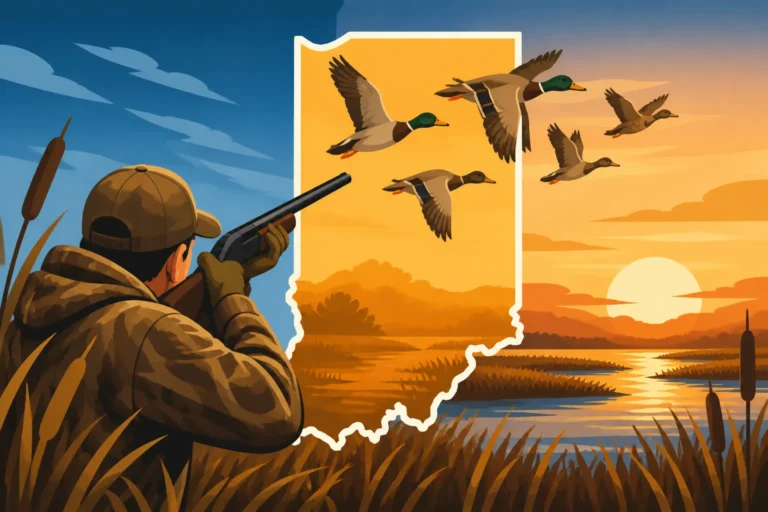
Indiana waterfowl migration timing details major flyway corridors, stopover points, and seasonal patterns for ducks and geese.
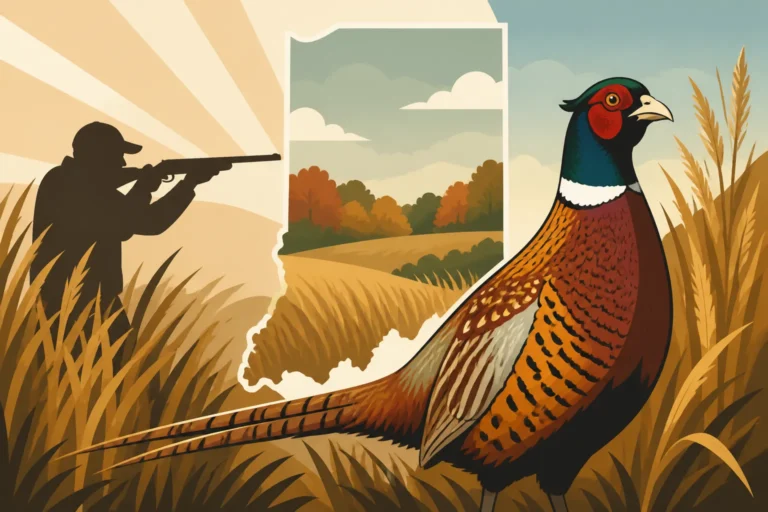
Wild pheasant populations in Indiana and modern industrial agricultural practices causing their dramatic decline.
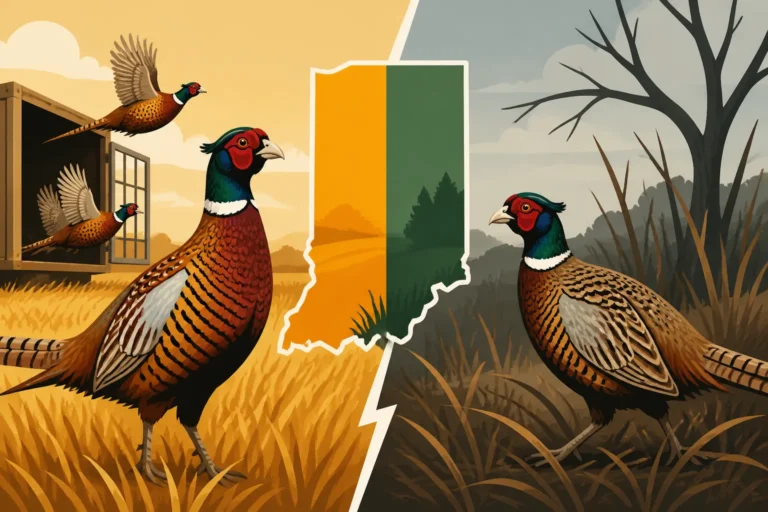
Indiana wild pheasants and stocked birds offer distinct hunting experiences across changing agricultural landscapes and habitats.
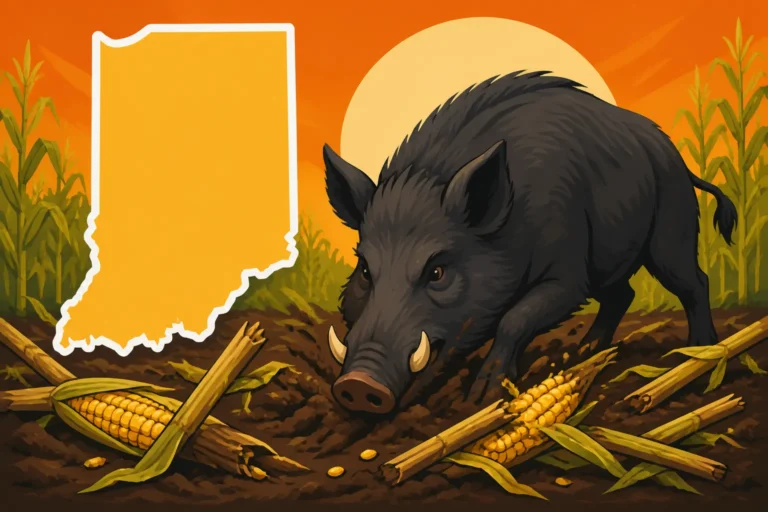
Indiana feral hogs cause widespread agricultural disasters, reproducing rapidly and destroying corn and soybean fields by rooting deep in the soil.
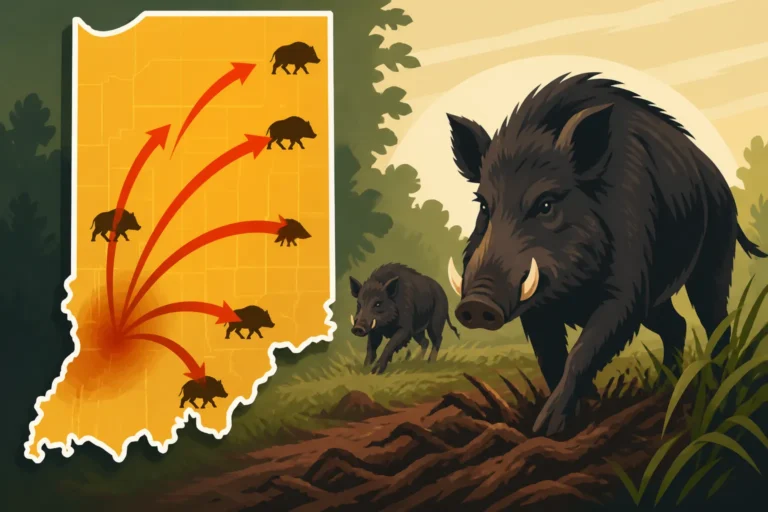
Wild hogs spreading across Indiana cause severe ecological damage and agricultural losses through rooting and disease transmission.