Sullivan County Public Hunting Ground
It’s a common frustration: you’ve looked at the maps, checked the regulations, and you’re trying to figure out where to truly put boots on the ground for a successful hunt in Indiana, especially when you’re looking at a specific area like Sullivan County. This guide is here to walk you through what to expect and how to approach hunting the public lands available there, focusing on the unique challenges and opportunities this region presents.
Understanding the Landscape of Public Hunting in Sullivan County
Sullivan County might not be the first place that comes to mind for public hunting in Indiana, especially if your vision of public land is rolling hills or deep, expansive forests. This area, largely influenced by historical coal mining, presents a very different and incredibly unique hunting landscape. Instead of vast, unbroken timber, you'll often find a mosaic of reclaimed strip mine land, offering a mix of successional timber, dense brush, grasslands, and numerous water bodies, from small ponds to larger lakes. This diverse habitat, particularly found at places like Turtle Creek Fish and Wildlife Area (FWA), can be fantastic if you know how to read it.
The topography here is often quite varied, with abrupt changes in elevation, deep cuts, and flat bench-like areas where coal was removed. This creates a labyrinth of small woodlots, thick bedding cover, and open feeding areas that can be a deer hunter's dream or a turkey hunter's puzzle. Waterfowl hunters, too, find ample opportunity on the many lakes and ponds. It’s not your typical "big woods" hunt, and that's precisely why it holds so much potential for those willing to adapt. You won't just walk out into endless timber; you'll be navigating a more broken, diverse environment that often holds excellent game because of the cover and food sources available.
The Unique Appeal of Reclaimed Lands
The history of coal mining in Sullivan County has, perhaps surprisingly, created some of the most diverse and productive wildlife habitats in the state. When the land is reclaimed, it's often seeded with a mix of grasses, legumes, and various tree species, leading to a patchwork of habitats that mature at different rates. You'll find areas of young saplings, mature timber stands, dense briar patches, and open fields, all within close proximity. This variety provides everything a deer, turkey, or even a rabbit needs: food, water, and crucially, thick cover.
This "edge habitat" is exactly what game animals thrive on. Imagine a thick, impenetrable briar patch next to a stand of oaks, bordered by a pond, and then opening into a grassy field. That's prime real estate for a mature buck or a flock of turkeys. The challenge, of course, is navigating this dense cover and figuring out how animals move through it. It’s not always about finding the deepest, darkest timber, but rather locating the small, overlooked pockets of cover or the subtle travel corridors between different habitat types. Using tools like Scouting Indiana Public Land Before Season can really help you dissect these unique landscapes from home before you ever set foot on the property.
Managing Expectations for Different Seasons
Hunting in Sullivan County, like anywhere else, requires an understanding of the seasonal patterns and how they affect game behavior on these specific land types. What works for archery season in September might be completely different from what you need to do in the late firearms season. You need to adjust your tactics to the available food sources, cover, and the presence (or absence) of water.
For early archery, those thick briar patches and young timber stands that offer so much security cover might also be impossible to hunt effectively. Deer could be bedded just feet from a main trail and you'd never know it. Later in the season, after some leaf drop, those same areas might become more accessible and visible. During the Indiana Deer Season Structure Explained, you'll see a range of opportunities that necessitate different approaches to this unique terrain. Waterfowl, on the other hand, will key into the numerous small ponds and larger water bodies that dot the landscape, especially during migration periods.
Key Species to Pursue and Their Habitats
Sullivan County public hunting areas, particularly Turtle Creek FWA, offer a robust mix of game species thanks to their diverse habitat. You're not limited to just one pursuit here; hunters often find success across deer, turkey, waterfowl, and various small game. Each species tends to favor different aspects of the reclaimed landscape, so understanding these preferences is key to a successful outing.
Whitetail Deer in Sullivan County
Deer are, without a doubt, a primary draw for hunters in Sullivan County. The mix of cover types—from dense thickets to scattered woodlots and open fields—creates ideal conditions for whitetails to thrive. Unlike the more traditional big timber of southern Indiana, here deer can find incredible security cover in the reclamation areas. These areas can sometimes feel like a maze of regenerating forest, briars, and brush, making deer incredibly difficult to spot but also providing fantastic places for them to hide and browse.
Mature bucks will often use the thickest, nastiest patches for bedding, especially during the archery and early firearms seasons. They know these spots offer protection from predators and hunters alike. When hunting deer, focus on identifying transition areas: where a dense thicket meets a more open woodlot, or where brush gives way to an old field. Deer will often travel these edges. Look for subtle funnels created by changes in elevation or thick strips of cover that connect larger bedding and feeding areas. During the rut, these funnels can become super highways. Hunting Northern Indiana Farmland Deer provides some insights into how deer utilize different cover types that can be applied to the varied terrain found here, even if it's not strictly farmland.
Wild Turkeys and Their Roosting Habits
Wild turkeys have also adapted well to the reclaimed landscapes of Sullivan County. You’ll find them utilizing the scattered timber stands for roosting, especially mature oak or sycamore trees along water features or ridge lines that offer good visibility. During the spring Indiana Spring Turkey Season Rules, gobblers will often call from these roosts, making them easier to locate. However, once on the ground, they can quickly disappear into the dense underbrush or move out into the open fields to feed.
Successful turkey hunting here often involves a "run-and-gun" approach, covering ground and listening for gobblers, but also being prepared to set up quickly in areas where you might intercept birds moving between roosting sites, feeding areas, and strutting zones. Don't be afraid to get into those brushy areas; often, hens will nest there, and gobblers will cruise the edges looking for them. Look for signs like scratchings in leaf litter, tracks along old mining roads, or dusting bowls in dry, sandy spots. Setting up on a slight rise overlooking a mix of open and dense cover can put you in a prime position to call in a strutting tom.
Waterfowl and Small Game Opportunities
The numerous ponds, lakes, and wetland features on public lands like Turtle Creek FWA make Sullivan County a surprisingly good destination for waterfowl hunters. These water bodies, often remnants of mining operations, attract various species of ducks and geese during migration. Hunters can set up blinds along the shorelines or use layout blinds in surrounding fields, provided they scout carefully to understand bird flight patterns. The key here is scouting – identifying where birds are actively feeding and resting.
For small game enthusiasts, the dense cover of the reclaimed lands is a haven for rabbits and squirrels. Rabbit populations thrive in the briar patches, brushy fencerows, and overgrown field edges. Hunters with beagles can have fantastic days, working these thickets. Squirrels, particularly fox squirrels, will be found in the more mature timber stands, especially those with acorn-producing oaks or hickory trees. Squirrel and Small Game Hunting in Indiana outlines general strategies that are very applicable to the diverse cover in Sullivan County. A table below illustrates some of the best times to target these species in Sullivan County's unique environment:
| Species | Primary Season | Preferred Habitat | Key Considerations |
|---|---|---|---|
| Whitetail Deer | Archery, Firearms, Muzzleloader | Dense thickets, regenerating timber, field edges, transition zones | Scout for funnels, understand bedding/feeding patterns |
| Wild Turkey | Spring & Fall | Scattered timber, open fields, brushy edges, creek bottoms | Listen for roosts, utilize run-and-gun tactics |
| Waterfowl | Fall & Winter | Ponds, lakes, flooded timber, agricultural fields | Early morning scouting, decoy spreads |
| Rabbits | Fall & Winter | Briar patches, fencerows, overgrown fields | Use dogs for flushing, focus on thick cover |
| Squirrels | Fall | Mature hardwoods (oaks, hickories), timber edges | Listen for cutting, look for mast trees |
Navigating Access, Regulations, and Pressure
Hunting public land in any county presents challenges, and Sullivan County is no exception. Understanding the specific rules of the property, knowing how to access it, and being prepared for potential hunter pressure are all critical elements of a successful and enjoyable trip. The Indiana Department of Natural Resources (DNR) manages these areas, and their regulations are paramount.
Understanding FWA Regulations and Sign-In Procedures
Public lands in Indiana, especially Fish and Wildlife Areas, have specific rules that often go beyond the general statewide hunting regulations. These might include special parking requirements, designated hunt areas, or unique rules regarding treestand placement and ground blinds. For example, many FWAs require hunters to use the self-service check-in/check-out system or to register online through the Go Outdoors Indiana portal before and after hunting. This system is crucial for the DNR to track hunter effort and harvest, which in turn helps them manage wildlife populations. Always double-check the specific FWA rules for Turtle Creek or any other public land you plan to hunt in Sullivan County. This information is usually available on the Indiana DNR website.
You might also find rules about how you can mark trails, whether you can use screws or nails in trees for treestands, or the specific type of ground blind that is permitted. Some areas have special permit hunts or require specific permits in addition to your general hunting license. Don't assume. A quick call to the property manager or a thorough review of the online regulations can save you a lot of headache, or even a citation. Remember, compliance with these rules ensures these valuable public hunting opportunities remain available for everyone. Indiana Fish and Wildlife Areas offers a broader look at how these properties are managed across the state.
Access Points and Using Mapping Tools
Accessing public land in Sullivan County can sometimes feel like navigating a puzzle. While some larger roads might border the properties, the best hunting often lies deep within, away from easy road access. This means you'll likely be hiking, potentially through rugged and often muddy terrain, especially if you venture far from designated parking areas. The reclaimed land can have trails that are not always well-marked, or old mining roads that can become overgrown.
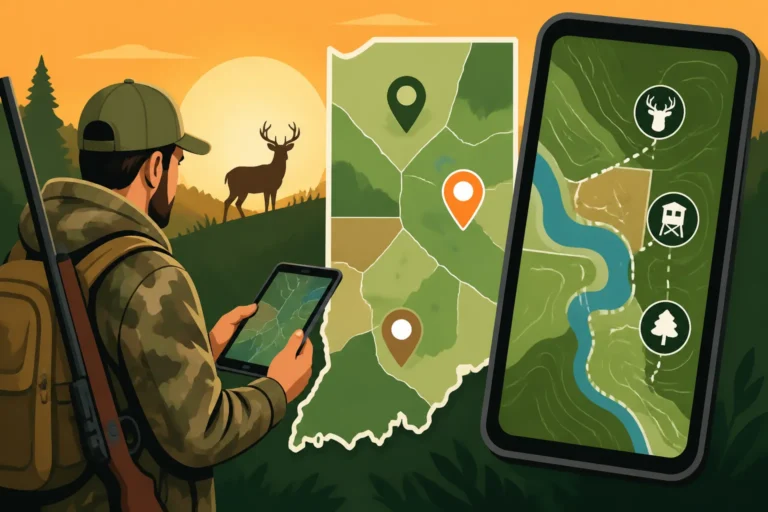
This is where digital mapping tools become invaluable. Services like onX Hunt are game-changers for identifying property boundaries, parking areas, and internal trails. You can layer satellite imagery with public land boundaries to get a bird's-eye view of the terrain before you ever leave home. I often use them to identify potential funnels, thick bedding areas, and water sources. Similarly, you can check the Indiana DNR’s own mapping tools, which are usually available through their Go Outdoors Indiana platform, to get detailed property maps that often show specific regulations or closed areas. Knowing Using the Indiana OnX and DNR Map Tools is essential for efficient scouting and safe navigation. Don't rely solely on cell service, either; many of these apps allow you to download maps for offline use, which is a lifesaver when you're deep in the woods and signal drops out.
Dealing with Hunter Pressure
Public lands, by their very nature, attract hunters, and Sullivan County is no exception. While it might not see the same level of pressure as some of the larger, more well-known public hunting grounds, you should still anticipate company, especially on opening weekends of popular seasons. This is particularly true for easily accessible areas or those with well-known hotspots. Hunter pressure can change animal behavior, pushing deer into thicker cover or making turkeys more wary.
To minimize the impact of pressure, consider doing a little extra work. Often, simply walking an extra half-mile or exploring an area that looks less appealing on a map can put you into untouched territory. Look for areas with natural barriers like deep ditches, dense briar thickets, or steep elevation changes that deter other hunters. These often become refuges for game. Also, try to hunt during weekdays if your schedule allows, as this typically sees lighter pressure than weekends. Being mindful of other hunters, giving them space, and hunting safely are paramount. For deer, Hunting Pressure on Indiana Public Land can give you broader tactics that apply to minimizing encounters and finding those less-pressured pockets.
Planning Your Hunt: Scouting and Setup Strategies
A successful hunt on Sullivan County's public land hinges heavily on thorough planning. The unique, broken terrain demands a nuanced approach to scouting and setting up your stand or blind. You can't just drop in and expect to find game; you need to understand how animals are using this specific environment.
Year-Round Scouting for Success
Scouting isn't just something you do a week before the season opens; it's a year-round commitment, especially on public land with varied terrain like Sullivan County's reclaimed areas. During the off-season, when leaves are down, it's the perfect time to identify those dense bedding areas, walk old logging roads, and discover hidden food sources. Look for old rub lines, scrape areas, and well-used trails that reveal consistent deer movement. The landscape changes subtly with each season, so understanding these changes is vital.
Even if you can't be on the ground, virtual scouting with onX Hunt or other mapping tools is invaluable. Spend time poring over satellite images, looking for anomalies, pinch points, and cover transitions. Where does the thickest cover meet a stand of oaks? Are there any clearings that might attract turkeys in the spring? Identify potential travel corridors between dense bedding cover and suspected feeding areas. Keep detailed notes, marking down everything you find. This information, gathered throughout the year, builds a comprehensive picture of how game animals use the landscape and dramatically increases your chances of being in the right place at the right time.
Treestand and Ground Blind Considerations
Choosing between a treestand and a ground blind in Sullivan County will largely depend on the specific habitat you're hunting and the type of cover available. For deer, treestands are often a good choice in the more mature woodlots, allowing you to get above a deer's line of sight and expanding your field of view. However, some areas might have smaller trees or fewer suitable spots for a hang-on or climbing stand. If you are using a treestand, remember to check Treestand Setups in Hoosier National Forest for some general guidance that applies to most public land.
Ground blinds, on the other hand, can be incredibly effective in the dense briar patches, regenerating timber, or along the edges of open fields. They allow you to hunt thick cover where trees might be too small or sparse for a stand, and they offer excellent concealment. Remember that on most Indiana Fish and Wildlife Areas, specific rules apply to ground blinds, often requiring them to be removed daily or clearly labeled. Always check the property-specific regulations. When setting up a ground blind, brush it in thoroughly with natural vegetation to break up its outline. Pay attention to wind direction, as the swirling winds in broken terrain can be tricky to predict.
Practical Tips for Hunting Sullivan County Public Land
Hunting these unique reclaimed landscapes requires a blend of traditional woodsman skills and modern adaptive strategies. Don't get discouraged if your initial attempts don't pan out. Every trip is a learning experience, and the more time you spend in Sullivan County's public lands, the better you'll understand its nuances.
Adaptability is Your Best Weapon
Perhaps the most crucial tip for hunting Sullivan County is to be adaptable. The terrain can be unpredictable, game patterns can shift with changing food sources or pressure, and weather can certainly throw a wrench in your plans. Don't go into a hunt with a rigid plan. Be willing to move, change locations, and alter your tactics based on what you're seeing and hearing. If your initial setup isn't producing, don't be afraid to pull up stakes and try a different spot, even if it's just a few hundred yards away.
This adaptability extends to your gear as well. Be prepared for mud, dense brush, and potentially long walks. A good pair of waterproof boots and durable hunting clothes are essential. A comfortable pack with essentials like water, snacks, a first-aid kit, and a good headlamp for walking out in the dark will serve you well. Being able to pivot and adjust to the conditions on the ground is often the difference between success and just another walk in the woods.
Embrace the "Walk-In" Advantage
On many public hunting grounds, the areas furthest from parking lots often see the least pressure. This is especially true in Sullivan County, where the terrain can be challenging. Don't be afraid to put in the miles. The extra effort to walk deeper into a property, or to skirt around difficult terrain that deters other hunters, can pay off immensely. Often, you'll find undisturbed pockets of game that are less wary of human presence.
This "walk-in" advantage doesn't mean just walking aimlessly. Use your scouting information and mapping tools to identify remote areas that are difficult to access, and then plan your entry and exit routes carefully. Consider what you’ll do if you harvest an animal deep in. A deer cart or a game sled can be invaluable if you anticipate long drags, though the uneven terrain of reclaimed land might make them challenging. However, the solitude and the increased likelihood of encountering unpressured animals often make the extra effort worthwhile. For late season, Hunting the Late-Season January Lull can be particularly effective in these less-pressured areas.
Prioritize Safety and Respect
Always prioritize safety. Wear your blaze orange during firearms seasons as required by Indiana law, even if you’re archery hunting during an overlap. Be aware of your surroundings, know your target and what's beyond it, especially in areas with broken terrain and limited visibility. Remember that other hunters are out there too. A simple courtesy, like a wave or a nod, goes a long way. Public land is a shared resource, and respect for other users and the environment is critical. Pack out everything you pack in, and leave no trace. Report any violations you witness to the Indiana DNR. These common-sense practices ensure that everyone can enjoy Indiana's public hunting opportunities.
Disclaimer
This article is for general informational purposes only and does not constitute professional advice. Laws, prices and regulations vary by location and change over time. Consult a qualified professional for guidance on your specific situation.