Yellowwood State Forest Hunting
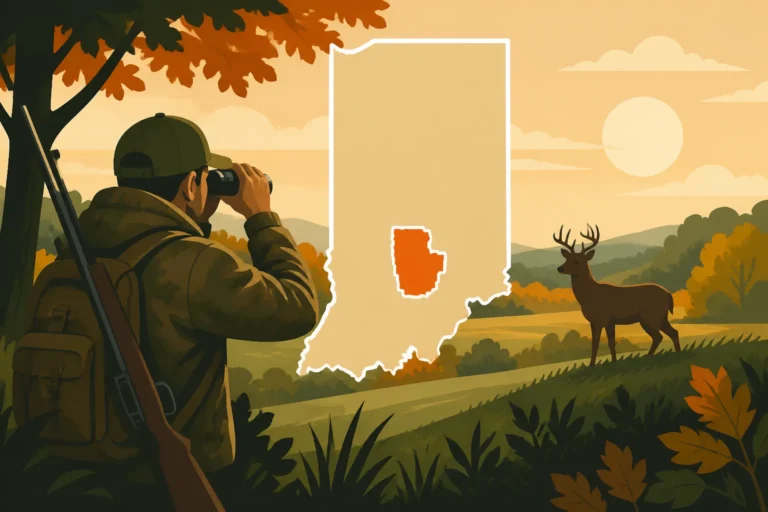
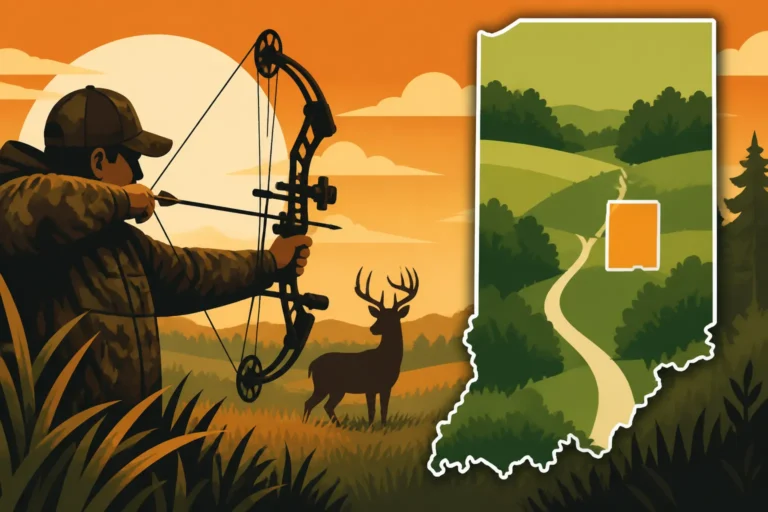
Yellowwood State Forest is a beautiful, sprawling tract of public land in Brown County, but let's be honest, hunting it can feel like trying to find a needle in a haystack, especially with its challenging terrain and increasing pressure. Whether you're chasing whitetails, calling in a gobbler, or seeking out squirrels, getting a handle on this diverse landscape requires a smart approach. This guide is here to cut through the confusion and equip you with practical strategies to truly unlock Yellowwood's potential, from navigating its winding hills to effectively targeting deer, turkey, and small game this season.
Getting Your Bearings in Yellowwood
Stepping into Yellowwood State Forest for the first time, or even the tenth, can feel overwhelming. It's a vast expanse of rolling hills, dense timber, and winding creek bottoms, far removed from the neat agricultural fields some hunters are used to. Understanding its geography and how to move through it efficiently is the first step toward a successful hunt. This isn't your grandma's woodlot; it demands respect and preparation.
Understanding Yellowwood's Terrain and Layout
Yellowwood State Forest, like much of Hunting Southern Indiana Hill Country, is characterized by dramatic elevation changes. You'll encounter steep ridges, deep hollers, and narrow creek drainages that dictate animal movement. Hardwood forests, primarily oak and hickory, dominate the landscape, providing essential mast crops for deer and turkey. However, interspersed throughout are areas of pine plantation, clear-cuts in various stages of regrowth, and old logging roads that can be either your best friend or your worst enemy, depending on how you use them. The sheer size and varied habitat mean that deer and turkey often have specific areas they prefer for bedding, feeding, and travel, which can shift throughout the season.
Walking through these woods, you'll quickly realize that "flat" is a relative term. What looks like a gentle slope on a map can be a lung-busting climb in real life, especially if you're packing a stand or dragging out a deer. Knowing the typical canopy species can also give you clues; mature oaks often mean good acorn production, while younger clear-cuts might hold thick browse for deer or provide excellent nesting cover for turkeys. Paying attention to these subtle changes in the forest composition will significantly improve your scouting efficiency, helping you identify pockets of desirable habitat faster.
Navigating Public Access Points and Parking
Yellowwood offers numerous access points, mostly off county roads that wind through the forest. Some are well-marked parking lots, while others are simply pull-offs along the roadside. It’s critical to identify these before your hunt, especially if you plan on an early morning start or a late evening finish. What might seem like a small detail can become a major headache if you end up miles from your vehicle in the dark, wondering where you parked. Always make a mental note, or better yet, drop a pin on your phone or GPS device where you leave your vehicle.
Be aware that parking can be limited, especially during peak hunting seasons like opening weekend of firearms deer season. You might need to walk a bit further from your vehicle to get away from other hunters. Also, remember that some old logging roads or trails might be open to foot traffic only, or seasonal vehicular access, so always check signage. Respect private property boundaries that often abut the state forest; don't assume every piece of land you see is public, and definitely don't block residential driveways or access gates.
Utilizing Mapping Tools for Smart Scouting
In today's hunting world, digital mapping tools are an absolute game-changer, especially for navigating complex public lands like Yellowwood. Apps like onX Hunt or even tools on the GoHunt platform provide satellite imagery, topo maps, and crucially, public land boundaries right on your phone. This isn't just about not getting lost; it's about making informed decisions before you even step foot in the woods. You can identify potential funnels between ridges, locate creek crossings, mark bedding areas indicated by thick cover, and find water sources without having to blindly wander for miles.
Before the season starts, spend time virtually scouting Yellowwood. Look for finger ridges that drop into creek bottoms, areas with varied timber types, or benches along steep hillsides where deer might travel or bed. You can even use these tools to identify areas that might be harder for other hunters to access, giving you an advantage in finding unpressured game. Remember to download offline maps, as cell service can be spotty or nonexistent in the deeper parts of the forest. Having these maps on your device means you're always oriented, no matter how deep you go. Scouting Indiana Public Land Before Season is an art, and these tools are your paintbrush.
Deer Hunting Strategies in Yellowwood
Yellowwood State Forest is home to a robust deer population, but successfully hunting them here requires a different approach than in the agricultural fields of northern Indiana. These are often hill country deer, accustomed to navigating steep terrain and utilizing dense cover. Understanding their habits and adapting your tactics accordingly will be key to filling your tag.
Key Deer Habitat Features and Movement Patterns
Deer in Yellowwood rely heavily on the abundant hardwood mast crops, particularly acorns, during the fall. Focus your early season scouting on areas with mature oak trees, especially white oaks, as these are often preferred by deer. As the season progresses and mast becomes scarcer, deer will shift their feeding to persistent green browse, remaining soft mast, or even agricultural fields bordering the forest if accessible. Look for south-facing slopes that receive more sunlight, which can cause vegetation to stay green longer, creating late-season food sources.
Movement patterns are heavily influenced by topography. Deer will often travel along benches on hillsides, use saddles between ridges, and follow creek bottoms or old logging roads to move between feeding and bedding areas. Understanding Wind and Thermals on a Southern Indiana Ridge is paramount here. As the sun rises, thermals will draw scent upwards, making ridge tops a good morning hunting spot, while in the evening, thermals fall, pulling scent down into the valleys. Learning to read these natural air currents will help you position yourself to avoid being winded and to capitalize on deer movement.
Stand Placement and Still-Hunting Tactics
Given the steep and often thick terrain, both stand hunting and still-hunting can be effective in Yellowwood, but each requires careful consideration. For stand placement, focus on pinch points: saddles, creek crossings, or funnels created by changes in topography or vegetation. Look for clusters of rubs and scrapes, but remember that fresh sign is always more important than old. Mature deer in these woods are often wary, so minimizing your entrance and exit noise and scent is critical. Consider using a portable treestand or saddle system for maximum mobility and adaptability, as deer patterns can shift with food availability and hunting pressure. Treestand Setups in Hoosier National Forest often apply directly to Yellowwood's similar terrain.
Still-hunting is another excellent tactic in Yellowwood, especially during the mid-day lull or if you prefer to be more active. Move slowly, taking five minutes to scan before each step. Utilize terrain features, always keeping the wind in your face or crosswind. Focus on ridge lines or benches, glassing ahead into thickets or down into hollers. This allows you to cover ground and adapt to what you're seeing, rather than waiting in one spot. It’s a physically demanding style, but can be incredibly rewarding. Still-Hunting Southern Indiana Ridges is a highly effective way to encounter Yellowwood's elusive bucks.
Dealing with Hunting Pressure on Public Ground
Let's be real: Yellowwood State Forest is public land, and that means you're going to encounter other hunters. This is a common frustration, especially during peak seasons. The key isn't to avoid other hunters entirely, but to understand how their presence influences deer behavior and to use that knowledge to your advantage. Deer quickly learn to avoid high-traffic areas and will seek out secluded pockets of cover. This often means going deeper, into the steepest, nastiest terrain that most hunters aren't willing to tackle.
Don't be afraid to walk further than you think necessary. Many hunters stick close to roads and obvious trails. By putting in the extra effort to hike a mile or two back into the timber, especially into those steep, thick hollows, you significantly increase your chances of finding less pressured deer. Sometimes, deer drives initiated by other parties can even push deer toward you if you're set up intelligently on an escape route. Patience and a willingness to explore the less-traveled paths will set you apart and improve your odds in Yellowwood's pressured environment.
Turkey Hunting in Yellowwood's Hills
Spring turkey hunting in Yellowwood is a quintessential Indiana experience. The echoing gobble of a tom across a hardwood ridge is something special. However, these birds can be incredibly challenging, especially as the season progresses and they become more educated. Success relies on understanding their habits and employing adaptable tactics.
Locating Roosts and Early Morning Approaches
The first step to a successful turkey hunt in Yellowwood is finding out where the birds are roosting. Turkeys prefer to roost in tall, mature trees on ridge tops or along river/creek bottoms that offer good visibility and protection. Before the season, or even the afternoon before your hunt, try to locate these roosts by listening for gobbling at dusk or dawn. Once you have a general idea, your early morning approach becomes critical. You want to get as close as possible to the roost, ideally within 100-150 yards, without being detected, before the birds fly down.
Position yourself strategically, preferably with a good backdrop like a large tree trunk, ensuring you have a clear shooting lane in the direction you expect the tom to approach. As dawn breaks, listen intently for those first sleepy tree yelps and, of course, the thunderous gobble. A soft tree yelp or a fly-down cackle can be all it takes to get his attention before he hits the ground. Remember that Roost Hunting Indiana Gobblers requires stealth and patience; spooking them on the limb is a quick way to end your morning hunt before it even begins.
Run-and-Gun Tactics in Big Timber
While roost hunting is great for the first hour of daylight, sometimes the birds don't cooperate, or they fly down and immediately head in the opposite direction. This is where Run-and-Gun Turkey Tactics on Public Land truly shine in Yellowwood's sprawling timber. Instead of sitting in one spot all morning, you actively move through the woods, stopping frequently to call and listen. This is particularly effective once the birds have dispersed from their roosts.
Focus your run-and-gun efforts on terrain features that turkeys might use, such as long ridge lines, saddles, and open hardwood flats. Use locator calls like crow calls or owl hoots to elicit a shock gobble, which tells you a bird's general location. Once you get a response, quickly but quietly move into a better setup position, always being mindful of your backdrop and potential approach angles. Don't be afraid to walk a mile or two; the more ground you cover, the higher your chances of striking a hot gobbler.
Decoy and Calling Strategies for Pressured Birds
As the season progresses, Yellowwood's turkeys can become incredibly wary due to hunting pressure. They've heard every call in the book, and they've seen plenty of static decoys. To outsmart them, you might need to adapt your decoy and calling strategies. Sometimes, less is more with calling. Instead of aggressive calling, soft yelps, clucks, and purrs can sometimes be more enticing to a hesitant tom. Mimicking a contented hen feeding or softly calling to her chicks can provide a natural-sounding sequence that doesn't scream "hunter."
When using decoys, consider scenarios where they're most effective. A single hen decoy or a jake and hen setup can work, but placement is crucial. Set them up where the tom can see them from a distance, but not so close that he has to walk right into your lap to get a look, as this might make him wary. In areas with high pressure, some hunters forgo decoys altogether, relying solely on calling to pull birds in. If you do use them, make sure they are realistic and consider moving them occasionally to simulate natural movement, though this can be risky with other hunters around.
Small Game and Furbearer Opportunities
While deer and turkey often get all the glory, Yellowwood State Forest offers fantastic opportunities for small game and furbearer hunting. These hunts can provide a great way to spend time afield during different seasons or simply to enjoy a more relaxed pace. Plus, a plate of fried squirrel or rabbit is hard to beat!
Squirrel and Rabbit Hunting Hotspots
Yellowwood's mature hardwood forests, particularly those with abundant oak and hickory trees, are prime habitat for squirrels. Early in the season, when leaves are still on the trees, look for squirrels cutting nuts on the ground or hear them barking from high in the canopy. Focus on Squirrel Hunting Indiana Bottomland Hardwoods or ridge tops where mast is plentiful. As the leaves fall, visibility improves, making still-hunting or sitting near active feeding trees even more productive. A good pair of binoculars can help you spot subtle movements in the high branches.
Rabbit hunting in Yellowwood typically means focusing on areas with thicker cover. Look for the edges of clear-cuts, briar patches, old field edges, or dense brush along creek bottoms. These areas provide protection from predators and ample forage. Running a good beagle or two can significantly increase your success, pushing rabbits out of thickets and into shooting lanes. Without dogs, you'll need to move slowly and deliberately, kicking brush piles and checking dense cover where cottontails might be hiding. Rabbit Hunting Indiana Fencerows might be more typical in farmland, but similar thick-edge habitats exist in Yellowwood.
Predator Hunting and Trapping Considerations
Yellowwood is home to a healthy population of coyotes, foxes, and bobcats, offering exciting predator hunting opportunities. Coyotes are especially abundant and can be hunted year-round. Calling coyotes, either with mouth calls or electronic callers, can be very effective, particularly in the colder months when they are more active and vulnerable. Focus your efforts on ridge lines, open clear-cuts, or areas bordering agricultural fields where coyotes might hunt. Remember to always be mindful of other hunters, especially during deer season.
Trapping furbearers like raccoons, opossums, and possibly even bobcats (with proper permits and knowledge) is also an option in Yellowwood. Creek bottoms, marshy areas, and dense cover near water sources are excellent places to set traps. If you're considering trapping, make sure you are thoroughly familiar with all state regulations, trap types, and proper humane trapping techniques. Respecting property lines and other users is crucial for both predator hunting and trapping.
Regulations and Season Overlaps
It's absolutely essential to be aware of the specific regulations for small game and furbearers in Yellowwood State Forest. Seasons, bag limits, and legal hunting methods can vary significantly by species. For example, while squirrel season opens early, rabbit season might begin later in the fall. Always consult the current Indiana hunting regulations for the most up-to-date information.
Also, be mindful of season overlaps. During deer firearms season, many small game seasons are open, meaning you might encounter small game hunters while you're deer hunting, and vice-versa. Wearing adequate blaze orange or pink is a legal requirement for certain seasons and generally a good idea for visibility whenever other hunters are in the woods, even if not legally mandated for your specific hunt. This is about safety for everyone enjoying Public Hunting Land in Indiana.
Essential Gear and Prep for Yellowwood Hunts
Hunting Yellowwood State Forest isn't a casual stroll in the park. The terrain is demanding, the weather can be unpredictable, and the sheer scale of the woods means you need to be prepared for anything. Having the right gear and doing your homework beforehand can make all the difference between a miserable trip and a memorable hunt.
Packing for Upland Terrain and Variable Weather
When packing for Yellowwood, think layers. Indiana weather, especially in the hills, can change on a dime. A crisp fall morning can quickly turn into a warm, sunny afternoon, or a mild day can suddenly bring a cold rain. Start with a moisture-wicking base layer, add insulating layers like fleece or wool, and top it off with a waterproof and windproof outer shell. Wool Versus Synthetics in Wet Snow is a classic debate, but both have their merits for warmth and quietness. Good quality, broken-in hunting boots with ankle support are non-negotiable for navigating the steep, uneven terrain. Blisters or a twisted ankle can end a hunt prematurely.
Beyond clothing, a well-stocked hunting pack is crucial. Include essentials like a first-aid kit, headlamp (even for daytime hunts, just in case!), extra batteries, a knife, rope or paracord, and plenty of water and snacks. Consider a small saw or pruners for clearing shooting lanes if using a stand. Don't forget game bags or a contractor bag if you're successful; you'll want to protect your meat. Packs for a Hoosier Forest Day Hunt need to be rugged, comfortable, and able to carry all these essentials without weighing you down.
Optics and Navigation Tools for Dense Woods
While Yellowwood isn't known for wide-open spaces, good optics are still invaluable. A reliable pair of binoculars (8x or 10x magnification is usually sufficient) will help you pick apart dense cover, spot distant game, and identify rubs or scrapes from a distance without having to walk directly into an area. A rangefinder is also extremely useful, especially for archery hunters, to accurately judge distances in the undulating terrain. You'd be surprised how much a hill or dip can distort your perception of yardage.
As mentioned before, digital mapping apps like onX Hunt or even a dedicated GPS unit are your best friends for navigation. Download offline maps and mark your vehicle's location, potential stand sites, and any significant sign you find. These tools help you stay oriented in unfamiliar territory, navigate property boundaries, and find your way back to your vehicle after dark. Always have a backup, whether it's a compass and paper map or a fully charged power bank for your phone, as technology can fail.
Treestand and Ground Blind Considerations
For deer and turkey hunting in Yellowwood, both treestands and ground blinds have their place. If you're treestand hunting, portability is key. Lightweight climbing sticks and a compact hang-on stand, or a mobile saddle hunting setup, will allow you to get into those remote, hard-to-reach spots where deer feel safe. Choose a stand that's quiet to set up and take down, and always use a full-body harness and lifeline for safety. Make sure you understand Treestand Rules on Indiana Public Land before you hang anything.
Ground blinds can be effective for hunting field edges or thick cover, offering concealment and protection from the elements. However, they need to be brushed in extremely well to blend into the natural surroundings, and it's best to set them up well in advance to allow deer to get accustomed to their presence. For spontaneous setups, a simple camouflage net or natural brush can create enough cover for a quick ambush, especially for a run-and-gun turkey hunt or a still-hunt for deer.
Respecting the Resource and Other Users
Hunting in Yellowwood State Forest is a privilege, and with that comes a responsibility to respect the land, the wildlife, and other people who share the forest. Ethical behavior and adherence to regulations ensure that these opportunities remain available for everyone for generations to come.
Ethical Hunting Practices and Leave No Trace
Ethical hunting goes beyond just following the law. It means making quick, clean kills, only taking shots you are confident in, and diligently tracking any wounded animal. It means knowing your target and what's beyond it. After a successful harvest, process your game respectfully and efficiently. This includes proper field dressing and packing out all non-edible parts, or burying them where appropriate.
Practicing Leave No Trace principles is also essential. Pack out everything you pack in, including spent shell casings, food wrappers, and any trash. Avoid damaging trees with screws or nails when hanging stands unless specifically permitted, and remove all your equipment at the end of the season. Leave the forest as, or better than, you found it. This courtesy not only benefits the environment but also improves the image of hunters to the general public.
Sharing the Woods with Hikers and Horse Riders
Yellowwood State Forest is a multi-use area, popular not only with hunters but also with hikers, mountain bikers, and horseback riders. While hunting seasons generally overlap with some of these activities, it's crucial to be aware and courteous. Wearing blaze orange or pink, even when not legally required, significantly increases your visibility to non-hunters and can prevent misunderstandings or safety concerns. Make your presence known verbally if you see someone approaching, and be prepared to pause your hunt to allow others to pass safely.
Understand that these individuals might not be familiar with hunting practices or safety. A friendly wave and a clear signal of your location can go a long way in ensuring everyone feels safe and enjoys their time in the woods. Educating others about hunting's role in wildlife management, if the opportunity arises, can also help foster a better understanding and appreciation for what we do. It's about being good ambassadors for the sport.
Understanding Local Regulations and Reporting
While we've touched on many general principles, always remember that the ultimate source for all rules and regulations for Yellowwood State Forest and Indiana hunting in general is the Indiana Department of Natural Resources (DNR). Regulations can change year to year, so always check the most current hunting guide before you head afield. This includes bag limits, legal equipment, season dates, and any special restrictions specific to state forests or CWD management zones that might affect Yellowwood.
Familiarize yourself with the reporting requirements for harvested deer and turkeys. Indiana requires you to report your harvest promptly, usually online or via an app. If you observe any poaching activity or wildlife violations, don't confront individuals yourself. Instead, report it immediately to the Indiana DNR law enforcement. Providing detailed information, such as location, time, and descriptions, can help wardens protect the resource. Your vigilance helps ensure the integrity of hunting for everyone.
| Task/Item | Description | Status (Before Hunt) | Status (After Hunt) |
|---|---|---|---|
| Pre-Hunt Planning | |||
| Current Regulations | Read the latest Indiana Hunting Guide for Yellowwood specifics | Checked | |
| Digital Maps (onX Hunt/GoHunt) | Download offline maps, mark access, potential spots | Downloaded | |
| Physical Map & Compass | Backup navigation plan | Packed | |
| Personal Gear | |||
| Layered Clothing | Moisture-wicking base, insulation, waterproof/windproof outer | Packed | |
| Sturdy Hunting Boots | Broken-in, waterproof, good ankle support | Worn | |
| Blaze Orange/Pink | Required for certain seasons, highly recommended otherwise | Packed/Worn | |
| First-Aid Kit | Essential for emergencies | Packed | |
| Headlamp/Flashlight | With extra batteries | Packed | |
| Hunting Gear | |||
| Weapon & Ammunition | Checked, cleaned, sighted in (rifle, bow, shotgun, muzzleloader) | Ready | |
| Optics (Binoculars, Rangefinder) | Clear, functional | Packed | |
| Treestand/Ground Blind | If applicable, quiet and safe, with safety harness | Packed | |
| Calls (Deer/Turkey/Predator) | Appropriate for target species | Packed | |
| Miscellaneous | |||
| Water & Snacks | Ample supply for the duration of your hunt | Packed | |
| Knife & Game Bags | For field dressing and meat care | Packed | |
| Small Saw/Pruners | For clearing shooting lanes (if permitted) | Packed | |
| Trash Bag | For packing out all waste (Leave No Trace) | Packed |
Disclaimer
This article is for general informational purposes only and does not constitute professional advice. Laws, prices and regulations vary by location and change over time. Consult a qualified professional for guidance on your specific situation.