Indiana’s Firearms Deer Season
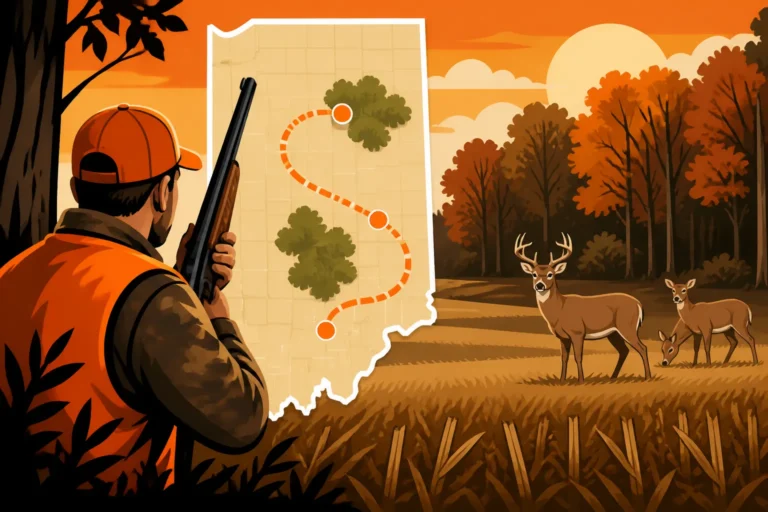
There's a unique anticipation that builds in Indiana every autumn, a shift in the air that signals the arrival of deer season. But for many, the firearms season holds a special place, often representing the best chance to put venison in the freezer or tag that elusive buck. However, navigating the rules, understanding the best strategies, and making the most of those precious weeks can feel overwhelming, especially with recent changes to rifle regulations. This comprehensive guide is designed to cut through the confusion, offering seasoned advice and practical tips to help you make your Indiana firearms deer season a resounding success.
Understanding Indiana's Firearms Deer Season Structure
The Indiana firearms deer season is arguably the most popular and impactful hunting period in the state, drawing tens of thousands of hunters to fields and forests. It's a high-stakes, high-reward window that requires a solid grasp of the regulations to ensure a safe, legal, and ultimately successful hunt.
When the Season Kicks Off and How Long It Runs
Typically, Indiana's firearms season is a two-week affair, usually kicking off the Saturday before Thanksgiving and running through the first Sunday of December. This timeframe often coincides perfectly with the tail end of the whitetail rut, adding an extra layer of excitement and opportunity for hunters. Knowing these Indiana Firearms Season Dates down to the day is crucial for planning your vacation time, scouting trips, and equipment preparation. For many Hoosier families, this season isn't just about hunting; it's a cherished tradition, a time for friends and family to gather, share stories, and make memories in the crisp autumn woods.
The relatively short duration means you need to be strategic with your time afield. Unlike the extended archery season, every day of firearms season counts, especially the opening weekend when deer movement can be at its most predictable, albeit with higher hunter pressure. Later in the season, after the initial flurry, deer often become more reclusive, demanding different tactics and a deeper understanding of their post-rut patterns. Weather can also play a huge role, transforming a mild autumn hunt into a challenging cold-weather sit, so being prepared for anything is key.
Antlered vs. Antlerless Tags During Firearms Season
During the firearms season, hunters typically have options for both antlered and antlerless deer, often through a combination of statewide and county-specific tags. Your resident or nonresident deer bundle usually includes at least one antlered deer tag and potentially an antlerless tag, but understanding the nuances is vital. An antlered deer is generally defined as having at least one antler three inches or longer, while an antlerless deer is, well, any deer without antlers, typically a doe or a fawn.
The availability of additional antlerless tags can vary greatly by county, especially in areas with high deer populations or those designated as deer reduction zones. These additional tags are often critical for managing the herd and for hunters looking to fill their freezers. Always check the current Indiana hunting regulations for specific county-by-county limits before heading out. Don't just assume what worked last year will work this year; wildlife management goals can shift, leading to changes in bag limits and tag requirements. Knowing these details upfront can prevent a costly mistake or missed opportunity.
The Role of Deer Reduction Zones
Deer reduction zones are specific areas, usually around urban or suburban centers, where deer populations are particularly high and present risks to vehicle traffic, agriculture, or human safety. In these zones, the Indiana Department of Natural Resources (DNR) implements more liberal bag limits to encourage greater harvest and bring deer numbers down to more manageable levels. For hunters, this means an increased opportunity to harvest additional antlerless deer, often with special permits or more flexible regulations.
Hunting in a reduction zone can be a completely different experience than hunting deep in the Hoosier National Forest. You might find yourself hunting smaller woodlots surrounded by suburban developments, or working with landowners who are eager to have deer removed from their property. Understanding Where Indiana's Deer Reduction Zones Are Located is critical if you plan to hunt these areas. It often requires specific tactics, like using ground blinds or still-hunting through dense cover, to adapt to the fragmented habitat and proximity to human activity. These zones are a fantastic opportunity for hunters who want to contribute to conservation efforts while also filling their freezer with venison.
Legal Firearms and Ammunition for the Season
Indiana's firearms regulations for deer hunting have seen some significant shifts in recent years, most notably with the expansion of legal rifle cartridges. This change has opened up a world of new options for hunters, but it's essential to understand what's allowed and what's not, ensuring you're compliant and safe in the field.
Embracing Indiana's New Statewide Rifle Rules
For years, Indiana deer hunters were largely restricted to shotguns, muzzleloaders, handguns, and straight-wall cartridge rifles. This created a bit of a unique hunting culture, with many hunters pouring money into highly accurate slug guns or specialized straight-wall calibers like the .450 Bushmaster or .350 Legend. However, a major legislative change now allows hunters to use most common rifle calibers, essentially removing the straight-wall cartridge restriction statewide. This is huge! It means you can now legally hunt deer with popular cartridges like .308 Winchester, .270 Winchester, 6.5 Creedmoor, and many others that were previously off-limits.
This change means that the article on Indiana's New Statewide Rifle Rules is more relevant than ever. For hunters who've always wanted to use their tried-and-true deer rifle from other states, this is a game-changer. It offers greater flexibility, increased effective range, and often superior ballistic performance, especially for those longer shots across a field edge or through more open timber. This doesn't mean you have to ditch your trusty slug gun, but it certainly opens up a broader conversation about what constitutes the "best" deer rifle for Indiana. It's an exciting time to be an Indiana deer hunter, with more choices than ever before.
Traditional Shotguns and Muzzleloaders Still Have Their Place
Even with the new statewide rifle rules, traditional firearms like shotguns and muzzleloaders are far from obsolete in Indiana. In fact, for many hunters, they remain the preferred choice, especially given their effectiveness in the varied terrain and cover found across the state. Shotguns firing slugs are incredibly potent at typical Indiana timber ranges, often providing more than enough power and accuracy for shots out to 100-150 yards. Plus, many hunters already own a slug gun, making it a cost-effective option.
Muzzleloaders, too, hold a special place. They not only offer a thrilling, primitive hunting experience but also extend the firearms season into December, providing a fantastic late-season opportunity. Hunting the Indiana Muzzleloader Season Tactics requires a different skillset, focusing on stealth, shot placement, and often dealing with colder weather conditions. Many hunters appreciate the simplicity and challenge of a muzzleloader hunt, and modern inline muzzleloaders are remarkably accurate and powerful. So, while the new rifle rules are exciting, don't overlook the enduring effectiveness and charm of shotguns and muzzleloaders; they still absolutely belong in your Indiana deer hunting arsenal.
Ammunition Considerations and Local Availability
With the expanded legal firearms options, your ammunition choices have also broadened considerably. Whether you're shooting a traditional shotgun, a modern rifle, or a muzzleloader, selecting the right ammunition is paramount for ethical and effective hunting. For shotguns, quality sabot slugs or rifled slugs (depending on your barrel) are essential. For rifles, choose a bullet designed for deer hunting, prioritizing controlled expansion and good weight retention to ensure a clean kill. Hollow points or soft points are typically excellent choices, as they expand reliably without fragmenting excessively.
It’s also important to consider local availability. While major retailers usually stock a good range, specialized calibers or specific bullet types might be harder to find, especially right before opening day. I always recommend buying your ammunition well in advance, giving you plenty of time to sight in your chosen firearm and practice at the range. Don't wait until the last minute! With the rise in popularity of various calibers, sometimes even common rounds can become scarce. Using resources like the GoHunt app or website can sometimes help you find local suppliers or larger stores that might have what you need in stock.
Key Dates, Timing, and Hunting Strategies
The firearms season in Indiana is a whirlwind, often encompassing both the tail end of the rut and the beginning of the post-rut scramble for food. Understanding these dynamics and tailoring your strategies to the specific timing is crucial for consistent success.
Opening Weekend Tactics for Firearms Season
Opening weekend of firearms season in Indiana is a unique beast. You'll encounter the highest hunter pressure of the entire season, especially on public lands. This can be both a blessing and a curse. While more hunters moving through the woods can push deer around, potentially presenting shot opportunities, it also means deer are quickly put on high alert. To succeed during this intense period, aggressive yet smart tactics are often required. One common strategy is to get deep into public land, farther than most other hunters are willing to walk, where deer might seek refuge. Another effective approach is to hunt bottlenecks, funnels, or thick cover where deer are likely to be pushed through as other hunters stir things up.
For a deeper dive into making the most of those first few days, you should really check out our guide on Opening Weekend Tactics for Firearms Season. It covers everything from finding overlooked pockets of cover to understanding how hunter movement impacts deer behavior. Don't forget that deer drives can be incredibly effective on opening weekend, especially with a group of friends or family. By strategically posting standers and having drivers move through key bedding areas, you can often push deer right into shooting lanes. This social aspect, combined with the strategic advantage, makes drives a popular choice for many Hoosier hunters.
Hunting the Rut in Early November
The firearms season often overlaps perfectly with the peak of the whitetail rut in Indiana, especially in early November. This is a magical time to be in the woods, as bucks are actively seeking does, often throwing caution to the wind. If you're hunting during this period, your strategy should revolve around this heightened deer activity. Focus on travel corridors, pinch points, and areas where bucks are likely to cruise in search of receptive does. Think about ridges, saddles, and creek bottoms that connect larger tracts of timber or food sources.
Our detailed article on Hunting the Rut in Early November offers a wealth of information to help you capitalize on this prime time. Consider using rattling and grunting calls to simulate a buck fight or a tending grunt, which can often bring a curious or territorial buck right into range. Setting up near scrape lines or rub lines can also be effective, as these are signposts left by bucks advertising their presence. The key is to be patient, stay on stand as long as possible, and be ready for anything, because a mature buck can appear out of nowhere at any moment during the rut.
Late-Season Firearms Opportunities and Food Sources
As the firearms season progresses into late November and early December, especially after the main rut has wound down and hunter pressure has diminished, deer behavior shifts dramatically. Their primary focus turns from breeding to survival and replenishing energy reserves. This means food sources become king. Identifying key late-season food sources is paramount for success during this period. Think about standing corn or soybean fields that haven't been harvested yet, oak flats still dropping acorns, or brassica food plots planted specifically for winter forage.
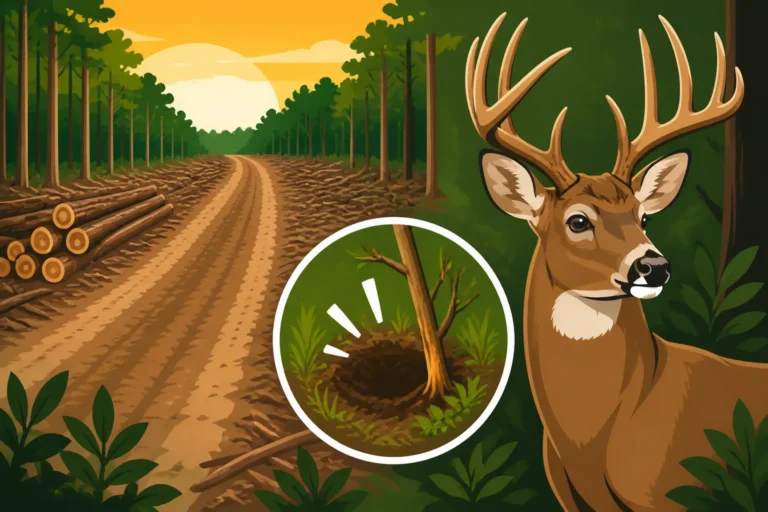
Deer will often bed close to these food sources and move to them predictably during the last hour or two of daylight. You might also find deer congregating in thick thermal cover, like cedar thickets or dense regenerating clear-cuts, especially during cold snaps. Patience is key, as deer movement can be more subtle and concentrated during these colder, post-rut weeks. Our guide on Late-Season Food Sources for Indiana Whitetails offers invaluable insights into what deer are eating and where to find them when the temperatures drop. This is a fantastic time to fill additional antlerless tags or to target a mature buck that has become more nocturnal during the rut.
| Season Period | Deer Behavior Focus | Recommended Tactics | Key Locations |
|---|---|---|---|
| Opening Weekend | Reacting to hunter pressure, residual rut | Get deep, hunt funnels, deer drives | Thick cover, escape routes, travel corridors |
| Early November | Rutting activity (seeking, chasing) | Call aggressively, hunt travel corridors, pinch points | Ridge tops, saddles, creek bottoms, scrape lines |
| Late November/Early Dec | Post-rut recovery, seeking food & thermal cover | Focus on primary food sources, thermal cover | Standing crops, food plots, cedar thickets |
Navigating Public and Private Land During Firearms Season
Indiana offers a mix of public and private land hunting opportunities, each with its own set of advantages and challenges during firearms season. Understanding how to approach both is essential for a well-rounded hunting plan.
Strategies for Hunting Indiana Public Land
Indiana boasts a decent amount of public hunting land, from expansive properties like the Hoosier National Forest to numerous State Forests and Fish and Wildlife Areas (FWAs). However, "public" often translates to "pressured," especially during the firearms season. The key to success on public land is often to go where others aren't willing to go. This might mean hiking deeper, traversing rougher terrain, or finding overlooked pockets of cover that most hunters pass by. Scouting before the season is absolutely critical for public land success. Utilize tools like the GoHunt app or other mapping software to identify potential bedding areas, travel corridors, and remote food sources.
For those willing to put in the effort, places like the Hoosier National Forest offer vast tracts of land, but success often hinges on Scouting Indiana Public Land Before Season to understand deer movement patterns in these big woods. Also consider areas adjacent to private land that may push deer onto public ground. Hunting during the week can significantly reduce pressure compared to weekends. Don't be afraid to think outside the box; look for small, isolated public parcels that might go unnoticed or areas with difficult access that deter casual hunters. These often hold pockets of undisturbed deer.
Securing Private Land Access and Building Relationships
While public land offers open access, private land often holds less pressured deer and offers more control over your hunting experience. However, gaining permission to hunt private land requires effort, respect, and often building strong relationships with landowners. The best approach is to start early, well before the season. Knock on doors, introduce yourself, and offer to help with chores around the property, such as fixing fences, clearing brush, or even just sharing some of your harvested venison. This kind of goodwill can go a long way.
When you do gain permission, always be a model hunter: respect boundaries, drive slowly, clean up after yourself, and be exceedingly polite. Remember, you're a guest. Understanding Asking an Indiana Farmer for Permission details the best ways to approach landowners and build that trust. Many farmers are dealing with deer damage to crops and are often receptive to responsible hunters who can help manage the deer population. If you prove yourself trustworthy and helpful, you might just secure a hunting spot for years to come, which can be invaluable during the busy firearms season.
Understanding Hunting Pressure and Finding Seclusion
Hunting pressure is an unavoidable reality, especially during the firearms season. Deer quickly learn to adapt to human presence, becoming more nocturnal or seeking refuge in the thickest, most impenetrable cover they can find. Recognizing the signs of heavy pressure—numerous truck parked along forest roads, beaten-down trails leading into popular spots, or even just hearing frequent shots—is important. When you encounter high pressure, it's often best to adjust your strategy.
Instead of fighting the crowds, try to find seclusion. This might mean pushing deeper into public land than anyone else, as mentioned, or targeting smaller, overlooked private parcels. Deer often find sanctuary in unexpected places: small brushy creek bottoms, steep ravines, unkempt fencerows, or dense clear-cuts that are too thick for most hunters to navigate comfortably. These are often the places where a mature buck will spend daylight hours during intense hunting pressure. Pay attention to wind direction, thermals, and deer bedding habits. By understanding how deer react to pressure, you can anticipate their movements and position yourself for success in areas others overlook.
Post-Harvest Responsibilities and CWD Considerations
Harvesting a deer is only half the battle. What you do after the shot is equally, if not more, important, encompassing everything from proper reporting to understanding disease risks like Chronic Wasting Disease (CWD).
Mandatory Deer Reporting Requirements
In Indiana, it is legally required to report every deer you harvest. This isn't just a suggestion; it's a critical part of the state's wildlife management program. Reporting helps the Indiana DNR accurately track deer populations, monitor harvest trends, and make informed decisions about future hunting regulations. The good news is that reporting is easier than ever. You can do it online through the Indiana DNR's website, or even more conveniently, through the "Go Outdoors Indiana" mobile app on your smartphone.
You'll need to report your deer within 48 hours of harvest. Be ready with information such as the county of harvest, the type of deer (antlered, antlerless), the method of harvest (firearms, archery, muzzleloader), and your license details. Failing to report a deer can result in fines and legal penalties, so always make it a priority. It's a small but significant responsibility that every ethical hunter should embrace, contributing directly to the health of Indiana's deer herd.
Dealing with Indiana's CWD Positive Area
Chronic Wasting Disease (CWD) is a serious, fatal neurological disease affecting deer and other cervids. It has been detected in Indiana, primarily in a designated "CWD Positive Area" in the northeastern part of the state, including counties like LaGrange, Steuben, and Noble. If you hunt in this area, you have additional responsibilities and restrictions to be aware of. The Indiana DNR implements enhanced surveillance and mandatory testing of deer harvested within this zone. This testing is crucial for monitoring the spread and prevalence of the disease.
If you harvest a deer in the CWD Positive Area, you may be required to submit a sample for testing. Mandatory Testing Inside Indiana's Positive Area is a critical step in containing the disease. Additionally, there are strict carcass movement restrictions; you cannot transport certain parts of a deer harvested in the CWD Positive Area out of that zone, except for specific cuts of meat, cleaned skull plates, or taxidermy-ready hides. It's vital to stay informed on the latest DNR guidelines, as these can change. While the risk to humans is considered low, the long-term health of the deer herd depends on hunters' cooperation in managing CWD.
Proper Field Dressing and Meat Care
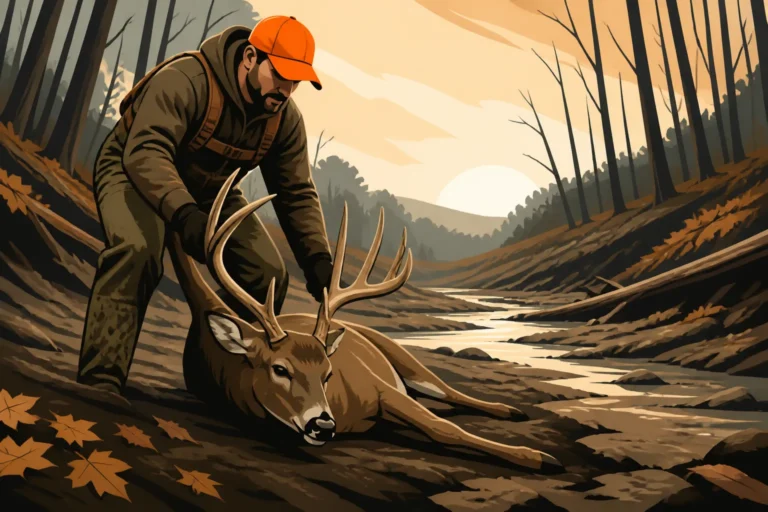
After a successful harvest, proper field dressing and meat care are essential to ensure the venison is high-quality and safe for consumption. The goal is to cool the carcass as quickly as possible, especially during warmer early-season hunts, to prevent bacterial growth. Begin by field dressing immediately: remove all internal organs, taking care not to puncture the stomach or intestines. If you're unsure about the process, there are many excellent online tutorials that can walk you through it step-by-step.
Once field dressed, wipe out the cavity with paper towels or clean cloths to remove any excess blood or debris. Avoid rinsing with water unless you can completely dry the cavity afterwards, as moisture can promote bacterial growth. If temperatures are warm, prop the cavity open with sticks and consider packing it with bags of ice for transport. For longer hauls or more challenging terrain, especially out of a river bottom or deep woods, a deer cart or sled can be invaluable. Getting the deer skinned and quartered, or to a reputable processor, as soon as possible after harvest will ensure the best possible table fare.
Safety First: Essential Practices for Firearms Hunters
Hunting is an inherently safe activity when proper precautions are taken, but the use of firearms demands an unwavering commitment to safety. Every hunter has a responsibility to themselves, their hunting partners, and the public to handle firearms responsibly and follow all safety protocols.
Adhering to Blaze Orange Requirements
One of the most critical safety requirements for firearms hunters in Indiana is wearing blaze orange. This highly visible color dramatically reduces the risk of accidental shootings by making hunters easily identifiable to one another. During the firearms deer season, all hunters, including archery hunters, must wear outer garments of solid hunter orange, consisting of a vest, coat, jacket, coveralls, or hat. This orange must be visible from 360 degrees. There are minimum square inch requirements, so a small patch isn't enough.
For the exact details on How Much Blaze Orange Indiana Requires, always consult the current Indiana Hunting & Trapping Guide. It's not just a rule; it's a life-saving measure. Never take shortcuts with blaze orange. Even if you're on private land or think you're alone, wear it. It's a small inconvenience that can prevent a tragic accident, ensuring everyone goes home safely after a day in the woods. Modern blaze orange clothing is often lightweight, quiet, and integrated into comfortable hunting gear, so there's no excuse not to wear it.
Firearm Handling and Range Safety in the Field
The rules of firearm safety are non-negotiable, whether you're at the shooting range or deep in the woods. Always treat every firearm as if it's loaded. Keep the muzzle pointed in a safe direction at all times, never pointing it at anything you're not willing to destroy. Keep your finger off the trigger until your sights are on the target and you're ready to shoot. And always be sure of your target and what is beyond it. This last point is especially critical in Indiana, where fragmented woodlots, suburban development, and rolling terrain mean you might have homes or roads beyond your intended target.
When moving through the woods, keep your firearm unloaded or, at the very least, the action open, until you are in your stand or a designated hunting position. When crossing obstacles like fences or climbing into a treestand, always unload your firearm first. Never use alcohol or drugs before or during hunting. These fundamental rules, often taught in hunter education courses, are the bedrock of safe hunting. They are not suggestions; they are commands that every firearms hunter must adhere to without exception.
Navigating Treestand and Ground Blind Safety
Treestands and ground blinds offer distinct advantages for deer hunting, but they also come with their own safety considerations. Falls from treestands are a leading cause of serious injury and death for hunters. Always use a full-body harness, and remain connected to the tree from the moment your feet leave the ground until they return. Inspect your stand, straps, and ropes thoroughly before each use, checking for wear, damage, or degradation from weather. Never use an old, rusted, or damaged stand.
When using a ground blind, ensure it's securely anchored, especially if hunting in windy conditions, and that shooting lanes are clear. Be mindful of visibility; while ground blinds conceal you, they can also make you less visible to other hunters, reinforcing the need for blaze orange outside your blind when walking to and from it. Always tell someone where you are hunting and when you expect to return. Carry a cell phone, a first-aid kit, and essential survival items, especially if hunting in remote areas like the Hoosier National Forest. Being prepared for an emergency is just as important as preparing for the hunt itself.
Maximizing Your Success in Different Indiana Regions
Indiana's landscape is surprisingly diverse, ranging from the rugged, forested hills of the south to the flat, agricultural plains of the north. Understanding these regional differences and adapting your hunting approach accordingly is key to consistent success during the firearms season.
Hunting Southern Indiana Hill Country
Southern Indiana's topography is characterized by rolling hills, steep ridges, and deep hollows, particularly within the Hoosier National Forest and various State Forests. Deer densities here might not be as high as in the agricultural north, but these big woods often hold older, larger-bodied bucks that are more challenging to hunt. Success in this region hinges on understanding how deer use the terrain. Focus on ridge-top saddles, benches along hillsides, and creek bottoms that serve as natural travel corridors or funnels. Thermal currents also play a huge role in deer movement, especially in the mornings and evenings.
Scouting is paramount here; look for sign like fresh rubs and scrapes, but also pay close attention to topography and vegetation changes. Our guide on Hunting Southern Indiana Hill Country goes into great detail about reading the landscape and anticipating deer movement. Long walks are often necessary, and packing light, mobile treestand setups or employing still-hunting techniques can be highly effective. Don't be afraid to put in the miles, because the rewards of tagging a mature hill country buck are truly special.
Hunting Northern Indiana Farmland Deer
Northern Indiana, especially the central and northeastern parts of the state, is dominated by vast agricultural fields interspersed with woodlots, fencerows, and wetland areas. Deer populations here are often higher due to abundant food sources like corn and soybeans. However, hunting these areas presents different challenges. Deer often bed in thick cover adjacent to fields and only move into the open fields during low-light hours. Access to private land is often key, as large public tracts are less common.
Focus your efforts on transition areas: field edges, pinch points between woodlots, and fencerows that deer use for cover when moving between bedding and feeding areas. Our article on Hunting Northern Indiana Farmland Deer offers specific strategies for these landscapes. Setting up a ground blind along a field edge, especially near a standing cornfield or a cut beanfield, can be highly effective. Pay attention to wind direction, as deer will often scent-check open areas before entering them. Don't underestimate the small, overlooked woodlots; they can hold surprisingly large numbers of deer seeking refuge from pressure.
River Bottom Funnels and Bottomland Hardwoods
Throughout Indiana, major rivers like the Wabash, White, and Kankakee, along with their numerous tributaries, create extensive river bottom ecosystems. These bottomland hardwood forests, often prone to flooding, are incredibly rich habitats for deer. The dense cover, diverse food sources (like acorns from oaks and pecans), and natural travel corridors make river bottoms prime hunting ground during the firearms season. Deer will often use the elevated banks of the river or tributary creeks as natural funnels, especially during high water.
Understanding Hunting Indiana River Bottom Funnels is key. Look for areas where dense cover transitions to more open timber, or where a narrow strip of woods parallels a river or field. These funnels concentrate deer movement, making them ideal places for a treestand setup. While hunting these areas, be mindful of water levels and the potential for changing conditions. Rubber boots or waders are often indispensable. The rich soil and ample cover make these areas consistently productive, offering a fantastic opportunity to intercept deer moving between bedding and feeding areas, or bucks cruising for does.
Common Challenges and Troubleshooting in the Field
Even the most experienced Indiana deer hunters encounter unexpected challenges. From crowded public lands to unpredictable weather, being prepared to troubleshoot common issues can often turn a potentially frustrating day into a successful one.
Dealing with Crowds on Opening Weekend
As mentioned, opening weekend of firearms season can feel like a festival of blaze orange in some areas. The sheer number of hunters can be daunting, and the increased human activity can push deer into hiding or make them entirely nocturnal. One of the best ways to deal with crowds is to go where others won't. This often means walking farther than most, penetrating deep into large public tracts. Look for areas with difficult access points – a steep ravine, a creek crossing, or a thick briar patch – that deter the average hunter. These sanctuaries often hold deer that have been bumped from more accessible areas.
Another strategy is to identify specific deer drives on Indiana public land. If a group of hunters is planning a drive, sometimes it's best to either participate or move to a completely different area. Sitting on the perimeter of an area where others are driving can sometimes pay off, as deer are pushed out. Alternatively, consider hunting smaller, less obvious parcels of public land that might be overlooked, or seeking private land permission in less-populated regions. The key is to be adaptable and persistent; don't let the crowds discourage you, but rather use their movements to your advantage.
Tracking a Deer in Fresh Indiana Snow
A fresh blanket of snow can be both a blessing and a curse for a deer hunter. On one hand, it can make tracking a wounded deer much easier, and fresh sign becomes incredibly apparent. On the other hand, a sudden snowfall can make for a bone-chilling sit and might alter deer movement patterns. If you've made a shot and believe the deer is hit, tracking immediately, especially in snow, is crucial. Look for blood, broken branches, disturbed leaves, and the distinct drag marks of a wounded animal. Pay close attention to the nature of the blood: bright red and frothy often indicates a lung hit, while dark, thick blood might suggest a liver or gut shot.
For comprehensive guidance, our article on Tracking a Deer in Fresh Indiana Snow offers invaluable tips. If the blood trail peters out, don't just wander aimlessly. Grid search the area, expanding your search perimeter, and look for any sign of a trail. If night is approaching or temperatures are rising, consider backing out and returning in the morning if the shot wasn't immediately fatal. Always give a deer enough time if you suspect a gut shot; a minimum of 4-6 hours, or even overnight if conditions allow, will often lead to a successful recovery. A good headlamp and a tracking partner are invaluable tools in these situations.
Adapting to Changing Weather Conditions
Indiana weather during the firearms season is notoriously unpredictable. One day can be mild and sunny, the next can bring frigid temperatures, driving rain, or even heavy snow. Being prepared for anything is not just about comfort; it's about safety and success. Cold, wet conditions can quickly lead to hypothermia, making appropriate layering crucial. Wool or synthetic base layers that wick moisture away from your skin are far superior to cotton. Waterproof outer layers are a must for rain or wet snow. Insulated, waterproof boots will keep your feet warm and dry, which is paramount for long sits.
Deer behavior is also heavily influenced by weather. During cold fronts, especially those following a period of warm weather, deer often become much more active, feeding heavily before and after the front. High winds can make deer skittish and reduce their movement, making it harder to hear them approach. Heavy rain can wash away scent, but sometimes deer move during light rain. Sunny days after a cold snap can bring deer out into the open to bask. By observing the weather patterns and adjusting your clothing and hunting strategy accordingly, you can significantly increase your odds of success. Always have extra gear in your vehicle, just in case the weather takes an unexpected turn.
Disclaimer
Hunting is an activity that carries inherent risks. The information provided in this guide is for informational purposes only and should not be considered a substitute for professional instruction, adherence to all applicable laws and regulations, or sound judgment in the field. Always prioritize safety, respect wildlife, and know your local hunting laws.