Sugar Ridge FWA Deer Reduction Zone Rules
Navigating the ever-changing landscape of Indiana deer hunting regulations can feel like a full-time job, especially when you venture into special areas like our state's Fish and Wildlife Areas. One common point of confusion revolves around deer reduction zones, and specifically, what that means for hunters heading to places like Sugar Ridge Fish and Wildlife Area. This guide aims to demystify the rules for hunting deer within the Sugar Ridge FWA Deer Reduction Zone, helping you understand the unique opportunities and responsibilities that come with it.
Understanding Indiana Deer Reduction Zones and Their Purpose
Let's be honest, deciphering hunting regulations can sometimes feel like reading ancient hieroglyphs. But understanding why certain rules exist, especially for a deer reduction zone, makes them a lot easier to follow and appreciate. Deer reduction zones in Indiana are exactly what they sound like: specific areas where the Indiana Department of Natural Resources (DNR) wants to encourage a higher harvest of deer, primarily antlerless deer, to manage local populations.
Why Reduction Zones Exist
The idea behind reduction zones isn't to make hunting harder; it's quite the opposite. These zones are typically established in areas where deer populations have grown to a point where they are causing significant issues. This could be extensive agricultural damage, increased deer-vehicle collisions on local roads, or even habitat degradation within the area itself. The goal is to bring the deer population down to a more sustainable level that benefits both wildlife and local communities. For a hunter, this often translates to more liberal bag limits and a longer season for antlerless deer, providing excellent opportunities to fill your freezer and contribute directly to wildlife management efforts. It's a win-win, really: you get to hunt more, and you're actively helping the ecosystem.
Sugar Ridge FWA: A Prime Example
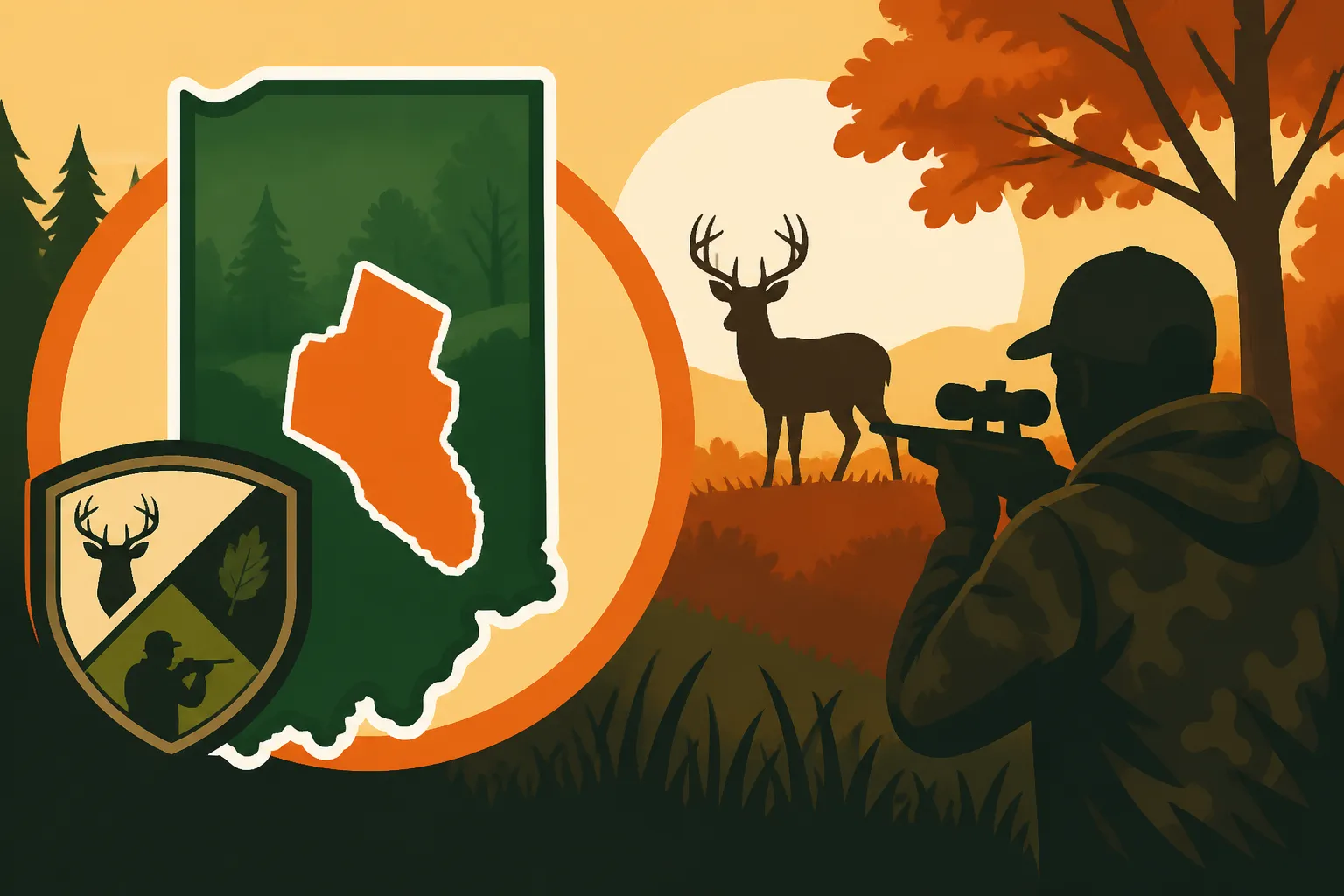
Sugar Ridge Fish and Wildlife Area, nestled in Greene County, is a fantastic example of a location that often falls under these reduction zone guidelines. This particular FWA, with its diverse landscape of reclaimed strip mines, forests, and wetlands, has the capacity to support a robust deer herd. However, unchecked growth could lead to many of the issues mentioned above. Therefore, managing the deer population through a reduction zone status helps maintain ecological balance and prevents overbrowsing of sensitive habitats. When you hunt at Sugar Ridge, you're not just pursuing game; you're participating in a crucial conservation strategy. It's a unique chance to experience some of Public Hunting Land in Indiana that offers both challenge and reward, and it helps ensure the long-term health of the deer herd and its environment.
Specific Hunting Regulations at Sugar Ridge FWA
Alright, let's get down to the nitty-gritty of what you need to know before you head to Sugar Ridge. Hunting in a reduction zone, especially at an FWA, comes with some specific parameters that differ from statewide regulations. It's vital to be aware of these so your hunt is both legal and successful.
Unique Bag Limits and Tagging Requirements
The most significant difference you'll encounter in a deer reduction zone like Sugar Ridge FWA is the enhanced opportunity to harvest antlerless deer. Typically, in these zones, after you've legally taken a buck using your deer license, you can then purchase and use additional "bonus antlerless" tags, often at a reduced cost. This means you have the chance to harvest multiple antlerless deer, which is fantastic for filling the freezer! Always check the current Indiana hunting guide for the exact number of bonus tags permitted and their validity. It's not uncommon for hunters to be allowed to take several antlerless deer within a reduction zone, which is a major draw for those looking to stock up on venison. Remember, each harvested deer must be legally tagged immediately and reported within 48 hours. Using the Indiana DNR App to report your harvest right from the field is usually the easiest way to ensure compliance with Indiana Deer Reporting Requirements.
Permitted Hunting Methods and Seasons
Sugar Ridge FWA generally follows the statewide seasons for archery, firearms, and muzzleloader hunting, but the reduction zone status often extends the opportunity to hunt antlerless deer through specific periods. For example, the archery season might run longer for antlerless deer within a reduction zone, or there might be special firearms dates. It’s crucial to consult the official Indiana hunting guide every year because these dates can shift slightly. While the new statewide rifle rules have expanded options for many Hoosier hunters, always confirm if any specific restrictions or special allowances apply to firearms use within the FWA boundaries, as some areas may have unique safety considerations or management objectives.
Here's a simplified comparison of typical statewide vs. reduction zone considerations:
| Feature | Typical Statewide Deer Season | Sugar Ridge FWA (Reduction Zone Status) |
|---|---|---|
| Antlered Deer Limit | One antlered deer per hunter (statewide license) | One antlered deer per hunter (statewide license) |
| Antlerless Deer Limit | Varies by county, often 1-2 with specific licenses | Multiple bonus antlerless tags usually available; higher bag limit |
| Archery Season | Standard statewide dates (e.g., Oct 1 – early Jan) | Often extended or expanded antlerless opportunities within these dates |
| Firearms Season | Standard statewide dates (e.g., Nov) | Standard statewide dates, but bonus antlerless tags apply |
| Muzzleloader Season | Standard statewide dates (e.g., Dec) | Standard statewide dates, but bonus antlerless tags apply |
| Youth Season | Special youth weekend applies | Youth weekend applies, typically with reduction zone benefits |
| Tagging | Immediate field tag, report within 48 hours | Immediate field tag, report within 48 hours |
| Purpose | Recreational harvest, population stability | Increased harvest to reduce overpopulation, mitigate damage |
It is always, always best to check the current Indiana hunting guide for the specific season dates and bag limits for Sugar Ridge FWA before you head out. These can be found on the Indiana DNR's website, and many hunters also like to use apps like GoHunt to keep up-to-date with current regulations.
Navigating Sugar Ridge FWA for Reduction Zone Hunting
Sugar Ridge FWA is a sprawling property, and successfully hunting it, especially with reduction zone goals in mind, requires some thoughtful planning. Knowing the lay of the land, how to access it, and what tools can help you navigate can make all the difference.
Scouting and Public Access Points
Before opening day, or any hunting day really, scouting is paramount. Sugar Ridge's terrain, influenced by its history as a reclaimed strip mine, can be rugged and challenging. You'll find a mix of dense brush, reforested areas, and open fields, often with significant elevation changes. Understanding where the deer are bedding, feeding, and traveling will be key to success. Look for natural funnels, pinch points, and areas with fresh browse or scrapes, particularly in the fall.
Utilizing modern mapping tools like onX Hunt can be incredibly beneficial here. With an onX Hunt subscription, you can download maps of Sugar Ridge FWA to your phone, allowing you to view property boundaries, topography, and even identify potential bedding thickets or travel corridors, all without cell service. This is particularly valuable in a large FWA where trails might not always be clearly marked. You can also mark potential stand locations, note deer sign, and track your movements. Remember that all public hunting lands, including FWAs, often require a sign-in process, either electronically or at a designated check station. Familiarize yourself with the Indiana Property Access Sign-In Process for Sugar Ridge before you go.
Understanding Terrain and Deer Behavior
The diverse landscape of Sugar Ridge means deer behavior can vary widely. In the thicker, brushy areas of reclaimed land, deer might hold tight, relying on cover. In more open timbered sections, they might move more freely. Knowing where to expect deer based on the habitat and time of day is crucial. Given the reduction zone status, deer may be more pressured, especially during the firearms season. This often means they become more nocturnal or seek out the densest, hardest-to-reach cover. Patience and persistence are your best allies.
When you're out there, pay attention to the little details. Are the deer feeding on specific mast crops? Are they using creek bottoms as travel corridors? Reading Indiana Mud for Fresh Deer Movement can tell you a lot about recent activity. During the late season, when the reduction zone might still be open, focus on finding Late-Season Food Sources for Indiana Whitetails like standing crops on adjacent private land (if you have permission to hunt nearby), or any remaining hard mast that hasn't been completely consumed.
Tips for a Successful Hunt in a Reduction Zone
Hunting a deer reduction zone isn't just about bagging more deer; it's about being an ethical, responsible, and effective hunter. These zones provide unique challenges and opportunities that can hone your skills.
Ethical Considerations and Shot Placement
With the emphasis on increased harvest in reduction zones, the importance of ethical shot placement cannot be overstated. When aiming for an antlerless deer, always strive for a clean, quick kill. This means taking shots only when you are confident in your ability to make a lethal hit, usually through the vitals (heart and lungs). It's easy to get caught up in the excitement of potentially filling multiple tags, but responsible hunting practices are paramount. A wounded deer is a wasted deer, and it's our duty as hunters to minimize suffering. Take your time, confirm your target, and know your effective range for your chosen weapon.
Planning for Harvest and Game Care
If you're planning to take multiple deer, especially during warmer early archery days or late season cold snaps, you need a solid plan for game care. A single deer can be a lot of work; two or three require even more. Think about how you'll field dress the animals, transport them out of the often rugged terrain of Sugar Ridge, and process the meat. Having a deer cart or sled can be a lifesaver for dragging deer out of deep woods. Field Dressing a Deer in Cold Weather presents different challenges than warmer days, so be prepared for all conditions. Make sure you have enough coolers with ice, or access to a butcher or cold storage, if you're planning a multi-deer harvest over a couple of days. Being prepared ensures that all that hard-earned venison makes it to your freezer in prime condition. Using tools like GoHunt to research FWA-specific regulations or even find local processors could save you a headache after a successful hunt.
Respecting Boundaries and Other Hunters
Even with modern mapping tools like onX Hunt, it’s vital to be acutely aware of property lines, especially if Sugar Ridge FWA borders private land. Always confirm you are on public land if you don't have explicit permission for private property. Remember, reduction zones are designed for increased harvest, which sometimes means more hunters might be in the woods. Always practice common courtesy and safety. Give other hunters space, especially if you see their vehicle or notice their stand. A little respect goes a long way in ensuring everyone has a positive and safe experience in our shared wild spaces. Planning your approach routes carefully, perhaps by consulting Reading Aerial Photos for Southern Indiana Deer, can help you find less pressured areas and avoid inadvertently crowding another hunter.
Conclusion
Hunting in the Sugar Ridge FWA Deer Reduction Zone offers fantastic opportunities for Indiana hunters, allowing you to contribute to vital wildlife management efforts while bringing home plenty of venison. By understanding the specific regulations, planning your scouting and access, and practicing ethical hunting, you can have a truly rewarding experience. Always double-check the current Indiana DNR hunting guide for the latest information before you head afield, and embrace the challenge and satisfaction of hunting these unique areas.
Disclaimer
This article is for general informational purposes only and does not constitute professional advice. Laws, prices and regulations vary by location and change over time. Consult a qualified professional for guidance on your specific situation.