Public Ground Near Muncie
It can feel incredibly daunting, can't it? You're living in or near Muncie, you've got that hunting itch, but when you look around, all you seem to see are endless corn and bean fields, suburban developments, or "No Trespassing" signs. Finding accessible public hunting ground that actually holds game, let alone offers a decent experience, often feels like searching for a needle in a very agricultural haystack. This guide is here to cut through that frustration, helping you uncover viable public hunting options within a reasonable drive of Muncie and equip you with the knowledge to make the most of them.
The Unique Challenge of Hunting Public Land Near Muncie
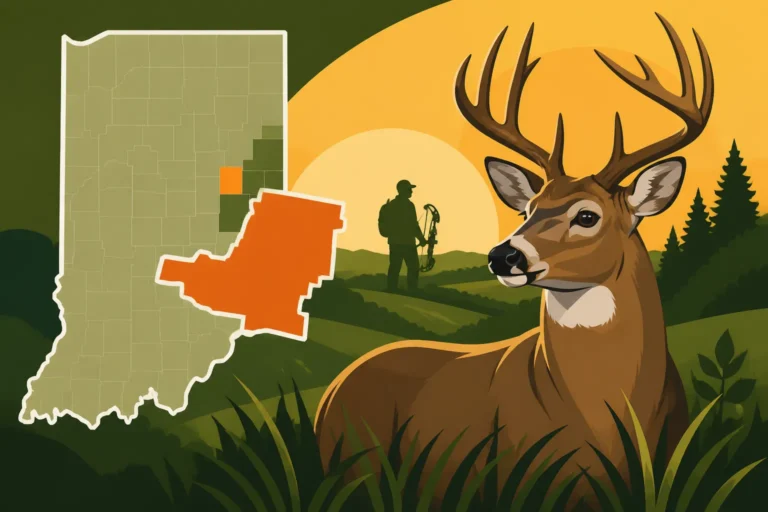
Let's be real, Muncie isn't exactly nestled in the heart of vast, sprawling wilderness. East Central Indiana is characterized by its rich agricultural heritage, which means much of the landscape is dominated by private farmland. While this certainly supports a robust deer population, gaining access can be tough, often requiring long-standing relationships or expensive leases. For the everyday hunter without those connections, public land becomes the primary avenue, and near Muncie, that public land can feel sparse.
The terrain around Muncie is generally flat to gently rolling, a stark contrast to the rugged hills of Southern Indiana. This means different habitat types and different hunting strategies. You're less likely to find massive timber blocks and more likely to encounter smaller woodlots, river bottoms, and reclaimed agricultural areas. The public land you do find often requires a bit more effort to scout and hunt effectively, as the game might be more accustomed to human activity and the "sweet spots" can be smaller and more spread out. It’s not impossible, but it demands a specific mindset and approach.
Another frustration is simply knowing where to even begin looking. Without obvious national forests or large state parks dedicated to hunting right on the doorstep, many local hunters assume there's nothing available. This simply isn't true, but it requires looking beyond the immediate county lines and understanding the types of public access points that exist in this part of the state.
Identifying Key Public Hunting Areas Within Reach
While Muncie itself isn't surrounded by massive tracts of public hunting ground, a reasonable drive will open up some excellent opportunities. We're talking about places managed by the Indiana Department of Natural Resources (DNR) as Fish and Wildlife Areas (FWAs) or State Forests that allow hunting. These areas provide diverse habitats and regulated seasons for various game species.
J.E. Roush Lake Fish and Wildlife Area
Located near Huntington, roughly an hour to an hour and fifteen minutes northwest of Muncie, J.E. Roush Lake FWA offers a significant amount of public hunting ground centered around the Salamonie River reservoir. This FWA is a fantastic option because it blends several key habitat types: agricultural fields, mature woodlands, brushy areas, and wetland habitats along the river and reservoir. This diversity means opportunities for deer, turkey, small game like rabbit and squirrel, and even some waterfowl hunting.
For deer hunters, the woodlots and creek bottoms here can be productive. The key is often finding those pockets of cover that offer refuge from agricultural pressure. Turkey hunting can also be rewarding, especially in the larger timber blocks that transition into fields. Small game hunters will appreciate the brushy fencerows and thickets, while waterfowl hunters can find success along the river and lake margins, though specific regulations for waterfowl areas should always be checked. Remember, these FWAs often require you to sign in before hunting, sometimes even for specific sections, so be sure to check the latest rules on-site or on the Indiana DNR website. You can learn more about specific access points here: J.E. Roush FWA Deer and Turkey Access.
Mississinewa Lake Fish and Wildlife Area
Just a stone's throw from J.E. Roush, also about an hour to an hour and fifteen minutes northwest of Muncie, lies Mississinewa Lake FWA. This area provides similar habitat diversity and hunting opportunities to J.E. Roush. It's another large reservoir property managed by the DNR, featuring expansive timber, agricultural fields, and critical wetland areas.
Mississinewa is a solid bet for deer and turkey, with plenty of ground to cover. The mixed habitat supports healthy populations, and by scouting thoroughly and moving away from easily accessible areas, you can often find less pressured pockets. It’s also known for its waterfowl opportunities, particularly during migration, with dedicated management units for ducks and geese. Small game is also plentiful in the mixed cover. Again, don't forget the sign-in procedures that are common across Indiana's FWA system; they're critical for ensuring you're legal and for DNR management. This is a great example of Finding an Indiana Fish and Wildlife Area Near You.
Salamonie Lake Fish and Wildlife Area
Also located in that general northern region, Salamonie Lake FWA is another excellent choice, within the same driving radius as Roush and Mississinewa. It's a bit further east than Mississinewa, but still well within an easy day trip from Muncie. Salamonie offers a similar mix of mature timber, brushy clearings, and agricultural fields surrounding the Salamonie River reservoir.
Deer hunting here can be fantastic, especially if you focus on the timbered ridges and ravines that feed into the agricultural ground. Turkey populations are strong, and the expansive woods give gobblers plenty of room to roam. Small game hunting, particularly for squirrels, is popular in the hardwood bottoms. The reservoir itself, and the associated marshy areas, also provide good waterfowl hunting, particularly for wood ducks and mallards. Like all FWAs, you'll need to be diligent about checking current regulations and signing in as required. These three FWAs form a strong triangle of opportunities for hunters based in East Central Indiana.
Here's a quick overview of these primary options:
| FWA Name | Driving Time from Muncie (Approx.) | Primary Game Species | Key Habitat Types | Sign-in Requirement |
|---|---|---|---|---|
| J.E. Roush Lake FWA | 1 hr – 1 hr 15 min | Deer, Turkey, Small Game, Waterfowl | Woods, Agriculture, Wetlands, River Bottoms | Yes |
| Mississinewa Lake FWA | 1 hr – 1 hr 15 min | Deer, Turkey, Small Game, Waterfowl | Woods, Agriculture, Wetlands, Reservoir Shoreline | Yes |
| Salamonie Lake FWA | 1 hr – 1 hr 15 min | Deer, Turkey, Small Game, Waterfowl | Woods, Agriculture, Wetlands, Reservoir Shoreline | Yes |
Navigating Public Land and Maximizing Your Chances
Finding the public land is only half the battle; successfully hunting it is the real art. Public ground often means more hunting pressure, so your approach needs to be smarter and more strategic. Don't just show up on opening day expecting a walk in the park.
Strategic Scouting and Mapping Tools
Before you even set foot in the woods, thorough digital scouting is your best friend. Tools like onX Hunt are invaluable here. You can use their satellite imagery to identify key features from home: hard-to-reach timber blocks, subtle creek drainages that funnel deer, standing water that might attract waterfowl, or dense thickets where pheasants or rabbits might hide. Look for areas that are a longer walk from parking lots, or that are separated by natural barriers like ditches or dense swamps that deter other hunters. These often hold less pressured game. The GoHunt platform can also be useful for broader insights into game populations and regulations across regions, helping you refine your area selection. You can dive deeper into how to use these tools for Indiana public land here: Using the Indiana OnX and DNR Map Tools.
Once you've identified potential spots, plan an in-person scouting trip well before the season. Look for actual game sign like tracks, rubs, scrapes, and droppings. Identify travel corridors, bedding areas, and potential food sources. Pay close attention to terrain features and wind direction, figuring out your entry and exit routes that minimize disturbance. Understand that in these areas, especially near agriculture, deer movement might be heavily influenced by crop rotations and harvest schedules.
Understanding Area Regulations and Public Land Dynamics
Every Fish and Wildlife Area has its own set of rules, often posted at kiosks, found on the Indiana DNR website, or detailed in their annual hunting guide. These regulations can include mandatory check-in/check-out procedures, specific hunting zones, restrictions on certain hunting methods, or even special draw hunts for high-demand areas. Ignorance of the rules is never an excuse, so make sure you're fully informed before your hunt. It's worth looking into Indiana Property Access Sign-In Process for general guidelines.
One of the biggest realities of public land hunting is dealing with other hunters. Instead of getting frustrated, use it to your advantage. Other hunters can actually push game towards you, especially during peak times like opening day. The trick is to position yourself intelligently. Often, the best spots are not the ones closest to the road. Be willing to walk further, deeper into the property, or use less obvious access points. Focus your efforts during weekdays if possible, when pressure is typically lower. Don't be afraid to embrace mobile hunting tactics, like saddle hunting or using lightweight climbing stands, so you can adapt to where the game is moving and escape the crowds. For those using treestands, remember to check Treestand Rules on Indiana Public Land before you go.
Essential Gear and Mindset for Muncie-Area Public Land
Hunting public land, especially in a mixed-habitat environment like East Central Indiana, calls for specific gear choices and a resilient mindset. It’s not always about having the most expensive equipment, but rather having the right equipment and the tenacity to use it effectively.
Smart Gear Choices for Diverse Terrain
For the type of public land you'll encounter near Muncie, versatility in your gear is key. A mobile treestand or saddle setup with climbing sticks is often ideal, allowing you to adapt to fresh sign and changing conditions without being tied to a permanent stand. Ground blinds can also be effective, especially along field edges or in thicker cover, but ensure you understand Ground Blind Rules on Indiana Wildlife Areas for the specific FWA you're hunting. Good quality optics, like a reliable pair of binoculars, are crucial for spotting game in dense cover or across agricultural fields. A rangefinder is also invaluable, as shot distances can vary greatly between a timber stand and a field edge setup.
Don't skimp on footwear. You'll likely be doing a fair amount of walking, potentially through mud, water, or uneven terrain, so waterproof, comfortable boots are a must. Layered clothing is also critical for Indiana's unpredictable weather, allowing you to adjust to temperature swings from chilly mornings to warm afternoons, or sudden rain showers. Carrying a reliable GPS unit or using a mapping app like onX Hunt on your phone (with downloaded maps for offline use) is non-negotiable for navigating these areas, especially when pushing deep into timber or tracking game in low light. A good headlamp with fresh batteries is also a must for those early morning walks in and late evening walks out.
The Public Land Mindset: Patience and Adaptability
More than any specific piece of gear, having the right mindset is paramount when hunting public land near Muncie. You need patience. Success often doesn't come quickly, and you might encounter other hunters or experience slow days. Don't get discouraged. The game is there, but it might require more effort and persistence to find it. Adaptability is equally important. If your initial spot isn't producing, or if you encounter unexpected pressure, be willing to move. Sometimes a short walk to a different part of the property, or even a different FWA, can make all the difference.
Be respectful of other hunters. Public land is a shared resource, and a positive attitude goes a long way. Always practice ethical hunting, follow all regulations, and leave no trace behind. Remember that public land hunting is an incredible privilege, offering access to the outdoors that many in other areas don't have. Embrace the challenge, learn from every outing, and you'll find that the public lands within reach of Muncie can offer some truly rewarding hunting experiences. Start with Scouting Indiana Public Land Before Season to build your confidence and strategy for these unique areas.
Disclaimer
This article is for general informational purposes only and does not constitute professional advice. Laws, prices and regulations vary by location and change over time. Consult a qualified professional for guidance on your specific situation.