Fogged Optics in Indiana Cold
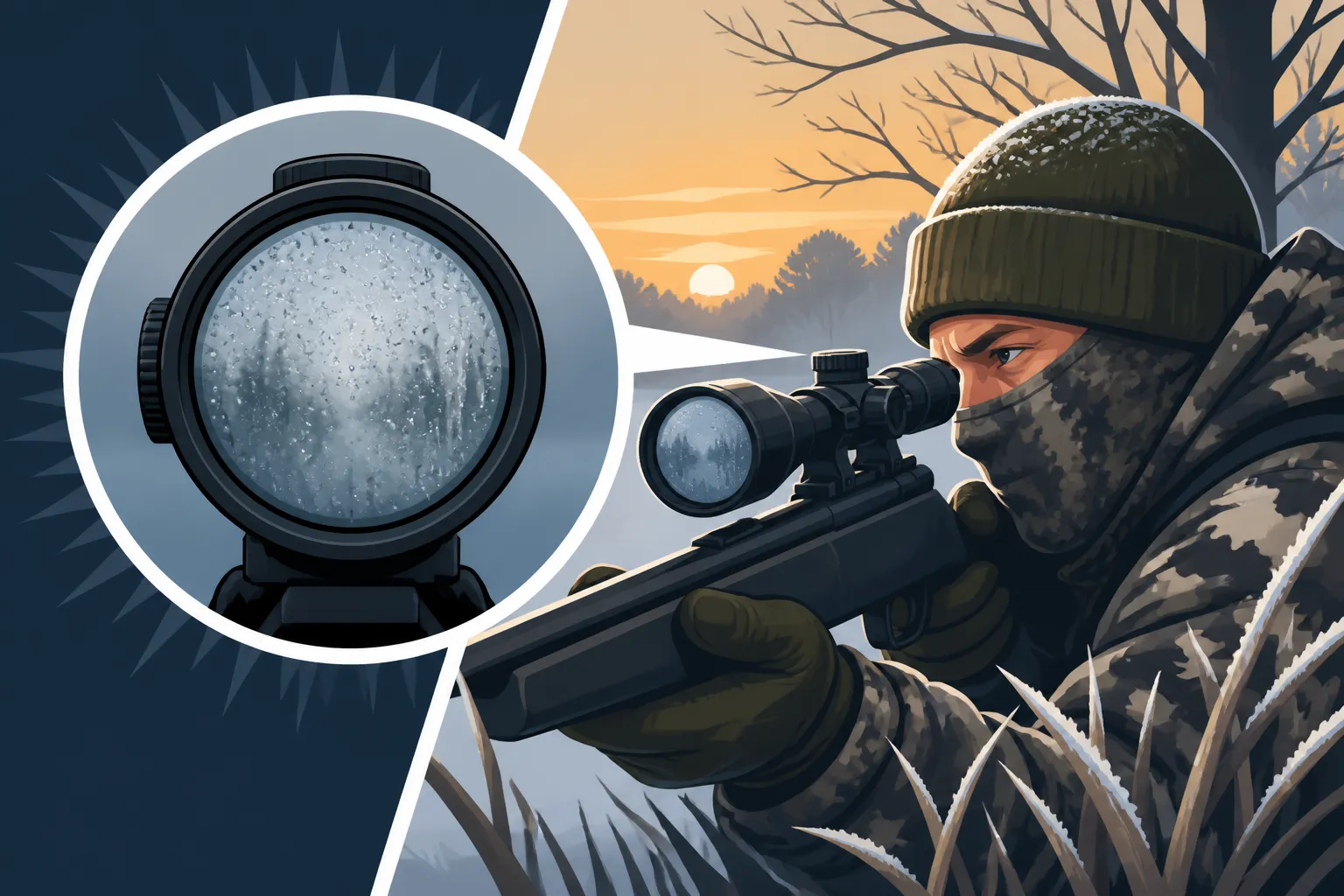
There’s nothing quite like the heart-sinking feeling of raising your binoculars or rifle scope for that crucial moment, only to find your view obscured by a frustrating, milky haze. In Indiana, where brisk autumn mornings can quickly turn into damp, chilly afternoons, and winter hunting often involves stark temperature swings, fogged optics are a common, maddening problem. This guide will help you understand why your optics fog up and, more importantly, equip you with practical strategies to prevent and manage this issue, ensuring a clear sight picture when it matters most.
Why Optics Fog Up in Indiana's Diverse Weather
The Hoosier State offers a fantastic variety of hunting opportunities, from the dense hardwoods of the Hoosier National Forest Hunting in the south to the open farmlands and smaller woodlots of Hunting Northern Indiana Farmland. However, this diversity also means encountering a wide range of weather conditions, all of which can contribute to the bane of a hunter's existence: fogged optics. Understanding the science behind it is the first step to beating it.
The Science of Condensation
At its core, fogging is simply condensation. It happens when warm, moist air comes into contact with a colder surface. The air rapidly cools, losing its ability to hold as much moisture, and that excess water vapor then condenses into tiny liquid droplets on the cooler surface. Think about a cold drink on a humid summer day – that "sweat" on the outside of the glass is condensation. The same principle applies to your optics, but with higher stakes than just a wet hand.
Consider a scenario where you've been carrying your rifle or binoculars close to your body, under your coat, generating body heat. You stop on a crisp, frosty morning, perhaps after a long walk through a creek bottom in the Wabash River Valley, and suddenly bring your optics out into the frigid air. The warm, humid air trapped inside or around the lenses quickly hits the much colder glass surface, causing instant fogging. It’s like breathing on a cold windowpane; the warmth of your breath, laden with moisture, turns to mist on the glass. This rapid change is the primary culprit, often catching hunters off guard right when they need a clear view.
Indiana's Unique Weather Challenges
Indiana's weather patterns are notorious for their unpredictability, and these fluctuations create a perfect storm for optic fogging. One day, you might be enjoying a relatively mild late-season hunt, only for a sharp cold front to roll through overnight, dropping temperatures by twenty degrees or more. You step out of your heated truck or cabin, and bam – your perfectly clear scope from yesterday is now a blurry mess as it instantly reacts to the bitter cold.
The humidity in Indiana also plays a significant role. Even on cold days, the air can hold a surprising amount of moisture, especially near bodies of water like the Kankakee River Marshes or after a fresh snowfall. This dampness, combined with temperature gradients, means that your optics are constantly fighting to stay clear. It's not just the external fogging either; if your optics aren't purged with inert gas like nitrogen or argon, or if their seals are compromised, internal fogging can occur, which is far more difficult to remedy in the field. This is why investing in quality, O-ring sealed, and nitrogen-purged optics is crucial for hunting in Indiana's varied conditions.
Preventative Measures Before Heading Out
The best defense against fogged optics is a good offense. Taking a few proactive steps before you even leave for your hunting spot can drastically reduce the chances of your lenses turning opaque at the worst possible moment. Planning ahead is key, especially when you're preparing for a long sit in a Treestand Setups in Hoosier National Forest or Sitting a Field Edge in Late Season.
Temperature Acclimation
One of the simplest yet most effective ways to prevent fogging is to acclimate your optics to the ambient temperature. If your rifle or binoculars have been sitting in a warm house or truck, avoid bringing them directly into freezing temperatures and immediately trying to use them. Instead, try to bridge the temperature gap. If you're staying at a hunting camp, consider storing your optics in a cooler section of the cabin or even in a garage or unheated porch overnight, rather than in a warm room. This allows the glass and metal to slowly cool down and match the outside air temperature.
For a morning hunt, take your optics out of the warm vehicle a good 15-30 minutes before you reach your stand or hunting location. Place them in your pack or hang them where they can slowly adjust to the external temperature without being directly exposed to moisture or precipitation. This gradual transition helps prevent that sudden, dramatic temperature differential that causes instant condensation. It gives the air inside and around the optic time to normalize with the outside air, minimizing the shock when you eventually lift them to your eyes.
Lens Coatings and Treatments
Many modern, high-quality optics come with advanced hydrophobic (water-repelling) and anti-fog coatings from the factory. These coatings are designed to either prevent moisture from adhering to the lens surface in droplet form or to spread it out into a thin, uniform film that doesn't obstruct your vision as much as distinct fog. When purchasing optics, look for these features, as they are specifically engineered for challenging weather conditions. Brands known for their robust lens treatments can make a real difference on a damp November morning in Indiana.
Beyond factory coatings, there are aftermarket anti-fog solutions you can apply. These often come in wipe, spray, or gel forms. Apply them carefully according to the manufacturer's instructions, ensuring the lens is perfectly clean before application. Always test them on a non-critical piece of glass first, just to be sure there's no adverse reaction or residue. While not a magic bullet, these treatments can provide an extra layer of protection, particularly beneficial if you hunt frequently in wet conditions or if your optics are older and lack modern factory coatings. GoHunt sometimes features reviews of these products, offering real-world feedback on their effectiveness in varied hunting environments.
Desiccants and Dry Storage
Moisture is the enemy, so actively removing it from your optic storage is a smart move. Desiccants, such as silica gel packets, are excellent at absorbing moisture from enclosed spaces. Keep a few packets in your optic cases, gun safes, or even in a Ziploc bag with your binoculars when not in use. These small packets actively pull humidity from the air, creating a drier micro-environment around your gear. You can often "recharge" silica gel by baking it in a low oven, extending its life and effectiveness.
Another valuable tool for maintaining a dry environment is using a waterproof, airtight dry bag for your optics when you're packing them into your stand or across open fields. While it might seem counterintuitive to seal them away, it protects them from sudden changes in ambient humidity and direct exposure to rain or snow. Paired with desiccants, this method ensures your optics stay as dry as possible until you're ready to use them. Just remember to take them out and let them acclimate, as discussed earlier, before drawing a bead on that big buck you've been Hunting the Rut in Early November.
Dealing with Fogged Optics in the Field
Despite your best preventative efforts, sometimes Mother Nature throws a curveball, and your optics still fog up. It's a frustrating situation, but panicking won't help. Knowing how to handle it quickly and effectively can salvage your hunt and ensure you don't miss that fleeting opportunity.
Field-Expedient Solutions
When fogging occurs, the goal is to equalize the temperature and disperse the moisture. The quickest method is to gently warm the optics. Holding them close to your body, under your jacket, can often work wonders. The warmth from your body will slowly bring the lens temperature up to match the ambient air, causing the condensation to evaporate. Be patient; this isn't an instant fix, but it's usually effective. Avoid breathing directly on the lens, as your breath adds more moisture, making the problem worse initially, even if it feels warm.
For external fogging, a simple, clean microfiber cloth is your best friend. Gently wipe the lens surface. Avoid using shirt sleeves, paper towels, or any abrasive material, as these can scratch delicate lens coatings. Some hunters carry small, pre-treated anti-fog wipes or a small bottle of anti-fog spray in their Packs for a Hoosier Forest Day Hunt. If the fogging is severe, or your optics are wet from rain or snow, a quick wipe followed by a few minutes of air exposure to dry them fully can help restore clarity. Remember, the priority is gentle removal of moisture without scratching.
Avoiding Common Mistakes
In the heat of the moment, it's easy to make mistakes that exacerbate fogging or even damage your optics. The absolute worst thing you can do is aggressively rub the lens with dirty material. Grit and grime on your clothes will act like sandpaper on those expensive lens coatings, degrading their performance over time. Always use a clean, dedicated microfiber cloth.
Another common error is failing to maintain your optics throughout the season. Seals can degrade, nitrogen purging can leak, and coatings can wear down. A quick check of your optics before each season, looking for loose components or signs of wear, can prevent issues. If you notice persistent internal fogging, it's a sign your optics need professional servicing. This isn't something you can fix yourself in the field; it indicates a compromised seal, and it's best to send them back to the manufacturer for repair, especially if they are a high-quality brand that GoHunt might recommend. Also, be mindful of where you place your optics. Don't set them directly on snow or wet ground if you can avoid it, as direct contact with extreme cold or moisture will induce fogging much faster.
Table: Anti-Fogging Methods Comparison
| Method | Pros | Cons | Best Use Case |
|---|---|---|---|
| Temperature Acclimation | Most effective, no special gear | Requires planning, time-consuming | Pre-hunt prep, overnight storage |
| Hydrophobic Coatings | Factory-applied, long-lasting | Cannot be added to all optics, can wear down | New optic purchase, high-end binoculars |
| Aftermarket Sprays/Wipes | Affordable, easy application | Can leave residue, temporary, needs reapplication | Quick field fix, older optics, mild fogging |
| Silica Gel/Desiccants | Absorbs moisture, reusable | Only works in sealed containers, preventative | Storing optics in cases, long-term storage |
| Microfiber Cloth | Essential for external fog, gentle | Doesn't prevent, only cleans, needs to be clean | Immediate external fog/moisture removal |
| Body Heat Warming | Simple, no extra gear needed | Slow, can add internal moisture if breathed on | Emergency field fix when no other options available |
Proper Care and Storage to Avoid Future Fogging
Preventing fogged optics isn't just about what you do in the moment or right before a hunt; it's also about how you treat your gear year-round. Proper care and storage ensure your binoculars, scopes, and rangefinders remain in top condition, ready for whatever Indiana's weather throws at them. This means thinking about everything from Optics for Southern Indiana Ridges to Rifle Scope Magnification for Indiana Deer.
Cleaning Best Practices
After a day spent hunting in the Indiana elements, especially if it was rainy, snowy, or muddy, your optics will likely be dirty. Resist the urge to just put them away. Dust, dirt, and dried water spots can damage coatings and attract moisture. Always start by gently blowing any loose debris off the lenses with a lens blower brush. Never wipe dry dirt, as this can scratch the glass. Follow up with a dedicated lens cleaning solution and a clean microfiber cloth. Apply the solution to the cloth, not directly to the lens, and wipe gently in a circular motion from the center outwards.
For the body of the optic, a damp cloth can be used to wipe away mud and grime. Pay close attention to any moving parts like focus rings or diopter adjustments, ensuring they are free of debris. Regular, thorough cleaning not only helps maintain clarity but also allows you to inspect your optics for any signs of wear, loose parts, or compromised seals. A little proactive maintenance goes a long way in extending the life and performance of your valuable gear, ensuring that the Low-Light Performance in a Scope remains excellent when you're hunting those late evening deer.
Storage Environment Considerations
Where and how you store your optics during the off-season or between hunts is just as important as how you use them. Extreme temperature fluctuations and high humidity in storage can prematurely age seals and coatings, making your optics more susceptible to fogging when you eventually take them out into the field. Avoid storing them in uninsulated sheds, attics, or basements where temperature and humidity swings are common. A climate-controlled environment, like a closet inside your home, is ideal.
Always store optics in their protective cases, ideally with a few fresh silica gel packets to absorb any ambient moisture. If you live in a particularly humid area of Indiana, consider a small dehumidifier in your gun safe or storage area. This careful approach not only helps prevent fogging but also protects against mold, mildew, and corrosion, preserving your investment for years of successful hunts, whether you're chasing Spring Turkey Hunting in Indiana or waiting for that big buck during Indiana's Firearms Deer Season.
Disclaimer
This article is for general informational purposes only and does not constitute professional advice. Laws, prices and regulations vary by location and change over time. Consult a qualified professional for guidance on your specific situation.