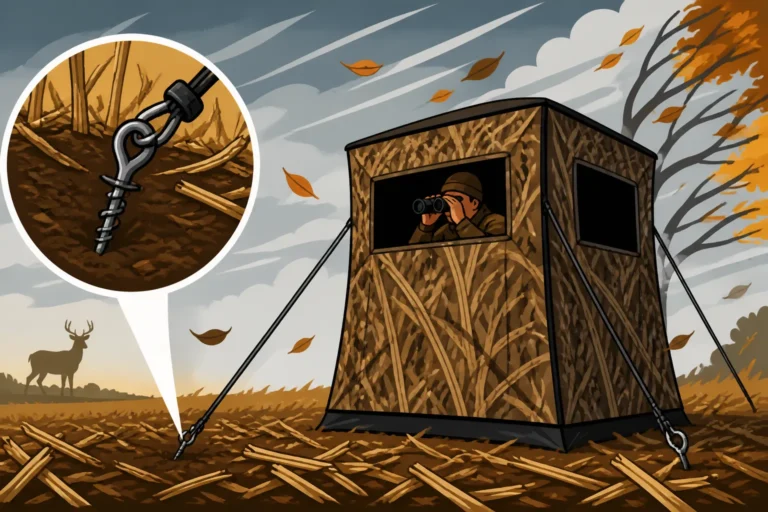
Keeping Powder Dry in Wet Snow
There are few things as frustrating for an Indiana muzzleloader hunter as having that perfect deer step out, only to pull the trigger and hear nothing but a disheartening click. In our unpredictable late-season weather, when wet snow can turn to icy sleet in a heartbeat, keeping your powder dry isn't just a good idea—it's absolutely critical for success. This comprehensive guide will walk you through every step, from meticulous preparation to smart field tactics and crucial post-hunt care, ensuring your muzzleloader fires true, no matter how nasty the Hoosier weather gets.
The Muzzleloader's Achilles' Heel: Understanding Moisture's Impact
Our beloved muzzleloaders offer a unique challenge and reward, especially during the late Indiana season when temperatures drop, and the elements often conspire against us. Unlike modern cartridge firearms where the powder is sealed away, a muzzleloader's propellant is more exposed, making it highly susceptible to the damp, cold conditions we so often face.
Why Powder and Moisture Don't Mix
At its heart, gunpowder, whether it's traditional black powder or its more modern substitutes like Pyrodex or Triple Seven, is designed to ignite rapidly when exposed to a spark. This ignition creates gases that propel your projectile down the barrel. When moisture enters the equation, it throws a huge wrench into this delicate process. Even a tiny amount of dampness can create a barrier around the powder granules, preventing the spark from fully igniting the charge. Instead of a powerful explosion, you might get a weak fizzle, a hangfire (a delayed ignition), or worse, a complete misfire where nothing happens at all.
Imagine you've been waiting patiently in a treestand deep in Brown County, snowflakes steadily falling, melting into slush on your barrel. You've endured the Cold-Weather Sitting Strategy in Indiana for hours. Finally, a big buck appears, offering a clean shot. You squeeze the trigger, and all you hear is the hammer falling. That devastating click is often the result of moisture compromising your powder. Black powder is notoriously hydrophilic, meaning it loves to absorb water from the air, but even modern substitutes, while more stable, are not immune to direct contact with rain, melting snow, or heavy condensation. Their chemical makeup still relies on a dry environment for efficient combustion. This is why understanding the enemy—moisture—is the first step in ensuring a reliable shot.
Common Moisture Ingress Points on a Muzzleloader
A muzzleloader isn't a sealed unit, and there are several critical points where moisture can sneak in and ruin your day. Recognizing these vulnerabilities is key to effective waterproofing.
First and foremost is the muzzle itself. It's a wide-open gateway for rain, melting snow dripping from tree branches, or even condensation that forms inside the bore if the rifle goes from a warm truck to freezing air. Any moisture here can run down the barrel and dampen the powder charge directly. Next, and equally critical, is the breech plug and primer pocket area. This is where the spark initiates, and if moisture penetrates the threads of the breech plug or around the primer, the ignition path is compromised. Water can wick into the powder charge through the flash hole, or simply prevent the primer from firing effectively. The primer itself, especially standard #209 shotshell primers, isn't always perfectly sealed against water. A quick dip in a puddle or a heavy downpour can render it useless.
Beyond these direct entry points, the action and lock mechanisms can also allow water to get into the system, though usually not directly to the powder. However, rust or freezing in these areas can prevent the hammer from falling or the trigger from engaging correctly, leading to mechanical failure. Even your pre-measured powder charges are at risk if stored in flimsy or unsealed containers. If your speed loader isn't truly watertight, that pre-loaded charge might already be compromised before it ever enters the barrel. Understanding these weak links is the foundation of protecting your vital powder supply.
Pre-Hunt Preparation: Your First Line of Defense
Before you even step foot into the crisp, potentially wet Indiana woods for Muzzleloader Deer Hunting in Indiana, a diligent hunter knows that preparation is paramount. This isn't just about sighting in your rifle; it's about making sure it can withstand the elements.
Waterproofing Your Muzzleloader's Vulnerable Spots
Making your muzzleloader shed water like a duck isn't about submerging it, but about creating robust barriers against the insidious dampness that can lead to misfires. Start with the muzzle. A simple piece of electrical tape stretched across the barrel opening is an old trick that works wonders. It's cheap, effective, and easily ripped off silently when it's time to shoot. Specialized rubber muzzle caps are also available and provide a more robust seal. Some hunters even use a small, heavy-duty balloon. The goal is to prevent any rain, snow, or debris from falling into the bore.
Next, focus on the breech plug and primer area. When you screw in your breech plug, consider applying a thin layer of Teflon tape to the threads. This not only helps prevent seizing but also creates an excellent seal against moisture. Some hunters also use a small O-ring around the base of the primer or a bead of silicone grease to create a watertight seal between the primer and the breech plug. Ensure your breech plug itself is in good condition, free of pitting or wear that could compromise its seal. The goal here is to keep any external moisture from finding its way to the flash hole or primer pocket. Regularly inspect these seals before and even during your hunt.
Smart Powder Storage and Handling
You can do all the waterproofing in the world on your rifle, but if your powder charges get wet, it's all for naught. Smart storage is absolutely crucial. Never carry loose powder in the field, especially not in conditions like those during When Indiana's Muzzleloader Season Runs. Pre-measure your charges at home and store them in individual, waterproof speed loaders or sealed plastic vials. These are purpose-built to protect the powder from moisture and allow for quick, efficient reloading in the field.
I've seen some solid options on the GoHunt marketplace for waterproof powder vials, and they're worth the investment to avoid fumbling with a powder horn in a downpour. Keep these speed loaders in a dry pocket of your hunting pack or even inside a small, waterproof dry bag. If you're carrying bulk powder for any reason (though generally not recommended in the field), always keep it in its original, sealed container and inside a secondary waterproof bag. Adding a small desiccant pack to your ammo box can also help absorb ambient moisture, providing an extra layer of protection for your primers and any other sensitive items. Think of it as insurance against the fickle Indiana weather.
Choosing the Right Primer
The primer is the ignition source, and its reliability is paramount. While standard #209 shotshell primers work for many, not all are created equal when it comes to moisture resistance. Many manufacturers offer "magnum" or "waterproof" versions of their #209 primers (e.g., CCI #209M). These often feature a slightly hotter spark and a more robust sealant around the primer cup, making them much more resilient to damp conditions.
Consider using these specially sealed primers during the late muzzleloader season. While they might cost a little more, the peace of mind knowing your ignition source is less likely to fail due to moisture is priceless. Test them out at the range beforehand to ensure they perform consistently with your specific powder and load combination. A strong, consistent spark is your best friend when trying to ignite powder that might have absorbed even a tiny bit of humidity from the air. This small upgrade can be a game-changer when you're hunting during the Hunting the Late-Season January Lull and facing freezing rain or wet snow.
Field Tactics: Protecting Your Charge When It Counts
Once you're out in the woods, the battle against moisture isn't over; it's just shifted gears. Your pre-hunt preparations have laid the groundwork, but now it's about active defense and smart handling.
Active Protection While Hunting
The moment you step out of the truck, your muzzleloader is exposed. Develop habits that keep it dry. Always carry your rifle with the muzzle pointed down. This simple act prevents rain, snow, or even condensation from collecting inside the barrel. Many hunters use a scope cap or a piece of electrical tape over the muzzle even when carrying it to and from the stand. This barrier should only be removed right before you're ready to take a shot.
When sitting in a treestand or ground blind, never just let your muzzleloader sit exposed to the elements. If you're in a blind, tuck it into a corner or under a waterproof flap. In a treestand, try to keep it under your arm or use a small, lightweight tarp or cover designed for firearms. Even hanging it on a gear hook with the muzzle angled down can help. During a persistent snowfall, like often happens during Indiana Muzzleloader Season Tactics, you'll need to periodically wipe down the exterior of your rifle. This isn't just for aesthetics; it prevents water from finding its way into vulnerable areas. Some hunters even apply a thin coat of wax or water-repellent spray to the exterior metal parts before heading out, creating an additional barrier. For serious late-season hunters, investing in high-quality waterproof speed loaders from a reputable outfitter like GoHunt can make all the difference in a quick reload situation.
Loading in Inclement Weather
Reloading a muzzleloader in ideal conditions can be a precise dance; doing it in a driving snowstorm or chilling rain requires an even more deliberate approach. This is where those pre-measured charges in waterproof speed loaders truly shine. If you need to reload, try to do so under the shelter of a wide-brimmed hat, a poncho, or within the confines of your ground blind. Every second that your powder charge is exposed to the elements increases the risk of it getting wet.
Work quickly and deliberately. Ensure your hands are as dry as possible, as even damp hands can transfer moisture to the powder or primer. Remove the muzzle cap or tape, pour your powder charge in, seat your projectile, and then immediately re-seal the muzzle. If you use a breech plug, screw it back in firmly and insert your fresh, waterproof primer. The less time these critical components are exposed, the better. This practiced efficiency will not only keep your powder dry but also increase your chances of getting a follow-up shot off if needed.
Dealing with a Wet Shot
Sometimes, despite all your best efforts, a shot might still get compromised. You pull the trigger, and instead of a solid bang, you hear a weak "pop" or perhaps nothing at all. This is often a squib load, meaning the primer ignited, but the powder charge was too damp to fully propel the bullet out of the barrel.
| Moisture Point | Prevention Method | Materials/Tools Needed |
|---|---|---|
| Muzzle Opening | Electrical tape, Muzzle cap, Balloon | Tape, Caps, Balloons |
| Breech Plug Threads | Teflon tape, Anti-seize, Breech plug grease | Tape, Grease, Wrench |
| Primer Pocket | O-rings, Silicone grease, Waterproof primers | O-rings, Grease, Primers |
| Loose Powder/Pellets | Waterproof speed loaders, Sealed vials | Speed loaders, Vials |
| Entire Rifle Exterior | Gun sock, Waterproof cover, Waxing/Oiling exterior | Gun sock, Tarp, Wax/Oil |
Crucially, if you suspect a squib load, NEVER fire another charge behind it. This can cause a catastrophic barrel obstruction and potentially injure you. The first step is to carefully remove the primer (if possible) and visually inspect the barrel. If you see the projectile lodged inside, you'll need to safely unload it. This often involves using a CO2 discharger or carefully backing out the projectile with a specialized bullet puller. Always carry a cleaning kit and a ramrod extension long enough to clear any obstruction in the field. Knowing how to handle this safely and calmly is critical, because panic can lead to dangerous decisions.
Post-Hunt Care: The Unsung Hero of Muzzleloader Longevity
The hunt might be over, but your responsibility to your muzzleloader—and ensuring its readiness for the next time you're Hunting Indiana's Long Archery Season or late muzzleloader season—is not. Neglecting post-hunt care after a wet day can undo all your efforts and lead to rust, corrosion, and diminished reliability.
Immediate De-humidification and Drying
As soon as you get home, resist the urge to just toss your wet muzzleloader in the corner. If you're coming from freezing temperatures into a warm house, avoid bringing the rifle directly into a very hot environment. A rapid change in temperature can cause condensation to form inside the barrel and action, trapping moisture. Instead, bring it into a garage or mudroom for an hour or so to let it gradually acclimatize.
Once inside, immediately wipe down all exterior surfaces with a dry cloth. Remove the breech plug and run several dry patches through the barrel. Pay special attention to the flash hole in the breech plug, ensuring it's clear of any damp residue. Use a flashlight to inspect the bore. If you see any lingering moisture, gently use a hairdryer on a low, cool setting, or position a fan to blow air through the barrel to aid in drying. Many dedicated muzzleloader forums, and even resources found through GoHunt, emphasize the importance of breaking down your gun thoroughly after a wet hunt. This isn't just about cleaning; it's about getting everything bone dry.
Thorough Cleaning and Rust Prevention
Once your muzzleloader is dry, it's time for a thorough cleaning. Black powder and its substitutes leave behind corrosive residues that, when mixed with moisture, will rapidly cause rust. Disassemble your muzzleloader as much as you're comfortable with, paying close attention to the breech plug, nipple, and bore. Use specialized muzzleloader cleaning solvents designed to neutralize these corrosive residues.
Scrub the bore with a brush, clean the breech plug's flash hole, and wipe down every metal component. After cleaning, apply a light, even coat of high-quality gun oil to all metal surfaces, both inside and out. Don't forget hard-to-reach areas within the action. This oil creates a protective barrier against future moisture. When storing your rifle, ensure it's in a climate-controlled environment, ideally in a gun safe with a dehumidifier or desiccant. Avoiding extreme temperature fluctuations and high humidity in storage is just as important as protecting it in the field. For more detailed instructions on cleaning after exposure to the elements, you might find our guide on Cleaning a Rifle After a Wet Sit helpful.
Inspecting Components for Wear and Damage
After a season of facing wet snow and cold, it's a good idea to thoroughly inspect your muzzleloader's components for any wear or damage. Pay close attention to the breech plug and nipple. Look for any signs of pitting, erosion, or corrosion, particularly around the flash hole. These areas can widen over time, affecting ignition consistency, or create pathways for moisture to seep in. If your O-rings or seals were used, check them for cracking, compression, or any signs they might no longer be providing an adequate seal. Replace them if they show any signs of wear.
Also, examine your ramrod for any bends, cracks, or damage to its tips. A damaged ramrod can scratch your barrel or fail at a critical moment. Your rifle is a precision instrument, and its reliability depends on the integrity of all its parts. Replacing worn components proactively is much better than discovering a failure when you're facing that trophy buck in the field. If you're unsure about the condition of your components, it's always wise to consult a gunsmith or check out detailed maintenance guides, some of which are compiled on platforms like GoHunt for easy access. Taking these extra steps ensures your muzzleloader is ready and reliable for many seasons to come, no matter what Indiana's weather throws at you.
Disclaimer
This article is for general informational purposes only and does not constitute professional advice. Laws, prices and regulations vary by location and change over time. Consult a qualified professional for guidance on your specific situation.