When Indiana’s Archery Season Opens
The crisp morning air, the rustle of turning leaves, the first hint of fall color – for many of us, this signals one thing: the anticipation of Indiana's archery deer season. It's a feeling that builds all summer long, and if you've ever found yourself double-checking the calendar, wondering if the start date shifted or if there's an earlier opportunity you're missing, you're definitely not alone. Keeping track of Indiana's hunting regulations can sometimes feel like a moving target, especially with various season overlaps and special dates. This comprehensive guide is designed to cut through the confusion and provide a crystal-clear understanding of exactly when Indiana's archery deer season opens, along with crucial details you need to know for a successful and legal hunt.
The Official Kick-Off: Standard Archery Season Dates
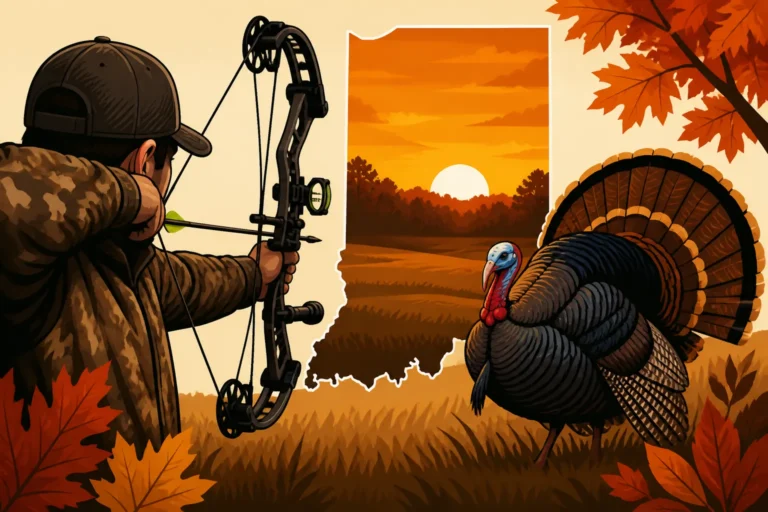
The moment many Hoosier deer hunters eagerly await arrives like clockwork every year: October 1st. This is the official opening day for Indiana's statewide archery deer season, a date that has remained consistent for a long time, providing a reliable marker on every bowhunter's calendar. There's a certain magic to those early October hunts – the woods are still lush, the air can be surprisingly warm, and the deer are often still in their late-summer patterns, making for unique challenges and rewards.
From October 1st, the archery season stretches across the entire fall, remaining open throughout the firearms and muzzleloader seasons, and continuing all the way through the first Sunday in January. This extended timeframe gives archers a tremendous amount of flexibility and opportunity to be in the woods. Whether you're chasing that velvet buck in the warmth of early fall or enduring a late-season snow for a hard-earned doe, the archery season truly spans the gamut of Indiana's diverse hunting conditions. To really dive deep into the longevity of the season, check out our guide on how Indiana's Archery Season Runs Into January.
The beauty of the October 1st opener is its universality within the state. No matter if you're hunting the rolling hills of Brown County or the flat farmlands of northern Indiana, October 1st is your day to hit the timber with your bow. This consistent start date helps simplify planning for hunters across all of Indiana's diverse landscapes. It means you can count on getting into the stand on that first day, assuming you’ve done your homework and acquired all the necessary licenses and permits, of course.
Why October 1st is a Favorite for Many
The first day of October offers a unique blend of hunting conditions that many archers absolutely love. The foliage is often still thick, providing excellent cover for stealthy approaches and stand placements. While temperatures can swing wildly, there are often beautiful, crisp mornings perfect for a sit, followed by warmer afternoons. This time of year, deer are typically still focused heavily on food sources, making properly scouted feeding areas prime locations for encounters.
However, these early hunts come with their own set of challenges. Insects like mosquitoes and ticks can still be quite active, requiring careful preparation and insect repellent. Deer are often still mostly nocturnal or crepuscular, moving primarily at dawn and dusk, which means your morning and evening sits are absolutely crucial. Furthermore, bucks might still be in velvet, which, while aesthetically pleasing, often means they're not yet exhibiting the classic rutting behaviors that will kick in later in the season. These initial weeks are a fantastic time to pattern deer moving between summer bedding areas and consistent food plots or natural mast crops like early dropping acorns.
Understanding Overlapping and Special Seasons
While October 1st marks the beginning of the regular archery season, Indiana also offers earlier opportunities for some hunters and allows archery equipment to be used concurrently with other methods later in the year. Understanding these overlaps is crucial for maximizing your time afield and staying within legal bounds.
The Youth Deer Weekend and Archery Equipment
Indiana provides a special opportunity for its youngest hunters with the Youth Deer Weekend, which typically takes place in late September, usually the weekend before the traditional October 1st archery opener. This early window is specifically designed for youth hunters (under 18 years of age) who are properly licensed and accompanied by an adult mentor.
During the Youth Deer Weekend, eligible youth hunters can use archery equipment, including crossbows, to harvest deer. This means that if you have a young hunter in your family, their bow season can actually start a week or two earlier than the statewide adult archery opener. It's a fantastic program aimed at introducing new generations to the outdoors and the thrill of deer hunting in a less pressured environment. To learn more about this specific opportunity, take a look at our guide on Hunting the Indiana Youth Deer Weekend, which covers all the rules and requirements for mentors and youth alike.
The mentor must be at least 18 years of age, possess a valid hunting license, and be unarmed during the hunt. This special weekend is invaluable for building foundational hunting skills, teaching ethical harvesting, and creating lasting memories. It offers a quieter, more focused experience that can truly cement a love for hunting in a young person. It's important for the mentor to ensure that the youth hunter is comfortable and proficient with their archery equipment before heading into the field.
Archery During the Firearms and Muzzleloader Seasons
One point of confusion for new hunters often revolves around weapon choices when other seasons are open. It's important to remember that once the statewide archery season opens on October 1st, it remains open concurrently with all other deer seasons until its closing date in January. This means that if you prefer to hunt with a bow, you can absolutely continue to do so during the Indiana's Firearms Deer Season and the Muzzleloader Deer Hunting in Indiana.
However, if you choose to hunt with archery equipment during either the firearms or muzzleloader seasons, you must still adhere to the blaze orange requirements for those specific seasons. Even though you are holding a bow, you are considered to be hunting during an active firearms season and must comply with all associated safety regulations. This flexibility allows archers to pick their preferred weapon no matter what other seasons are running, but it demands careful attention to safety gear.
This overlap provides a unique advantage to dedicated bowhunters. While many hunters switch to firearms or muzzleloaders, those who stick with archery gear can often find less pressured deer, especially in areas that see heavy gun hunting activity. It also extends the opportunity for archers to fill their tags using their preferred method, regardless of the calendar date, as long as they are mindful of concurrent season rules and safety.
Archery in Deer Reduction Zones
Indiana also manages its deer population through specific "Deer Reduction Zones." These zones are typically found in areas with high deer densities or where deer populations cause significant agricultural or ecological damage, often near urban or suburban areas. To help manage these populations, Deer Reduction Zones often feature extended seasons and increased bag limits.
For archery hunters, this can mean an even longer season than the statewide October 1st to January first Sunday window. In many Deer Reduction Zones, the archery season may open earlier, sometimes as early as September 15th, and run much later, even into January or February. Always check the specific regulations for the county or area you plan to hunt within a reduction zone, as dates and bag limits can vary significantly. Our guide on Hunting a Deer Reduction Zone can provide more detailed information on these unique areas.
These zones are especially important for those looking to harvest additional antlerless deer, as the increased bag limits in these areas are specifically designed to reduce the overall deer population. Archery hunting in these zones can be a fantastic opportunity to contribute to wildlife management goals while extending your time in the woods. Just remember that obtaining the correct tags and understanding the local rules are paramount before heading out.
Key Considerations for Your Archery Hunt
Knowing when the season opens is just one piece of the puzzle. To ensure a successful and legal archery hunt in Indiana, there are several other critical factors you need to have squared away. From licenses to safety gear, being prepared makes all the difference.
License and Tag Requirements
Before you even step foot in the woods with your bow, you absolutely must have a valid Indiana hunting license and the appropriate deer tags. For most resident hunters, the Indiana Resident Deer Bundle is a fantastic value, combining your basic hunting license with multiple deer tags. Non-residents have similar options with the Indiana Nonresident Deer Bundle, or they can purchase individual licenses and tags. All hunters, regardless of residency, can conveniently purchase these online through the Indiana Department of Natural Resources (DNR) website or an authorized license vendor.
It’s always a good practice to double-check the current year's regulations directly from the Indiana DNR website or their official app, especially since rules can occasionally be updated. Remember, having your license and tags on you (either physically or digitally on your phone via the GoHunt app) is a requirement whenever you are hunting. Getting caught without them can lead to fines and legal trouble, which is certainly not how anyone wants their season to start. You can find more comprehensive information on this topic in our article, Indiana Hunting Licenses and What They Cost.
| License/Permit Type | Eligibility | Cost (Approximate) | Deer Tags Included? |
|---|---|---|---|
| Resident Hunting License | Indiana Resident | $20 | No |
| Resident Deer Bundle | Indiana Resident | $60 | Yes (2 antlerless, 1 bonus, 1 antlered) |
| Nonresident Hunting License | Non-Resident | $100 | No |
| Nonresident Deer Bundle | Non-Resident | $175 | Yes (2 antlerless, 1 bonus, 1 antlered) |
| Archery Deer Tag (Single) | Resident/Non-Res. | $24 (Resident) / $40 (Non-Res) | Yes (1) |
Note: Costs are approximate and subject to change. Always verify current prices and bundle contents with the Indiana DNR.
Blaze Orange Regulations
This is where things can get a little tricky and where safety is paramount. During the regular statewide archery season (October 1st until the firearms season opens), hunters using archery equipment are not required to wear blaze orange. This allows bowhunters to utilize camouflage effectively, which is often crucial for close-range encounters with deer.
However, as soon as Indiana's Firearms Deer Season or Muzzleloader Deer Season opens, all hunters afield for deer, regardless of weapon choice, must wear solid hunter orange, or "blaze orange," that is visible from all directions. This means if you're bowhunting during the firearms or muzzleloader seasons, you absolutely must be wearing blaze orange. It's not optional, it's a critical safety measure. You can read up on the specifics in our detailed guide on Indiana Blaze Orange Requirements. This ensures maximum visibility to other hunters who may be using firearms, drastically reducing the risk of accidents.
It's a simple rule, but one that gets overlooked by enthusiastic bowhunters who might be so focused on their target they forget the broader context of the hunting season. Always prioritize safety, and when in doubt, wear the orange. It’s far better to be seen than to risk an accident. The same rule applies to blaze pink if you choose to wear it, as it is also legally recognized as a safe alternative to blaze orange in Indiana.
Crossbow Rules During Archery Season
For many years, crossbow use during Indiana's archery season came with specific restrictions or required special permits. Thankfully, those days are largely behind us. In recent years, Indiana has simplified its regulations, making crossbows fully legal for use by any hunter during the entire statewide archery season, starting right on October 1st.
This change has opened up archery hunting to a wider demographic, including those who may not be able to draw a traditional compound or longbow due to physical limitations, or simply prefer the characteristics of a crossbow. There's no longer a need for an additional permit or a doctor's note; if the archery season is open, and you have a valid deer tag, you can hunt with a crossbow. For more in-depth information, be sure to check out our article on Crossbow Rules During Indiana Archery Season. This allows for greater inclusivity and accessibility to the sport, letting more people enjoy the challenge and reward of bowhunting Indiana's whitetails.
However, just because crossbows are legal doesn't mean they don't require the same dedication to practice and safety as any other archery equipment. Understanding your crossbow's effective range, practicing shot placement, and ensuring proper maintenance are still vital for ethical hunting. Treating your crossbow with respect and mastering its capabilities will lead to greater success in the field, just like with any other hunting tool.
Preparing for Indiana's Bow Season
The opening day of archery season is exciting, but true success often hinges on the preparations made long before October 1st. Getting ready for the season involves more than just having the right gear; it's about understanding deer behavior, mastering your equipment, and knowing your hunting grounds.
Pre-Season Scouting and Habitat
Deer patterns are fluid, changing with food availability, pressure, and the progression of the season. Effective pre-season scouting is about understanding these patterns before you ever carry a bow into the woods. In late summer and early fall, deer are highly food-driven. Look for dropping acorns, especially white oak varieties which deer prefer, or scout standing crops like soybeans and corn that provide both food and cover. Water sources are also critical, particularly during warmer early-season days.
It's a great time to deploy trail cameras to monitor travel routes and identify specific bucks. Use mapping tools like GoHunt or the Indiana DNR app to analyze aerial photos, identify pinch points, funnels, and potential bedding areas on both public and private land. This intelligence gathered weeks or months before the season can be the key to punching your tag early. Our guide on Scouting Indiana Public Land Before Season offers a wealth of information to help you get started, as does Reading Aerial Photos for Southern Indiana Deer. Pay close attention to how deer transition from summer feeding habits to early fall patterns. They'll often shift from vast agricultural fields to more secluded timber as hunting pressure builds.
Understanding the specific habitat you plan to hunt is crucial. Are you in thick southern Indiana hardwoods with plenty of natural mast, or flatter northern Indiana farmland where standing crops and small woodlots dominate? Each environment presents different scouting challenges and opportunities. Observing changes in vegetation, water levels, and even the presence of other wildlife can provide clues to deer movement.
Equipment Checks and Practice
You've spent good money on your bow, arrows, and broadheads – now ensure they are in peak condition. Before October 1st, dedicate time to thoroughly inspect all your archery equipment. Check bowstrings for fraying, cams for alignment, and ensure all screws are tight. Inspect arrows for cracks or damage, and make sure your broadheads are razor-sharp. A dull broadhead can lead to a wounded animal and a lost opportunity, which is something no ethical hunter wants.
More importantly, practice, practice, practice! Consistent shooting is the only way to build muscle memory and confidence. Don't just shoot at a static target from one distance; simulate hunting scenarios. Practice from your treestand or ground blind, shoot at various angles, and from different ranges. Knowing your limitations is just as important as knowing your capabilities. Our detailed breakdown of Bow and Crossbow Setups for Indiana offers tips on optimizing your gear for success.
It’s not just about hitting the target; it's about making ethical shots under pressure. The adrenaline of having a deer in front of you can cause even seasoned hunters to make mistakes. Regular practice, especially under conditions that mimic a real hunt (e.g., shooting with your hunting layers on, practicing silent draws), will help you remain calm and execute a precise shot when it matters most. This dedication to your craft is what separates a prepared hunter from a lucky one.
Understanding Public vs. Private Land Access
Indiana offers a fantastic amount of Public Hunting Land, from vast State Forests like Hoosier National Forest to numerous Fish and Wildlife Areas. However, each public land type has its own set of rules and regulations regarding hunting, camping, and vehicle access. Always consult the specific rules for the property you intend to hunt. For private land, the rules are simpler: you must have permission from the landowner before hunting. It’s not just good etiquette; it’s the law.
Respecting landowner rights and seeking explicit permission is paramount to maintaining positive hunter-landowner relationships and preserving hunting access for future generations. Don't assume implied permission; always ask directly, and if possible, get it in writing. This not only protects you legally but also fosters trust. Many landowners are open to granting permission, especially if you offer to help with chores or provide venison. Learn more about the nuances of securing access in our guide on Getting Private Land Permission in Indiana. Using reliable mapping tools, like the ones available on the GoHunt app or the Indiana DNR website, to clearly identify property lines is an excellent way to avoid accidental trespassing.
Understanding these access nuances can make or break your hunting plans. Public lands offer abundant opportunities but often come with more competition from other hunters. Private lands can offer more secluded experiences, but require careful relationship building and adherence to the landowner's specific requests. Being a responsible and informed hunter on both types of land contributes to a positive image for all hunters.
Disclaimer
Please note: Hunting regulations are subject to change. Always consult the most current Indiana Department of Natural Resources (DNR) regulations and proclamations before engaging in any hunting activity. This guide is for informational purposes only and does not supersede official DNR rules.