Opening Weekend Crowds on Indiana Public Land
Ah, opening weekend on Indiana public land. It’s a date circled on every hunter’s calendar, a promise of crisp mornings and fresh deer sign, but let's be honest: it often comes with a side of frustration. You've dreamt of that perfect setup for months, only to find another truck already parked at your usual spot, or worse, hear footsteps crunching leaves just off your stand. This guide is all about navigating those inevitable crowds and finding success, even when it feels like everyone else had the same idea as you.
Understanding Opening Weekend Pressure Points
The sheer enthusiasm for opening day, whether it's for archery or firearms season, means that many of Indiana's most accessible and well-known public hunting grounds can feel like Grand Central Station. It's a reality check for anyone hoping for solitude, but understanding why certain areas get hit so hard is the first step to developing a counter-strategy.
Why Certain Areas See More Hunters
Think about it: most people gravitate towards convenience. This means public land units with easy-to-find parking lots, well-maintained access roads, and proximity to major population centers are going to be magnets for hunters. Places like parts of the Hoosier National Forest, or popular Indiana Fish and Wildlife Areas (FWAs) that are just a short drive from Indianapolis, Fort Wayne, or Evansville, often bear the brunt of this opening weekend rush. Hunters might scout these areas thoroughly, or they might just pick them because they’re easy to get to. Add to that the spread of information through social media groups and detailed mapping applications, and those "secret" spots often aren't secret for long. Everyone has their favorite river bottom funnel or oak ridge that produced last year, and they'll be there, often with company.
The Impact of Early Season Enthusiasm
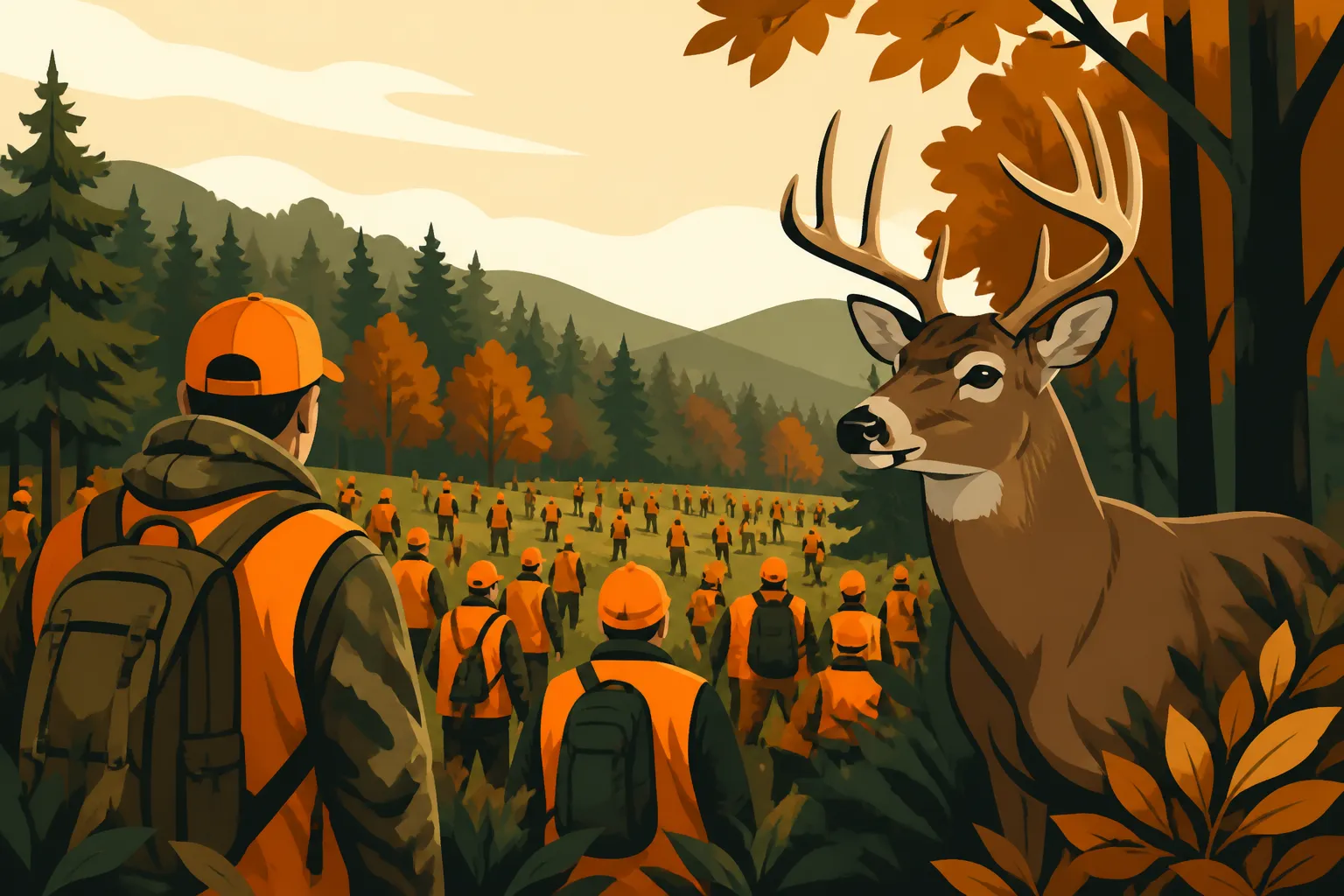
There's an undeniable buzz in the air when hunting season finally arrives. For many, it’s a reunion with friends and family, a cherished tradition. This collective excitement, however, means a lot of hunters are in the woods, even if the conditions aren't perfect. We're all eager to punch a tag. This heavy human presence, especially during the first few days, dramatically alters deer behavior. Whitetails are incredibly adaptable, and they learn quickly. What was once a daytime travel corridor might become a nocturnal route, or they might abandon it altogether for denser, harder-to-reach cover. The initial wave of orange vests and rattling antlers can push deer into patterns that make them incredibly difficult to locate, let alone harvest. This is where patience becomes more than a virtue; it becomes a necessity, and understanding Hunting Pressure on Indiana Public Land is key.
Strategic Scouting to Avoid the Masses
The key to finding success when everyone else is out there is often found long before opening day, in the diligent hours spent scouting. It’s about not just looking for deer, but looking for places where deer aren’t seeing other hunters.
Leveraging Technology for Remote Access Points
In today's hunting world, mapping apps are indispensable tools, and a service like GoHunt can be a game-changer for avoiding crowds. Don’t just look for the obvious public land boundaries and main roads. Dive deep into the satellite imagery. Look for those faint, overgrown logging trails, old farm lanes, or forgotten easements that might offer a unique, less-traveled entry point. Identifying these subtle access points, even if they require a longer walk or some bushwhacking, can put you in areas that casual hunters overlook. Use the topographic features to find deep draws, steep ridges, or swampy areas that are difficult to traverse, as these often create natural barriers against high foot traffic. These areas, though challenging, can hold unpressured deer. Understanding onX Layers for Indiana Land Status can also help identify legal, yet obscure, access points.
The Art of Pre-Season Foot Scouting
While technology is great, there’s no substitute for boots on the ground. Before the season opens, dedicate significant time to physical scouting, focusing not just on typical deer sign, but also on evidence of human activity. Are there old stand locations, discarded broadhead targets, or heavily worn trails leading to obvious bottlenecks? If so, those are likely high-pressure areas. Instead, focus your efforts on finding those hidden pockets of cover, thick cedar thickets, tangled briar patches, or overlooked creek bottoms that offer security cover. Deer need three things: food, water, and cover. On pressured land, that cover element becomes paramount. Look for areas where dense habitat makes travel difficult for you, because it also deters most other hunters. Finding fresh tracks, rubs, and scrapes in these less accessible spots, especially when you can’t find a single boot print, tells you you're onto something special. This kind of diligent pre-season work is what truly separates successful public land hunters. You might be surprised what you find if you put in the effort, especially when doing your Scouting Indiana Public Land Before Season.
Tactics for Hunting Pressured Public Land
Once opening weekend hits, and you're out there, your tactics need to shift from how you might hunt low-pressure private ground. It’s about outsmarting not just the deer, but also the human element.
Deep Woods Penetration and Off-Trail Travel
This is perhaps the most fundamental tactic for dealing with crowds. The vast majority of hunters on public land stick to trails, or only venture a few hundred yards from a parking spot. Deer know this. If you want to find unpressured deer, you have to be willing to go where others aren't. This often means walking significantly further into the woods, leaving the comfort of established paths, and tackling dense, thorny cover or steep terrain.
Imagine a large tract of public timber, like a remote section of the Hoosier National Forest. Most hunters will hit the first few ridges and coves they encounter. Your job is to push past that, to find the "sanctuary" areas deep inside. This could be a steep, rocky bluff line, a large, impenetrable clear-cut that's grown up into a jungle, or a low-lying swampy area. These spots might not look like prime deer habitat on a map, but the lack of human disturbance makes them incredibly attractive to pressured deer seeking refuge. This requires physical fitness, a reliable pack with essentials, and a keen sense of direction (or a good GPS on your GoHunt app). It’s not about finding the easiest place to hunt; it’s about finding the hardest place to get to that holds deer. Sometimes, it means asking yourself, How Far to Walk From a Forest Road to really get away from the pressure.
Hunting Overlooked Habitat and Cover
Beyond just going deep, it's crucial to identify and hunt the types of cover that other hunters tend to dismiss. We often talk about classic stand locations: pinch points, food plots, creek crossings. But on pressured public land, these obvious spots are often already occupied or the deer have learned to avoid them during daylight. Instead, look for:
- Small, overlooked thickets: A dense patch of multiflora rose, a small pine plantation, or even a tight stand of saplings within a larger timber block can hold deer. These might not seem like much, but they offer visual and physical security.
- Swampy edges or wet bottoms: Many hunters avoid wet feet, which can work to your advantage. Deer will often bed down in swampy fringes or use the edges of standing water as safe travel corridors.
- Steep, gnarly terrain: Southern Indiana is famous for its rugged hills. While a lot of hunters will stick to the ridge tops, the steep, brushy sides of ravines and hollows can offer incredible cover. Deer will often bed on benches partway down these slopes, or use the dense undergrowth to travel undetected.
- Logging operations: Fresh clear-cuts or thinning projects, while messy, often create incredible cover and new food sources. These areas can be frustrating to navigate, but deer will pile into them for security.
It's about having an open mind and realizing that deer on pressured land will use any cover they can find to avoid people. Sometimes, the ugliest, most difficult-to-hunt spots are the most productive. These are often the places where you'll be Finding Ground Others Walk Past.
Timing Your Hunts to Minimize Encounters
Opening weekend doesn't mean you have to hunt from dawn until dusk, every single day. Strategic timing can significantly reduce your encounters with other hunters and increase your chances of seeing deer.
- Mid-week hunts: If your schedule allows, hunting on a Tuesday or Wednesday after opening weekend will almost always offer a less crowded experience than Saturday or Sunday. Many hunters take opening weekend off and then return to work, leaving the woods quieter during the week.
- Inclement weather: Most hunters are fair-weather hunters. A cold rain, light snow, or even a strong, consistent wind will deter many from staying in their stands all day. Deer, however, are used to these conditions and often move more freely when human activity lessens. Bundle up, bring good rain gear, and brave the elements; you might be the only one out there.
- Midday sits: A common mistake on public land is for hunters to leave their stands between 10 AM and 2 PM for lunch or a break. This movement pushes deer. On pressured land, deer often move most safely during these midday hours when they perceive a lull in human activity. If you can commit to an all-day sit, especially deep in a thick bedding area, you might catch a buck relocating.
By being flexible with your timing and willing to endure a little discomfort, you can often find windows of opportunity when the pressure temporarily subsides.
Adapting Your Approach to Deer Behavior
Hunting pressured deer is fundamentally different from hunting deer that rarely see a human. You need to adjust your mindset and your methods to match their heightened awareness and survival instincts.
Understanding Pressured Deer Movement Patterns
When the woods are full of hunters, deer become incredibly savvy. Their primary goal shifts from foraging to survival, and they will prioritize security above almost everything else. This means:
- Nocturnal activity: Expect deer to move primarily under the cover of darkness. This doesn't mean you can't kill a daytime deer, but it does mean you need to be in the right spot at the right time, often right at first light or last light, or during that midday lull in human activity.
- Dense cover travel: Forget wide-open hardwoods. Deer will cling to the thickest cover available, using it as a shield. Their travel corridors will often be through briar patches, regenerating timber, or along the bottoms of steep ravines where they are less visible. When scouting, look for those barely perceptible tunnels through the brush – those are your new highways.
- Circumventing typical funnels: Classic funnels like saddles, narrow woodlots between fields, or river bends are often heavily hunted. Pressured deer will learn to circle wide around these areas or move through them only after dark. Instead, look for less obvious funnels: a subtle dip in a ridge a hundred yards from the main saddle, a thick fenceline running through otherwise open woods, or a dense transition line between two different timber types.
- Entry and Exit Routes: Your own movement into and out of your hunting spot is critical. If you're walking along a well-worn trail at dawn or dusk, you're alerting every deer in the area to your presence. Use the topography, the wind, and existing cover to make silent, undetected entries and exits. Think about how deer use the wind and thermals themselves; a good understanding of Wind and Thermals on a Southern Indiana Ridge can make all the difference.
The Value of Patience and Persistence
Let's be real: hunting pressured public land during opening weekend is tough. You might walk for miles and see nothing but squirrels, or catch glimpses of other hunters. It’s easy to get discouraged. But success on public land often comes down to sheer persistence. The hunters who stick with it, adapt their strategies, and keep learning from every sit are the ones who eventually punch their tags.
Don't get fixated on one spot. Be willing to move, even midday, if your current location isn't showing promise. Trust your scouting and your gut. Sometimes, it's just about being in the woods more than anyone else, increasing your odds of being there when a deer makes a mistake. Keep a positive attitude, learn from your experiences, and celebrate the small victories, like finding a fresh rub in a spot you thought was too thick to hold deer. Even if you don't fill a tag on opening weekend, the lessons learned are invaluable for the rest of the season.
Public Land Hunting Strategies Comparison
Here's a quick look at how strategies shift between high-pressure and low-pressure public land scenarios:
| Factor | High-Pressure Public Land (Opening Weekend) | Low-Pressure Public Land (Mid-Week, Remote) |
|---|---|---|
| Access | Seek remote, difficult access points; long walks away from roads. | Use established trails; easier access roads. |
| Scouting Focus | Human sign, overlooked thickets, escape cover, obscure funnels. | Food sources, primary travel corridors, classic funnels. |
| Deer Movement | Primarily nocturnal, using dense cover, avoid obvious funnels. | More daytime movement, utilize primary funnels and food plots. |
| Stand Locations | Deep in bedding areas, steep slopes, small isolated thickets, "ugly" spots. | Along well-used trails, saddles, food plot edges, creek crossings. |
| Hunting Times | Midday, inclement weather, first/last light in deep cover. | Early morning, late afternoon, all day during the rut. |
| Patience | Crucial. Expect few sightings, focus on security and persistence. | Important, but deer are more predictable, higher sighting rates. |
| Gear | Lightweight for long walks, durable brush pants, quality mapping app (GoHunt). | Standard hunting gear, less emphasis on extreme mobility. |
Navigating the opening weekend crowds on Indiana public land is definitely a challenge, but with the right mindset, thorough scouting, and adaptable tactics, it's a challenge you can absolutely overcome. It's about being smarter, working harder, and thinking like a deer trying to avoid detection. Good luck out there, and stay safe!
Disclaimer
Hunting is an inherently dangerous activity. Always prioritize safety, understand and adhere to all Indiana hunting regulations, and ensure you have proper training and equipment. The information provided in this guide is for informational purposes only and does not constitute professional advice. Always check the current Indiana DNR regulations for the most up-to-date and accurate information before heading afield.