Early Goose Season Tactics in Indiana
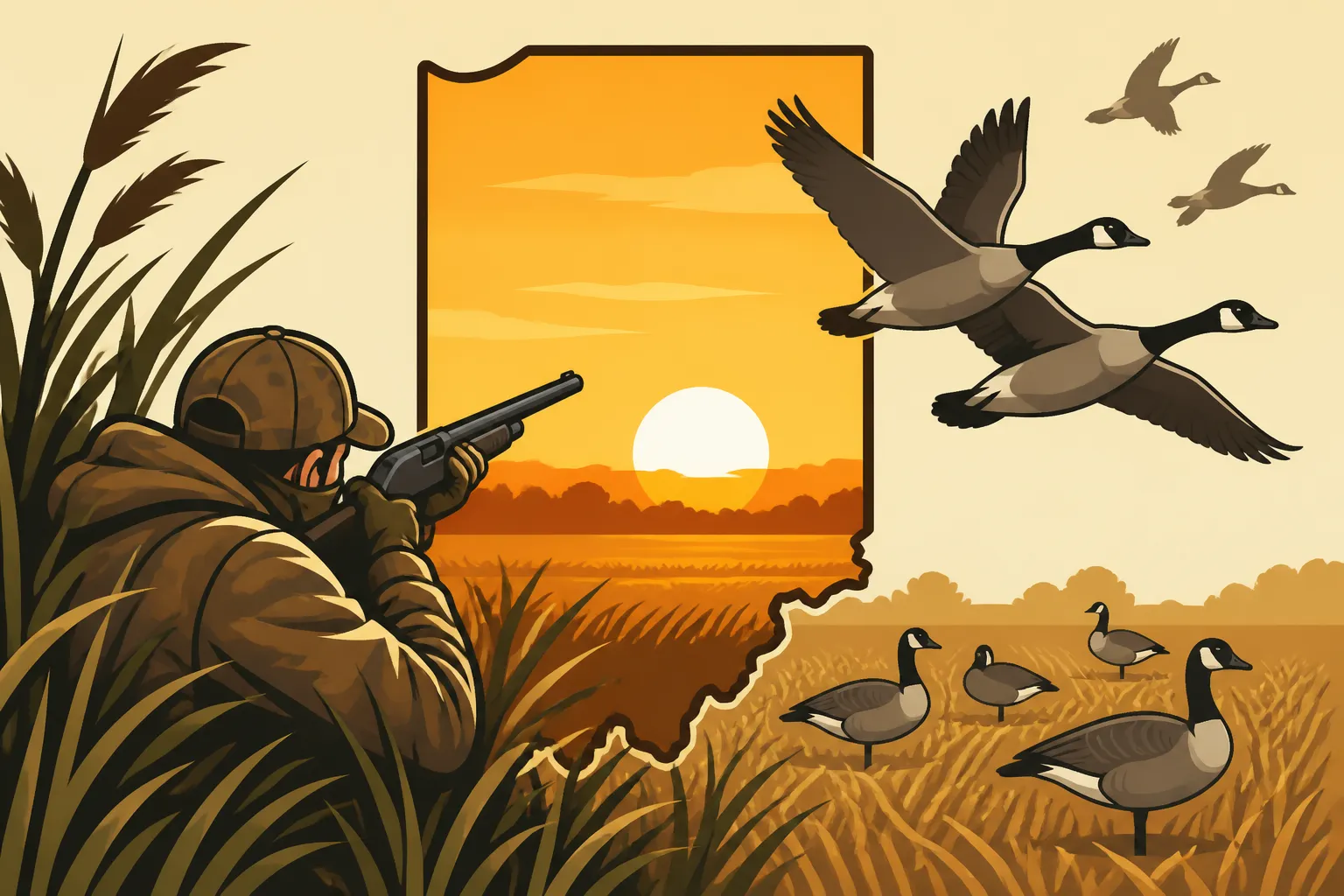
The early goose season in Indiana can be a real head-scratcher for many hunters. You've been dreaming of waterfowl season all summer, but when those first early September dates roll around, it often feels like a completely different ballgame than the brutal cold of late-season duck hunting. The birds are still largely unpressured, the weather is warm, and their patterns are based more on local food sources than major migrations, making finding and fooling them a unique challenge. This guide is all about equipping you with the specific tactics and knowledge you need to consistently put early season Canada geese in the bag right here in the Hoosier State.
Understanding Indiana's Early Goose Season Dynamics
When that early September air hints at autumn, many of us start getting the itch for waterfowl. But early goose season isn't just a mini-version of regular season goose hunting. The landscape, the weather, and most importantly, the birds themselves, are operating on a different set of rules. It’s crucial to understand these nuances to be truly successful.
Distinguishing Resident from Migratory Geese
The biggest difference in early goose season, hands down, is the quarry itself. We're primarily targeting resident Canada geese, not the big flocks that migrate down from the far north later in the fall and winter. These local birds were born and raised right here in Indiana, often on golf courses, local ponds, suburban parks, and countless farm fields. They haven't been shot at all summer, so they tend to be a bit more forgiving, but they’re also incredibly smart and pattern-able once they've established their routine.
Migratory geese, on the other hand, are the travelers. They haven't arrived in large numbers by early September. Our resident birds are comfortable in their summer stomping grounds. They’re less wary of typical hunting pressure because they haven't experienced much of it yet. This means they're often more interested in simply finding food and water than dodging hunters, which can be a double-edged sword. While easier to decoy at times, their patterns can be incredibly localized and specific, making scouting absolutely paramount. You might find a flock consistently hitting one small, isolated cornfield while completely ignoring another seemingly identical one just a mile away.
Knowing the difference also helps you anticipate their behavior. Resident geese often fly shorter distances from roost to feed, and they’ll return to the same spots day after day until something disrupts them. They’re creatures of habit, and understanding this provides a real advantage. They aren't pushed by huge weather fronts or severe cold like later-season birds; their daily movements are dictated by available sustenance and security.
Prime Early Season Habitats
So, where do these resident geese hang out during the early season? Forget the massive river bottoms and frozen fields of late winter. Early season geese are all about food and water, often in very accessible places. Think agricultural fields, especially those with freshly cut silage, early-harvested corn, or lush green alfalfa and clover fields. They also love manicured areas like corporate parks, golf courses, and even large retention ponds in suburban areas, though hunting these spots comes with its own set of challenges and requires careful attention to Indiana Firearms Discharge Setback Rules and local ordinances.
In terms of specific crops, early harvested cornfields are absolute magnets. These fields offer easy-to-access, high-energy food that geese crave. As farmers chop silage or begin to shell early corn, geese will move in quickly to glean what's left behind. Similarly, soybean fields that have been harvested can also draw birds. Don't overlook these; they can provide a surprising amount of forage for a hungry flock. Beyond row crops, lush green pastures and hayfields can also be hotbeds, especially if they have nearby water sources. Geese love to graze, and a field of succulent clover or alfalfa is like an all-you-can-eat buffet.
Water is another key component. While they might be feeding in a dry field, they need water to drink and to loaf on. This could be anything from a large farm pond, a small lake, or even a slow-moving section of a creek or river. Often, these water sources will be close to their preferred feeding grounds. Scouting the flight lines between these two essential habitat components is vital. Look for ponds or lakes that offer open water for loafing and protection, especially if they are surrounded by those attractive feeding fields. When scouting, pay close attention to the specific entry and exit points they use. These flight paths will be your best friend when setting up your spread. Many times, these "local" birds will also congregate on larger bodies of water, like sections of the Wabash River or various impoundments, before heading out to feed, providing a potential opportunity for hunters who are willing to run a boat spread.
Proven Tactics for Early Season Success
Early goose season often presents a unique set of challenges and opportunities. The birds are less pressured, yes, but the warm weather and abundant natural cover mean you need to be meticulous with your setup and calling. It's not about brute force; it's about finessing those local birds into your kill hole.
Effective Decoy Spreads for Early Season Success
Decoy spreads for early season geese can be a bit different from what you might use in the bitter cold of December. Since these birds are less wary and often flying in smaller family groups or loose flocks, you generally don't need a monstrous spread. Quality often trumps quantity here. A dozen to two dozen realistic full-body or shell decoys can be incredibly effective. The key is realism and motion. Remember, these birds are seeing natural-looking geese every day, so your spread needs to mimic that.
Think about what geese do in a field: they feed, they preen, they loaf. Your spread should reflect this natural behavior. Instead of a tight "V" or "U" pattern designed for wary migrators, opt for a more relaxed, loose feeding flock. Place some decoys with feeder heads down, others with sentry heads up, and a few preeners. Randomness often looks more natural than perfect symmetry. Motion decoys, such as flappers or even simple windsock flyers, can add that crucial element of life to your spread, especially on calm days. A couple of these strategically placed can make your spread pop. When Hunting Northern Indiana Farmland Deer, you learn that subtle movement is key; the same applies here.
It’s also important to consider the size of the field and the direction of the wind. Always set your decoys so that geese will want to land into the wind, directly in front of your blind. This gives them the best visibility of your spread and allows them to cup their wings for a controlled descent, bringing them right into your shooting zone. If you're targeting birds in a cut cornfield, for instance, try to place your decoys near any remaining stubble or low spots that might offer a bit of natural cover for your blinds, giving the appearance of geese feeding in a productive area.
Calling and Concealment Strategies
When it comes to calling early season geese, less is often more. These birds haven't been relentlessly pressured yet, so aggressive, loud calling can actually spook them. Think about mimicking contented feeding chatter or soft clucks and moans. A few subtle honks and clucks to get their attention, followed by quiet feeding calls as they approach, is often far more effective than blasting away on your call. If they're locked onto your spread and coming, sometimes the best call is no call at all. Let the decoys do the work.
Concealment, however, is absolutely non-negotiable, even with less-pressured birds. The fields are often still green, or stubble might not be very high in a freshly cut cornfield. This means you need to become a master of blending in. Layout blinds are your absolute best friend here, especially when you're Layout Blind Hunting a Cut Cornfield. They keep you low to the ground and allow you to disappear into sparse cover. Make sure to brush in your layout blind heavily with whatever natural vegetation is in the field. If it's a cornfield, use cornstalks. If it's a soybean field, use soybean stubble. If it's a hayfield, use hay. You literally cannot overdo it. The goal is to make your blind look like just another lump in the field, not an obvious rectangle.
Beyond layout blinds, natural cover can also be incredibly effective. Sometimes, a ditch line, a fencerow, or even a strategically placed bale of hay can provide enough concealment. Just ensure that you're not silhouetted against the sky and that you have a clear shooting lane. Pay attention to the sun's position as well; having the sun at your back makes it harder for geese to see into your setup as they approach. Using a high-quality mapping app like GoHunt can help you scout these areas from afar, identifying potential hidey-holes and optimal setup spots before you even set foot in the field. Remember, if you think you’re hidden enough, you probably aren’t. Take an extra five minutes to grab more stubble or adjust your position.
Essential Gear and Regulatory Knowledge
Hitting the field for early goose season requires more than just a shotgun and some shells. The warmer weather and specific regulations for this early window mean you need to come prepared. Knowing what gear to pack and precisely what the Indiana DNR expects from you is paramount to a successful and legal hunt.
Must-Have Gear for Early Goose Hunts
First and foremost, you need a reliable shotgun. Most hunters opt for a 12-gauge, which offers a good balance of pellet count and recoil. Pair that with a modified or improved cylinder choke for the relatively close-range shots you often encounter with early season geese. As for ammunition, you must use non-toxic shot for all waterfowl hunting in Indiana. Steel shot is the most common and economical choice, but bismuth or tungsten-matrix alternatives offer better performance if you're willing to pay a premium. Shot sizes like BB, BBB, or T are popular for geese. A 3-inch shell with 1 ¼ to 1 ½ ounces of shot usually does the trick.
Clothing is another critical consideration. Unlike late season, you’re not battling sub-freezing temperatures. Early September in Indiana can still be quite warm, even hot. Lightweight, breathable camouflage clothing is essential. Think quick-drying materials that can wick away sweat. You’ll want layers, however, as mornings can be cool and then quickly heat up. A good pair of waterproof boots is also wise, especially if you’re hunting near Hunting Wabash River Backwater Sloughs or even just dealing with morning dew in a field. Even if you're not in the water, mud and wet grass are common. If you anticipate wet conditions, Waders for Cattail Marsh Hunting are a smart investment, keeping you dry and comfortable.
Don't forget your hunting blind. As mentioned, layout blinds are kings for field hunting. Make sure it's brushed in well. You'll also need a comfortable stool or seat if you're hunting from natural cover. Beyond that, a good pair of binoculars can help you spot incoming birds at a distance, and a rangefinder ensures you know your ethical shooting limits. A quality calls, comfortable gloves, and a hunting vest or pack to carry your gear, shells, and snacks round out the essentials. Remember, staying hydrated is crucial in warm weather, so always pack plenty of water. Utilizing an app like GoHunt can help you consolidate your scouting notes, pinpoint locations for gear drops, and keep track of your daily bag limit.
Navigating Indiana's Regulations and Reporting
Before you even step foot in the field, you need to be legal. First, ensure you have a valid Indiana hunting license. For migratory birds, you'll also need a valid Indiana Federal Duck Stamp Requirement and your Indiana HIP Certification for Bird Hunters. These are non-negotiable. Always carry physical or digital proof of your licenses and stamps with you while hunting.
Understanding the specific dates and bag limits for early goose season is critical. Indiana has specific Indiana Goose Season Dates for the early season, typically beginning in early September. The bag limits are generally more generous during this period, often allowing for a higher number of geese per hunter compared to the regular season. Always double-check the current year's Indiana migratory bird regulations, as they can change annually. The DNR publishes these online, and they are your go-to source. It's also important to be aware of Indiana Duck and Goose Bag Limits even if you're targeting geese, as you might encounter ducks on the same bodies of water.
Shooting hours for migratory birds generally begin a half-hour before sunrise and extend until sunset. Again, check the current regulations for exact timings. Another crucial rule for goose hunting is the possession limit, which dictates how many birds you can have in your possession after the hunt, whether at home or in transport. This is usually higher than the daily bag limit. Finally, remember that all harvested game, including geese, must be properly tagged and reported according to DNR requirements. Familiarize yourself with the reporting process, whether it's via phone or online, to ensure you stay compliant. Ignoring regulations can quickly turn a fun hunt into a costly headache, so always err on the side of caution and informed compliance.
Disclaimer
Disclaimer: This information is intended for educational purposes only and is not a substitute for official hunting regulations. Always consult the current Indiana Department of Natural Resources (DNR) hunting regulations guide before heading afield to ensure compliance with all laws and seasons. Hunting involves inherent risks; always prioritize safety.