What to Do If You See an Indiana Black Bear
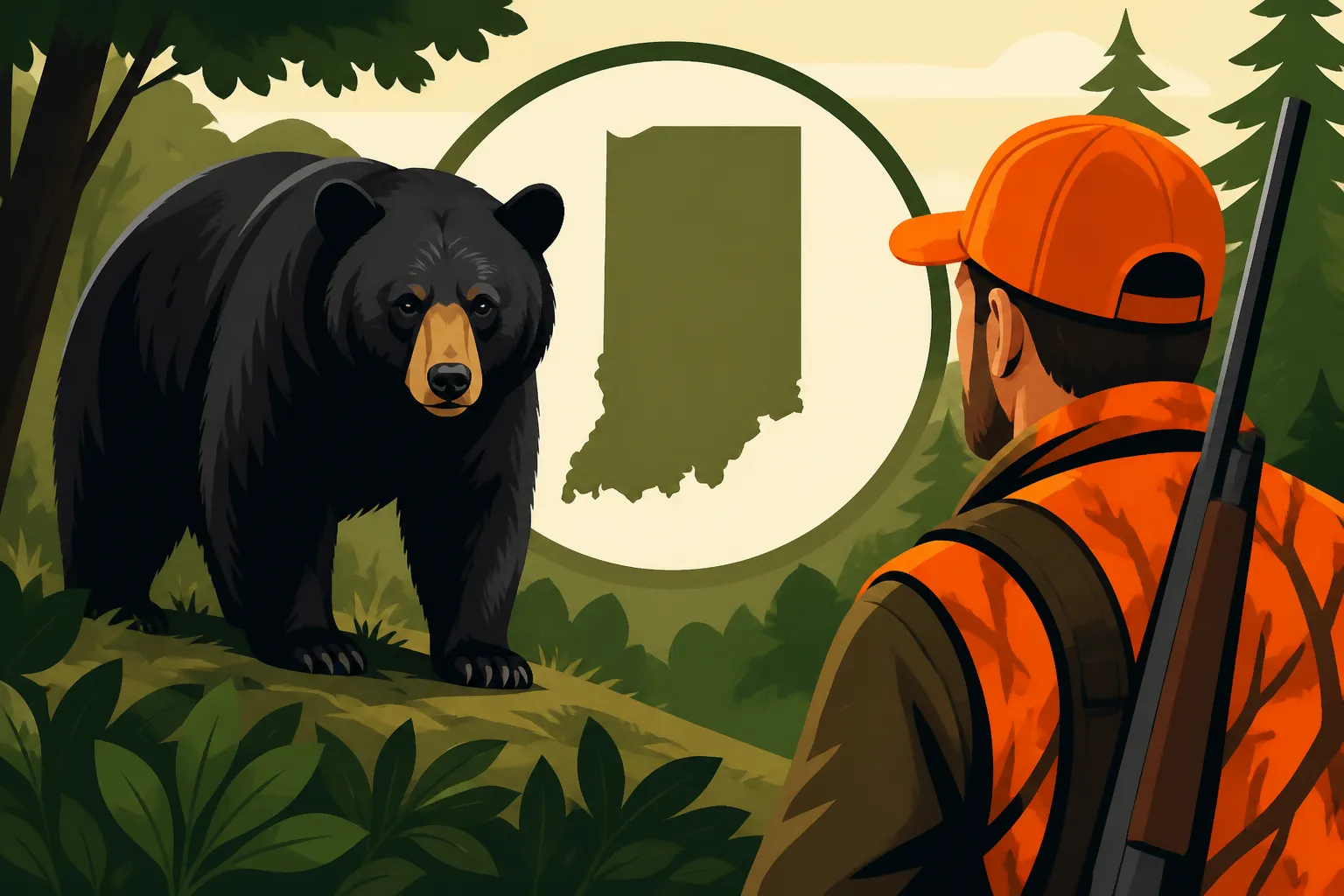
Imagine you're deep in the woods, the crunch of leaves underfoot the only sound, when suddenly, a large, dark shape moves through the undergrowth ahead. Your heart leaps into your throat – could it be? A black bear, right here in Indiana? While rare, these encounters are becoming a quiet reality for more Hoosier hunters and outdoors enthusiasts. This comprehensive guide is here to walk you through exactly what to do if you're lucky enough (or startled enough!) to cross paths with an Indiana black bear, ensuring your safety and helping protect these incredible animals.
The Reality of Indiana Black Bears: More Wanderer Than Resident
For decades, the idea of seeing a wild bear in Indiana was mostly relegated to old-timer tales or historical records. But things are changing. While we don't have a resident breeding population yet, black bear sightings are definitely on the rise, stirring both excitement and a little bit of anxiety among those of us who spend a lot of time in the woods. It's crucial to understand that these are usually young, curious males exploring new territories, not established local populations.
Where They Come From
Most of the black bears seen in Indiana are transient individuals, predominantly young males venturing out from established populations in neighboring states. Think of places like Michigan's Upper Peninsula, Wisconsin, or even Kentucky and Ohio. These adventurous bears are seeking new territories, food sources, and eventually, mates. They're often on a "walkabout," covering significant distances in search of a new home range.
The journey isn't always easy for them, crossing roads, rivers, and sometimes even surprising suburban areas. They follow natural corridors, river drainages, and expansive timber tracts, which is why sightings often occur in the more rugged, less-developed parts of the state. These bears aren't intentionally seeking out human interaction; they're simply navigating a landscape that offers a mix of suitable habitat and human development. It's a testament to the resilience of these animals that they can successfully traverse such diverse terrain.
Historical Context and Re-establishment
It's easy to forget that black bears were once native to Indiana. Prior to European settlement, they roamed freely across the state, playing a vital role in the ecosystem. However, habitat loss and unregulated hunting eventually led to their extirpation from Indiana by the mid-19th century. For over a century, the idea of a wild bear here was just a distant memory.
The current increase in sightings isn't part of a formal reintroduction program by the Indiana Department of Natural Resources (DNR). Instead, it's a natural re-colonization process, where bears are expanding their range from surrounding states on their own accord. This is a common pattern for many wildlife species as conservation efforts and habitat recovery improve in neighboring regions. It speaks volumes about broader ecological health that bears are even able to make their way back here, even if it's slowly and without direct human intervention. This natural return is a powerful indicator of changing landscapes and wildlife resilience across the Midwest.
Why Sightings Are Still Rare
Despite the increasing trend, seeing a black bear in Indiana remains a rare event. These animals are incredibly shy and secretive, preferring to avoid human contact whenever possible. They have an excellent sense of smell and hearing, often detecting our presence long before we're aware of theirs, giving them ample time to slip away unnoticed. Most encounters are fleeting glimpses, often at a distance, or discovered through trail camera photos.
The transient nature of these bears also contributes to their rarity. A bear might pass through a county for a few days or weeks and then move on, never establishing a permanent presence. While the media might highlight a specific sighting, it doesn't mean a breeding population has suddenly materialized. It's more likely a lone explorer passing through. If you want to learn more about this phenomenon, check out our piece on Why Black Bear Sightings Are So Rare in Indiana, which dives deeper into the factors at play. Understanding this helps us keep a realistic perspective: while exciting, it's still a privilege to witness one in the Hoosier State.
Immediate Actions When Encountering a Bear: Safety First
So, you've seen one. That initial surge of adrenaline is totally normal. Whether you're in the deep timber of the Hoosier National Forest Hunting for deer or just walking a remote trail, a bear encounter can be startling. But how you react in those crucial first moments can make all the difference for your safety and the bear's. Remember, these bears are generally not looking for trouble, and most will avoid confrontation if given the chance.
Staying Calm and Assessing the Situation
The absolute first thing to do is to control your initial reaction. Panicking or screaming can be misinterpreted by the bear and escalate the situation. Take a deep breath. Assess the bear's behavior and its distance from you. Is it aware of your presence? Is it moving towards you, or away? Is it foraging, or looking in your direction? A calm, measured response is always the best approach.
If the bear hasn't seen you, and you have a clear, safe escape route, slowly and quietly back away, making sure you don't break eye contact or turn your back. Keep an eye on its movements, but don't stare aggressively. The goal is to disengage without startling the animal. Remember, most black bears are more scared of you than you are of them, especially a lone wanderer far from its home turf.
Making Your Presence Known
If the bear has seen you, and it's within a reasonable distance (say, under 100 yards) or seems curious, it's time to make your presence known. You want to make yourself look as large as possible. Hold your arms out wide, stand tall, and slowly wave them. Speak in a firm, calm, and assertive voice. Say things like, "Hey bear! Get out of here!" or "Go on, bear!" You're not trying to be aggressive, but rather to convey that you are a human and not a prey animal.
The idea is to de-escalate. Never run. Running can trigger a chase response, which you absolutely want to avoid. If you're carrying a pack, sometimes lifting it above your head can add to your perceived size. Make sure the bear has an escape route. Don't corner it or block its path. Your objective is to convince the bear to move away, not to confront it. This is especially true if you're out Hunting Indiana's Long Archery Season and might be more focused on stealth than making noise.
What Not to Do
There are a few critical things to avoid when you encounter a black bear. As mentioned, never, ever run. This is perhaps the most important rule. Another common mistake is to try and approach the bear for a photo or a closer look. While it's an incredible experience, maintaining a safe distance is paramount. Respect its space. Do not feed the bear, or attempt to offer it food, even if it seems non-threatening. A fed bear is a dead bear, as habituation to human food often leads to bears becoming nuisances and eventually, needing to be removed.
Also, avoid making direct, prolonged eye contact, as this can be perceived as a challenge by some wildlife. Instead, avert your gaze slightly but keep the bear in your peripheral vision. Don't drop your backpack or other belongings; if you need to retreat, you want your gear with you. And if you're carrying any food, don't throw it at the bear, as this only reinforces the idea that humans are a source of food. Your best bet is always to remain calm, appear large, and slowly back away while speaking firmly.
Understanding Bear Behavior: Interpreting Their Cues
Deciphering a bear's intentions can feel a bit like reading tea leaves, but there are definite signs and behaviors that can help you understand whether a bear is just passing through, curious, or feeling threatened. Most black bear encounters end peacefully because they prefer to avoid conflict. Knowing what to look for will empower you to react appropriately and keep both yourself and the bear safe.
Body Language and Warning Signs
Black bears communicate a lot through their body language. A bear that is merely curious might stand on its hind legs to get a better view or sniff the air. This isn't usually an aggressive act; it's just trying to figure out what you are. If a bear feels threatened, it might show more pronounced warning signs. These can include huffing, jaw popping, or swatting the ground with its paws. It might also lower its head, lay its ears back, and stare directly at you. These are clear signals that the bear is uncomfortable and wants you to back off.
A "bluff charge" is another common warning behavior. The bear will run towards you, sometimes stopping just a few feet away, or veering off at the last second. This is almost always a defensive display, a way for the bear to test your reaction and try to intimidate you. It wants you to leave. During a bluff charge, it's critical to stand your ground, continue to make noise, and appear large. Do not run or scream. It takes nerves of steel, but holding your position is key. This is a moment where using your loud, firm voice is absolutely necessary to show you're not a threat but also not prey.
When a Bear is Curious Versus Defensive
A curious bear often shows signs of exploration. It might approach cautiously, sniffing the air, but typically won't display aggressive body language. It might even wander closer out of pure inquisitiveness, especially younger, inexperienced bears. In these cases, making noise and making yourself large is usually enough to send it on its way. They're just trying to identify you.
A defensive bear, on the other hand, is responding to a perceived threat. This could be you accidentally getting too close to its cubs (though mothers with cubs are exceedingly rare in Indiana right now), a food source it's protecting, or simply feeling cornered. The warning signs mentioned above – huffing, jaw popping, bluff charges – are all indicators of a defensive stance. In such scenarios, your best strategy is to continue to appear large and speak firmly, slowly backing away to give the bear space. The goal is to convince the bear that you are not a threat and that it has ample opportunity to escape.
Preventing Conflict and De-escalation
The best way to handle a bear encounter is to prevent it from escalating in the first place. When you're out in the woods, especially in areas like Hunting Southern Indiana Hill Country where cover can be thick, make noise periodically. Sing, talk loudly, or clap your hands to announce your presence. This gives any wildlife, including a bear, a chance to hear you coming and move away before a surprise encounter. Many hunters use an app like GoHunt to scout public land, but it's just as useful for checking for potential high-cover areas where a bear might be unseen until you're too close.
If a bear continues to follow you or approaches aggressively (beyond a bluff charge), it's time to fight back. Black bear attacks are incredibly rare, but if it happens, target the bear's face and snout with anything you have—sticks, rocks, your fists. The vast majority of defensive attacks can be deterred by fighting back. Again, this is a last resort and extremely uncommon for black bears, especially the transient ones we see in Indiana. Always remember: avoid startling them, give them space, and make your presence known.
Reporting a Bear Sighting: Why It Matters
After an encounter, or even if you just spot one from a distance, reporting it to the authorities is absolutely crucial. These sightings provide valuable data that helps the Indiana Department of Natural Resources (DNR) monitor bear movements, understand their preferred habitats, and track their potential re-establishment in the state. Each report contributes to a larger picture, helping wildlife biologists make informed decisions.
Notifying the Indiana Department of Natural Resources (DNR)
The primary contact for reporting a black bear sighting in Indiana is the Indiana DNR. You can reach them through their main phone number or via their website. They have a dedicated system for tracking wildlife sightings, including those of rare species like black bears. Don't hesitate to call, even if the sighting was brief or at a distance. They are eager to receive this information, as it helps them gauge the presence of these animals.
When you call, be prepared to provide as much detail as possible. Even if you're using a tool like GoHunt to record your hunting spots, taking a moment to record the bear's location directly after an encounter is vital. The DNR needs precise information to verify and map these movements. Remember, they aren't going to send a capture team out unless there's a specific threat or injury; they're collecting data for scientific purposes. This helps us understand How Indiana Tracks Wandering Bear Sightings.
What Information to Provide
When you contact the DNR, they'll typically ask for the following details:
- Date and Time of Sighting: The more precise, the better.
- Exact Location: Provide a precise address, road intersection, GPS coordinates, or identifiable landmarks. If you used a mapping app, note the coordinates.
- Description of the Bear: Its estimated size, color, distinguishing features (if any), and whether it appeared healthy or injured. Did you see any cubs? (Again, unlikely for Indiana, but good to note).
- Bear's Behavior: What was the bear doing? Was it foraging, running, standing, or interacting with anything? Was it aggressive, curious, or simply passing through?
- Your Activity: What were you doing when you saw the bear? Hunting, hiking, driving?
- Photos or Videos: If you managed to capture any, these are incredibly valuable for verification and identification. They don't need to be professional quality; even a blurry distant shot can help.
Providing accurate and thorough information allows the DNR to build a robust database of bear activity. They use this data to inform public education, manage potential conflicts, and understand broader wildlife trends, contributing to the state's overall Indiana Wildlife Disease Monitoring efforts, which can sometimes include tracking general animal health.
The Importance of Documentation
Beyond just calling the DNR, documenting your sighting can be beneficial for various reasons. For wildlife enthusiasts, it's a memorable personal record. For the broader community, photos and videos (taken safely from a distance!) can help raise awareness and educate others about bear presence and appropriate responses. This kind of grassroots information can be invaluable for local communities that might be unprepared for such encounters.
Sometimes, multiple sightings in a specific area indicate a bear might be lingering or even establishing a temporary home range. The cumulative data from these reports helps the DNR determine if any targeted management actions are needed, such as increased public awareness campaigns in certain regions. So, don't think your sighting is insignificant—every piece of information helps build a clearer picture of Indiana's evolving wildlife landscape.
| Action | Do's | Don'ts |
|---|---|---|
| Awareness | Make noise when hiking, especially in thick cover. Be alert and scan your surroundings. | Assume bears aren't present. Rely solely on visual cues; listen for sounds. |
| Encounter | Stay calm. Make yourself look big (wave arms, stand tall). Speak in a firm, calm voice ("Hey bear!"). Back away slowly. | Run. Scream. Approach the bear. Make sudden movements. Stare aggressively. Drop your pack. Throw food. |
| If Attacked | Fight back aggressively (aim for face/snout). Use anything at hand. | Play dead (this is for grizzly bears, not black bears). Give up. |
| After | Report sighting immediately to Indiana DNR. Provide detailed location, description, and behavior. Take photos/video (safely). | Keep the sighting a secret. Exaggerate details. Expect immediate intervention unless there's an immediate threat. Feed the bear afterward (never!). |
Living and Hunting in Bear Country: Prevention is Key
Even if Indiana isn't "bear country" in the traditional sense, treating areas with potential bear activity with similar precautions is just smart. Whether you're chasing whitetails during Indiana's Firearms Deer Season or spending a weekend camping, minimizing potential attractants and understanding proper wilderness etiquette goes a long way in preventing negative interactions with any wildlife, including an inquisitive black bear.
Securing Food and Attractants
Bears are highly motivated by food, and their sense of smell is incredibly keen. This means anything with an odor can draw them in. If you're camping, store all food, cooking gear, trash, and even scented toiletries (like toothpaste or deodorant) in bear-resistant containers, hung from a tree limb (at least 10-12 feet high and 4 feet from the trunk), or locked inside your vehicle. Never leave food unattended, even for a short time. This applies not only to traditional camping but also to hunter camps where coolers and cooking smells can be potent.
For those of us who hunt or spend extended time in the backcountry, packing out all trash and food scraps is non-negotiable. Even small remnants of a sandwich or a candy bar wrapper can be enough to draw a bear's attention. Avoid burning food waste in your campfire, as it rarely burns completely and leaves behind tempting odors. The goal is to make sure your presence doesn't inadvertently train a bear to associate humans with an easy meal, which is a recipe for conflict.
Campsite and Trail Etiquette
Beyond food storage, general etiquette in areas where bears might roam is important. When selecting a campsite, choose one away from dense thickets or berry patches, which might be natural food sources or bedding areas for bears. Keep your camp clean and organized. Avoid strong-smelling foods like bacon or fish if you can, or cook them well away from your sleeping area.
On the trails, continue to make noise, especially when traversing blind corners or dense vegetation. This "alerting call" is crucial to give wildlife a chance to move off before you get too close. If you spot fresh bear sign – scat, tracks, or claw marks on trees – be extra vigilant. While you don't need to turn around and leave, it's a sign that a bear is using the area, and you should heighten your awareness. When mapping out your routes, using a tool like GoHunt can help identify potential areas of dense cover or natural funnels where wildlife might travel unseen.
Carrying Bear Spray and Knowing How to Use It
While most Indiana black bear encounters won't warrant its use, carrying bear spray is a wise precaution, especially if you're venturing into more remote areas or regions with increased bear activity. Bear spray is a highly concentrated pepper spray designed to deter charging bears. It's not a repellent to keep bears away; it's a defensive tool for close-range encounters.
The key to bear spray is knowing how to use it before you need it. Make sure it's easily accessible (not buried in your pack) and understand how to deploy it quickly. Familiarize yourself with the range and spray pattern. If a bear is charging, you typically deploy the spray when the bear is within 20-30 feet, aiming for its face. Always remember that wind direction can affect the spray, so be mindful of that. It's a non-lethal deterrent that can prevent serious injury to both you and the bear, and a tool any serious outdoors person might consider, even when Scouting Indiana Public Land Before Season.
Debunking Myths and Misconceptions About Indiana Bears
The idea of black bears returning to Indiana is still new enough that a lot of misinformation can circulate. It's natural to have questions, and sometimes fears, about unfamiliar wildlife. Separating fact from fiction is crucial for responsible co-existence and ensuring that any interactions are handled safely and respectfully for both humans and bears.
The "Aggressive Predator" Myth
One of the biggest misconceptions about black bears, particularly in areas where they are just starting to reappear, is that they are inherently aggressive predators. This simply isn't true. Black bears are generally shy, reclusive animals that prefer to avoid human contact. The vast majority of black bear attacks on humans are defensive, often in response to a bear feeling threatened or protecting cubs or a food source. They are opportunistic omnivores, meaning their diet consists primarily of berries, nuts, insects, roots, and occasionally small mammals or carrion. Humans are not on their menu.
It's important to differentiate between predatory behavior and defensive behavior. A defensive bear wants you to leave and will give warning signs. A predatory bear is extremely rare but would approach silently and stalk. If a black bear does attack, it's almost always a defensive one, and fighting back vigorously is the recommended response. The chances of a black bear initiating a predatory attack are incredibly low, almost non-existent for the transient individuals we currently see in Indiana. These are not the man-eating beasts of horror movies; they are wild animals trying to survive.
Black Bears Versus Grizzlies: A Critical Distinction
While this might seem obvious given Indiana's location, it's worth reiterating: the bears we occasionally see in Indiana are black bears (Ursus americanus), not grizzly bears (Ursus arctos horribilis). This distinction is critical because their behavior and the recommended responses to encounters differ significantly. Black bears are generally smaller, have a straight facial profile, and lack the prominent shoulder hump and long claws characteristic of grizzlies. Their ears are typically larger and more rounded in proportion to their head.
More importantly, the advice for a black bear attack is to fight back, whereas for a grizzly, you typically play dead. Confusing these responses could have dire consequences. Since grizzlies are not present in Indiana, if you ever face an aggressive bear, the "fight back" strategy for black bears is the one to remember. This knowledge helps us better understand Indiana's Occasional Black Bear Wanderers and how to react safely.
The Future of Bears in Indiana
What does the future hold for black bears in Indiana? It's difficult to say with certainty. The Indiana DNR monitors sightings closely, and they acknowledge the possibility of a resident breeding population eventually establishing itself. However, for that to happen, we would need to see more females moving into the state and successfully raising cubs, which has not been widely documented yet. The current pattern suggests continued transient movements rather than permanent settlement.
Any future re-establishment would depend on habitat availability, public acceptance, and the continued expansion of bear populations in surrounding states. It would also likely lead to a new set of regulations, similar to how the state handles Indiana Feral Hog Regulations or Indiana Fall Turkey Season Structure. For now, continued education, responsible outdoor practices, and diligent reporting of sightings are the best ways we can support the natural return of these majestic animals and ensure safe coexistence for everyone.
Disclaimer
This guide is for informational purposes only and is not a substitute for professional advice or training. Wildlife behavior can be unpredictable. Always exercise caution and common sense when in the outdoors. Follow all local and state regulations regarding wildlife interactions.