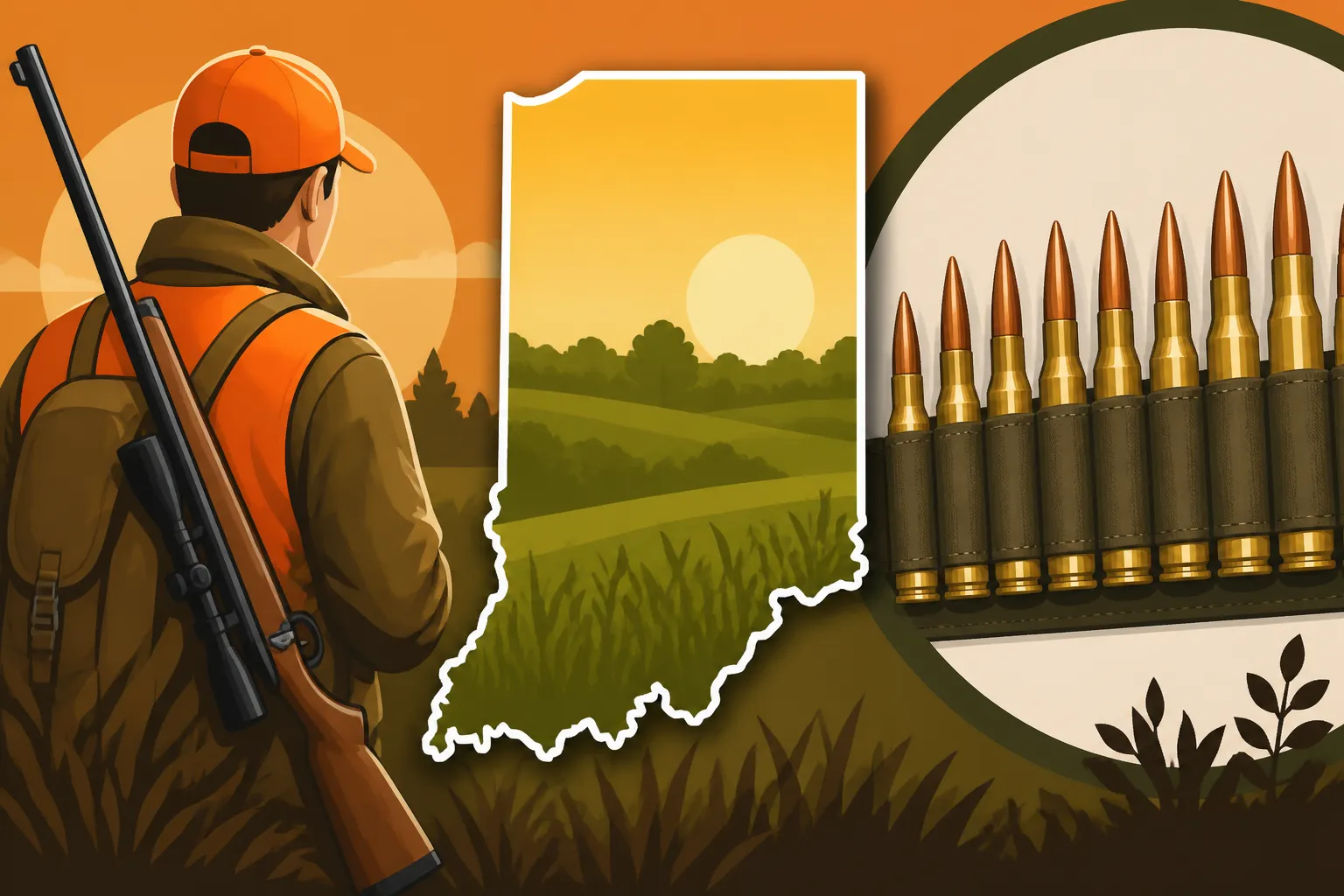
Carrying More Than Ten Rifle Cartridges Afield
It's easy to get tangled up in all the hunting regulations, especially when laws change and rumors start flying around. Many Hoosier hunters, particularly with the recent shifts in our rifle laws, find themselves wondering about seemingly simple things, like how many rifle cartridges they're actually allowed to carry into the woods. The truth can sometimes be surprising, and we're here to clear up any confusion and help you understand the current rules so you can hunt with confidence and stay on the right side of the law.
Clearing Up the Cartridge Confusion: Indiana's Stance
Let's address the elephant in the room right away: there's a common misconception, often born from rules in other states or even outdated Indiana regulations, that there's a strict, low limit on the number of rifle cartridges you can carry afield while hunting. This simply isn't the case in Indiana. Unlike some jurisdictions that impose specific magazine capacity limits for hunting or even total round counts for hunters in the field, Indiana does not have a state-mandated restriction on the number of rifle cartridges you can physically carry with you.
This might come as a relief to some, and a surprise to others who have been operating under different assumptions. The focus in Indiana's hunting regulations for rifles has historically been much more about the type of firearm and cartridge allowed for specific game, rather than the quantity of ammunition a hunter possesses. The recent, significant changes regarding rifle use for deer hunting have only reinforced this, opening up more options for hunters without adding new restrictions on ammunition carriage.
The Historical Context of Indiana's Rifle Laws
To truly understand why this question about cartridge limits even comes up, it helps to look back at Indiana's history with rifle hunting. For decades, our state had some of the most restrictive rifle laws in the nation when it came to deer hunting. We were primarily a "shotgun slug" state, with various forms of "rifled slug guns" or very limited "straight-wall cartridge" rifles being the only exceptions. These rules often felt arbitrary and certainly limited a hunter's choices.
This past era of strict limitations bred a culture of meticulous rule-following and careful interpretation of every line in the hunting guide. When a state restricts the very type of firearm or ammunition you can use, it's natural for hunters to wonder if other, equally specific restrictions might also be lurking in the rulebook, such as limits on how much ammo you can carry. It was a frustrating time for many who wanted to use more capable firearms for our abundant deer herd.
Thankfully, those days are largely behind us. With the passage of Senate Bill 280, Indiana made a huge leap forward, removing the straight-wall cartridge requirement and effectively legalizing most centerfire rifles for deer hunting statewide. This change was a long time coming and dramatically expanded the options for Hoosier hunters. You can read more about these exciting developments in our guide on Indiana's New Statewide Rifle Rules. This modernization of our laws shows a trend towards less restrictive, more common-sense firearm regulations for hunters, and the lack of a cartridge carrying limit fits right into that narrative.
What About Magazine Capacity?
Another point of potential confusion comes from magazine capacity. Many states have specific laws limiting the capacity of magazines, particularly for semi-automatic firearms, when used for hunting certain game animals. For example, some states might limit you to a 5-round magazine for deer hunting, regardless of how many extra loaded magazines you carry.
In Indiana, for general hunting of deer and other big game, there are no state-mandated magazine capacity restrictions for centerfire rifles. You can use a standard capacity magazine, even if it holds more than ten rounds, provided your firearm is legal for the game you are pursuing. This is another area where Indiana maintains a more permissive stance compared to some other states. However, it's always smart to double-check the current Indiana DNR hunting regulations, which are readily available through the Go Outdoors Indiana platform or their annual digest. This way, you're always aligned with the most up-to-date information.
Practical Considerations for Carrying Ammunition Afield
Just because you can carry an unlimited number of cartridges doesn't mean you should or that it's always practical. Common sense and good hunting ethics usually dictate a more reasonable approach. Think about the type of hunt you're on, the terrain, and your personal needs.
How Much is "Enough"?
For most deer hunts, especially a day hunt on public or private land, a handful of rounds is typically more than sufficient. Many hunters will carry:
- Three to five rounds in their rifle's magazine (depending on capacity).
- An additional five to ten rounds stored securely in a small ammo wallet, a pocket, or a dedicated compartment in their hunting pack.
This gives you enough for a few follow-up shots if needed (though hopefully, you only need one!), and a couple of extra rounds for confidence or an unexpected target of opportunity if you're multi-species hunting (e.g., coyotes are fair game year-round). Going out with a full box of 20 rounds, or even multiple boxes, isn't illegal, but it adds unnecessary weight and bulk for a typical deer hunt.
Consider the scenario: you're still-hunting southern Indiana ridges, slowly covering ground, or perhaps nestled into a stand for Hunting the Rut in Early November. You'll likely encounter a limited number of shot opportunities. An excessive amount of ammo won't increase your chances; good scouting and shot placement will.
Secure Storage and Safety
Regardless of quantity, how you store your ammunition afield is paramount for safety. Loose rounds rattling around in a coat pocket can be damaged, potentially causing feeding issues or even a misfire. More importantly, they can accidentally fall out or get mixed with other items, leading to unsafe handling.
Best practices for carrying ammunition:
- Dedicated Ammo Wallets or Holders: These are small, convenient pouches or belts that hold individual cartridges securely, protecting them from dirt and damage. They also keep them easily accessible.
- Original Boxes: If you're carrying a larger quantity (e.g., for a multi-day trip or if you plan on doing some target shooting at a camp-approved location), keep the cartridges in their original factory boxes. These are designed to protect the rounds.
- Separation from Firearm: Always store ammunition separately from your firearm when transporting it, especially in a vehicle. This is a basic firearm safety rule that helps prevent accidental discharge and adheres to safe transport laws.
- Weather Protection: Keep your ammunition dry. Moisture can degrade primers and powder, leading to unreliable performance. A waterproof pouch or container is a wise investment, especially during our unpredictable Indiana weather.
When you're packing your gear for Sighting In a Centerfire Rifle for Indiana Woods, think about how you'll manage your rounds. A few extra for fine-tuning your zero, plus a hunting load, should be planned.
Broader Firearm Regulations for Indiana Hunters
While the good news is you generally don't have to worry about a cartridge count, there are other crucial firearm-related regulations every Indiana hunter must be aware of. Staying informed is key to a safe and successful season.
Legal Firearms for Deer Hunting
With the new statewide rifle rules in effect, the options for Indiana hunters are now much broader. You can use:
- Centerfire Rifles: As mentioned, most common sporting rifle calibers are now legal. This is a huge shift from the old straight-wall only days. Check out Choosing a Rifle Now That Cartridge Limits Are Gone for advice on selecting a rifle.
- Shotguns: Still a popular choice, especially for those who prefer the familiar feel or hunt in dense areas.
- Muzzleloaders: These remain a popular option, especially during the special December season. For tips on this, see Muzzleloader Deer Hunting in Indiana.
- Handguns: Specific calibers and barrel lengths apply.
- Bows and Crossbows: These are legal throughout the archery season. Our article on Bowhunting Indiana's Long Archery Season has more details.
- Other specialized equipment: There are also provisions for air rifles and atlatls.
It's vital to consult the current Indiana Hunting & Trapping Guide for a complete list of legal firearms and any specific restrictions that might apply to certain seasons or game animals. The DNR's website, accessible via the Go Outdoors Indiana portal, is the ultimate authority. Even experienced hunters often carry a digital copy of the regulations on their phone or tablet when out in the field. Using a GPS and mapping app like GoHunt can also help you mark your location relative to public/private land boundaries, ensuring you're always following rules specific to your hunting area.
Blaze Orange Requirements
One regulation that hasn't changed, and for very good reason, is the blaze orange requirement during firearms seasons. Safety first, always! Hunters (and anyone accompanying them) must wear hunter orange whenever hunting deer, rabbit, pheasant, quail, or grouse with a firearm. This includes all firearms seasons for deer.
The specific requirements are:
- At least one visible article of external clothing (e.g., vest, jacket, coat, hat) must be vivid hunter orange.
- The hunter orange must be worn above the waist and be clearly visible from all directions.
- A minimum of 400 square inches of hunter orange is required.
These rules are non-negotiable and are in place to ensure maximum visibility and safety in the woods. Make sure you and everyone in your hunting party are compliant. For more on this, check out Indiana Blaze Orange Requirements.
Public vs. Private Land Rules
While the statewide regulations generally apply, there can be specific nuances when hunting on public land versus private land. For instance, some Fish & Wildlife Areas (FWAs) or State Forests might have additional rules regarding shooting hours, vehicle access, or even specific types of hunting allowed. Always check the local rules for any public property before you hunt.
Conversely, when hunting on private land, while state laws still apply, you also need to ensure you have explicit permission from the landowner. Trespassing is a serious offense in Indiana. Always ensure you have a clear understanding of property lines, especially if using a tool like GoHunt to scout and define boundaries.
Here's a quick reference table summarizing common rifle hunting queries in Indiana:
| Aspect | Common Misconception (Pre-2023 SB 280) | Current Indiana Law (Post-2023 SB 280) |
|---|---|---|
| Cartridge Carrying Limit | You can only carry X number of rounds afield. | No state-mandated limit on the number of rifle cartridges a hunter can carry afield. |
| Deer Rifle Type | Only straight-wall cartridges or shotguns allowed. | Most common centerfire rifle cartridges are now legal statewide for deer. |
| Magazine Capacity | Strict low limits (e.g., 5 rounds) for hunting rifles. | No state-mandated magazine capacity limits for hunting big game with rifles. |
| Blaze Orange | Varies by season or specific area. | Required during all firearms seasons for deer, pheasant, quail, grouse, and rabbit (400 sq. inches). |
| Hunter Education | Only for youth or first-time hunters. | Required for all hunters born after December 31, 1986. Exceptions apply for apprentice licenses. |
For those looking to deepen their understanding of all things Indiana hunting, remember that resources like the official DNR website and apps like GoHunt are invaluable. They provide up-to-date maps, regulations, and often allow you to purchase licenses and report harvests right from your phone. Knowing these rules ensures you have a smooth and ethical hunting experience. Happy hunting, and stay safe out there!
Disclaimer
The information provided in this guide is for general informational purposes only and is not intended as legal advice. Hunting regulations in Indiana can change, and it is the hunter's responsibility to consult the most current official Indiana Department of Natural Resources (DNR) hunting regulations and relevant state laws before participating in any hunting activity. Always confirm specific rules, dates, and requirements with the Indiana DNR directly to ensure full compliance.