Indiana Pheasant Permit Requirement
Hunting pheasants in Indiana can feel a bit like navigating a maze of rules and regulations, especially when you're just trying to figure out what permits you actually need to be legal afield. It’s not always as straightforward as just buying a general hunting license, and the confusion around special stamps or registrations can be a real headache. This guide is going to walk you through exactly what permits and registrations are essential for a successful and legal pheasant hunt in the Hoosier State, so you can focus on the hunt itself, not the paperwork.
Understanding Indiana's Pheasant Hunting Structure
Before we dive into the nitty-gritty of permits, it’s really helpful to understand why Indiana has specific rules for pheasant hunting. The story of pheasants in Indiana is a bit complex, and it directly influences the management and permit requirements we see today. Knowing this background makes the rules less arbitrary and more about sustainable hunting opportunities.
The Difference Between Wild and Stocked Birds
Historically, Indiana once had a more robust wild pheasant population, particularly in the northern half of the state where agriculture provided suitable habitat. We're talking about those vibrant, wild birds that challenged even the best dogs and hunters. However, over decades, changes in farming practices, increased development, and habitat loss have significantly impacted these wild populations. It's a sad reality for many upland bird hunters across the Midwest.
Today, truly wild, self-sustaining pheasant populations are quite limited in Indiana. While some pockets might still exist, especially in areas with undisturbed grassland and diverse agricultural landscapes, the vast majority of pheasant hunting opportunities in the state rely on stocked birds. This distinction is crucial because the permits and management efforts are largely geared towards supporting these "put-and-take" hunting programs. When you hit the fields at a Fish and Wildlife Area (FWA) expecting to flush a rooster, chances are that bird was raised in captivity and released specifically for hunting recreation. This reality underpins why certain permits exist, as they directly fund these stocking initiatives and the habitat maintenance on public lands where these birds are released.
Where Stocked Pheasants Come Into Play
To ensure there's still a pheasant season for hunters to enjoy, the Indiana Department of Natural Resources (DNR) maintains a significant pheasant release program. This means that thousands of pheasants are raised in game farms and then released onto designated public hunting areas before and during the hunting season. These areas are primarily Indiana's Fish and Wildlife Areas, which are managed specifically for wildlife habitat and public recreation, including hunting.
You'll find these stocked pheasants at several well-known FWAs across the state, such as Atterbury, Willow Slough, Glendale, Winamac, Tri-County, and J.E. Roush. These locations often host special reserved hunts or have specific regulations designed to manage hunter numbers and ensure a fair distribution of birds. This put-and-take model, while different from hunting wild birds, provides a fantastic opportunity for hunters, especially those with bird dogs, to experience the thrill of a pheasant flush. However, managing these programs — from raising the birds to maintaining the diverse habitat they briefly inhabit — comes with a cost. This is where the specific permit requirements truly make a difference, as they provide dedicated funding for these efforts, ensuring these hunting opportunities continue year after year. For more information on these specific areas, you might find details under entries like Willow Slough FWA Pheasant Hunting.
The Specific Permit Requirement for Pheasant Hunting
Navigating the various licenses and stamps can be a bit confusing, but when it comes to pheasants in Indiana, there are a couple of key things you absolutely need in addition to your basic hunting license. These aren't just arbitrary fees; they directly support the very programs that make pheasant hunting possible in our state.
The Indiana Game Bird Habitat Stamp
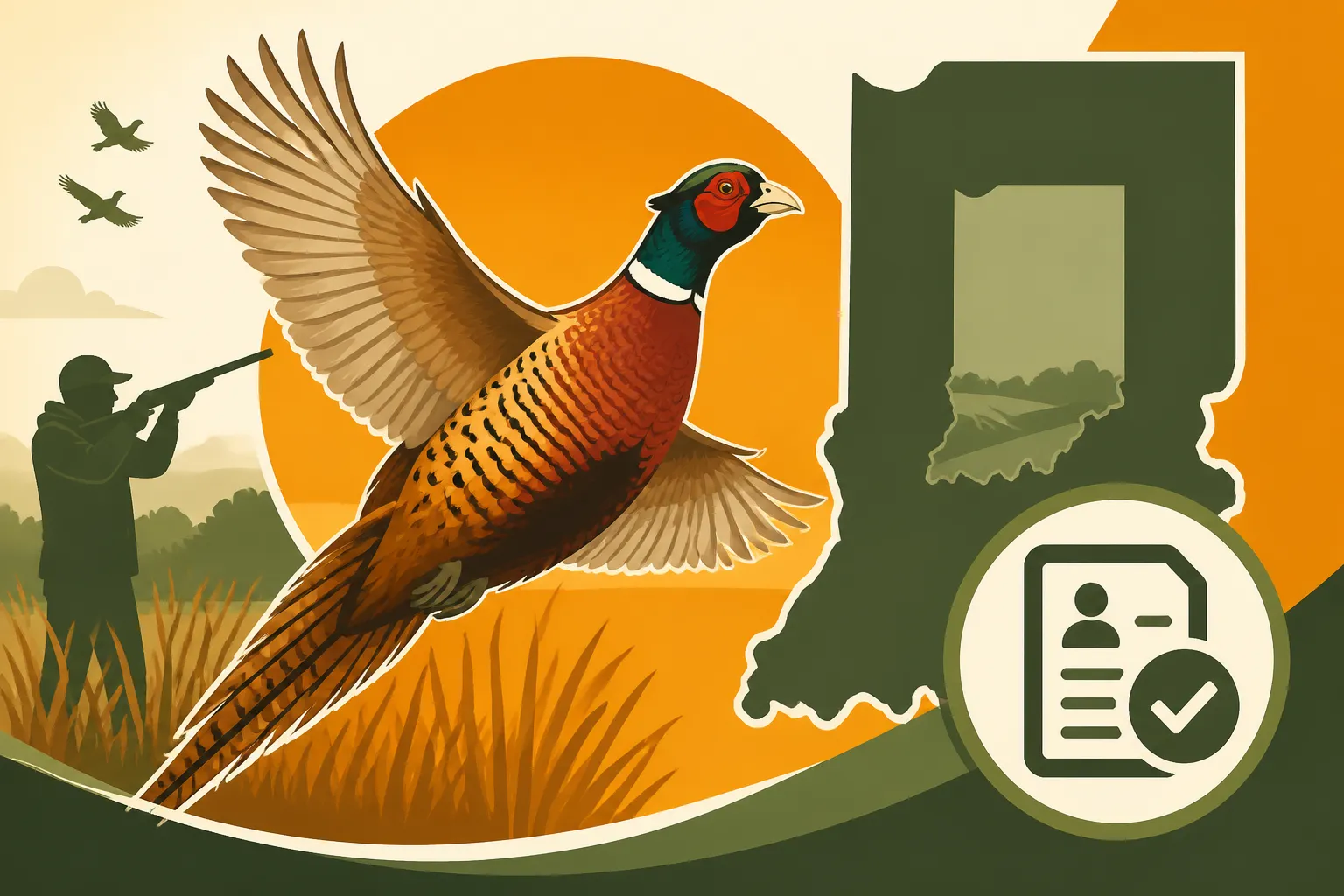
This is perhaps the most specific permit you'll encounter for pheasant hunting in Indiana. The Game Bird Habitat Stamp, often referred to as a permit, is a mandatory purchase for anyone who plans to hunt pheasants, quail, ruffed grouse (where still found, though rare), or even wild turkeys during the fall season. Its primary purpose is right there in the name: it provides dedicated funding for the management, restoration, and acquisition of game bird habitat across the state. This includes the crucial grassland and early successional habitats that pheasants, both wild and stocked, rely on.
Even though many pheasants you'll hunt are stocked, the revenue from this stamp helps maintain the public lands where they are released and supports broader conservation efforts that benefit all game birds. Without these funds, the put-and-take programs and the vital habitat work wouldn't be sustainable. The stamp itself isn't a separate piece of paper you physically affix to anything anymore; it's generally recorded electronically with your other license purchases. The cost is pretty reasonable, typically around $11 for residents, and it's easily purchased through the Go Outdoors Indiana system, whether online, via their mobile app, or from any authorized license vendor. Think of it as your direct contribution to keeping those pheasant fields buzzing with activity.
Base Hunting License and HIP Registration
Before you even think about the Game Bird Habitat Stamp, you absolutely need a valid Indiana hunting license. This is your foundational permit for hunting any game animal in the state. Whether you’re a lifelong Hoosier or coming in from out of state, you’ll need either an Indiana resident license or an Indiana nonresident license. This base license allows you to legally participate in hunting activities. You can learn more about the different options and their costs in our guide on Indiana Hunting Licenses and What They Cost or specifically for residents, Indiana Resident License Options.
Beyond the base license and the Game Bird Habitat Stamp, there's another crucial, often overlooked, requirement for pheasant hunting: the Harvest Information Program (HIP) registration. While pheasants aren't migratory in the same way ducks or geese are, HIP registration is mandatory for anyone hunting migratory game birds and also for certain upland game birds in Indiana, including pheasants. It's a federal program that helps the U.S. Fish and Wildlife Service gather critical harvest data. This data is essential for setting seasons and bag limits and ensuring the long-term health of various game bird populations.
The good news is that HIP registration is usually free and incredibly easy to complete. It's typically integrated into the license purchasing process on the Go Outdoors Indiana platform. You'll likely be asked a few brief questions about your hunting activity from the previous year, and once completed, your HIP registration is noted on your license. Even if you're not planning on hunting ducks or doves, if you're going after pheasants, don't skip this step! Failing to register for HIP, even unintentionally, can lead to issues if you're checked by a conservation officer.
Practical Steps for a Legal Pheasant Hunt
Alright, so you know what you need. Now, let's talk about how to actually get it all squared away so you're legal and ready for your hunt. The process is pretty streamlined these days, but a few key steps will ensure you don't run into any surprises afield.
How to Purchase Your Permits and Licenses
The Indiana Department of Natural Resources (DNR) has made acquiring your hunting permits quite convenient through the Go Outdoors Indiana system. This platform is your one-stop shop for all things licensing. You have a few options for purchasing, so pick the one that works best for your schedule and preferences:
- Online: The most popular method is usually online. Head to the official Go Outdoors Indiana website. You’ll create an account (or log into an existing one), navigate to the license purchasing section, and select the necessary permits. This includes your Base Hunting License, the Game Bird Habitat Stamp, and completing your HIP registration. The system is pretty intuitive and guides you through each step. It’s quick, easy, and you can print your licenses right from home or save them to your mobile device. For a comprehensive walkthrough, check out our guide on Buying a License on Go Outdoors Indiana.
- Mobile App: The Go Outdoors Indiana mobile app is a fantastic tool for modern hunters. It allows you to purchase and store all your licenses directly on your smartphone. This means no more worrying about forgetting your paper copy at home – as long as your phone is charged, you're good to go. It's especially handy for checking regulations on the fly or looking up specific property rules.
- Authorized Vendors: If you prefer a more traditional approach, you can visit any authorized license vendor. These are typically sporting goods stores, bait shops, and some department stores across the state. They'll have a terminal to process your licenses and print them out for you on the spot. This can be a great option if you have questions or need some last-minute gear while you’re there.
Remember, always double-check your purchase to ensure all the necessary permits are included before heading out. It's a small step that can save you a lot of hassle.
Here’s a quick summary of the main requirements:
| Requirement | Description | Purchase Method | Cost (Approximate, Resident 2024) |
|---|---|---|---|
| Base Hunting License | General license for hunting any game in Indiana | Go Outdoors Indiana (online, app, vendor) | $10 |
| Game Bird Habitat Stamp | Required for hunting pheasants, quail, grouse, and fall turkeys | Go Outdoors Indiana (online, app, vendor) | $11 |
| HIP Registration | Mandatory for migratory & upland game birds; federal program for harvest data | Go Outdoors Indiana (part of license process) | Free |
| FWA Reserved Hunt Permit | Optional, but sometimes required for specific reserved hunts at certain FWAs | FWA office or specific DNR draw | Varies / Free |
Understanding Specific FWA Rules and Draw Hunts
While the general permits cover you for statewide pheasant hunting where it’s allowed, many of the best pheasant hunting opportunities in Indiana occur on our Fish and Wildlife Areas (FWAs). These public lands are managed intensively, and as a result, they often have specific rules that go beyond the statewide regulations. It’s really important to understand that just because you have your general licenses doesn’t mean you’re automatically cleared to hunt pheasants anywhere on an FWA.
For pheasant hunting, especially during the peak of the season, many FWAs implement sign-in procedures, specific hunt zones, and even pre-season drawings or reservations. For instance, popular FWAs like Atterbury or Willow Slough might require you to check in at the property office before your hunt, declare your hunting intentions, and possibly be assigned a specific area to hunt to manage pressure. Some areas might have "put-and-take" hunts that require a special, often free, permit obtained directly from the FWA office, sometimes even through a pre-season draw process for high-demand dates. This system helps prevent overcrowding and ensures a quality hunting experience for everyone.
Always, and I mean always, check the specific rules and regulations for the FWA you plan to hunt before you go. The Indiana DNR website provides detailed information for each FWA, and a quick phone call to the property office can clear up any confusion. Regulations can change year to year, so don't rely solely on what you remember from last season. Being prepared for these localized rules is just as important as having your statewide licenses in order. This attention to detail is key to a successful day of Pheasant Hunting Indiana Grassland or even hunting Northern Indiana Farmland Deer if you're multi-species hunting.
What Happens if You Don't Have the Right Permit?
It's easy to think, "Oh, I'll just explain it if I get caught," but believe me, that's not the attitude you want to take with hunting regulations. Conservation officers in Indiana are dedicated to protecting our wildlife resources and ensuring fair chase. They take permit compliance seriously, and rightfully so, as these permits are vital to the funding and management of the very game species we pursue.
Consequences and Enforcement
Forgetting or intentionally neglecting to purchase the necessary permits for pheasant hunting can lead to a range of unpleasant consequences. At the very least, you could face a citation and a fine. These fines can vary depending on the specific violation, but they’re almost always more expensive than the permit itself would have been in the first place. Nobody wants to end a great day in the field with a costly ticket, not to mention the embarrassment.
Beyond just a monetary fine, more severe violations could lead to the confiscation of your harvested game, your hunting equipment, or even the suspension of your hunting privileges for a period of time. Imagine losing your prized shotgun or having your hunting license revoked for a year or more – that's a tough pill to swallow, especially when it could have been avoided by simply spending a few extra dollars and minutes on the Go Outdoors Indiana website. Conservation officers frequently patrol public hunting areas, including FWAs known for pheasant releases, and they are adept at spotting issues. It's not worth the risk, so always ensure you have either a physical copy of your licenses and permits or easy access to them on the Go Outdoors Indiana app on your phone.
Supporting Conservation Through Compliance
Ultimately, purchasing the required pheasant permits isn't just about avoiding a fine; it's about being a responsible hunter and contributing directly to conservation. The funds generated by the Base Hunting License, and especially the Game Bird Habitat Stamp, are critical. They go towards:
- Habitat Restoration and Management: A significant portion of these funds is reinvested into improving and maintaining habitat on public and private lands. This includes planting grasses, managing timber, and creating diverse ecosystems that benefit not only pheasants but also many other species of Ring-Necked Pheasants in Indiana and other wildlife.
- Pheasant Stocking Programs: The Game Bird Habitat Stamp is a primary funding source for the Indiana DNR's pheasant release program, ensuring that there are birds to hunt each season at various FWAs.
- Wildlife Research and Monitoring: These funds also support critical research into game bird populations, disease monitoring (like avian influenza, which can impact upland birds), and overall wildlife management efforts that help keep our ecosystems healthy and our hunting opportunities robust.
- Enforcement: A portion of the funds also supports the Indiana Conservation Officers who protect our resources and ensure fair and ethical hunting practices.
When you purchase your permits, you're not just buying the right to hunt; you're actively participating in the conservation efforts that preserve Indiana's outdoor heritage for future generations. It's a small investment with a huge impact on the overall health of our game species and the quality of our hunting experiences. Remember, safety is also paramount, so familiarize yourself with Indiana Blaze Orange Requirements when you're out in the field.
Disclaimer
The information provided in this guide is for general informational purposes only and does not constitute legal advice. Hunting regulations can change frequently, and it is the hunter's responsibility to consult the most current Indiana Department of Natural Resources (DNR) hunting regulations and laws before engaging in any hunting activities. Always verify specific season dates, bag limits, and permit requirements with the official Indiana DNR resources.