Blaze Pink Options Under Indiana Law
Let’s be honest, hunting regulations can sometimes feel like trying to hit a moving target with a bow. Just when you think you’ve got a handle on all the rules, something new pops up, or an old one gets tweaked. One such change that has certainly sparked conversations around Indiana campfires and public land parking lots alike is the introduction of blaze pink as an alternative to the traditional blaze orange. This guide is here to cut through the confusion and explain exactly what Indiana law says about wearing blaze pink, so you can head into the woods confidently and legally.
Unpacking Indiana's Established Blaze Orange Requirements
Before we dive into the nuances of blaze pink, it's really important to understand the foundation: Indiana's long-standing blaze orange requirements. These aren't just arbitrary rules; they're in place for a crucial reason – hunter safety. When you’re out in the woods, especially during firearms season when visibility can be low due to heavy cover or dreary weather, having a highly visible color on is paramount. It’s about ensuring that you are easily seen by other hunters, and in turn, reducing the risk of accidental shootings.
The Rationale Behind High-Visibility Clothing
Think about it this way: when you're deer hunting, you're often focused on identifying antlered game, moving slowly through the timber, or sitting patiently in a stand. Other hunters are doing the same. Without a clear visual signal, it’s all too easy for someone to mistake movement or a patch of brown for an animal, particularly in dense woods or at dawn and dusk. This is why the Indiana Department of Natural Resources (DNR) has always mandated specific blaze orange requirements. It's a proactive measure designed to minimize tragic accidents, allowing all of us to come home safely at the end of the day. It’s not about restricting your hunt; it’s about protecting you and everyone else who shares the woods.
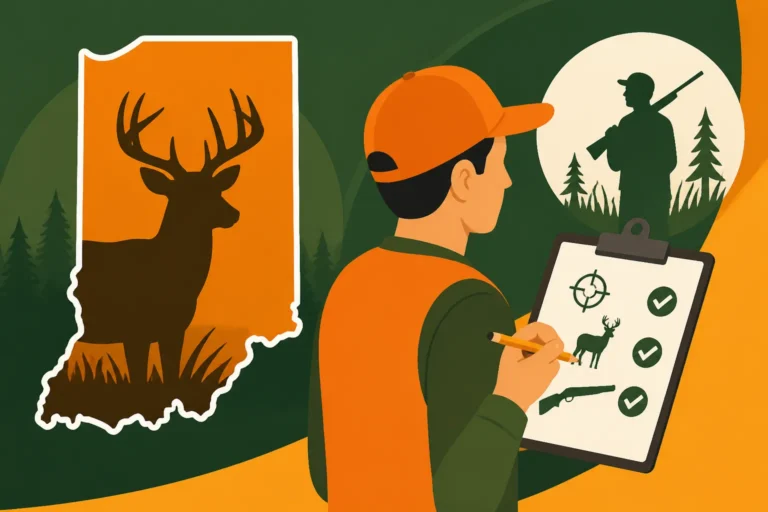
Historically, the law has required hunters to wear specific amounts of blaze orange during certain seasons and while hunting particular species. For instance, during the firearms deer season or while Indiana's Firearms Deer Season, you need to ensure you're sporting enough of that bright color to be visible from all angles. This usually means a minimum of 400 square inches of solid visible blaze orange or pink, worn as an outer garment, and a solid blaze orange or pink hat. It needs to be conspicuous and visible from 360 degrees, which means vests that just cover your chest and back aren’t quite cutting it if they don’t wrap around the sides. Always make sure your gear meets the specified blaze orange requirements.
When Blaze Orange (or Pink) is Required
It’s not just about deer season, either. The requirement for wearing blaze orange or pink extends to hunting other game animals during the various open seasons that overlap with deer firearms, muzzleloader, or youth seasons. For example, if you're out squirrel hunting during the early archery season, you might not need blaze orange, but as soon as the firearms deer season opens, even if you’re still squirrel hunting, you must comply. This overlap can be tricky to remember, and it’s a common point of confusion for hunters who might pursue multiple species.
A good rule of thumb is this: if it's during any firearms season for deer or other larger game, you better be wearing your high-visibility gear. This also includes public lands during the Indiana Youth Deer Weekend. It's always smart to double-check the current Indiana hunting regulations booklet each year, as specifics can change, though the general principle of high visibility remains constant. Thinking ahead about your clothing for an Indiana late season hunt is crucial, as layers might obscure your blaze orange or pink if not chosen carefully.
The Introduction of Blaze Pink: What It Means for Indiana Hunters
Now, let's talk about the relatively newer kid on the block: blaze pink. For years, the hunting apparel industry was almost exclusively dominated by blaze orange. Then, in 2018, Indiana joined a growing list of states allowing blaze pink as an acceptable alternative. This change wasn't made on a whim; it was a response to various factors, including hunter feedback, scientific studies, and a broader effort to make hunting more inclusive and appealing to a wider demographic.
The Legislative Change and Its Purpose
The journey to legalizing blaze pink began with legislative action. Proponents argued that offering a choice in high-visibility colors could attract more people to hunting, particularly women and younger hunters, who might prefer pink over orange. The idea was that if personal preference played a role in gear choice, it might lower one small barrier to entry into the hunting community. It was a forward-thinking move aimed at boosting participation, recognizing that small details can sometimes make a big difference in how welcoming a sport feels to newcomers.
Moreover, scientific studies were conducted to assess the visibility of blaze pink compared to blaze orange. Researchers wanted to know if blaze pink offered similar, or even superior, visibility in various lighting conditions and against different natural backgrounds. The consensus from these studies largely supported that blaze pink is equally detectable by the human eye, and importantly, equally not detectable by deer, who perceive colors differently than humans. So, from a safety standpoint, the data indicated that blaze pink was a perfectly viable option.
Specific Requirements for Blaze Pink Apparel
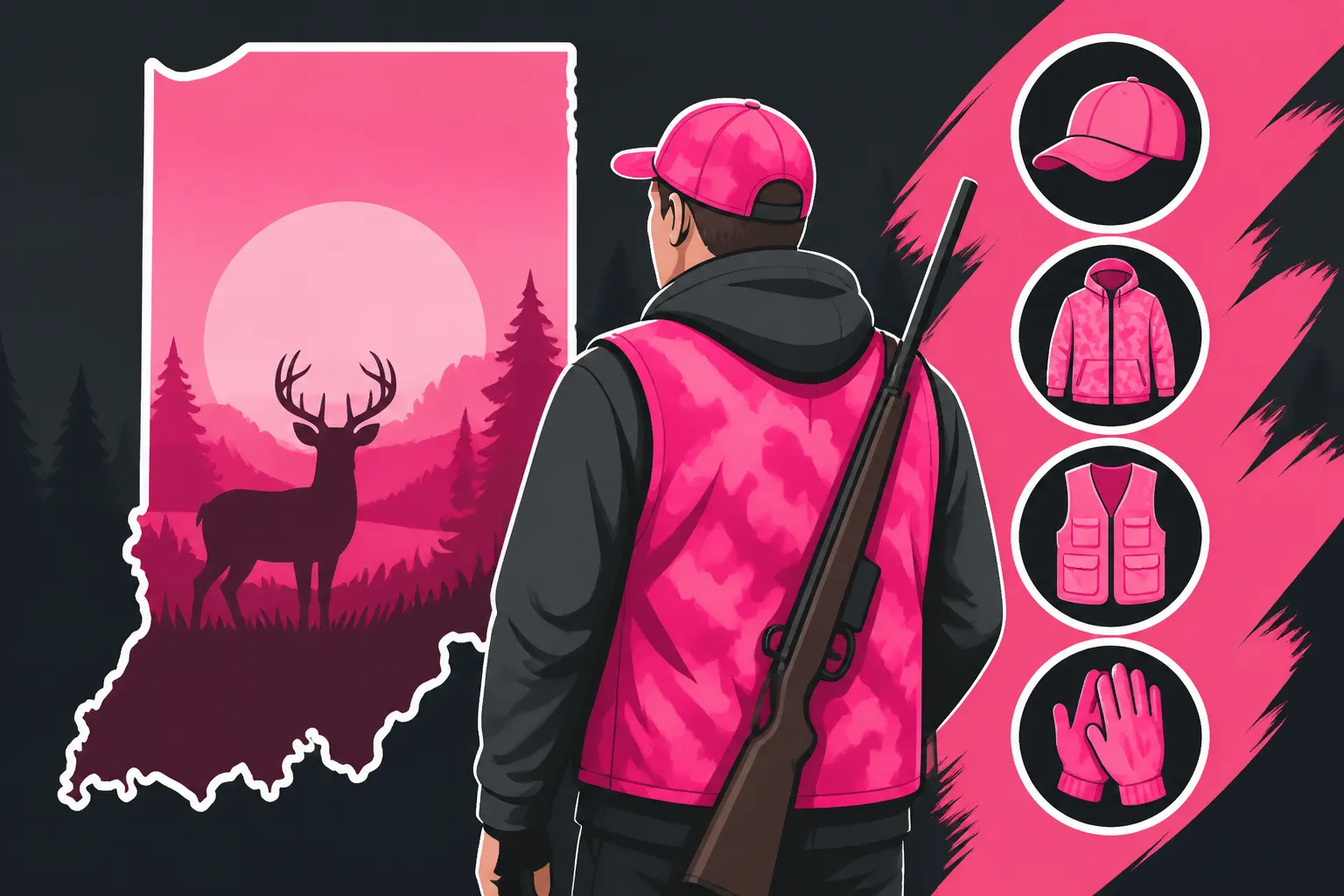
The critical thing to remember is that while the color has changed, the requirements for the amount and placement of the material have not. If you choose to wear blaze pink, it must meet the same stringent criteria as blaze orange:
- Minimum Coverage: You still need at least 400 square inches of solid, visible blaze pink material.
- Outer Garment: This material must be worn as an outer garment, meaning it can't be covered by another jacket or backpack that isn't also blaze pink.
- Headwear: A solid blaze pink hat or other headwear is also required, ensuring visibility from above and from a distance.
- 360-Degree Visibility: The material must be conspicuously visible from all directions (360 degrees). This is crucial for safety and often means a vest or jacket that completely wraps around your torso.
So, when you're looking for gear, don't just grab a pink hoodie. Make sure it's blaze pink – a specific, vibrant shade designed for high visibility – and that it meets the square inch and 360-degree requirements. Brands like Sitka Gear and First Lite, while not always offering blaze pink directly, often feature high-visibility options that meet regulatory standards, so always check product descriptions carefully.
Practical Considerations for Wearing Blaze Pink Afield
Choosing to wear blaze pink isn't just about following the law; it's also about making smart, practical choices for your safety and comfort in the field. While the color itself is legally sound, there are a few things every Indiana hunter should keep in mind when opting for pink over orange.
Visibility in Different Environments
While scientific studies confirm blaze pink's effectiveness, individual perception can vary slightly, and certain environmental factors might play a role. For instance, some hunters might feel that blaze orange stands out more against the muted greens and browns of late fall woods, while others might argue that blaze pink offers a stronger contrast against certain backgrounds, especially during snowy conditions or when leaves have fully fallen.
Consider the kind of terrain you'll be hunting. Hunting southern Indiana hill country often involves dense timber and deep shadows, where any high-visibility color needs to be truly vibrant to cut through the gloom. If you’re hunting northern Indiana farmland deer near fields of brown cornstalks or winter wheat, both colors will provide excellent contrast. The key is that both colors are designed to reflect light efficiently and stand out to the human eye, regardless of the specific hue. Don't worry that pink will somehow make you "less safe" than orange if you're meeting all the other requirements.
Finding and Selecting Blaze Pink Gear
One challenge with blaze pink, compared to blaze orange, is sometimes the sheer availability of options. While blaze orange gear is ubiquitous in hunting stores, blaze pink, being newer, might require a bit more searching. However, more and more manufacturers are catching on, and you can now find a variety of items, from vests and jackets to hats and even full suits, in blaze pink.
When selecting gear, prioritize durability, comfort, and functionality, just as you would with any other hunting apparel. Look for materials that are quiet, weather-resistant, and suitable for the temperatures you'll be hunting in. Ensure that the garment explicitly states it meets the 400 square inches and 360-degree visibility requirements. An excellent online tool like GoHunt can sometimes help you find retailers or brands that carry specific gear, though always verify the product specs against Indiana DNR regulations. You want gear that not only keeps you safe but also holds up to the rigors of a long day out in the Hoosier woods.
| Feature | Blaze Orange | Blaze Pink |
|---|---|---|
| Legal in Indiana | Yes (long-standing requirement) | Yes (legalized in 2018) |
| Minimum Coverage | 400 sq. inches | 400 sq. inches |
| Placement | Outer garment, headwear, 360-degree visibility | Outer garment, headwear, 360-degree visibility |
| Visibility (Human) | Highly visible, effective in various conditions | Highly visible, effective in various conditions |
| Visibility (Deer) | Not perceived as a bright color by deer | Not perceived as a bright color by deer |
| Availability | Widely available, standard in hunting gear | Growing availability, more niche but increasing |
| Primary Purpose | Hunter safety (distinguish human from game) | Hunter safety, promote inclusivity, expand options |
Dispelling Myths and Common Questions About Blaze Pink
Whenever a new regulation or option is introduced, it's natural for questions to arise, and for some myths to start circulating. Blaze pink is no exception. Let's tackle some of the common concerns and misconceptions to give you a clear picture.
Does Blaze Pink Spook Deer?
This is perhaps the most common question, and the answer is a resounding no. Deer are dichromatic, meaning they see colors differently than humans. Their vision is similar to a human who is red-green colorblind. They don't perceive the vibrant reds, oranges, and pinks that we do. Instead, blaze orange and blaze pink appear as shades of gray or yellow to a deer, and they don't stand out against the natural backdrop any more than a patch of muted brown or green would.
What spooks deer is movement, scent, and sound – not the color of your high-visibility gear. So, whether you're wearing blaze orange or blaze pink, a deer is unlikely to detect it as a warning sign. Your careful approach, mastering still-hunting southern Indiana ridges, and minimizing your scent are far more critical factors than the specific shade of your safety gear. This means you can comfortably wear blaze pink and still effectively practice tactics like rattling and grunting in Indiana without worrying about your clothing choice alerting a cautious buck.
Is Blaze Pink Less Safe Than Blaze Orange?
Absolutely not. As mentioned earlier, extensive scientific studies have shown that blaze pink is equally detectable by the human eye as blaze orange. The key factor in safety is the conspicuousness and amount of the material, not the specific hue, provided it falls within the approved high-visibility spectrum. Both colors are chosen because they stand out sharply against the natural environment, making it easier for one hunter to identify another.
The goal of high-visibility clothing is to prevent mistaken identity. Both blaze orange and blaze pink achieve this goal effectively. As long as you adhere to the Indiana DNR's requirements for square footage and 360-degree visibility, you are just as safe in blaze pink as you would be in blaze orange. It’s about personal preference and comfort, not a compromise on safety. For additional safety considerations, especially on public lands where hunting pressure on Indiana public land can be higher, always ensure you're visible and communicate with other hunters if possible.
Addressing Perceptions and Embracing Choice
While the law and science are clear, sometimes the biggest hurdle is perception. You might encounter older hunters who are used to only seeing blaze orange and might express surprise or even skepticism about blaze pink. That's okay. Change can sometimes take a while to be fully embraced. However, as more hunters, particularly women and youth, adopt blaze pink, it becomes a more normalized sight in the woods.
Embracing the choice of blaze pink is a positive step for hunting in Indiana. It helps make the sport more welcoming and diverse, ensuring that personal style doesn't have to be a barrier to participation. Whether you choose blaze orange or blaze pink, the most important thing is that you're hunting safely, responsibly, and enjoying the incredible outdoor opportunities that Indiana offers. So, feel free to choose the color that makes you feel most comfortable and confident, knowing you're meeting all legal requirements for a safe hunt.
Disclaimer
The information provided in this guide is for general informational purposes only and does not constitute legal advice. Hunting regulations can change, and interpretations may vary. Always consult the official Indiana Department of Natural Resources (DNR) regulations and guidelines before participating in any hunting activities to ensure full compliance with current laws.