Indiana Wildlife Violation Penalties
It's a common worry for any responsible hunter: accidentally breaking a wildlife law. The regulations can sometimes feel like a maze, with specific dates, equipment requirements, and bag limits that vary by county or even by the time of day. No one wants to face fines, lose their hunting privileges, or worse, just because they misunderstood a particular rule. This comprehensive guide will break down the typical Indiana wildlife violation penalties, from minor infractions to more serious offenses, helping you understand the consequences and how to stay on the right side of the law.
Understanding the Landscape of Indiana Wildlife Law
Hunting is a privilege, not a right, and with that privilege comes a significant responsibility to understand and abide by the laws designed to protect our natural resources. Indiana's wildlife laws are in place for critical reasons: to ensure sustainable populations, promote ethical hunting practices, maintain public safety, and provide fair chase opportunities for all hunters. Ignoring these laws, whether intentionally or through negligence, undermines the very foundation of conservation we all cherish.
The Role of Indiana Conservation Officers
Indiana Conservation Officers (ICOs) are the frontline guardians of our state's natural resources. These dedicated men and women aren't just law enforcement; they're educators, first responders, and stewards of Indiana's wild places. Their authority extends to enforcing all state laws, but their primary focus is on conservation and natural resource regulations. If you're hunting in Indiana, there's a good chance you'll encounter an ICO, whether it's at a check station, on a public hunting ground like Hoosier National Forest, or simply during a routine field check.
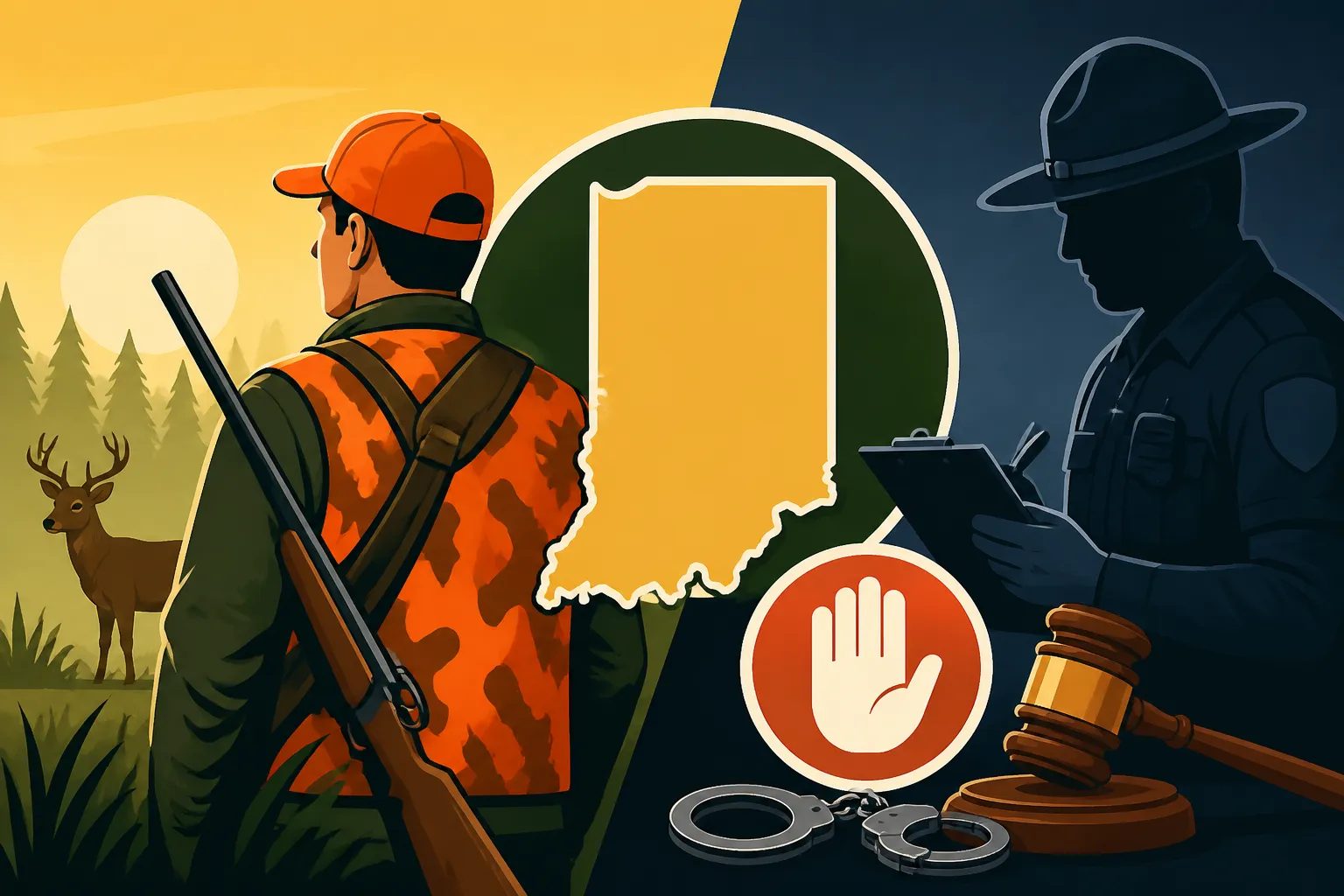
When an ICO stops you, they have the authority to ask to see your hunting license, any required tags, and even inspect your harvested game and equipment to ensure compliance. It's crucial to treat them with respect and cooperate fully. They are trained to identify violations, from minor paperwork issues to egregious acts of poaching. They have the power to issue warnings, citations, or, in more serious cases, make arrests. Their presence is a vital part of upholding the integrity of hunting in our state, ensuring that future generations will also have the opportunity to enjoy Indiana's wild treasures. They work tirelessly, often in remote areas, to protect our game species and their habitats.
Why Indiana Has These Wildlife Laws
The myriad of regulations might seem cumbersome at times, but each rule serves a specific purpose in the grand scheme of conservation. Take, for instance, the detailed rules around the Indiana Deer Season Structure Explained Sometimes, the seasons are split, or specific weapon types are only allowed during certain windows. These aren't arbitrary lines in the sand; they're based on scientific data about deer populations, breeding cycles, and hunter harvest rates. The goal is to manage the herd sustainably, preventing overharvest in one area or during a sensitive time of year.
Similarly, equipment restrictions, such as the rules regarding Indiana Crossbow Rules During Indiana Archery Season These are often put in place to maintain a level of fair chase and manage hunter pressure during different seasons. Laws about blaze orange, like the How Much Blaze Orange Indiana Requires These are fundamental for safety, reducing the risk of accidental shootings in crowded hunting areas, especially during the busy Indiana Firearms Season Opening Day Ultimately, every regulation, from bag limits to hunting hours on Indiana Public Land Hunting Hours These are designed to protect wildlife, ensure ethical practices, and keep hunters safe, contributing to a healthy ecosystem and a strong hunting tradition.
Common Indiana Wildlife Violations and Their Consequences
Ignorance of the law is never an excuse, but it's true that some violations are more common and carry different weight. Penalties in Indiana can range from simple fines and court costs to significant license revocations, restitution for illegally taken game, and even jail time for severe offenses. Understanding what constitutes a violation and its potential repercussions is your first line of defense.
Minor Infractions: Licensing, Tagging, and Basic Rules
Let's be honest, sometimes things slip through the cracks. Forgetting to sign your license, having an expired permit, or even a small error on your tag might seem like minor issues, and in the grand scheme, they often are compared to intentional poaching. However, these still constitute violations. For example, if you're found hunting without the proper Indiana Hunting Licenses and What They Cost Or if you fail to properly validate and attach your tag immediately after harvesting a deer, you could face a citation.
Typical penalties for these types of minor infractions often involve a fine, usually in the range of $25 to $100, plus court costs. You might also receive a warning, especially if it's your first offense and the ICO believes it was a genuine mistake. However, repeat minor offenses can start to add up, and multiple infractions can lead to points being assessed against your hunting license, which can eventually lead to a suspension. It's always best to double-check everything before you head afield. Make sure you have your license on your person, that it's current, and that you understand the tagging requirements for the species you're pursuing. Many hunters find resources like the official Indiana DNR website and their Scouting With the Indiana DNR App This incredibly helpful for keeping all these details straight.
Moderate Violations: Bag Limits, Season Dates, and Method of Take
Now we're getting into territory where violations have a more direct impact on wildlife management and fair chase. These often include exceeding bag limits, hunting outside of legal season dates, or using an illegal method of take. For instance, if you harvest an antlered deer after you've already filled your single antlered buck tag for the season, that's a bag limit violation. Similarly, hunting waterfowl after legal shooting hours or before sunrise, or attempting to take a turkey during the fall archery season with a firearm, would be a method of take violation. For instance, knowing the current rules around Thermal and Night Vision Rules in Indiana These are crucial for predator hunting, but using them for deer would be a significant offense.
The penalties for moderate violations are typically more severe than minor infractions. Fines can easily range from $100 to $500 or more, plus court costs. Crucially, these violations almost always come with a suspension of your hunting privileges. The length of the suspension can vary greatly depending on the specific offense, whether it's a first-time violation, and the discretion of the court. A common suspension period might be anywhere from one to three years. This means you cannot purchase a license or hunt any game species during that time, a tough pill to swallow for any avid outdoorsperson. Understanding specific season dates, bag limits, and permissible methods is paramount, which you can always confirm through the official DNR hunting guide or their app.
Severe Violations: Poaching and Commercialization
This is where violations cross the line into serious criminal activity. Poaching, especially commercial poaching where game is taken and sold illegally, is not just a violation; it's a felony. Severe violations include acts like killing multiple deer out of season, hunting at night with artificial lights (spotlighting), taking game from a protected area, or hunting without a license after your privileges have been suspended. These actions are a direct assault on Indiana's wildlife resources and rob ethical hunters of opportunities.
The penalties for severe violations are substantial and can include significant jail time, thousands of dollars in fines, lengthy license revocations (often five years or more, sometimes permanent), and mandatory restitution. Restitution is a separate payment made to the state for the intrinsic value of the poached animal. For instance, the restitution value for an illegally taken deer in Indiana can be quite high, especially for antlered bucks. These aren't just legal consequences; they carry a profound social stigma, marking an individual as someone who disregards conservation and fair play. It's also important to remember that these activities harm the reputation of all legitimate hunters, making it harder for us to maintain our traditions and access. This is why it's so important to report suspicious activity, as highlighted in our guide on Reporting a Poacher in Indiana
The Escalation: Repeat Offenses and Serious Charges
The legal system views repeated violations, or initial offenses that are particularly egregious, with increasing severity. This escalating response is designed to deter chronic offenders and ensure that the punishment fits the crime, especially when wildlife resources are at stake.
The Point System and License Revocation
Indiana operates on a point system for certain wildlife violations, similar to how points accumulate on a driver's license. When you commit a violation, points may be assessed against your hunting, fishing, or trapping license. Minor infractions might result in fewer points, while more serious offenses, such as exceeding bag limits or hunting out of season, will incur more points.
The exact number of points for each offense is detailed in Indiana law and regulations. Accumulating a certain number of points within a specified timeframe (typically a few years) will trigger an automatic suspension of your license. For example, if you accumulate 10 points in a two-year period, your license might be suspended for a year. If you hit 15 points, it could be two years, and so on. This system is designed to catch repeat offenders who might otherwise only face small fines for individual infractions. A license suspension means you cannot hunt, fish, or trap in Indiana for the duration of that suspension. It's a significant consequence that forces individuals to re-evaluate their compliance with wildlife laws. It’s a harsh reminder that privileges can be lost if not respected.
Felony Charges and Restitution for Illegally Taken Game
For the most severe wildlife crimes, like commercial poaching, wanton waste, or taking endangered species, the charges escalate beyond misdemeanors to felonies. A felony conviction carries severe repercussions, including substantial prison time, massive fines (potentially tens of thousands of dollars), and often a permanent revocation of hunting privileges in Indiana. Beyond the criminal penalties, offenders will almost certainly face restitution orders.
Restitution is a monetary payment to the state for the market or intrinsic value of the wildlife illegally taken. This isn't a fine; it's compensation for the loss of a public resource. For instance, an illegally harvested white-tailed deer might have a restitution value of several hundred to several thousand dollars, depending on factors like antler size or whether it was part of a commercial operation. For rarer species or those taken with particular malice, these values can skyrocket. This financial burden, coupled with the criminal record and loss of hunting rights, aims to ensure that those who deliberately exploit or destroy wildlife pay a heavy price for their actions. It underscores the profound value our state places on its natural heritage.
Interstate Wildlife Violator Compact
One often-overlooked consequence of a wildlife violation in Indiana is its potential impact beyond state lines. Indiana is a member of the Interstate Wildlife Violator Compact (IWVC). This agreement is a game-changer for enforcing wildlife laws across state borders. What it means is simple: if you lose your hunting, fishing, or trapping privileges in Indiana due to a violation, those privileges are also suspended in all other member states of the compact.
So, if you get caught poaching a deer in Indiana and your license is revoked for five years, you can't just drive across the border to Kentucky, Ohio, or Michigan and buy a license there. All compact states share information about license suspensions and revocations. This system effectively prevents chronic wildlife violators from simply moving to another state to continue their illegal activities. It's a powerful tool that significantly expands the reach of wildlife law enforcement, ensuring that a serious violation in the Hoosier State has far-reaching consequences wherever you might try to hunt in the future. It truly emphasizes that hunting is a nationwide fraternity of shared ethics and responsibilities.
Navigating the Legal Process After a Violation
Getting a citation or facing charges for a wildlife violation can be a confusing and stressful experience. Understanding the process and knowing your rights is crucial, whether you believe the charge is unwarranted or you simply want to navigate the system effectively.
What to Do If You're Cited
The moment a conservation officer hands you a citation, it's natural to feel a mix of emotions – frustration, embarrassment, or even anger. However, how you handle that immediate situation and the steps you take afterward can significantly impact the outcome. First and foremost, remain calm and respectful with the officer. Arguing or becoming defensive at the scene is rarely productive and can sometimes lead to additional charges. Cooperate with their requests, provide your identification and license, and politely ask for clarification on the specific charge.
Once you have the citation, read it carefully. It will typically include the alleged violation, the date and time of the offense, the officer's information, and instructions on how to proceed, which usually involves a court appearance or payment of a fine by a certain date. It's highly advisable to consult with a legal professional who specializes in natural resources or criminal defense, especially if the charge is more serious than a minor infraction, carries potential license suspension, or you believe you were wrongly accused. A lawyer can explain your rights, help you understand the charges, and advise you on the best course of action, whether it's pleading guilty, negotiating a plea, or fighting the charge in court. Trying to navigate the legal system alone, particularly when your hunting privileges are on the line, can be a daunting and often unsuccessful endeavor.
Appealing Decisions and Reinstating Privileges
If you've had your hunting privileges suspended or revoked, or if you received a conviction you believe was unjust, there are avenues for appeal and, eventually, for reinstatement. The exact process for appealing a decision usually starts with the court where the conviction occurred. You might have a limited timeframe to file an appeal, so swift action is essential. This often involves filing paperwork with the court and potentially presenting your case to a higher judicial authority. Having legal counsel during this process is almost always a necessity, as appeals can be complex and require a deep understanding of legal procedures and precedents.
For license reinstatements after a suspension period has elapsed, you'll typically need to contact the Indiana Department of Natural Resources (DNR) Law Enforcement Division. They can guide you through the specific steps, which may include paying any outstanding fines or fees, completing any mandated hunter education courses (especially if the violation related to safety or competence, like often discussed for Indiana Hunter Education Requirements Or simply waiting out the full suspension term. It's never automatic; you generally have to actively seek reinstatement. Remember that violations under the Interstate Wildlife Violator Compact mean you might also need to address your standing with other states before your privileges are fully restored across the board. Perseverance and proper procedure are key to getting back afield.
Staying Informed to Avoid Future Issues
The best defense against wildlife violations is staying thoroughly informed about current regulations. The laws can and do change, sometimes annually, so relying on outdated knowledge is a recipe for trouble. The Indiana DNR website is your primary and most reliable resource. They publish a yearly hunting and trapping guide that outlines all seasons, bag limits, equipment rules, and specific county regulations. This guide is usually available online and in print at license vendors. Regularly checking the DNR's official news releases and social media can also keep you updated on any emergency rule changes or important announcements.
Beyond the official channels, engaging with the hunting community can also be helpful. Forums, local conservation groups, and experienced mentors are excellent resources for clarifying nuanced rules or understanding how they apply in specific situations, especially for complex topics like Indiana Apprentice Hunter License Rules However, always cross-reference any information with the official DNR regulations. While some platforms, like GoHunt, offer valuable resources for hunting planning and strategy, for Indiana-specific legal requirements, the DNR is your ultimate authority. Make it a routine practice to review the rules for every species you plan to hunt before each season begins, and consider using tools like the DNR app to have regulations readily available in the field. Knowledge is truly power when it comes to staying out of trouble and enjoying your time outdoors ethically and legally.
Summary of Indiana Wildlife Violation Penalties
Here's a generalized overview of typical penalties for different categories of wildlife violations in Indiana. Please note that these are illustrative and actual penalties can vary based on specific circumstances, judicial discretion, and severity of the offense.
| Violation Category | Examples | Typical Penalties | Key Consequences |
|---|---|---|---|
| Minor Infractions | Unsigned license, improper tagging, minor equipment non-compliance, not carrying proof of license | Fines ($25 – $150), court costs, potential warning, few points on license | Primarily monetary. Repeat offenses can lead to license suspension. Minor impact on hunting privileges unless habitual. |
| Moderate Violations | Exceeding bag limits, hunting outside season dates, hunting on private land without proper Indiana Trespass and Permission Law Use of prohibited methods (e.g., specific crossbow rules for Crossbow Rules During Indiana Archery Season | Fines ($100 – $1,000), court costs, license suspension (1-3 years common), accumulation of points leading to suspension | Significant monetary impact. Loss of hunting privileges for a considerable period. Can impact hunting opportunities in other states via IWVC. |
| Severe Violations/Poaching | Killing game out of season (multiple animals), night hunting (spotlighting), commercialization of wildlife, hunting while suspended | Fines ($1,000 – $10,000+), court costs, jail time, lengthy or permanent license revocation, substantial restitution | Felony charges. Potential for long prison sentences. Permanent loss of hunting privileges in Indiana and all IWVC member states. Severe financial burden. Significant damage to reputation within the hunting community. Can also include property damage if related to access. |
Disclaimer
The information provided in this guide is for general informational purposes only and does not constitute legal advice. Wildlife laws and penalties in Indiana are subject to change and may vary based on specific circumstances. It is essential to consult the official Indiana Department of Natural Resources (DNR) regulations or a qualified legal professional for the most accurate and up-to-date information regarding specific laws and potential violations.