Indiana Turkey Checking Requirements
There's nothing quite like the thrill of a Hoosier gobbler sounding off on the roost, or the heart-stopping moment when a big tom struts into view. You've done the scouting, mastered your calls, and made a clean harvest. But before you can truly celebrate and get that bird to the dinner table, there's a crucial step many hunters might overlook or find confusing: checking your turkey. For new hunters, or even seasoned veterans who haven't kept up with the changes, navigating Indiana's turkey checking requirements can feel like an extra hurdle. This guide will walk you through everything you need to know to properly report your harvest, ensuring you're in full compliance with state regulations and contributing to critical wildlife management efforts.
Why Indiana Requires You to Check Your Turkey Harvest
It might seem like just another piece of paperwork, or a digital form to fill out, but the requirement to check your turkey harvest is actually a cornerstone of effective wildlife management here in Indiana. The Indiana Department of Natural Resources (DNR) doesn't just make these rules to make your life harder; they're designed to gather vital information that directly impacts the health of our wild turkey populations and the future of hunting in the state.
The Importance of Harvest Data for Management
Every time a hunter successfully checks a turkey, they're providing a data point that, when compiled with thousands of others, paints a comprehensive picture of the turkey population. This data is absolutely essential for the DNR to make informed decisions about season lengths, bag limits, and overall management strategies. Without it, they'd be flying blind. Think about it: how can the DNR know if the turkey population is thriving, declining, or holding steady if they don't know how many birds are being harvested each year? They look at total harvest numbers, trends over time, and even the specific characteristics of harvested birds (like age and sex) to assess population health. This helps them understand things like Indiana Turkey Population Trends and ensure sustainable hunting opportunities for everyone. It’s about more than just your individual bird; it’s about the health of the entire wild turkey resource across the state.
Disease Surveillance and Biosecurity
Beyond population dynamics, the checking process also plays a critical role in disease surveillance. As hunters, we're often the first line of defense when it comes to spotting unusual patterns or signs of illness in wildlife. When you check your turkey, the DNR can sometimes use that information to track the geographic spread of diseases like Avian Influenza or other health concerns that could impact not only wild turkeys but potentially domestic poultry as well. While it's not a direct disease test, the data collected can highlight areas where unusual harvest numbers or bird conditions might warrant closer investigation. This early detection capability is invaluable for protecting both wild and domestic animal populations and is a prime example of how hunter participation directly contributes to broader biosecurity efforts.
The Evolution of Checking: From Stations to Digital
Longtime Indiana hunters will remember the days of physical check stations, where you'd drive your freshly harvested deer or turkey to a local hardware store or bait shop, fill out a paper tag, and perhaps even have the animal weighed and inspected by a local volunteer. It was a community ritual, for sure, but it wasn't the most efficient or data-rich system. In recent years, Indiana, like many other states, has transitioned to a largely digital checking system. This means that instead of a physical check station, you're primarily using the internet or a dedicated mobile app to report your harvest. This shift has made the process quicker and more convenient for hunters, while simultaneously providing the DNR with more immediate and detailed data. Whether you're hunting during the Indiana Spring Turkey Season Rules or the Indiana Fall Turkey Season Structure, understanding this modern approach is key.
The Nitty-Gritty: How to Successfully Check Your Turkey
So, you've got a gobbler on the ground. Congratulations! Now comes the critical part of reporting your harvest correctly. Skipping this step isn't just a minor oversight; it's a violation of state hunting regulations and can result in penalties. But don't worry, the process is straightforward once you know the steps.
Field Tagging: Your Immediate Responsibility
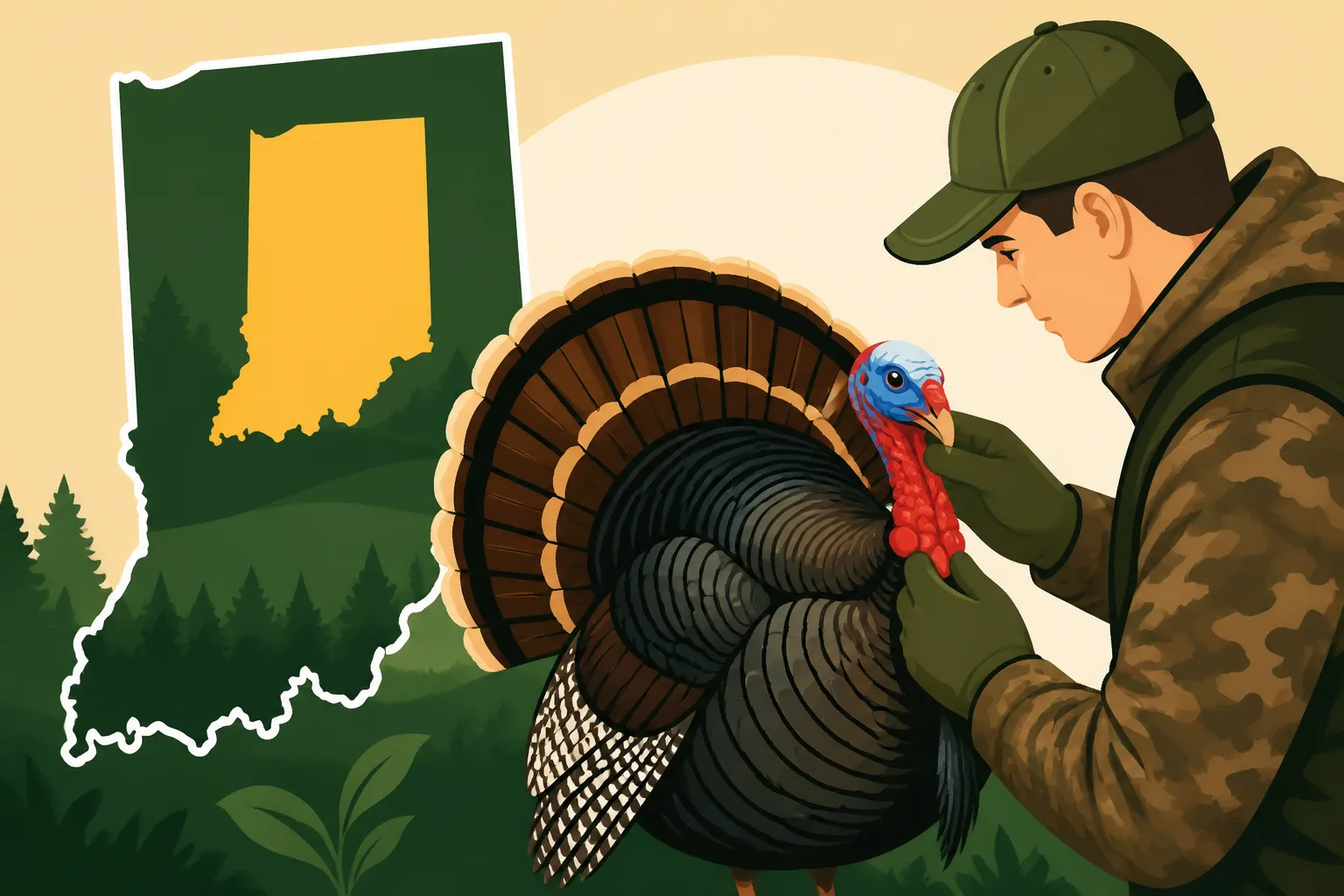
The very first thing you need to do after harvesting a turkey, even before moving it from the kill site, is to properly field tag it. This isn't just a suggestion; it's a legal requirement. You need to validate your tag immediately. If you have an electronic license on the Go Outdoors Indiana app or via a printed e-license, you'll need to write down the date, time, and county of harvest directly on the tag. If you purchased a traditional paper license, you'd fill in the required information on the tag itself. This validated tag must remain attached to the turkey until you reach your residence or a meat processor. This step ensures that the bird is legally accounted for from the moment it's harvested, preventing any confusion or illegal possession. It's a quick, simple step that protects you and ensures compliance with the Indiana Spring Turkey Bag Limit Rules and fall limits.
Navigating the Online and App-Based Checking System
Once your bird is field-tagged and you're out of the woods, you have a few options for checking it, all designed for convenience. The primary methods are online through the Go Outdoors Indiana website or via the Go Outdoors Indiana mobile app, which is available for both iOS and Android devices. Many hunters find the app particularly useful, as it often allows you to check your animal right from the field if you have cell service.
Here’s a general rundown of the digital checking process:
- Access the System: Go to the official Go Outdoors Indiana website or open the Go Outdoors Indiana app on your smartphone.
- Log In: You’ll need to log in using the credentials you used to purchase your license. This links your harvest directly to your hunter profile.
- Select "Check Harvest": Look for an option like "Check Game" or "Check Harvest" within the system.
- Enter Information: You will be prompted to enter specific details about your harvest. This includes:
- Your license number.
- The date and approximate time of harvest.
- The county where the turkey was harvested.
- The sex of the bird (Tom/Gobbler or Jake for spring, hen or gobbler for fall).
- Beard length (if applicable).
- Spur length (if applicable).
- The live weight of the bird (your best estimate is fine, no need for certified scales).
- Submit and Confirm: Review all the information carefully before submitting. Once submitted, you'll receive a confirmation number. This number is your proof that the turkey has been legally checked. It's a good idea to write this confirmation number directly on your physical or electronic tag, or at least keep a screenshot of it on your phone.
Even for the Indiana Fall Turkey Archery Dates, where rules might differ slightly, the checking process remains consistent. Companies like GoHunt, which offer advanced mapping and scouting tools, can complement your hunting strategy, but remember that the official Go Outdoors Indiana platform is the one you must use for checking your harvest.
What to Do If Technology Fails You
We’ve all been there: out in the middle of nowhere, just scored a beautiful bird, and… no cell service. Or maybe the internet is down, or your phone battery died. It happens, and the DNR understands. While digital checking is the preferred method, there are provisions for when technology lets you down.
- No Cell Service in the Field: If you can't access the app or website while still in the field, don't panic. The key is to tag your bird immediately as required. Then, as soon as you get to an area with reliable cell service or internet access, complete the online check. The law generally requires checking within 48 hours of harvest, but it's always best practice to do it as soon as reasonably possible.
- Authorized Check Stations (Limited): While most physical check stations have been phased out, there are still a few authorized vendors, typically bait shops or sporting goods stores, that might be able to help you check your animal if you are truly unable to use the digital methods. However, these are increasingly rare, so it's best to plan on using the online or app system. Always call ahead to confirm if a vendor offers this service.
- DNR Contact: In extreme circumstances, if you've exhausted all other options, you can always contact your local Indiana conservation officer or the DNR district office for guidance. They can provide instructions on how to proceed and ensure you remain compliant.
The goal is to get your turkey checked promptly and accurately. Having the Indiana DNR App downloaded and ready before you head out is your best bet for a smooth checking experience.
Essential Information for Your Turkey Report
The accuracy of the information you provide during the checking process is more important than you might realize. It's not just about ticking boxes; it's about providing the DNR with reliable data to manage our turkey populations effectively.
Identifying Your Bird: Sex, Beard, and Spurs
When reporting your harvest, you'll need to specify the sex of the bird and provide measurements for any beards and spurs present.
- Sex: In spring, you’re usually targeting a gobbler (a male turkey). If it's a mature male, it’s a Tom. If it’s a young male with a short beard and small spurs, it’s a Jake. It's illegal to harvest hens during the spring season in Indiana, so reporting the correct sex is crucial. For fall seasons, specific regulations apply regarding hen harvest, which can vary by county, so pay close attention to the rules for Indiana Fall Turkey Firearms Dates in your area.
- Beard Length: A turkey beard is a tuft of bristle-like feathers protruding from the bird's chest. Most gobblers have one, though some hens can too (referred to as bearded hens, which are legal in spring in Indiana but generally rare). Measure the length of the longest beard from the base where it emerges from the skin to the tip. Don’t include any loose feathers that aren’t part of the main tuft. This measurement helps the DNR track the age structure of the harvest, as older Toms typically have longer beards.
- Spur Length: Spurs are sharp, bony protrusions found on the back of a gobbler's legs. They grow longer and sharper with age. Measure the length from the point where the spur emerges from the leg skin to the very tip. Again, this is a key indicator of age. Longer, sharper spurs usually indicate an older, more mature gobbler. For many hunters, long spurs are a sign of a truly trophy bird.
Accurately reporting these features helps the DNR monitor the health and age distribution of the Indiana Turkey Population Trends, allowing them to observe trends in flock dynamics and reproduction.
Location and Timing: The Where and When
The county and the date/time of harvest are critical pieces of geographical and temporal data.
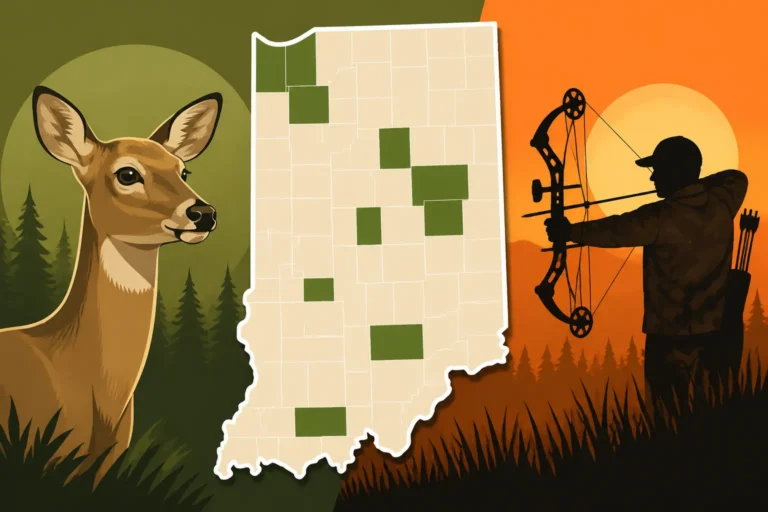
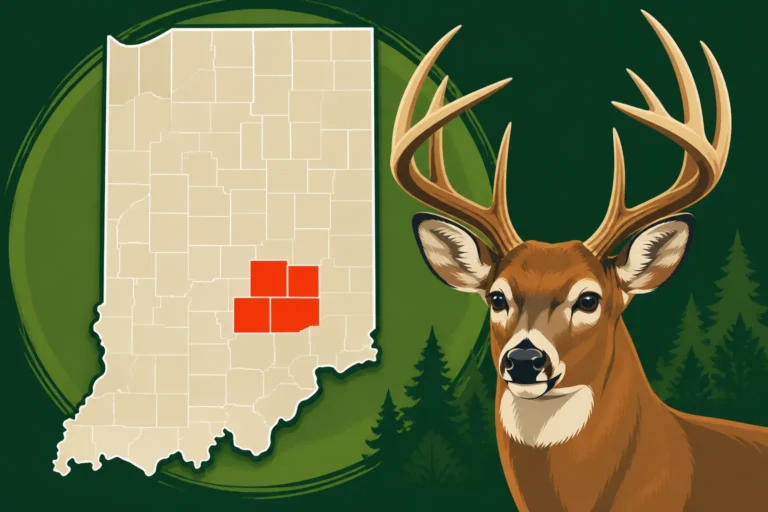
- County of Harvest: This information is vital for localized management. Indiana is diverse, and turkey populations can vary significantly from one county to another. Knowing which counties are seeing high or low harvest numbers helps the DNR understand regional population dynamics and focus conservation efforts where they are most needed. It helps answer questions like Where Indiana Turkeys Are Densest and helps them identify areas that might need special attention or different regulations.
- Date and Time of Harvest: This data helps the DNR understand hunting pressure and turkey behavior throughout the season. Are most birds harvested on opening weekend? Do harvest numbers drop off significantly after the first week? This can inform decisions about season length and structure, ensuring that hunting pressure is distributed appropriately and doesn't overly impact the breeding success of the birds. It also helps to see how factors like weather patterns might influence hunter success across different points in the season.
Why Accuracy Matters for Conservation
Every piece of information you provide contributes to a massive dataset that the DNR uses to make scientific, conservation-based decisions. Incorrect data, even if unintentional, can skew these results and potentially lead to less effective management strategies. For example, if many hunters inaccurately report jakes as full-grown toms, the DNR might overestimate the number of mature birds in the population, which could influence future bag limits. Your commitment to accurate reporting directly supports the sustainability of Indiana's wild turkey populations, ensuring that future generations of hunters will have the same, or even better, opportunities that we enjoy today. Many reputable hunting resources, even those like GoHunt, emphasize the importance of accurate data collection for ethical hunting and wildlife conservation.
Here's a quick reference table for the information generally required during the turkey checking process:
| Information Type | Details Required | Why it's Important |
|---|---|---|
| License Number | Your valid Indiana hunting license number. | Verifies legal hunter and links harvest to individual for data. |
| Date of Harvest | The specific date your turkey was harvested. | Tracks harvest trends throughout the season. |
| Time of Harvest | Approximate time of day your turkey was harvested. | Provides insight into peak hunting times and turkey activity. |
| County of Harvest | The Indiana county where the turkey was taken. | Critical for localized population management and regional analysis. |
| Sex of Bird | Male (Tom/Gobbler or Jake) or Female (Hen – fall season only). | Monitors male-to-female ratios and reproductive potential. |
| Beard Length | Longest beard measurement from skin to tip (if present). | Indicates age class and helps track population maturity. |
| Spur Length | Longest spur measurement from leg to tip (if present). | Further indicates age class and overall health of male birds. |
| Weight | Estimated live weight of the turkey. | Provides data on overall health and condition of the bird. |
| Confirmation Number | Unique number provided upon successful submission. | Your proof of legal compliance; keep it safe! |
Beyond Compliance: The Broader Impact of Checking Your Harvest
Checking your turkey harvest is more than just a legal obligation; it's an active contribution to wildlife conservation and the future of hunting in Indiana. When you participate, you're becoming a vital part of a much larger network dedicated to ensuring healthy ecosystems and robust game populations.
Supporting Indiana's Wildlife Management Efforts
Every data point you contribute through the checking system helps the Indiana DNR in countless ways. This information, combined with extensive field surveys, nesting success studies, and Indiana Turkey Brood Survey Results, allows biologists to build comprehensive models of turkey populations. They can then identify trends in population growth or decline, pinpoint areas facing specific challenges, and understand the impact of environmental factors like weather patterns or habitat changes. This scientific approach ensures that hunting regulations are based on real-world data, not guesswork, fostering sustainable harvests that don't jeopardize the long-term health of the species. When you go through the simple steps to Buying a License on Go Outdoors Indiana and subsequently checking your harvest, you're directly funding and informing these critical conservation programs.
Contributing to Future Hunting Opportunities
Imagine if no one checked their deer or turkey. The DNR would have no idea how many animals were being harvested, making it impossible to set responsible bag limits or season dates. Over-harvesting could decimate populations, leading to drastically reduced hunting opportunities or even closed seasons in the future. By checking your turkey, you're providing the necessary information to keep hunting seasons open and thriving. You're helping to ensure that the unique experience of chasing wild turkeys remains a cherished tradition for generations to come. It’s a direct investment in the future of your passion, providing the data needed to continually assess and adapt management strategies for optimal hunting and wildlife health.
Ensuring Fair Chase and Ethical Hunting
The checking system also reinforces the principles of fair chase and ethical hunting. It acts as a transparent record, ensuring that hunters are complying with bag limits and other regulations designed to prevent poaching and preserve the integrity of the sport. While it doesn't prevent all illegal activity, it provides a crucial layer of accountability. For the vast majority of ethical hunters, this system is a shared responsibility that upholds the values of conservation and respect for wildlife. Plus, being familiar with all regulations, including checking requirements, is a core component of responsible hunting, often covered in courses for Indiana Hunter Education Requirements. It shows respect for the game, the law, and your fellow hunters.
Ultimately, checking your Indiana turkey harvest is a small but incredibly significant part of the overall hunting experience. It closes the loop on your hunt, turning your personal success into valuable data for the collective good of Indiana's wildlife.
Disclaimer
Please note: The information provided in this guide is for informational purposes only and is not a substitute for the official regulations published by the Indiana Department of Natural Resources (DNR). Hunting laws and regulations can change, and it is the responsibility of every hunter to consult the most current Indiana Hunting & Trapping Guide and all applicable state statutes before hunting. Always verify specific dates, bag limits, and checking procedures with the Indiana DNR.