Indiana Youth Turkey License Rules
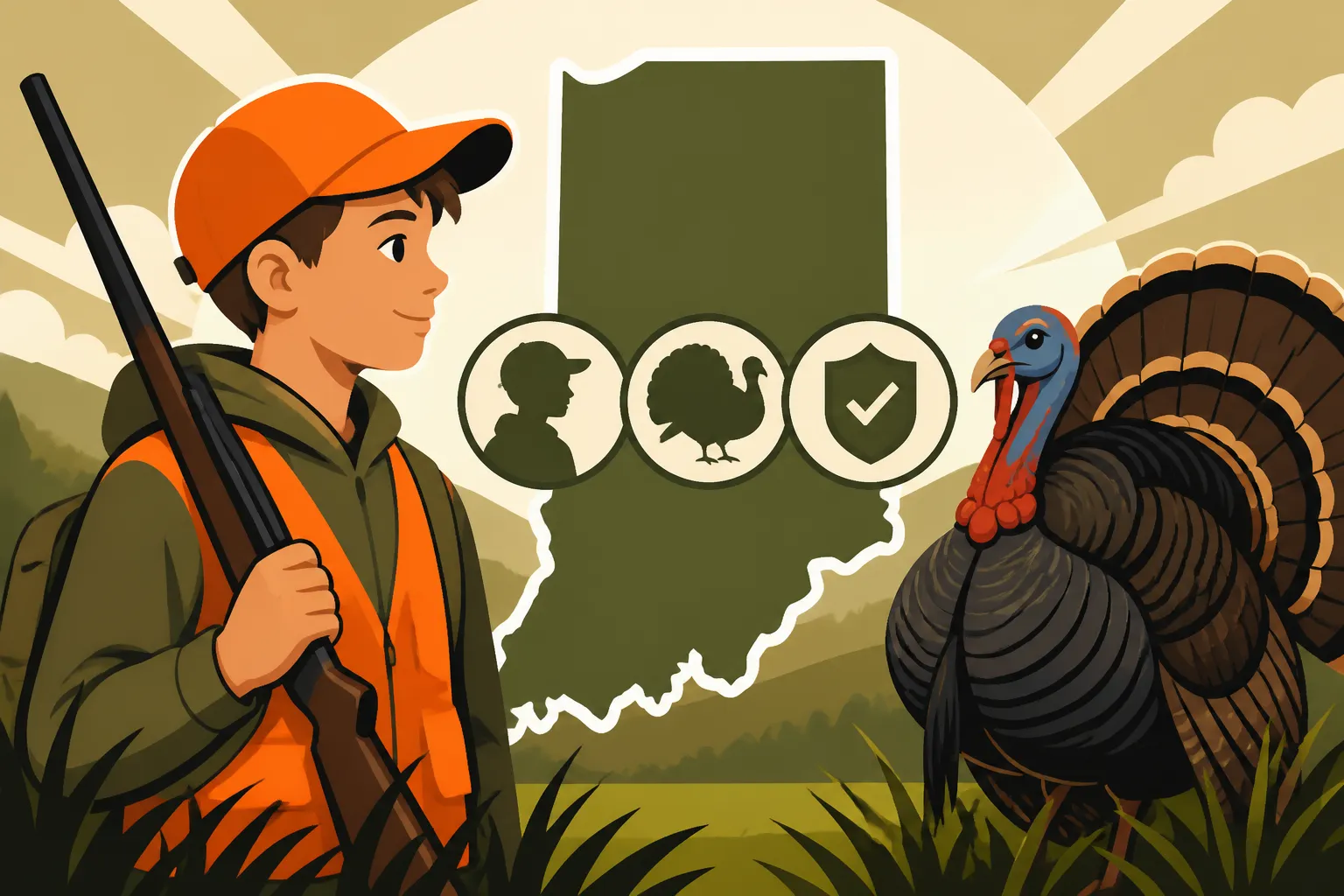
It can feel a little overwhelming trying to navigate all the hunting regulations, especially when you're trying to introduce the next generation to the incredible world of turkey hunting here in Indiana. You want to make sure you're doing everything by the book, keeping the experience fun and safe for the young hunter, but sometimes the license requirements and age restrictions aren't as clear as they could be. This guide is here to break down the specific rules for Indiana youth turkey licenses, ensuring you and your young hunter are fully prepared for a successful and legal hunt.
Understanding Indiana's Youth Turkey Hunting Opportunities
Indiana offers fantastic opportunities for young hunters to get into the woods, and spring turkey season is often a highlight. The state recognizes the importance of recruiting new hunters and has specific provisions to make it easier and more accessible for youth to participate. These special seasons are designed to give younger hunters a chance to harvest a bird without the pressure of a crowded general season, often with earlier dates and dedicated mentorship requirements. It’s a wonderful way to foster a love for the outdoors and pass down hunting traditions.
The Purpose of Youth Seasons
The Indiana Department of Natural Resources (DNR) implements youth hunting seasons with a clear goal: to provide a less competitive, educational environment for young people to learn about hunting. Imagine your child or grandchild having the entire spring woods almost to themselves, with fewer adult hunters to compete with for those gobbling birds. This early access allows mentors to focus entirely on teaching scouting, calling techniques, ethical shot placement, and game recovery without the added stress of a packed public land scenario. It’s about creating positive, memorable first hunting experiences that can last a lifetime, rather than just focusing on filling a tag. These seasons are crucial for hunter recruitment and ensuring the future of conservation efforts in our state. They also serve as a crucial window for younger hunters to hone their skills before the full swing of the general season.
Who Qualifies as a Youth Hunter
In Indiana, a youth hunter is generally defined as an individual under the age of 18 at the time of the hunt. For spring turkey season, specifically, the youth season typically precedes the statewide general season. This means that a young person, often 17 years old or younger, can participate, provided they meet the licensing and hunter education requirements, and are accompanied by a properly licensed adult mentor. The specific cut-off date for age is usually the opening day of the youth season itself. So, if a child turns 18 a day after the youth season opens, but was 17 on opening day, they are eligible. It’s important to always check the current year’s Indiana hunting regulations handbook, as dates and age specifics can occasionally be adjusted by the DNR, but the spirit of supporting young hunters remains constant.
Specific Rules for Indiana Youth Turkey Licenses
Navigating the exact licensing requirements for youth turkey hunting in Indiana can sometimes feel like a puzzle, but it’s designed to be straightforward once you understand the components. The core idea is to ensure safety and proper mentorship while providing an affordable entry point for our youngest hunters.
Age and License Requirements
First things first: age. For the youth turkey season, a hunter must be 17 years old or younger on the date of the hunt. To legally participate, they need to possess the appropriate licenses and tags. This typically includes a valid Indiana hunting license (usually a youth consolidated hunting and trapping license or an apprentice hunting license, depending on their hunter education status) and a valid spring turkey license.
Here’s a breakdown of common scenarios:
- Youth who have completed Hunter Education: If your young hunter has already passed their hunter education course (which is a fantastic achievement!), they’ll need to purchase a Youth Consolidated Hunting & Trapping License. This covers most basic hunting activities. They will also need to buy an Indiana Spring Turkey License.
- Youth who have NOT completed Hunter Education: This is where the Indiana Apprentice Hunter License rules come in. This special license allows individuals of any age who have not completed hunter education to hunt under the direct supervision of a properly licensed mentor. For a youth, they would obtain an Apprentice Hunter License and then purchase an Indiana Spring Turkey License. This is a brilliant pathway for newcomers to try hunting without the immediate commitment of a full hunter education course, though completion of the course is highly encouraged for safety and knowledge.
The cost of these licenses is usually lower for youth, making it more accessible. For example, a youth consolidated license is significantly less expensive than an adult resident license, and the youth spring turkey license is also priced to encourage participation. You can easily purchase these online through the Go Outdoors Indiana website, at a local license vendor, or through the Indiana DNR's mobile app, which is a really handy tool for hunters on the go.
The Mentorship Requirement
This is perhaps the most crucial aspect of youth hunting in Indiana. All youth hunters, regardless of whether they have completed hunter education or are hunting on an apprentice license, must be accompanied by a properly licensed adult. This mentor must be at least 18 years of age and hold a valid Indiana hunting license (or a lifetime license that covers turkey hunting).
The role of the mentor is more than just supervision; it’s about active guidance. The rules state that the mentor must be "in close proximity" to the youth hunter. This isn't a situation where you drop your child off at a field edge and pick them up later. The mentor needs to be close enough to have direct voice control and provide immediate assistance. This usually means sitting right next to them in the blind or treestand, or walking side-by-side during a run-and-gun hunt. This ensures safety, provides real-time coaching on calling, shot placement, and ethics, and simply makes the experience more enjoyable and educational. It's truly about the shared experience.
A mentor cannot carry a firearm or bow while mentoring an apprentice hunter if that apprentice hunter is carrying a firearm or bow, unless the mentor also possesses all necessary licenses and tags for the species being hunted and is actively hunting themselves. Even then, the primary focus must remain on the youth. This "How Close an Indiana Mentor Must Stay" rule is designed to prioritize the youth's learning and safety.
Bag Limits and Reporting
The bag limits for youth turkey season are generally consistent with the statewide regulations for adults during the regular spring season. This means that a youth hunter is typically allowed to harvest one bearded or gobbler turkey during the spring season. However, it's vital to remember that this bird counts towards the statewide individual bag limit. So, if a youth harvests a bird during the youth season, they cannot then harvest another bird during the regular spring season, even if they participate with an adult. The overall limit remains one bearded turkey per person for the entire spring season.
After a successful harvest, reporting the deer or turkey is a critical step, and it applies to youth hunters just as it does to adults. In Indiana, all harvested turkeys must be reported to the DNR within 48 hours of harvest. This can be done online through the Go Outdoors Indiana website, using the Go Outdoors Indiana mobile app, or by calling a toll-free number. When reporting, you'll need the hunter's license number, the date and county of harvest, and information about the turkey (e.g., sex, age if known, spur length, beard length). This data is incredibly important for the DNR to manage turkey populations effectively and understand harvest trends. Missing this step can lead to fines, so make sure it's done promptly. It’s a great teachable moment for young hunters about their responsibility to wildlife management.
| Requirement/Category | Details for Youth Turkey Hunters (17 & Under) |
|---|---|
| Age | 17 years old or younger on the date of the hunt. |
| Hunting License | Option 1 (Hunter Ed Complete): Youth Consolidated Hunting & Trapping License. Option 2 (No Hunter Ed): Apprentice Hunter License. |
| Turkey License | Indiana Spring Turkey License (in addition to basic hunting license). |
| Hunter Education | Required for Youth Consolidated License; not required if using an Apprentice Hunter License (but highly recommended). |
| Mentorship | Mandatory. Must be accompanied by a licensed adult (18+). Mentor must be in close proximity. |
| Mentor's License | Mentor must hold a valid Indiana hunting license (or lifetime license). |
| Mentor's Weapon | Mentor can carry a weapon if they are also legally hunting and possess all required licenses/tags for the species, but priority is on youth. |
| Bag Limit | One bearded or gobbler turkey per spring season (statewide limit). |
| Harvest Reporting | Mandatory within 48 hours of harvest via Go Outdoors Indiana website, app, or phone. |
| Blaze Orange | Not required for turkey hunting, but recommended when walking to and from a blind or stand in areas with other hunters. |
Preparing for a Successful Youth Turkey Hunt
A successful youth turkey hunt isn't just about bagging a bird; it's about the entire experience—the time spent together, the lessons learned, and the memories made. Proper preparation can make all the difference in ensuring it’s a positive and enjoyable adventure for everyone involved.
Essential Gear and Clothing
When you're taking a youth hunter out for turkeys, having the right gear is crucial for comfort, safety, and success. Think about layers for clothing, as spring mornings in Indiana can be chilly, but midday can warm up significantly. Good camouflage is essential, including a face mask and gloves, as turkeys have incredibly keen eyesight. Don't forget comfortable, waterproof boots, especially if you're navigating dewy fields or creek bottoms.
Beyond clothing, a reliable shotgun (often a 20-gauge for smaller frames) patterned effectively with turkey loads is paramount. Make sure the gun fits the young hunter well, perhaps with a youth stock or adjustable buttstock. Ear protection is a must for both the youth and the mentor, as turkey loads are loud. A good turkey vest can help organize calls, shells, snacks, and water. Speaking of calls, having a few different types, like a slate call and a mouth call, can be very useful for eliciting a response from a wary tom. For optics, a good set of binoculars can help spot distant birds without spooking them. Remember, Turkey Gear for an Indiana Spring isn't always about the most expensive item, but the right items that fit the situation and the hunter.
Pre-Season Scouting and Setup
Scouting is where a huge part of the turkey hunting adventure truly begins, and it's an invaluable lesson for a young hunter. Before the season even opens, take your youth hunter out to the woods you plan to hunt. Look for turkey sign: tracks, droppings, scratchings in the leaves, and dusting bowls. Listen for gobblers sounding off at first light – this is called "Roost Hunting Indiana Gobblers". Knowing where birds roost and where they tend to fly down can give you a significant advantage. This also helps you understand their travel patterns and potential strutting zones.
If you're hunting public land, scouting is even more important to avoid crowded areas and find pockets of less pressured birds. Utilizing resources like the Indiana DNR app or a mapping tool like GoHunt can help you identify public hunting land in Indiana and look for potential roosting areas or travel corridors from aerial photos. Once you've identified a promising spot, consider your setup. Whether it's a pop-up ground blind tucked into a fencerow or Setting Up Against a Big Oak that provides good cover and a clear shooting lane, the setup needs to prioritize concealment and safety for the young hunter. Practice setting up the blind or choosing your natural hide ahead of time so the actual hunt morning is smooth and quiet.
Safety First, Always
Safety is the absolute priority when introducing a youth to hunting. Before you even head to the field, review all firearm safety rules rigorously. The four main rules are non-negotiable: treat every gun as if it’s loaded, always point the muzzle in a safe direction, keep your finger off the trigger until ready to shoot, and be sure of your target and what is beyond it. Ensure the youth hunter understands and can articulate these rules.
During the hunt, the mentor is responsible for ensuring the young hunter is always in a safe shooting position and has a clear understanding of the target. Practice aiming and calling a shot before the season. Stress the importance of identifying a gobbler clearly before pulling the trigger, especially making sure it's a legal bird (bearded or gobbler). Never take a shot at movement or sound. When walking to and from your hunting spot, especially on public land, wearing blaze orange or blaze pink can significantly increase visibility to other hunters, even though it's not strictly required during turkey season while hunting from a stationary position. It's a simple step that adds a layer of protection and reinforces responsible hunting practices. Teaching proper gun handling, ethics, and respect for the game is just as important as Calling an Indiana Gobbler Off the Roost or setting up decoys; it's all part of becoming a responsible hunter.
Common Questions and Ethical Considerations
Bringing new hunters into the fold is a privilege and a responsibility. There are always questions that come up, and also important ethical considerations that we, as mentors, must instill in our youth.
Can a Youth Hunter Hunt Unsupervised?
This is a frequently asked question, and the answer is a firm "no" for most youth hunting scenarios in Indiana, especially for turkey. As covered earlier, the Indiana DNR mandates that any hunter using an apprentice license, or any youth hunter who has not completed hunter education, must be under the direct supervision of a licensed adult mentor. Furthermore, even youth who have completed hunter education are often encouraged to hunt with a mentor, particularly when they are new to a specific game species like wild turkeys.
The general rule is that a hunter must be at least 18 years old to hunt unsupervised with a firearm or bow. There are specific nuances to the "Minimum Age for Unsupervised Indiana Hunting," but for youth turkey hunting, the spirit of mentorship and direct supervision is absolutely critical for both safety and the quality of the learning experience. We want to empower young hunters, but also ensure they have the guidance needed to make ethical decisions and handle challenging situations safely.
Ethical Shot Placement and Game Recovery
One of the most vital lessons a mentor can impart to a young hunter is the importance of ethical shot placement and diligent game recovery. Turkeys are tough birds, and a poorly placed shot can lead to a wounded bird that is difficult or impossible to recover. Before the hunt, spend time discussing the ideal target zone on a turkey – aiming for the head and neck, or the base of the wing where it connects to the body, for a clean kill. Practice with a turkey target to build confidence.
After the shot, the work isn't over. Teach the youth hunter to watch the bird's reaction and mark the spot where it was standing. Even if the bird appears to go down immediately, always approach with caution, reloaded gun at the ready. If the bird runs or flies off, teach them to immediately go to the point of impact, look for feathers, blood, or other sign, and begin a slow, methodical search. This might involve Blood Trailing After Dark in Indiana if a shot is taken late in the day. Emphasize that recovering the game is our ethical responsibility to the animal. It instills respect for the game and minimizes suffering. This teaches perseverance and a deep respect for the animal they are pursuing.
Respecting Landowners and Fellow Hunters
Finally, fostering respect for landowners and fellow hunters is paramount. If you're hunting on private land, ensure your youth hunter understands the privilege they've been granted and the importance of leaving the property better than they found it. This means picking up trash, closing gates, and avoiding any damage. A simple thank you to the landowner after the hunt goes a long way.
On public land, which is often a fantastic resource for new hunters, teach them about sharing the resource. This includes giving other hunters space, avoiding interfering with another hunter's setup, and keeping noise levels down. Understanding the concept of "Hunting Pressure on Indiana Public Land" is key. A respectful nod or a quiet "good morning" is far better than encroaching on someone else's space or trying to spook their birds. These lessons in courtesy and sportsmanship are just as important as any technical hunting skill and are vital for preserving a positive image of hunting for the future.
Disclaimer
Please remember that hunting regulations can change. While I strive to provide the most accurate and up-to-date information, it is always your responsibility to consult the official Indiana Department of Natural Resources (DNR) hunting regulations guide for the current year before heading afield. This guide is for informational purposes only and should not be considered a substitute for the official regulations.