Where Indiana Gobblers Roost
One of the most frustrating aspects of turkey hunting can be the sheer unpredictability of where those big gobblers decide to spend the night. You spend hours scouting, thinking you've got them patterned, only for them to vanish into thin air, leaving you wondering where in the world they're roosting. This guide is all about demystifying those evening and morning routines, giving you the real-world insights and scouting tips you need to confidently locate where Indiana gobblers roost, increasing your chances for a successful hunt.
Understanding Gobbler Roosting Behavior
Wild turkeys aren't just flying into any old tree when the sun starts to dip below the horizon. There's a method to their madness, driven by instinct and survival. Understanding why they choose certain trees and how they go about it is the first step to figuring out where. It’s not just about a place to sleep; it's a critical part of their daily survival strategy.
Why Turkeys Roost in Trees
Think about it from a turkey's perspective: the ground is crawling with predators. Coyotes, bobcats, raccoons, even feral hogs – they're all looking for an easy meal, especially one that's immobile at night. Flying up into a tree offers a crucial layer of security. They're out of reach of most ground-based threats, and they have a better vantage point to spot anything coming from a distance.
Beyond predator avoidance, roosting high in a tree also provides some thermal regulation. During colder nights, being off the ground can mean a slight temperature advantage, protecting them from the damp and chill. In warmer weather, the slight breeze and elevation can offer some relief. It’s a simple, effective strategy that has kept them alive for generations, and it's why you'll almost always find them perched in the timber, not hunkered down in a field.
The Evening Roosting Ritual
The turkey's journey to the roost tree is a predictable sequence of events, and understanding this can give you a leg up. As evening approaches, often an hour or two before dark, turkeys will start to feed their way towards a preferred roosting area. You'll often hear a flurry of vocalizations—clucks, yelps, and sometimes even soft tree gobbles—as they gather. This is often their "staging area" on the ground.
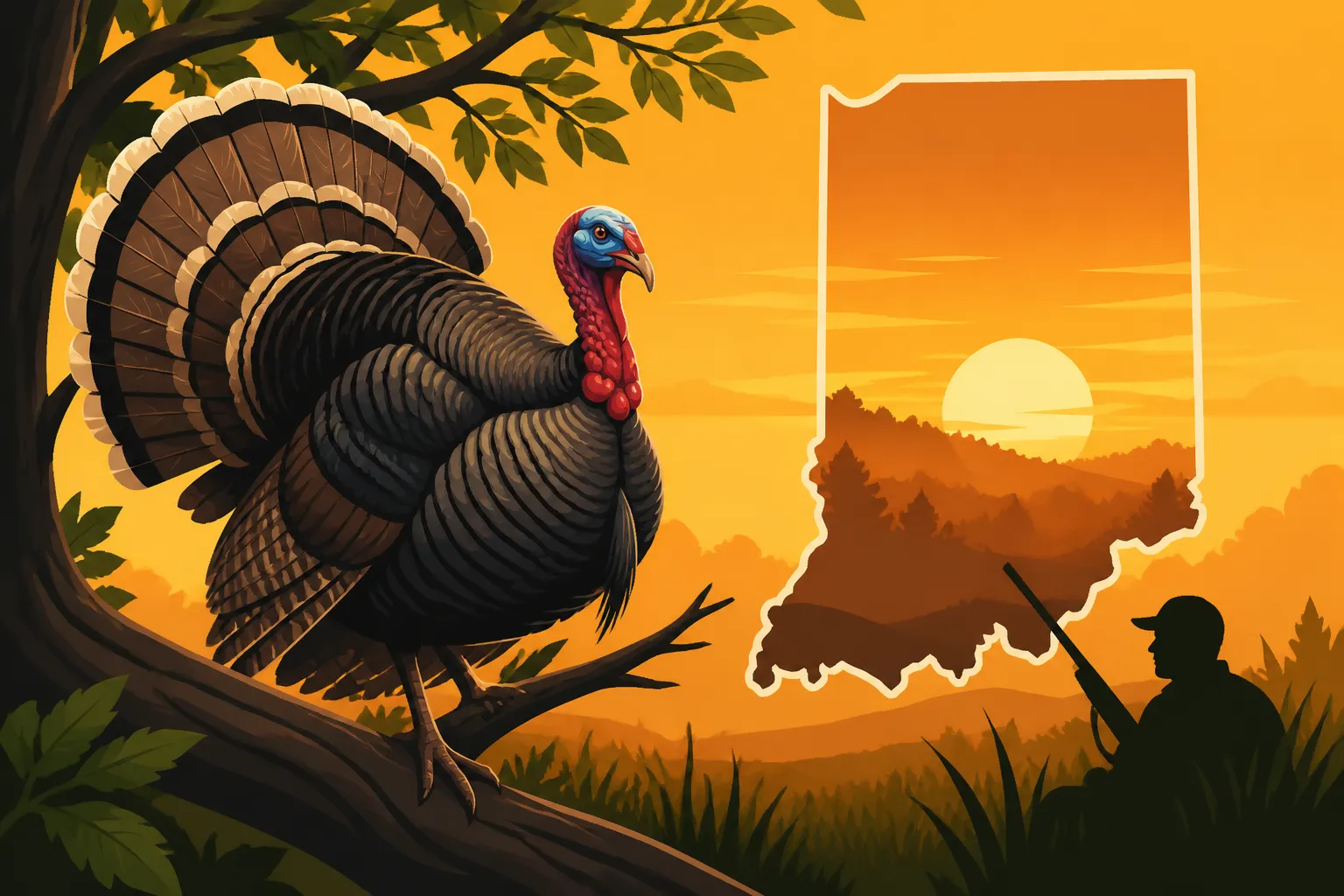
Then, one by one, or in small groups, they'll fly up into the lower limbs of a tree, often with a loud thump and a flurry of wingbeats. They'll hop from limb to limb, working their way higher into the canopy. Once settled, you might hear a few last soft clucks or putts, or if you're lucky, a final gobble just as the light fades completely. This "gobbling off the roost" is a critical sign that confirms their location. Being able to pinpoint these sounds can be the difference between a successful morning hunt and just wandering around hoping for the best. For those looking to capitalize on this, our guide on Calling an Indiana Gobbler Off the Roost offers deeper insights into morning tactics.
Identifying Prime Roost Tree Characteristics
Turkeys aren't picky to the point of sleeping on the ground, but they do have preferences when it comes to which trees they choose. It’s rarely random. They look for specific features that offer both safety and comfort, and once you know what to look for, you can start narrowing down potential roost sites significantly.
Species Preferences and Structural Features
While turkeys will roost in a variety of trees, certain species tend to be favored due to their structure and prevalence in Indiana's landscape. Mature hardwoods are often high on their list, especially large oaks, sycamores, and cottonwoods, particularly those found along creek bottoms or river corridors. These trees often boast robust, horizontal limbs that can easily support the weight of several turkeys. Pines, especially tall ones with open understories, are also common choices, offering dense cover from aerial predators and often standing taller than surrounding deciduous trees, providing excellent visibility.
The critical structural features are usually:
- Large, sturdy horizontal limbs: These are paramount. Turkeys need a stable perch.
- Height: The tallest trees in a given area are often chosen, offering a superior vantage point.
- Open understory: While they need cover from above, they also need a relatively clear path to fly up and down without hitting branches.
- Proximity to water or open fields: Roost trees are frequently found near water sources or along the edges of fields, offering convenient morning fly-down locations where they can immediately begin feeding. Our article on Indiana Turkey Roost Tree Preferences delves further into specific tree types you'll encounter.
The Role of Topography and Habitat
The surrounding topography and habitat play just as crucial a role as the tree itself. Turkeys don't just pick a tree; they pick a location. In southern Indiana's hill country, for instance, you'll often find gobblers roosting on trees located on the ridgetops or along steep slopes. This gives them an advantage for spotting danger and often puts them in areas with good thermal currents.
Conversely, in the flatter, more agricultural northern parts of the state, roost trees might be found in isolated woodlots, along fencerows, or in river bottom areas where large trees are more common. Proximity to food sources is also key. A roost tree might be just a short flight from a freshly planted soybean field, a patch of acorns, or a clover plot—making the morning fly-down an efficient move right into their breakfast. This connection between roost sites and food sources is an essential aspect of Hunting the Statewide Turkey Opener in April.
Scouting for Roost Sites
Finding those specific roost trees is where the rubber meets the road. It takes time, patience, and a keen eye (and ear!). You can't just stumble into them; you need a dedicated scouting strategy. This isn't just a pre-season activity; it's something you'll be doing throughout the season as birds move around.
Pre-Season Reconnaissance and Digital Tools
Long before the Indiana Spring Turkey Opening Day arrives, get out into the woods. Look for obvious signs: large droppings, scattered feathers on the ground directly beneath large, prominent trees, and even visible whitewash on the branches or trunk. These are all dead giveaways of a frequently used roost site. Pay attention to the types of trees and locations we discussed earlier—creek bottoms, ridgetops, field edges.
Mapping tools like GoHunt can be invaluable during this phase. You can use satellite imagery to identify areas with large stands of mature timber, especially those bordering fields or water, and mark them as potential roosting spots. Looking for distinct terrain features, like those river bottom funnels or ridge-top saddles, that seem to concentrate turkey movement can also lead you to productive areas. Using the Indiana DNR App (or a similar tool like GoHunt if you're exploring across state lines) can help you mark potential spots and observe property lines. This kind of Scouting Indiana Public Land Before Season is often the secret to consistent success.
In-Season Location and Evening Listens
Once the season is on, direct observation becomes your most potent tool. Head out to your marked potential roost areas an hour or two before dark. Position yourself discretely, preferably where you have a good view and can hear a wide area. Then, just listen. Turkeys often vocalize before flying up, and their wingbeats as they ascend are distinct. If you're really lucky, you might hear a "gobble-on-the-roost" just as it gets dark.
Many seasoned hunters swear by digital platforms like GoHunt for their robust satellite imagery, which helps identify the tallest trees or the most secluded pockets of timber where birds might feel safe. Once you've identified a promising area, you can even mark it on your GoHunt app for future reference. Similarly, listening for their morning "fly-down" gobble and subsequent movements at dawn can confirm a roost location. Just be careful not to get too close and spook them; you want to confirm their location, not push them out of the area. This subtle approach is crucial when trying to pinpoint Where Indiana Turkeys Are Densest.
Hunting Strategies Based on Roosts
Knowing where gobblers roost is only half the battle; the other half is using that information effectively to get within range. There are distinct strategies for hunting birds on the roost versus trying to intercept them after they've hit the ground. Both require careful planning and execution.
The Morning Roost Hunt
This is often the most exciting and challenging type of turkey hunt. The goal is to get as close as possible to the roost tree before dawn without being detected. Ideally, you want to set up within 100-150 yards, positioning yourself between the roost tree and where you anticipate the gobbler will fly down and likely head for the morning.
Patience is key. You'll want to be in your spot well before first light, silent and still. As the woods wake up, you’ll start to hear the turkeys. A soft tree yelp or cluck from you, mimicking a hen on the limb, can often get a gobbler to sound off, confirming his exact position. When he flies down, continue with soft calls, letting him think the hen is waiting for him. The strategy of Roost Hunting Indiana Gobblers requires careful consideration of entry and exit routes, as well as prevailing winds. You don’t want to spook him off the limb or have him spot you before he even hits the ground.
Post-Fly-Down Tactics
Sometimes, getting right under a roost tree isn't feasible or desirable, especially if the birds are in a very visible spot or on public land where other hunters might be present. In these situations, your strategy shifts to intercepting the birds after they've flown down. This often involves setting up in a travel corridor, a strutting zone, or a feeding area that you know they frequent after hitting the ground.
If you hear a gobbler fly down and move off in a particular direction, adjust your approach. You might need to use more aggressive calling to pull him back or set up in a different location, relying on run-and-gun tactics. This might mean quickly moving to a field edge, a logging road, or a natural funnel in the timber. Knowing their general patterns – where they feed, where they strut, where they water – after they leave the roost is crucial for this type of hunt. This is where guides like Run-and-Gun Turkey Tactics on Public Land can provide useful insights into staying mobile and responsive to turkey movements throughout the morning.
Disclaimer
This article is for general informational purposes only and does not constitute professional advice. Laws, prices and regulations vary by location and change over time. Consult a qualified professional for guidance on your specific situation.