How Many Feral Hogs Indiana Has
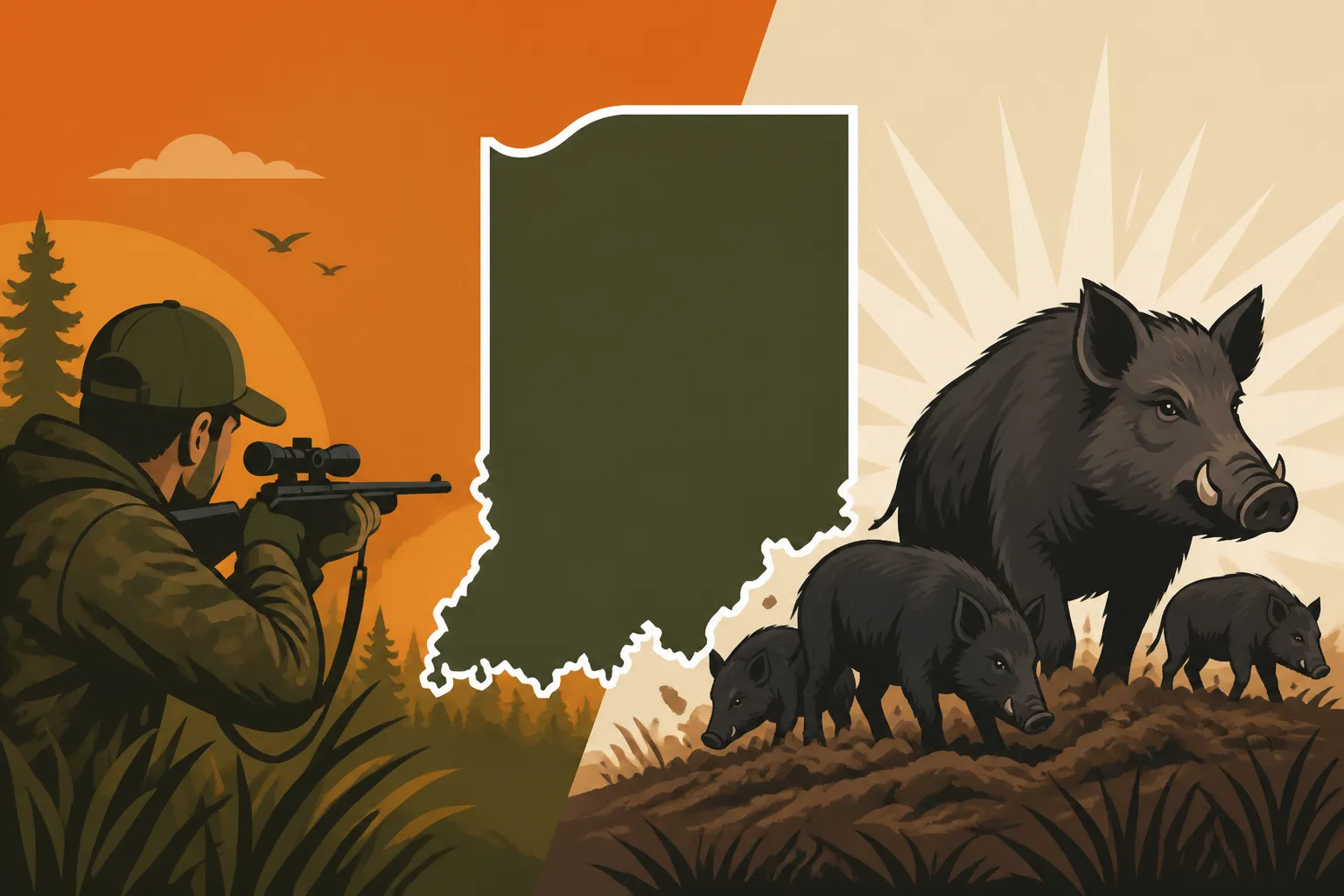
Feral hogs are a nightmare for landowners and a growing concern for Indiana's wildlife. It can feel like they're everywhere, rooting up fields and destroying habitats, but getting a handle on just how many of these destructive animals are truly roaming the Hoosier state is a complex challenge. This guide dives deep into what we know about Indiana's feral hog population, why their numbers are so hard to pin down, and the ongoing efforts to manage them.
The Elusive Numbers Game: Estimating Indiana's Feral Hog Population
When we talk about the number of feral hogs in Indiana, it’s not like counting deer where we have harvest reports and population models. These creatures are notoriously difficult to track, and their populations can explode in a short amount of time. Instead of a hard number, we often deal with estimates based on sightings, damage reports, and eradication efforts. It’s more about understanding their presence and spread than a static count.
Why Exact Counts are Nearly Impossible
Trying to put an exact number on Indiana's feral hog population is a bit like trying to count raindrops in a thunderstorm – by the time you count one, a dozen more have fallen. Feral hogs are incredibly elusive animals. They're primarily nocturnal, moving under the cover of darkness, which makes aerial surveys or traditional ground counts largely ineffective. They're also highly intelligent and adaptable, quickly learning to avoid human activity and trapping efforts.
Furthermore, their habitat preferences contribute to their stealth. They often live in dense cover, thick river bottoms, and remote wooded areas, making visual confirmation difficult. One day you might see a sounder (a group of hogs) in a specific area, and the next day they could be miles away, leaving behind only their destructive sign. This nomadic behavior, combined with their natural wariness, means that even in areas with significant hog activity, getting an accurate tally is a constant uphill battle. Imagine trying to count shadows in the dark woods after a rainstorm; it’s a similar challenge for wildlife biologists and landowners alike.
Understanding Current Estimates and Sightings
While exact numbers are a pipe dream, the Indiana Department of Natural Resources (DNR) and other agencies continuously monitor their presence and work towards eradication. What we do know is that Indiana does not have widespread, established populations across the entire state. Instead, we see localized "hot spots" where these animals have taken root, primarily in southern Indiana. Reports of Feral Swine Sightings in Southern Indiana often come from counties with significant river systems and rugged terrain, like those along the Ohio River or Wabash River bottoms.
These "estimates" are often based on confirmed sightings by landowners, trail camera photos, and the success (or lack thereof) of trapping efforts. If an area consistently reports hog activity or recurring damage, it signals a persistent, albeit unquantified, population. The goal isn't just to count them, but to verify their presence so that targeted eradication efforts can begin. Using tools like GoHunt, hunters and landowners can often identify potential hog habitats by looking for dense cover near water sources and agricultural fields, even if a precise number of animals isn't known. The presence of even a small sounder is cause for concern, as their reproductive rates mean those few can become many very quickly.
How Feral Hogs Thrive and Spread in the Hoosier State
The very characteristics that make feral hogs such a nuisance also contribute to their incredible success at surviving and spreading. They are nature's ultimate opportunists, perfectly designed to exploit a variety of environments, and Indiana’s landscape unfortunately offers them ample opportunity.
Reproductive Superpowers and Rapid Expansion
One of the most astonishing, and terrifying, aspects of feral hogs is their reproductive capacity. This isn't just about having babies; it's about having lots of babies, very often. A sow can begin breeding as young as six months old and can produce two litters of four to twelve piglets per year. That's right, sometimes three litters if conditions are perfect! This means that a single breeding pair can quickly escalate into a substantial sounder in just a couple of years.
This exponential growth rate is why even a small number of hogs can quickly become an unmanageable problem. Unlike deer or turkeys that have more limited breeding seasons and smaller litter sizes, feral hogs are constantly adding to their ranks. If you start with just two hogs, and they reproduce twice a year with an average of six piglets per litter, and those piglets quickly mature and start breeding themselves, the numbers climb at an alarming rate. This rapid expansion makes early detection and swift, comprehensive eradication absolutely critical; waiting to act guarantees a bigger headache.
The Role of Habitat and Food Sources
Indiana's diverse landscape, with its mix of dense woodlands, agricultural fields, and abundant water sources, provides an ideal buffet and sanctuary for feral hogs. The thick undergrowth in river bottomlands and state forests offers perfect cover for bedding and farrowing (giving birth), allowing them to hide from predators and human disturbance. These areas are often difficult for humans to access, providing natural refuges.
Coupled with excellent cover are endless food sources. Feral hogs are omnivores, meaning they'll eat just about anything. They relish acorns, hickory nuts, and other mast crops found in Indiana's hardwood forests, putting them in direct competition with native wildlife like deer and squirrels. But they don't stop there. They'll also feast on insects, worms, roots, tubers, and even small animals. When agricultural fields are nearby, they become prime targets, with hogs rooting up corn, soybeans, and other crops. This constant availability of food, whether natural or man-made, fuels their explosive reproduction and explains How Wild Hogs Spread Across Indiana, always seeking out the next easy meal.
Human Influence on Their Spread
While hogs are incredibly adaptable, human actions, both intentional and unintentional, have unfortunately played a significant role in their presence and spread across Indiana. Historically, domestic pigs escaping from farms were the primary source of feral populations. Once free, these domestic animals quickly revert to a wild state, growing tusks, becoming more aggressive, and adapting to life in the wilderness within a few generations.
More concerning, however, are illegal introductions. Some individuals, often with misguided intentions, have deliberately released feral hogs into new areas for hunting purposes. This incredibly irresponsible act has been a major driver of their spread in other states and contributes to new "spot fires" of populations in Indiana. These new introductions create isolated pockets that can then expand rapidly, making statewide eradication a monumental challenge. It underlines the critical need for everyone to understand the severe ecological and economic consequences of feral hogs and to report any suspicious activity to the DNR.
The Destructive Impact of Indiana's Feral Swine
It's not just their sheer numbers that make feral hogs a problem; it's the profound and widespread damage they inflict on agriculture, the environment, and even the health of other animals. Their destructive habits are a significant concern for Indiana's natural resources and economy.
Agricultural Devastation
For Indiana farmers, feral hogs are nothing short of a plague. Their primary method of feeding involves "rooting" – using their powerful snouts to dig up soil in search of roots, tubers, and insects. While this might sound harmless, imagine a field of young corn or soybeans after a sounder of hogs has moved through it. The result is a moonscape of torn-up soil, destroyed plants, and completely ruined crops. This isn't just a minor inconvenience; it can mean significant financial losses for farmers who depend on their harvest.
Beyond rooting, they also trample crops, contaminate water sources, and damage vital farm infrastructure like fences and irrigation systems. A small sounder can inflict thousands of dollars in damage in a single night. This economic burden is a major frustration for rural communities, and it's why understanding Crop Damage Hogs Cause in Indiana is so important for local authorities and eradication teams. Landowners are often on the front lines, witnessing firsthand the relentless destruction these animals cause.
Ecological Damage and Native Wildlife Threat
The impact of feral hogs extends far beyond farm fields, posing a severe threat to Indiana's delicate ecosystems and native wildlife. Their rooting behavior disrupts natural soil layers, destroys native plant communities, and causes significant erosion, especially in sensitive areas like wetlands and stream banks. This habitat destruction can alter entire landscapes, making it harder for native species to thrive.
Furthermore, feral hogs are direct competitors with many of Indiana's cherished game species, like white-tailed deer and wild turkeys, for crucial food sources such as acorns and other mast crops. With the hogs' incredible reproductive rates and insatiable appetites, they can quickly deplete these food resources, leading to food scarcity for native animals. They also have been known to prey on fawns, turkey poults, and the nests of ground-nesting birds, further impacting wildlife populations. This makes them an invasive species that truly throws a wrench into the ecological balance of our woods and waterways.
Disease Concerns for Wildlife and Livestock
Beyond the physical damage, feral hogs are carriers of numerous diseases that can affect both wildlife and domestic livestock. This aspect of their impact is often overlooked but poses a serious biosecurity risk. Diseases like Pseudorabies (a viral disease that affects pigs and other mammals but not humans), Brucellosis (a bacterial disease that can spread to cattle and humans), and various strains of E. coli are commonly found in feral hog populations.
When these diseases are present, they can easily spread to domestic livestock, leading to economic losses for farmers, and in some cases, even pose a risk to human health. They can also transmit diseases to native wildlife, potentially weakening deer herds or other animal populations already facing environmental stressors. This highlights the importance of Indiana Wildlife Disease Monitoring and why proper handling and disposal of hog carcasses are crucial to prevent further disease transmission. Hunters, in particular, need to be aware of the health risks and take precautions when field dressing or handling feral hogs.
Strategies for Managing and Reducing Feral Hog Numbers
Given the immense damage feral hogs cause and their astonishing ability to multiply, effective management is not just about control; it's about aggressive eradication wherever possible. Indiana's approach emphasizes completely removing these invasive animals to protect the state's natural and agricultural resources.
The Importance of Eradication, Not Just Control
When it comes to feral hogs, the term "control" often implies managing a population to acceptable levels, much like deer management. However, for an invasive species like the feral hog, control isn't enough; the goal is outright eradication. Why? Because of their high reproductive rate, simply reducing their numbers through recreational hunting rarely works. If you remove 50% of a population, they can often recover those numbers, and more, within a year due to their rapid breeding cycle.
True eradication involves removing every last individual from an area, or as close to it as possible. This typically requires a multi-pronged approach, with intense trapping efforts being the most effective method. Whole sounders must be removed simultaneously to prevent any remaining individuals from quickly repopulating. This proactive, aggressive strategy is critical to prevent small, localized problems from spiraling into widespread, unmanageable populations across the state. It's a tough battle, but a necessary one to protect Indiana's future.
Hunter Involvement and Reporting
While recreational hunting alone won't eradicate feral hogs, hunters play an incredibly important role in both reporting sightings and actively participating in eradication efforts where permitted. In Indiana, feral hogs are considered an unprotected species, meaning there's no closed season or bag limit on private land, and hunters can pursue them year-round. This is enshrined in Indiana's Year-Round Hog Rule on Private Land. Hunters are actively encouraged to shoot any feral hog encountered while lawfully hunting other species, and many dedicated hunters participate in targeted hog hunts.
If you’re interested in helping, make sure you understand the regulations regarding Indiana Hog Hunting Permit Requirements. Hunters can also greatly assist by reporting sightings to the Indiana DNR, providing crucial intelligence on where these animals are present. For those eager to get involved, resources like GoHunt can be incredibly useful. By overlaying public and private land data, you can often spot areas near known hog activity where you might be able to secure permission from landowners. Furthermore, knowing Hunting Indiana's Year-Round Feral Hogs tactics, such as night hunting on private land with lights, can be an effective way to help reduce their numbers.
Coordinated Efforts and Landowner Responsibility
Effective feral hog eradication requires a coordinated effort that extends beyond individual hunters. Landowners are often the first line of defense, bearing the brunt of the damage and possessing the most intimate knowledge of hog activity on their properties. It's crucial for landowners to work closely with the DNR and other wildlife agencies. The DNR can provide guidance on trapping techniques, loan specialized equipment, and offer expert advice on managing problem areas.
Community involvement and cooperation among neighboring landowners can significantly amplify success. Hogs don't respect property lines, so a coordinated trapping effort across multiple properties is far more effective than isolated attempts. For landowners, tools like GoHunt can even help map out areas where traps have been set, identify movement patterns, or coordinate access agreements for hog control with neighbors. This kind of shared responsibility, coupled with expert guidance, is the strongest weapon against the ongoing threat of feral hogs in Indiana, helping to mitigate issues like Indiana Deer Damage Permits for Farmers by proactively addressing the source of the problem.
| Impact Category | Description of Damage | Mitigation & Management Strategies |
|---|---|---|
| Agricultural Damage | Rooting up crops (corn, soybeans), trampling fields, fence destruction | Intensive trapping, shooting, exclusion fencing (where practical), landowner cooperation |
| Ecological Destruction | Soil erosion, native plant habitat loss, competition for food | Eradication focus, habitat restoration, targeted trapping in sensitive areas |
| Wildlife Predation | Preying on fawns, turkey poults, ground-nesting bird eggs | Continuous hunting pressure, trap removal of sounders, public reporting |
| Disease Transmission | Spreading diseases like Pseudorabies, Brucellosis to livestock & wildlife | Biosecurity measures, proper carcass disposal, mandatory testing in some areas |
| Water Quality Degradation | Contamination of water sources with waste and sediment | Eradication efforts, fencing sensitive waterways, promoting native vegetation |
Disclaimer
This article is for general informational purposes only and does not constitute professional advice. Laws, prices and regulations vary by location and change over time. Consult a qualified professional for guidance on your specific situation.