How Many Geese Winter on Kankakee Marshes
Many hunters who dream of those crisp winter mornings in the blind often wonder about the sheer volume of waterfowl they can expect, especially when it comes to the iconic Kankakee Marshes. It’s a completely fair question, as the number of geese that choose to spend their winter here can drastically impact hunting success and even dictate your strategies. This guide aims to shed some light on the dynamics of goose populations in this historic region, helping you understand what drives these numbers and how to better prepare for your hunts.
The Kankakee Marshes: A Critical Wintering Habitat for Geese
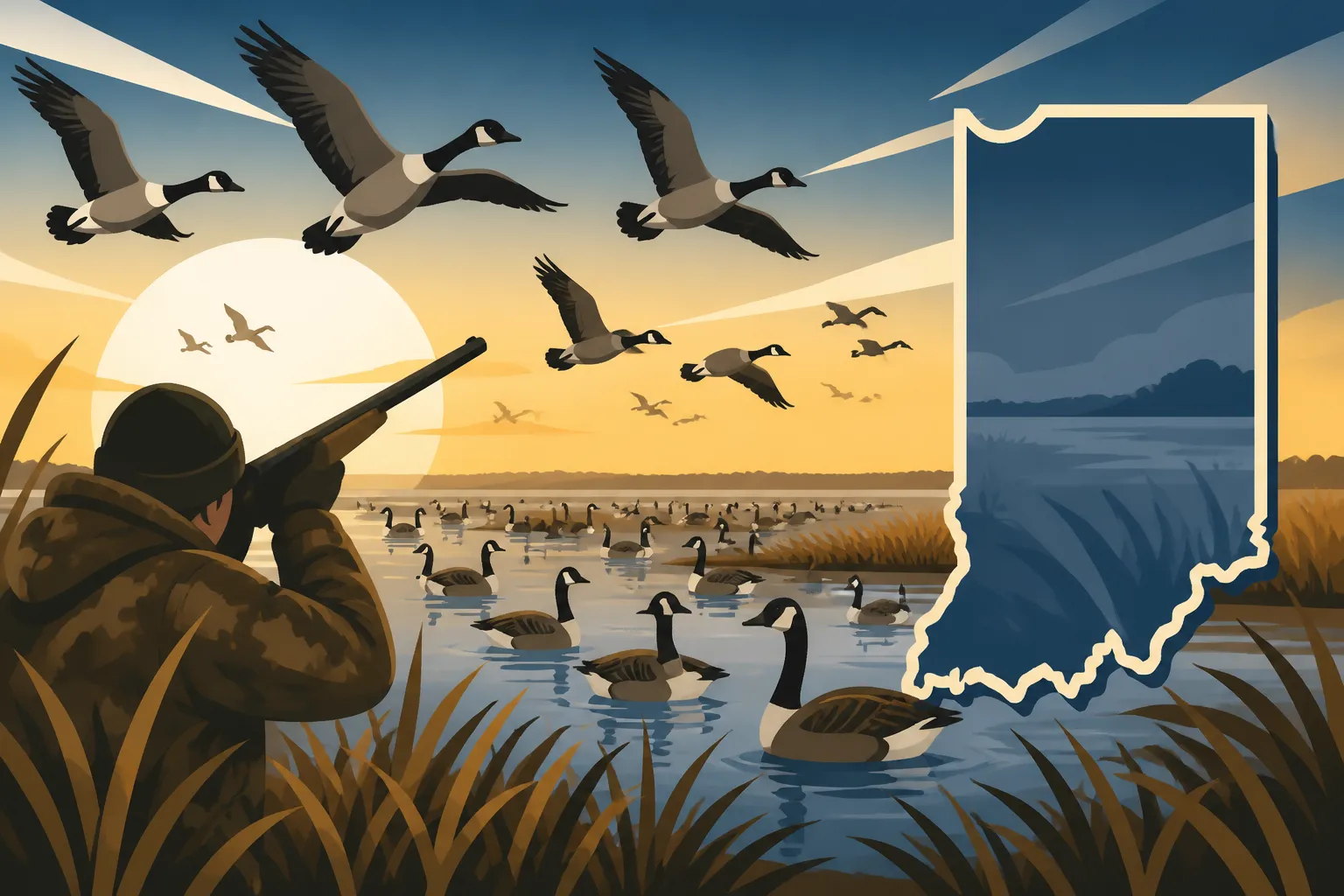
The Kankakee River valley, with its vast marshlands, agricultural fields, and meandering waterways, has long been a magnet for migratory waterfowl. It's not just a stopover; for many Canada geese, it's a preferred winter home, offering a unique blend of food and refuge that draws them in by the thousands. Understanding why these birds choose the Kankakee is key to appreciating the hunting opportunities it provides.
Historical Significance and Ecological Importance
For generations, the Kankakee has been synonymous with waterfowl. Before extensive drainage and channelization, it was known as the "Everglades of the North," a sprawling wetland complex that stretched for miles. While much has changed, remnants of that grandeur, coupled with modern conservation efforts, ensure it remains a vital artery in the Mississippi Flyway. These remaining marshy areas, oxbow lakes, and managed wetlands provide the crucial shallow water and emergent vegetation that geese rely on for resting and protection. The mosaic of habitat types is what makes it so attractive, allowing different family groups and flocks to find their preferred niches.
Even today, conservation areas like Willow Slough Fish and Wildlife Area and the Kankakee Sands project work tirelessly to restore and maintain these critical habitats. They understand that without the proper stopping points, the entire migratory journey for these geese becomes more precarious. It’s a constant dance between natural processes and human management to keep these areas thriving, ensuring that the Kankakee continues to offer a suitable winter haven. When you're out there, it's easy to feel the weight of that history and the ongoing efforts. For a deeper dive into the specific opportunities, check out Waterfowl Hunting the Kankakee Marshes.
Food Sources and Shelter on the Kankakee
What truly brings the geese to the Kankakee, beyond the water itself, are the abundant food sources. Surrounding the marshlands are vast agricultural fields of corn and soybeans. After the harvest, these fields become giant buffets for geese, providing a rich, high-energy diet necessary for surviving the colder months. Geese will spend their days gleaning leftover grains, often flying in large, impressive formations between their roosting sites in the marshes and their feeding grounds in the fields.
The marshes themselves offer important shelter from predators and harsh weather. Thick stands of cattails, smartweed, and other aquatic vegetation provide dense cover, allowing geese to rest safely. Open water areas, especially those with some current or spring-fed sections, often remain ice-free longer than smaller ponds, offering vital refuge during deep freezes. This combination of robust food sources and secure roosting habitat is what makes the Kankakee so incredibly attractive, ensuring that substantial numbers of geese decide to settle in for the winter rather than continuing further south. Hunters looking for tips on navigating these areas might find Hunting Kankakee River Marsh Waterfowl particularly useful.
Factors Influencing Wintering Goose Populations
The number of geese wintering on the Kankakee Marshes isn't static; it's a dynamic figure influenced by a complex interplay of environmental conditions, population health across the flyway, and hunting pressure. Each year brings a slightly different scenario, keeping hunters on their toes.
Weather Patterns and Migration Corridors
Perhaps the most significant factor dictating how many geese winter on the Kankakee is the weather, both locally and across the northern breeding grounds. A mild fall in Canada and the northern U.S. can delay migration, meaning geese might stay further north longer. Conversely, an early, severe cold front that locks up northern waters and covers food sources with snow will push geese south rapidly. The Kankakee often acts as a "hard line" for migration. If conditions remain mild, fewer geese might push down into Indiana, choosing to winter in Illinois or even Wisconsin. However, once truly cold weather hits and ice begins to form in those regions, the Kankakee becomes a vital staging and wintering area.
Local weather also plays a role. Consistent snow cover that prevents geese from accessing waste grain in fields, or prolonged deep freezes that lock up most open water, can force birds to continue their journey further south. Hunters who keep a close eye on these large-scale weather trends, even using tools like GoHunt to track weather patterns and bird movements, often have a better idea of when peak numbers might arrive and how long they might stay. Understanding Indiana Waterfowl Migration Timing can give you an edge in predicting these movements.
Breeding Success and Flyway Population Health
While local conditions dictate where geese winter, the overall health and reproductive success of the Canada goose population dictate how many geese are available to migrate in the first place. Canada geese are robust breeders, and their populations across the Mississippi Flyway have generally been very strong. A good breeding year, characterized by favorable weather on the nesting grounds and high gosling survival, means more birds entering the fall migration. Conversely, a poor breeding year can lead to fewer overall birds.
Wildlife agencies conduct annual surveys to estimate breeding populations and harvest rates, helping to manage the resource sustainably. These flyway-wide numbers don't tell you exactly how many will be on the Kankakee, but they provide context. If the overall population is booming, there's a higher chance of substantial numbers finding their way to Indiana. These broad trends are something hunters across the region pay attention to, as they influence everything from bag limits to season lengths, as detailed in Indiana Duck and Goose Bag Limits.
Hunting Pressure and Habitat Availability
Hunting pressure, both on the Kankakee and along the migration route, can also subtly influence where geese choose to spend their time. Areas that see intense hunting pressure might experience geese becoming more wary and, over time, potentially shifting their patterns to less disturbed areas, or simply becoming more difficult to hunt. The Kankakee Marshes do see significant hunting activity, especially during peak migration.
However, the sheer size and diversity of habitat in the Kankakee often allow geese to spread out and find refuge. Managed hunting areas, combined with large tracts of private land that may see less pressure, create a balance. Additionally, the availability and quality of managed habitats play a crucial role. Well-managed impoundments, accessible food plots, and rest areas within state-managed properties like the Fish and Wildlife Areas ensure that there are always appealing options for the birds, encouraging them to stay even amidst hunting season.
Tracking and Interpreting Goose Numbers for Hunters
As a hunter, knowing the exact number of geese wintering on the Kankakee at any given moment is practically impossible, and honestly, not entirely necessary. What is useful is understanding the trends and indicators that help you gauge current bird activity and make informed decisions about when and where to hunt.
Public Reporting and Hunter Observations
While official, exact counts are difficult to come by outside of specific scientific surveys, you can often find general reports from state wildlife agencies or regional conservation groups that speak to "good numbers of birds" or "peak migration in full swing." These are usually broad indicators, but they can set the general tone for the season. More valuable, perhaps, are the observations shared by fellow hunters. Online forums, local hunting clubs, and even conversations at gas stations or tackle shops near the Kankakee can provide real-time, ground-level intelligence.
Learning to interpret these reports is an art. "Good numbers" might mean something different to an experienced Kankakee veteran than it does to a newcomer. Always cross-reference with your own scouting if possible. Many hunters use apps like GoHunt not just for mapping but for recording their own observations and comparing them with public insights or historical data, helping to build a more accurate picture of goose activity. This kind of shared knowledge is part of the hunting culture, and it’s invaluable for understanding local bird concentrations.
Scouting for Geese on the Ground
There's no substitute for boots on the ground (or waders in the marsh!) when it comes to locating geese. Scouting is absolutely critical for understanding where the birds are actually concentrating. This involves more than just looking; it means listening, observing flight patterns, and identifying feeding and roosting areas. Geese are creatures of habit, and once they establish a pattern, they tend to stick to it until something disrupts them.
When scouting, look for large concentrations of birds in agricultural fields during the day. Pay attention to their flight lines: where are they coming from, and where are they going? Are they flying from a specific marsh complex to a particular field? Identifying these flyways can help you choose prime locations for setting up decoys. Also, observe water bodies for large rafts of geese, especially at dawn and dusk. These are likely roosting areas. Remember, scouting is not just before the season; it's an ongoing process throughout the hunting period, as goose movements can shift with weather and pressure. Techniques like Reading a Kankakee Marsh for a Morning Flight can be incredibly helpful here.
| Indicator | What it Suggests | Hunter Action |
|---|---|---|
| Mild Northern Temps | Delayed migration, fewer early birds on Kankakee | Focus on local resident geese; be patient for main migration. |
| Hard Freeze Up North | Large influx of migrant geese expected on Kankakee | Prioritize scouting roosts/feeds, prepare for peak numbers. |
| Local Snow Cover | Geese pushed out of fields; may move south or roost tighter | Scout open water and less snow-covered fields. |
| Heavy Hunting Pressure | Geese become warier, shift patterns to quieter areas | Hunt mid-week, use larger decoy spreads, focus on low-pressure spots. |
| Abundant Waste Grain | Strong magnet for feeding geese | Identify active feeding fields; get permission or find public access nearby. |
| Open Water Refuges | Critical roosting and resting spots | Scout access points near these refuges, but respect sanctuary boundaries. |
Hunting the Wintering Geese on the Kankakee
When you consider the potentially large numbers of geese that can winter on the Kankakee Marshes, the hunting opportunities become incredibly exciting. However, these birds are smart and get pressured, so success often comes down to strategy and preparation.
Decoy Spreads and Blind Concealment
Successfully hunting wintering geese requires thoughtful decoy strategies and meticulous concealment. Geese have excellent eyesight, and they've seen every trick in the book by the time they reach Indiana. For field hunting, larger spreads are often more effective, mimicking the large flocks they are accustomed to seeing. Mix in some full-body decoys with your silhouettes for added realism. Pay attention to wind direction and create a landing zone within your spread that's inviting and in shotgun range. In marsh environments, smaller, more realistic spreads might be better, focusing on family groups rather than massive feeding flocks. Decoy Spreads for Kankakee Divers offers excellent advice, even if focused on ducks, the principles apply.
Your blind is just as important as your decoys. Whether you're using a layout blind in a cut cornfield or a permanent pit blind near a marsh, concealment is paramount. Brush in your blind extensively, making it blend seamlessly with the surrounding environment. Use natural materials if possible. Geese will circle, scrutinizing every detail. A flash of uncamouflaged material or an unnatural shape can send them flaring out of range. Don't be afraid to take extra time to ensure you are completely hidden. Remember, you're trying to fool a bird that has likely flown hundreds, if not thousands, of miles and dodged many hunters along the way. Layout Blind Hunting Indiana Farm Fields has practical tips for field setups.
Calling Tactics and Situational Awareness
Goose calling is an art form, and mastering it for the Kankakee's wintering geese takes practice. These birds are often heavily pressured, so over-calling can spook them. Start with confidence calls and clucks when birds are distant, transitioning to pleading moans and single-note greetings as they get closer. Learn to read the birds' reactions to your calls. Are they responding positively, or do they seem wary? Adjust your calling intensity and cadence accordingly. Some days they'll want aggressive calling, other days a soft murmur is all it takes.
Situational awareness is also critical. Pay attention to how other geese in the area are behaving. Are they feeding calmly, or are they constantly looking around nervously? Watch for subtle shifts in wind, light, and temperature. A sudden drop in temperature might make them more eager to commit to a field for feeding. Knowing Indiana Goose Season Dates will help you align your tactics with the typical behavior of geese at different points in the season. Dressing appropriately for the weather, with insulated waders and layers, will help you stay comfortable and focused for those long waits. For advice on staying dry and warm, see Waders for Marsh Hunting.
Ultimately, the Kankakee Marshes continue to host significant numbers of wintering geese, offering fantastic opportunities for dedicated waterfowlers. While exact figures fluctuate year to year based on a myriad of factors, the region's enduring habitat and strategic location ensure its continued importance on the Mississippi Flyway. By understanding the influences on these populations and employing smart hunting strategies, you can increase your chances of a successful and memorable hunt on these historic waters.
Disclaimer
This article is for general informational purposes only and does not constitute professional advice. Laws, prices and regulations vary by location and change over time. Consult a qualified professional for guidance on your specific situation.