When Woodcock Migrate Through Indiana
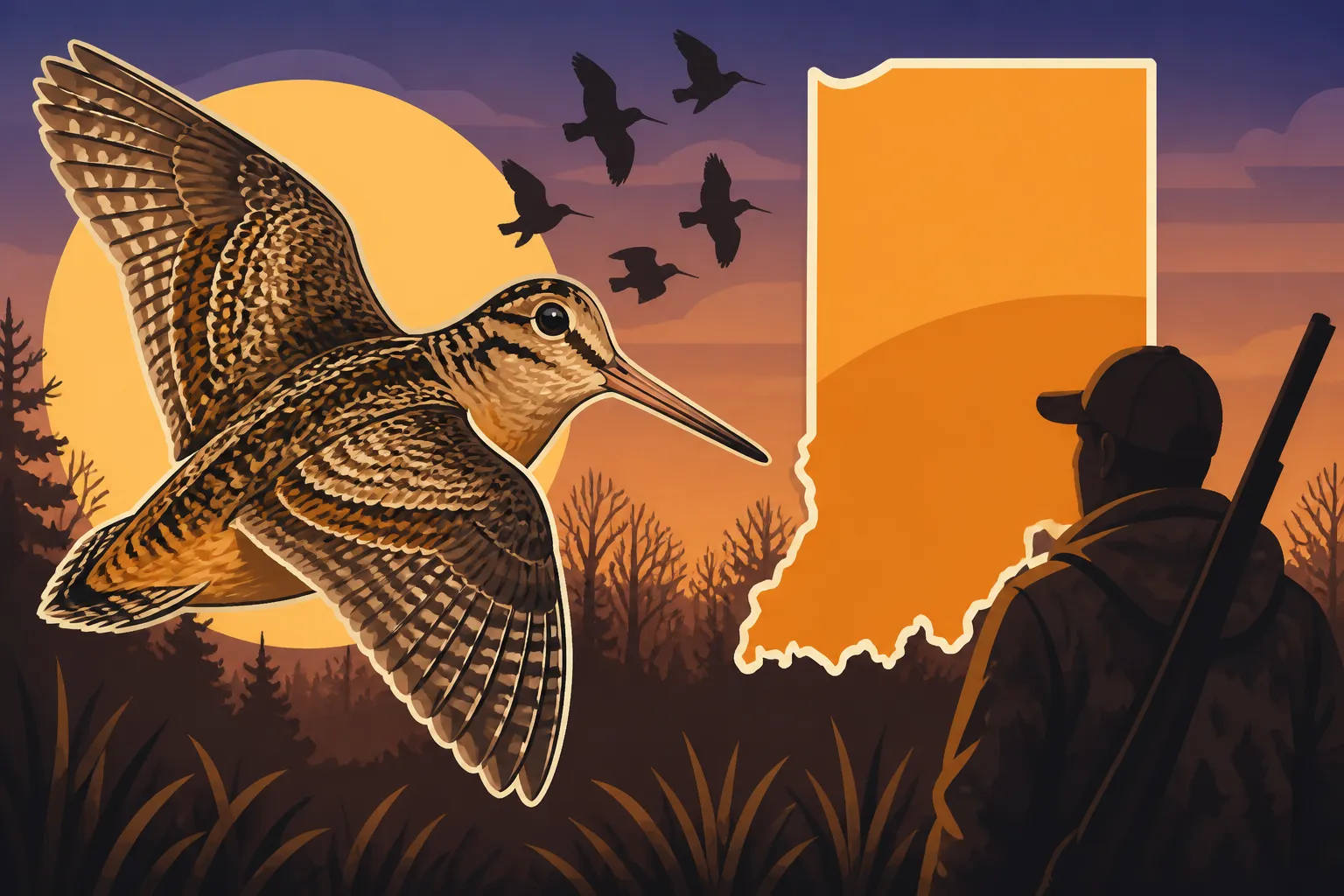
If you've ever found yourself trudging through the Indiana woods in October or November, wondering why you're not flushing any timberdoodles, you're not alone. Figuring out when woodcock are actually moving through our state can feel like trying to catch smoke. This guide is here to help you understand the subtle, yet crucial, timing of the American woodcock's migration through Indiana, so you can be in the right place at the right time.
Understanding the Woodcock's Migration Rhythm
The American woodcock is a fascinating little bird, often overlooked by hunters focused on larger game. But for those of us who appreciate the thrill of a close-quarters flush and the unique challenge these birds present, their migration is a yearly event we eagerly anticipate. Unlike waterfowl, which often have predictable arrival times at major bodies of water, woodcock movements are far more tied to specific environmental triggers.
The Urgency of the Frost Line
At its core, the woodcock's migration is a desperate race against the freezing ground. These birds are specialized insectivores, and their diet consists almost exclusively of earthworms. Their long, sensitive bills are perfectly adapted for probing soft, moist soil to find these subterranean snacks. As the ground freezes solid in their northern breeding grounds—places like Michigan, Wisconsin, and even Canada—their food source literally becomes locked away. This isn't a gradual shift; it's a sudden, urgent push south. A hard frost up north can send waves of woodcock flying towards warmer climates, and Indiana is directly in their path.
This reliance on soft soil means that even a warm spell in October or November can delay their southward movement, while a sudden cold snap can trigger a mass exodus into or through Indiana. It’s why you can hunt a cover one day and find nothing, and return two days later after a cold front has blown through and be overwhelmed with birds. It truly highlights the dynamic nature of their journey.
North-South Flyway Dynamics
Woodcock utilize what's known as the Mississippi Flyway, a broad migratory corridor stretching from the boreal forests of Canada down to the Gulf Coast states. Within this flyway, woodcock often hug specific types of timbered habitats, particularly those associated with river corridors, creek bottoms, and swampy lowland areas. Their flight is typically nocturnal, low-altitude, and generally dispersed, making it less obvious than the large V-formations of geese or the noisy flocks of ducks.
Because they fly at night and settle into cover during the day, their appearance can seem almost magical. One evening, the woods are quiet; the next morning, little probing holes riddle the damp earth, and "whitewash" (their distinctive chalky droppings) speckles the leaves. This rapid turnover means that being even a few days off in your timing can lead to missed opportunities. Understanding Indiana's Place on the Woodcock Flight within this larger migratory pattern helps explain why certain habitats are magnets for them.
Key Migration Windows in Indiana
Indiana experiences woodcock migration in distinct phases, each with its own characteristics. Being aware of these windows is crucial for planning your hunts and maximizing your chances of finding birds.
Early Arrivals and Trickle Migration
As late summer transitions into early fall, usually around late September and into mid-October, we start to see the first signs of woodcock migration. These early arrivals are often younger birds, or those that bred in the southernmost parts of their range. At this stage, the migration is more of a "trickle." You might flush an occasional bird or two, but you're unlikely to find large concentrations. The ground is still soft, and food is abundant, so these birds aren't under as much pressure to bunch up or move quickly.
Hunting during this period can be a bit hit-or-miss. It often requires more walking to cover ground and find those isolated pockets where a few birds have decided to rest and feed. Don't get discouraged if you only find a handful; it's a good sign that the main event is coming, and it gives you a chance to scout new areas and see what kind of cover is holding birds.
Peak Migration: The November Rush
This is it, folks – the main event! Peak migration typically occurs from mid-October through late November. This is when significant cold fronts begin to push down from the northern states, sending a massive influx of woodcock into Indiana. When that first hard frost hits Michigan or Wisconsin, it’s like a starting gun for thousands of birds. They'll drop into Indiana's suitable cover, often concentrated in prime habitat along river bottoms, creek drainages, and areas with young, dense saplings.
During this period, you’ll see evidence of their presence everywhere. Fresh probing holes will pepper the soft earth, and the ground beneath favorite roosting spots will be speckled with whitewash. This is prime time for woodcock hunting, and it’s when you can experience multiple flushes in a single cover. This timing often overlaps with Hunting the Rut in Early November for deer hunters, making for a fascinating mix of activity in the woods.
Late-Season Holdovers and Final Pushes
As November wanes and December approaches, the number of migrating woodcock in Indiana typically starts to decline. However, a significant cold snap in late November can still push a final wave of birds through, or some hardier individuals might stick around longer if conditions allow. These late-season holdovers are often the strongest birds, the ones most resilient to the dropping temperatures. They'll cling to the last unfrozen ground, often concentrating in areas with micro-climates, such as south-facing slopes, spring seeps, or incredibly dense, insulating cover.
Hunting during this late window can be challenging, but also incredibly rewarding. Finding these last birds requires careful observation and a willingness to explore overlooked pockets of habitat. They'll be feeding wherever the ground remains soft enough to probe, so focus on those damp, protected areas. When planning your hunting trips, remember that Indiana Small Game Season Rules generally extend into December, providing opportunities to pursue these birds even as deer season winds down.
Reading the Signs: How to Predict Woodcock Arrival and Departure
Predicting the exact day woodcock will arrive or depart is like predicting the stock market – impossible to get right every time. However, by understanding the environmental cues that drive their movements, you can significantly improve your chances of being in the right place at the right time.
Weather as the Primary Driver
The single most influential factor in woodcock migration is the weather, specifically cold fronts. When a strong, sustained cold front sweeps down from the north, bringing freezing temperatures to their breeding grounds, woodcock are forced to move. These birds aren't equipped for prolonged periods of frozen ground.
Conversely, persistent freezing temperatures in Indiana will eventually drive the birds further south, towards warmer climates in states like Kentucky, Tennessee, or eventually Louisiana. A warm autumn can delay this process, keeping birds further north for longer, while a wet fall can create ideal conditions for lingering woodcock by keeping the ground soft and their food accessible. If we have a dry spell, the ground can harden, even without a hard freeze, making probing difficult and pushing birds to seek out wetter bottomlands or creek beds.
Monitoring Local and Regional Conditions
While you can't control the weather, you can certainly monitor it effectively. Keep an eye on regional weather forecasts, paying particular attention to temperatures and precipitation patterns in the states north of Indiana. Online birding reports and hunting forums can also provide valuable real-time insights into woodcock movements. Mapping tools like GoHunt are excellent for this, as they often allow you to overlay weather patterns with potential habitat, giving you a predictive edge.
Beyond checking forecasts, physical scouting is invaluable. Look for fresh probing holes, which are distinct, dime-sized punctures in the soil. Also, keep an eye out for "whitewash," the unique, creamy white droppings woodcock leave behind, often in thick cover where they roost. Indiana Woodcock Singing Ground Surveys are conducted in spring, but observing their spring habits can also inform your fall scouting by revealing preferred habitat types. Connecting with other hunters in your area can also be a goldmine of information; word travels fast when the timberdoodles are "in."
Scouting for Woodcock: Where to Find Them During Migration
Finding woodcock isn't about covering miles of timber; it's about identifying very specific habitat preferences. These birds are particular about where they stop to rest and refuel.
Habitat Hotspots: The Woodcock's Pantry and Bedroom
Woodcock are creatures of dense, young cover and moist soil. They thrive in what biologists call "early successional habitat." Think old fields reverting to forest, areas of young saplings like alder, dogwood, or aspen, and thick brushy edges. They need overhead cover for protection from predators like hawks, but also fairly open understory at ground level so they can walk and probe for worms.
Crucially, this habitat must be adjacent to or intermingspersed with moist soil. This means focusing your efforts near water sources: creek bottoms, the fringes of swamps, marsh edges, spring seeps, and even just areas of consistently damp ground. These are their pantries. A classic woodcock cover might be a young, dense stand of saplings along a meandering creek. You can use mapping applications like GoHunt to identify these areas by looking for distinct changes in vegetation or wetland indicators.
Public Land Gems and Private Land Opportunities
Indiana offers a surprising amount of public land that can hold woodcock. Our state's Fish and Wildlife Areas (FWAs) are often managed with early successional habitats in mind, creating prime woodcock cover. State Forests, especially those with recent timber harvest or stand improvement projects, can also be fantastic. Look for those clear-cut areas or thinning operations that are now growing back into dense, young timber. Public Hunting Land in Indiana is often available, but you need to know how to read the landscape.
River bottoms, like those found along the Wabash River or the White River, provide extensive corridors of moist, brushy habitat that woodcock absolutely love during migration. Exploring Hunting the Wabash River Bottoms or even the Kankakee River marshes, as covered in Hunting the Kankakee River Marshes, can yield great results. Don't overlook smaller, often neglected brushy parcels on private land, especially along creek drainages or fencerows. Rabbit Hunting Indiana Fencerows might be focused on bunnies, but those thick, brushy lines often hold woodcock too. A friendly knock on a landowner's door, armed with maps from GoHunt showing their property lines and nearby creek beds, can sometimes open up excellent private land hunting opportunities. Remember to wear appropriate footwear, as these areas are often wet; Boots for Walking Indiana Farm Country are essential for comfortable and successful hunts.
Typical Woodcock Migration Phases in Indiana
Here's a quick look at what to generally expect regarding woodcock movement through our state:
| Migration Phase | Timing in Indiana | Key Characteristics | Hunting Focus |
|---|---|---|---|
| Early Arrival | Late September – Mid-Oct | First birds, scattered, less concentrated. | Scouting new areas, finding isolated pockets. |
| Peak Migration | Mid-Oct – Late November | Heaviest influx, concentrated birds after cold fronts. | Prime time, focus on dense, moist cover near water. |
| Late Holdovers | Late November – Early Dec | Fewest birds, but strong individuals. Cling to unfrozen ground. | Hunt spring seeps, dense thermal cover, protected areas. |
Disclaimer
This article is for general informational purposes only and does not constitute professional advice. Laws, prices and regulations vary by location and change over time. Consult a qualified professional for guidance on your specific situation.