Indiana Turkey Brood Survey Results
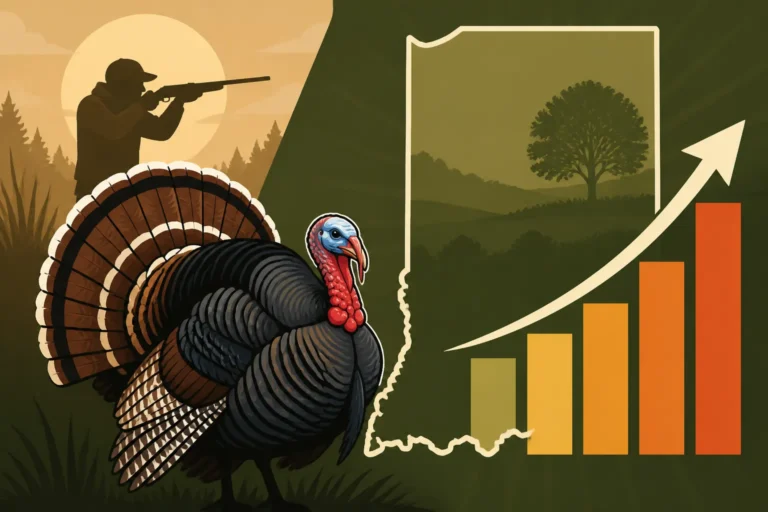
It can be incredibly frustrating to head out into the spring woods, or even the fall, expecting to hear those booming gobblers or see hens with their broods, only to find the woods eerily quiet. One year the turkeys are everywhere, the next it feels like they’ve vanished. Understanding why these fluctuations happen, and what they might mean for your future hunting success in Indiana, often comes down to deciphering the annual turkey brood survey results. This guide will walk you through what these surveys are, how they work in the Hoosier State, and most importantly, how to interpret the data so you can better predict what the turkey woods might hold for you.
What Are Turkey Brood Surveys and Why Do They Matter?
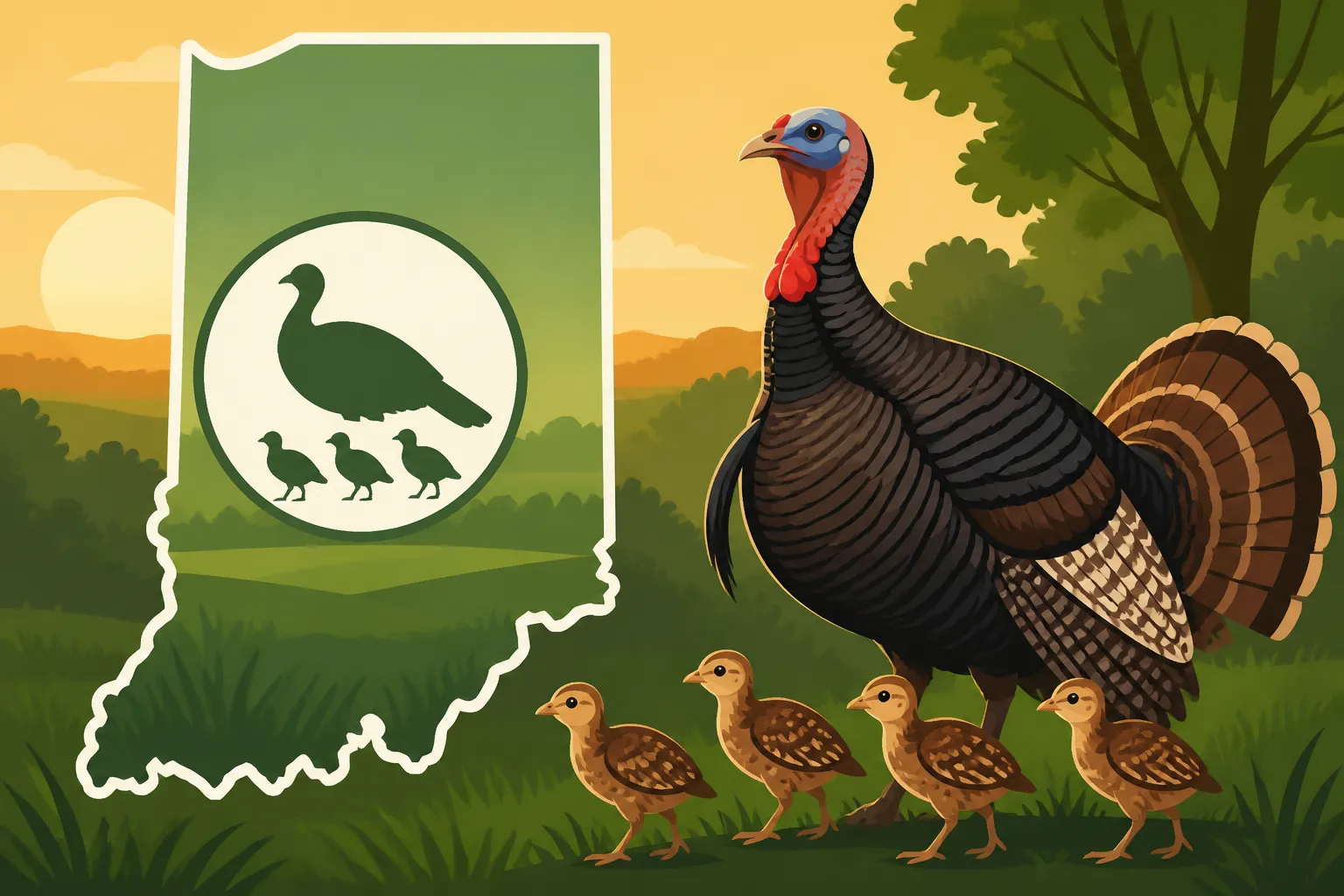
When we talk about "turkey brood surveys," we're essentially talking about a critical piece of wildlife management data that tells us how many young turkeys are successfully being raised each year. A "brood" is simply a group of young turkeys, called poults, accompanied by a hen. These surveys are absolutely vital because they are the earliest indicator of future turkey populations. If hens aren't successfully hatching and raising many poults, then in a few years, those big gobblers and mature hens we all chase won't be as abundant.
Think of it like this: without knowing how many babies are surviving, how can wildlife biologists predict how many adults there will be in two or three years? These surveys give us a window into the health of the reproductive cycle, which directly impacts hunting opportunities. A strong poult-to-hen ratio this summer could mean fantastic hunting in two years when those birds mature into gobblers or breeding hens. Conversely, a poor ratio can signal tougher times ahead, making it crucial to adjust your expectations and tactics. This focus on reproduction helps manage sustainable hunting seasons, preventing overharvest during lean years and allowing for more generous opportunities when populations are thriving. For a deeper dive into this key metric, check out Poult-to-Hen Ratios and What They Mean.
How Indiana Conducts Its Brood Surveys
Indiana's turkey brood surveys are a collaborative effort, much like many other wildlife data collection programs. It’s not just a few state biologists wandering around; it relies heavily on observations from passionate people across the state. This crowdsourced approach paints a much broader picture than any single agency could achieve on its own.
The Role of Citizen Scientists and DNR Staff
The primary method for conducting these surveys is through voluntary participation from landowners, hunters, and other outdoor enthusiasts. The Indiana Department of Natural Resources (DNR) encourages anyone who spends time outdoors during the summer months to report their sightings of wild turkeys. This means if you're out hiking, fishing, farming, or just enjoying your backyard, and you see a hen with her poults, your observation becomes a valuable data point. DNR staff also conduct their own observations, but the sheer volume of citizen reports significantly augments the data, giving a more comprehensive statewide view.
This citizen science aspect is fantastic because it decentralizes data collection. Instead of relying on limited resources to cover vast areas, the DNR leverages the eyes and ears of thousands of Hoosiers. The data is typically collected throughout June, July, and August, which are critical months for poult survival. Hens are leading their young through fields and woods, and observations during this period are most indicative of nesting success and early poult survival. Every sighting, whether it's a single hen, a hen with a dozen poults, or even a flock of gobblers, gets recorded.
Data Collection and Reporting Methods
Reporting is usually done through online platforms, making it easy for folks to submit their observations from their phones or computers. You simply record the date, time, location (often with an interactive map), the number of hens, and the number of poults observed with each hen. If you see turkeys without poults, that's important data too, as it helps determine the proportion of successful hens. Some platforms, like those you might find integrated with hunting apps or resources such as GoHunt, might even offer streamlined ways to record your sightings and then see how your data contributes to the bigger picture.
The importance of accurate reporting can't be overstated. Even if you see the same hen and poults multiple times, reporting each distinct sighting helps create a more robust dataset. Biologists then analyze this information to calculate the average number of poults per hen across different regions of the state. This regional breakdown can highlight specific areas experiencing higher or lower reproductive success, which can be invaluable for understanding local populations and adjusting management strategies.
Interpreting Indiana's Turkey Brood Survey Results
Once the data is collected and compiled, it’s presented in a way that allows wildlife managers and hunters alike to gauge the health of the turkey population. The key metric to focus on is the "poult-to-hen ratio." This number tells you, on average, how many poults are surviving per hen.
Understanding the Poult-to-Hen Ratio
A high poult-to-hen ratio generally indicates a successful breeding season and good poult survival. Conversely, a low ratio suggests that either fewer hens nested successfully, or a high number of poults perished due to adverse weather, predation, or other factors. What constitutes "good" or "bad" can vary slightly by region and over time, but generally, a ratio above 2.0-2.5 poults per hen is considered healthy, indicating a stable or growing population. Ratios consistently below that might signal a declining trend.
For example, if the survey reports a statewide average of 3.1 poults per hen, that’s usually fantastic news. It means, on average, for every hen observed, she was accompanied by more than three young turkeys. This bodes well for the future. However, if the ratio drops to 1.5, it’s a red flag. It means fewer young birds made it, and this will inevitably lead to fewer mature birds in the coming years. You can often find detailed breakdowns by region, which is super helpful because a high statewide average might mask localized areas struggling with low reproduction. Keeping an eye on Indiana Turkey Population Trends over several years really helps put current numbers into perspective.
The Lag Effect: How Today's Brood Affects Tomorrow's Hunt
It's crucial to remember that turkey brood survey results don't tell you about this year's spring hunting season. They tell you about the turkey population you'll be hunting in future seasons. A poult hatched this summer won't be a harvestable gobbler until it's at least a year old (a jake), and more likely two years old for a mature gobbler. So, if the 2024 brood survey shows excellent success, you can anticipate an uptick in jakes in the 2025 spring season, and a strong cohort of mature gobblers in the 2026 spring season.
This "lag effect" is why the brood surveys are such a powerful scouting tool for the proactive hunter. They give you a crystal ball, albeit a slightly fuzzy one, into the abundance of birds in upcoming seasons. Knowing this, you can adjust your long-term planning. If you see a couple of years of strong numbers, you might start planning bigger trips or spending more time afield. If numbers are consistently low, it might be time to lower expectations or focus on different game species for a season or two. This forward-looking approach is a hallmark of successful, long-term hunting strategy.
| Poult-to-Hen Ratio | Interpretation for Future Seasons (2-3 Years Out) |
|---|---|
| Below 1.5 | Poor. Expect lower bird numbers, tougher hunting. |
| 1.5 – 2.0 | Fair. Stable population, but limited growth. |
| 2.1 – 2.5 | Good. Healthy population, potential for slight growth. |
| Above 2.5 | Excellent. Strong population growth, better hunting prospects. |
What the Numbers Mean for Hunters and Strategies
For the dedicated Indiana turkey hunter, the brood survey results are more than just academic data; they're actionable intelligence. They can influence everything from your overall season expectations to the specific tactics you employ in the field.
Adjusting Expectations and Planning Future Hunts
If Indiana has a couple of years with strong brood success, you can generally expect to encounter more birds. This translates into potentially more gobbling activity, more visual sightings, and a higher chance of success. This might be the year you decide to really lean into your turkey hunting, perhaps exploring a new area or spending more time trying to fill your tag. A resource like GoHunt might aggregate these survey results and provide overlays or insights that help you pinpoint regions that have consistently good numbers, helping you narrow down your scouting efforts.
Conversely, if the surveys reveal a couple of tough reproductive years, it's wise to temper your expectations. Hunting might be harder, and you might need to work much harder for a gobbler. This doesn't mean you won't find success, but it suggests the overall population might be down, leading to fewer encounters. This is where you might decide to focus on Indiana Spring Turkey Season Rules to understand bag limits and season dates, making sure you make the most of your opportunities, or perhaps even focus on Indiana Fall Turkey Season Structure as those seasons can sometimes offer different dynamics.
Tactical Implications Based on Brood Success
Knowing the general population trend can also help refine your hunting tactics. In years following high brood success, when bird numbers are strong, you might find more competition from other hunters, especially on public lands. This could mean you need to get further off the beaten path or adapt to more pressured birds. In these conditions, Roost Hunting Indiana Gobblers might become a prime strategy, allowing you to intercept birds before they hit the ground and disperse.
If the numbers are low, indicating a harder season, you'll want to focus on high-percentage areas and refine your calling. You might become more patient, waiting for that single hot gobbler to commit, rather than trying to run and gun after every distant sound. Understanding potential factors like Nest Predation and Indiana Turkey Hatches that could contribute to lower numbers can also help you scout more effectively, perhaps looking for areas with better protective cover or less predation pressure. Regardless of the survey results, continually honing your skills and scouting thoroughly, perhaps using mapping tools provided by GoHunt to identify prime habitat, is always key.
Factors Influencing Indiana's Turkey Brood Success
Wild turkey populations are complex, and their reproductive success is influenced by a myriad of environmental factors. Understanding these can give you an even deeper appreciation for why the brood survey results look the way they do each year.
Weather Patterns: The Double-Edged Sword
Weather is arguably one of the most significant factors affecting poult survival. A mild, dry spring with warm temperatures is generally ideal. It allows hens to nest without their nests being flooded out, and newly hatched poults, which are incredibly vulnerable to cold and wet conditions, have a better chance of surviving their first few weeks. Poults are susceptible to hypothermia, and prolonged periods of cold rain can be devastating to a hatch.
On the flip side, extremely wet or cold springs can wreak havoc on poult survival rates. Heavy rains can wash out nests in low-lying areas, and constant dampness can lead to illness or chilling for young birds. Drought conditions can also negatively impact poults indirectly by reducing insect populations, which are a critical food source for growing turkeys. So, while you can't control the weather, knowing what kind of spring Indiana had can give you an early hint about what the upcoming brood survey might reveal.
Habitat Quality and Predation Pressure
The quality and availability of suitable habitat play a huge role in successful turkey reproduction. Hens need secure nesting sites, often in dense cover that protects them from predators and the elements. Once poults hatch, they require areas with abundant insects for food and dense, low cover where they can hide from aerial and ground predators. Areas with a mosaic of mature timber for roosting, open fields for bugging, and thick underbrush for nesting and escape cover tend to support healthier turkey populations.
Predation is a constant threat to nests and young poults. Coyotes, raccoons, opossums, skunks, and even raptors are all keen on finding turkey eggs and vulnerable young. In areas with high predator populations or fragmented habitat that makes nesting and raising poults more challenging, brood success can naturally be lower. Conservation efforts aimed at improving habitat and, in some cases, managing predator populations can help boost brood success. When considering Where Indiana Turkeys Are Densest, habitat quality is almost always a driving factor.
Food Availability and Disease Outbreaks
Lastly, food availability is critical, especially for the hens during nesting and for the rapidly growing poults. A good mast crop (acorns, beechnuts) in the previous fall helps hens go into winter and spring in better condition, making them more likely to successfully nest. As mentioned, insects are vital for poults. A healthy insect population means strong, fast-growing poults.
Disease outbreaks, though less common than weather or predation impacts, can also significantly affect turkey populations, including poult survival. Avian diseases can weaken hens, making them less able to nest or care for their young, or directly impact poult health. While not typically a widespread issue annually, localized outbreaks can depress brood success in specific areas. The Indiana DNR monitors for such issues, adding another layer to the complex picture of turkey population dynamics.
Disclaimer
This article is for general informational purposes only and does not constitute professional advice. Laws, prices and regulations vary by location and change over time. Consult a qualified professional for guidance on your specific situation.