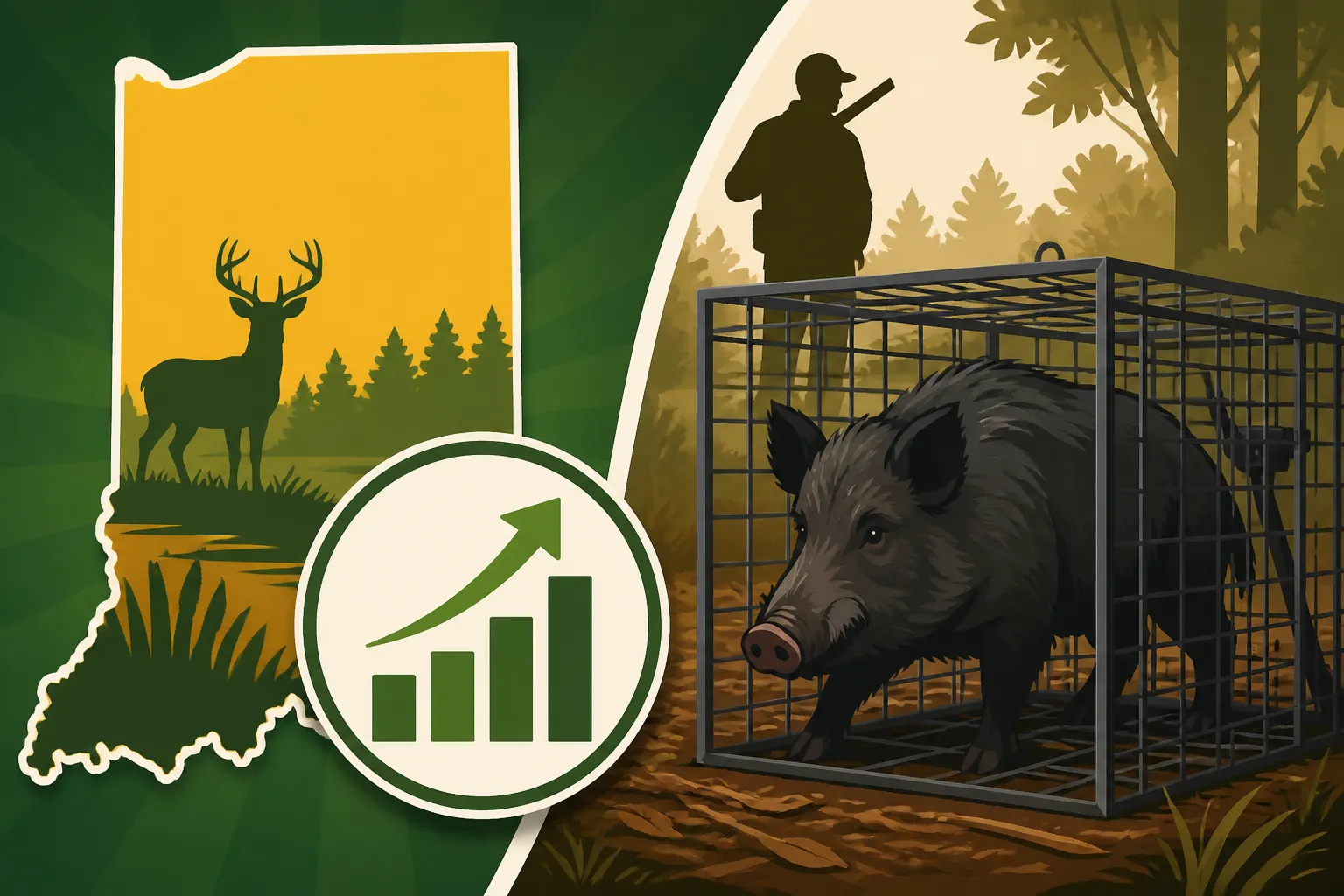
Indiana Hog Trapping Success Rates
Listen, if you've spent any time at all dealing with feral hogs in Indiana, you know they're a massive headache. These aren't just nuisance animals; they're an ecological wrecking ball, tearing up crops, destroying habitat, and outsmarting even the most seasoned hunters. Many folks get into hog trapping thinking it's a simple fix, only to find their elaborate setups sitting empty night after night. This guide is here to shed some realistic light on Indiana hog trapping success rates, what truly impacts them, and how you can boost your odds against these notoriously clever critters.
The Realities of Hog Trapping in Indiana: Why It's Tough
Let's be honest, successfully trapping feral hogs in Indiana isn't a walk in the park. It's often a frustrating, time-consuming endeavor that requires a good deal of patience and an even greater degree of adaptability. These aren't your average game animals; they reproduce at an alarming rate, learn quickly from negative experiences, and their nomadic nature makes consistent targeting a real challenge.
One of the biggest frustrations is their intelligence. Hogs aren't dumb. They're incredibly wary, especially after they've had any negative interaction with humans or trapping equipment. You might set up a fantastic trap, perfectly camouflaged, baited with their favorite treats, and they'll still skirt around it for days, sometimes weeks, before one of the bolder individuals finally commits. And once one hog alerts the sounder, it can be game over for that location for a while. It's a constant chess match, and they often have the home-field advantage. The sheer amount of time you can invest in scouting, setting, and monitoring a trap, only to come up empty, is enough to make anyone throw their hands up in despair. But understanding these inherent difficulties is the first step toward developing a more resilient strategy. The problem isn't usually with the trapper's effort, but with underestimating the adversary.
Strategic Planning: The Foundation of Trapping Success
You can have the best trap money can buy, but without solid reconnaissance and a well-thought-out plan, your success rate will be abysmal. Hogs are creatures of habit to an extent, but their habits are often dictated by food, water, and pressure. A successful trapping operation starts long before the trap is even set.
Intensive Scouting and Understanding Hog Behavior
Before you even think about setting a trap, you need to become a hog detective. This means spending serious time in the field, observing, and understanding the local hog population. Where are they feeding? What are they eating? Where do they water? What paths do they take between bedding and feeding areas? Look for fresh rooting, tracks in mud, rubbed trees, and scat. Pay close attention to recent activity; older sign might indicate they've moved on.
Consider using tools like GPS mapping apps, such as GoHunt, to mark sign and potential travel corridors. This helps you build a detailed picture of their movements. Hogs in river bottoms, for instance, might be patterned differently than those hitting cornfields in the northern part of the state. Knowing if they're moving through a specific Hunting a Funnel Between Two Woodlots or sticking to thick Working a Cedar Thicket for Late-Season Deer is critical. Understanding these patterns will guide your trap placement. Don't just guess; let the hogs tell you where they are.
Strategic Trap Placement
Once you've done your homework, choosing the right spot for your trap is paramount. You want a location that's on a travel corridor, near a consistent food source they're currently utilizing, or close to a reliable water source. It should also be a spot that offers some natural cover or allows you to adequately camouflage the trap, making it less intimidating. A well-placed trap looks like a natural part of their environment.
Avoid placing traps in areas with high human traffic or near busy roads unless you absolutely have no other option. Hogs are extremely sensitive to disturbance. You want them to feel safe and comfortable approaching the trap. Sometimes, the best spots are those less accessible, requiring more effort to set up, but offering a higher probability of success because of reduced pressure. Think about pinch points in the terrain, where hogs are naturally funneled, such as along a creek bottom, a fencerow, or the edge of a timber block.
Trapping Techniques: What Works and What Doesn't (And Why)
Not all traps are created equal, and even the best trap can fail if not deployed correctly. The goal is to condition the hogs to accept the trap as a safe feeding location before you ever trigger it. This "pre-baiting" phase is crucial.
Pre-Baiting and Conditioning
This is where many aspiring trappers fall short, and it's perhaps the most critical component of achieving high success rates. Instead of immediately setting the trap to catch, leave it open and heavily bait it for an extended period. The goal is to get the entire sounder comfortable entering and exiting the trap daily, repeatedly. They need to associate the trap enclosure with a reliable, safe food source. This can take days, or even weeks, depending on how wary the hogs are.
Use attractive bait like shelled corn, fermented grain, or even store-bought hog attractants. Consistency is key here; replenish the bait regularly. You can mix in a little diesel fuel with corn (check local regulations first, but it's a common practice where legal) as hogs often love the smell, and it deters other animals like raccoons. Monitor the bait consumption. Trail cameras are invaluable during this phase, allowing you to see which hogs are entering the trap, how many, and their comfort level without disturbing the area. Seeing all hogs in a sounder regularly feeding within the trap is your green light to set it. This patience dramatically increases your chances of catching multiple hogs at once, rather than just one or two wary individuals.
Types of Traps and Their Effectiveness
There are several types of traps commonly used, each with its pros and cons. The best one for you often depends on your budget, the size of the sounders you're targeting, and the terrain.
| Trap Type | Description | Pros | Cons | Ideal Scenario |
|---|---|---|---|---|
| Box Traps | Rectangular metal cages, usually single entry, trip mechanism. | Portable, good for smaller sounders/individuals, easy to set. | Limited capacity, hogs can get wary of enclosed space. | Targeting single hogs or small groups in easily accessible areas. |
| Panel Traps | Large circular or rectangular pens made from livestock panels. | High capacity, can catch entire sounders, less intimidating. | Less portable, more involved setup, requires careful door selection. | Capturing large sounders, especially when they're hitting bait hard. |
| Gate Mechanisms | Doors for panel traps, such as guillotine, saloon, or rooter gates. | Versatile, can be adapted to panel traps, some allow smart triggering. | Requires careful setup, mechanical failures can occur. | Enhancing panel trap efficiency, especially with remote trigger systems. |
| Drop Traps | Large net or panel suspended above a bait site, dropped remotely. | Extremely high capacity, less intimidating, very effective for sounders. | Very complex setup, expensive, requires remote monitoring. | Large-scale removal efforts, highly wary sounders. |
For most individuals, a well-built panel trap with a sturdy gate mechanism will offer the best balance of effectiveness and cost. Manufacturers like Jager Pro or Boar Buster offer advanced remote-triggered systems that work with GoHunt to help you monitor and trigger traps from a distance, minimizing human presence and increasing catch rates. These smart systems often integrate cameras and cellular triggers, allowing you to watch the sounder enter the trap live and drop the gate only when all individuals are inside. This prevents those frustrating "almost got 'em" moments.
It's also important to consider the Indiana Feral Hog Regulations before choosing or deploying a trap. Laws vary regarding trap size, marking, and checking frequency.
Persistent Monitoring and Adaptation: The Keys to Consistent Results
Trapping feral hogs is never a one-and-done deal. Even after a successful catch, you'll likely have more hogs move into the area, or some individuals might have escaped. It's an ongoing management effort.
Utilizing Technology for Remote Monitoring
Modern technology has revolutionized hog trapping. Trail cameras are your best friends here. Place them strategically around your bait site and trap to observe hog behavior without disturbing the area. You can learn:
- Sounder size and composition: Are you seeing sows with piglets, or just boars? This impacts breeding potential.
- Timing: When are they visiting the bait? This informs when you should check or set your trap.
- Wary behavior: Are they skirting the trap? Are they entering freely?
- Other animals: What other critters are eating your bait?
Cellular trail cameras, especially those compatible with platforms like GoHunt, allow you to receive real-time photos or videos to your phone. This means you can monitor your trap 24/7 without having to physically visit it, drastically reducing human scent and pressure. This kind of persistent, low-impact monitoring is critical for improving Trapping Indiana Feral Hogs success.
Adapting to Changing Conditions
Feral hogs are masters of adaptation, and you need to be too. If your trap isn't catching, don't just leave it; evaluate and adjust.
- Bait: Is your bait still fresh and attractive? Try changing up the bait if activity drops.
- Location: Has the food source shifted? Have they been pressured out of the area? You might need to move your trap entirely to a new, more active location, perhaps closer to a Late-Season Food Sources for Indiana Whitetails that hogs are also targeting.
- Pressure: Have humans or other predators been disturbing the area? Minimize your visits, even for monitoring, by relying on those cellular cameras.
- Weather: Extreme weather can affect hog movement. Hogs might move less in bitter cold or torrential rain.
Remember, the goal is to eliminate the entire sounder, not just a few individuals. If you catch one or two and the rest scatter, you haven't truly solved the problem. The remaining hogs will reproduce, and you'll be back to square one. Being patient, waiting for the whole sounder to commit, and then setting the trap, is paramount. This adaptive, persistent approach is the ultimate secret to improving your Indiana Hog Trapping Success Rates. Consider this an ongoing battle, not a single skirmish. For more on this, check out Hunting Indiana's Year-Round Feral Hogs.
Disclaimer
This article is for general informational purposes only and does not constitute professional advice. Laws, prices and regulations vary by location and change over time. Consult a qualified professional for guidance on your specific situation.