Indiana Hog Trapping Success Rates
Indiana feral hog trapping success rates and strategic scouting methods explain how to boost capture odds against intelligent animals.
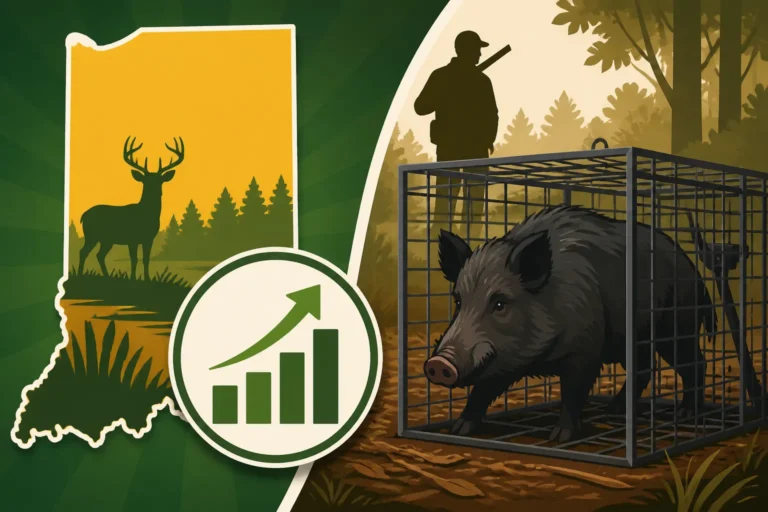
Indiana feral hog trapping success rates and strategic scouting methods explain how to boost capture odds against intelligent animals.
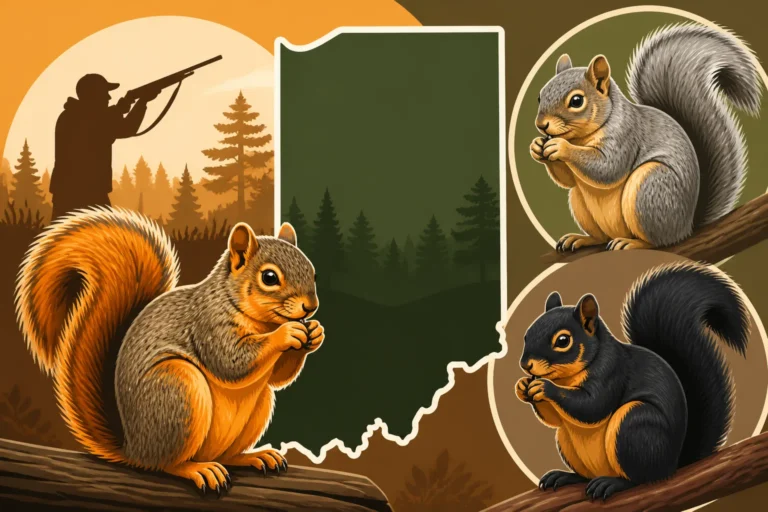
Indiana fox squirrel color variations range from rusty orange to agouti patterns, explained by genetics and regional traits.
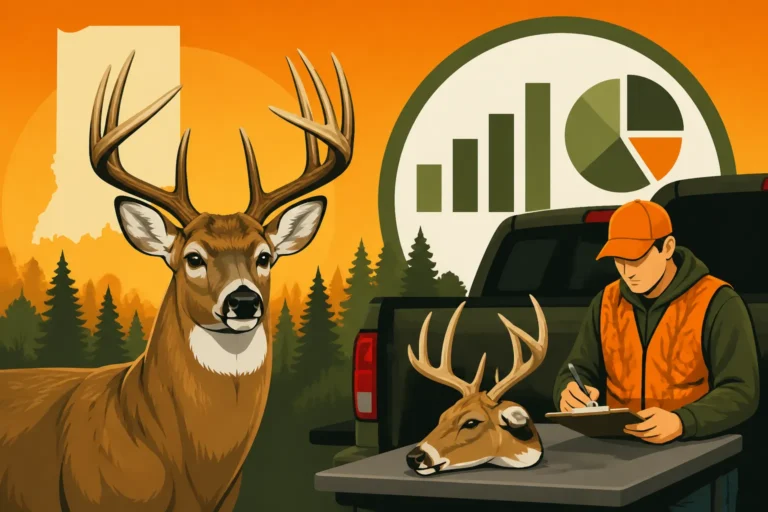
Indiana Fish and Wildlife Area deer check station data shows harvest numbers, sex, age, and herd health to plan upcoming hunts.
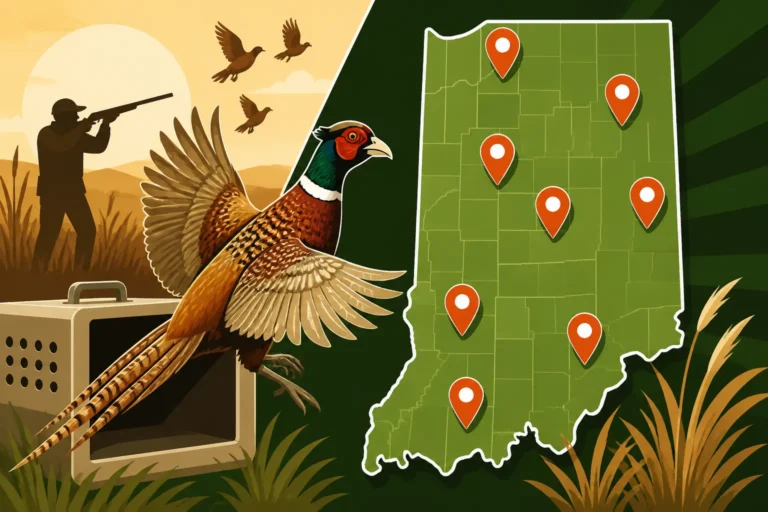
Indiana pheasant release site locations and DNR stocking programs provide public upland hunting opportunities across state lands.
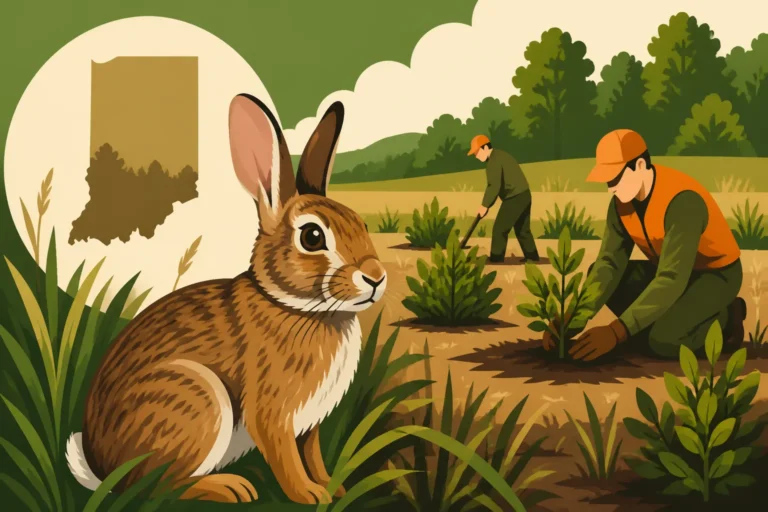
Indiana cottontail rabbit habitat loss and fragmentation explain declining populations, detailing practical restoration steps for Hoosiers.
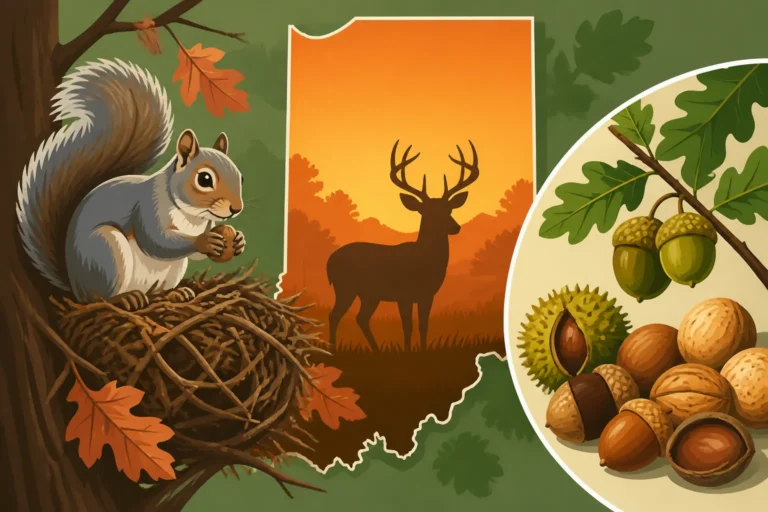
Indiana squirrel nest counts and annual mast crops explain population density and help hunters predict animal abundance.
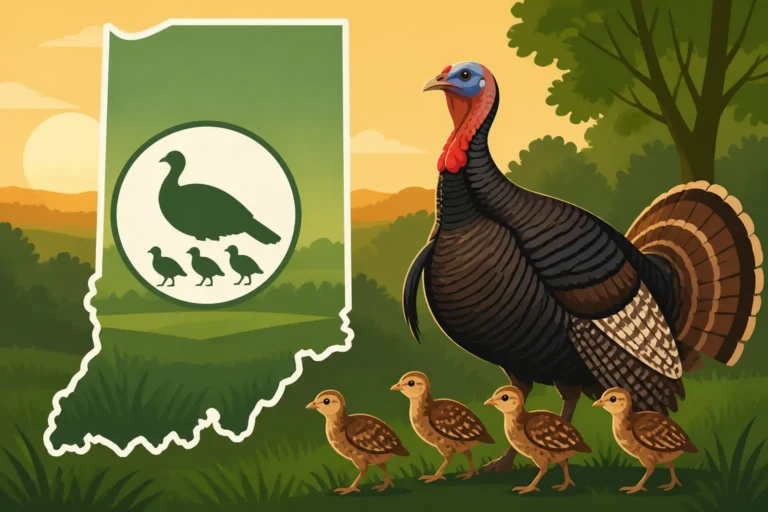
Indiana turkey brood survey results reveal annual population fluctuations and help predict future wild turkey hunting opportunities.
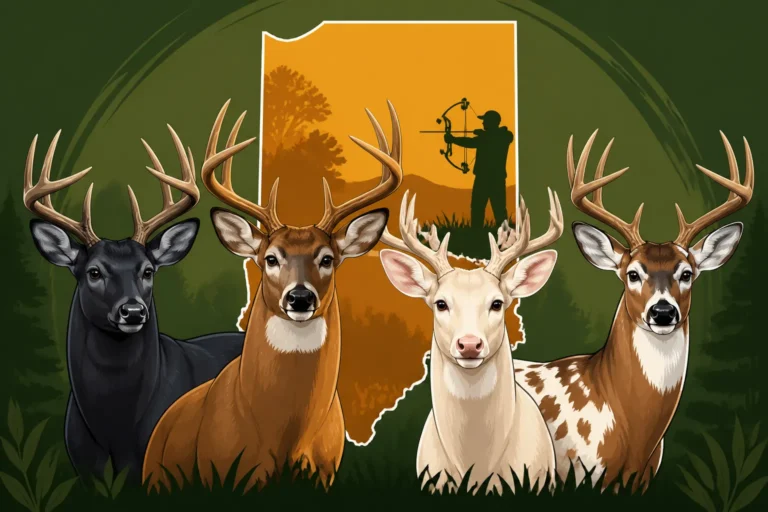
Indiana whitetail color phase rarities explain the recessive genes causing pink eyes, white coats, and unusual deer variations.
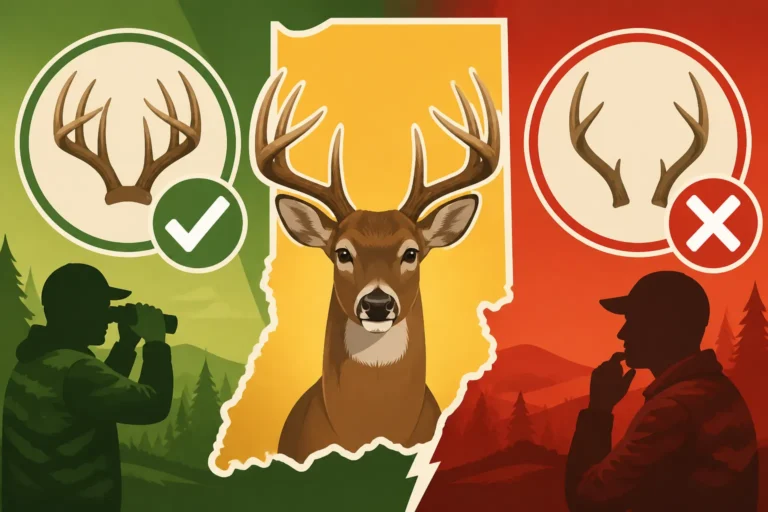
Indiana deer antler restrictions and regulations for harvesting older bucks through minimum size limits and point counts.
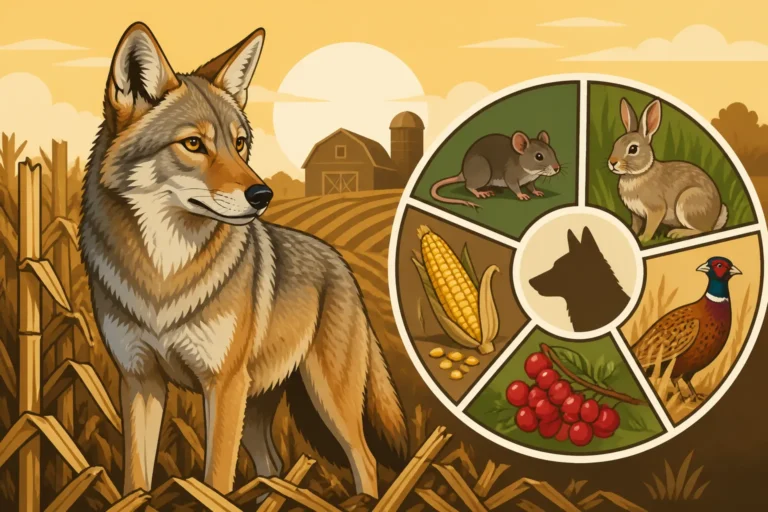
Indiana coyote diets in agricultural regions consist of field mice, groundhogs, voles, rabbits, ground-nesting birds, and carrion.