Predator Calling Indiana Fencerows at Dusk
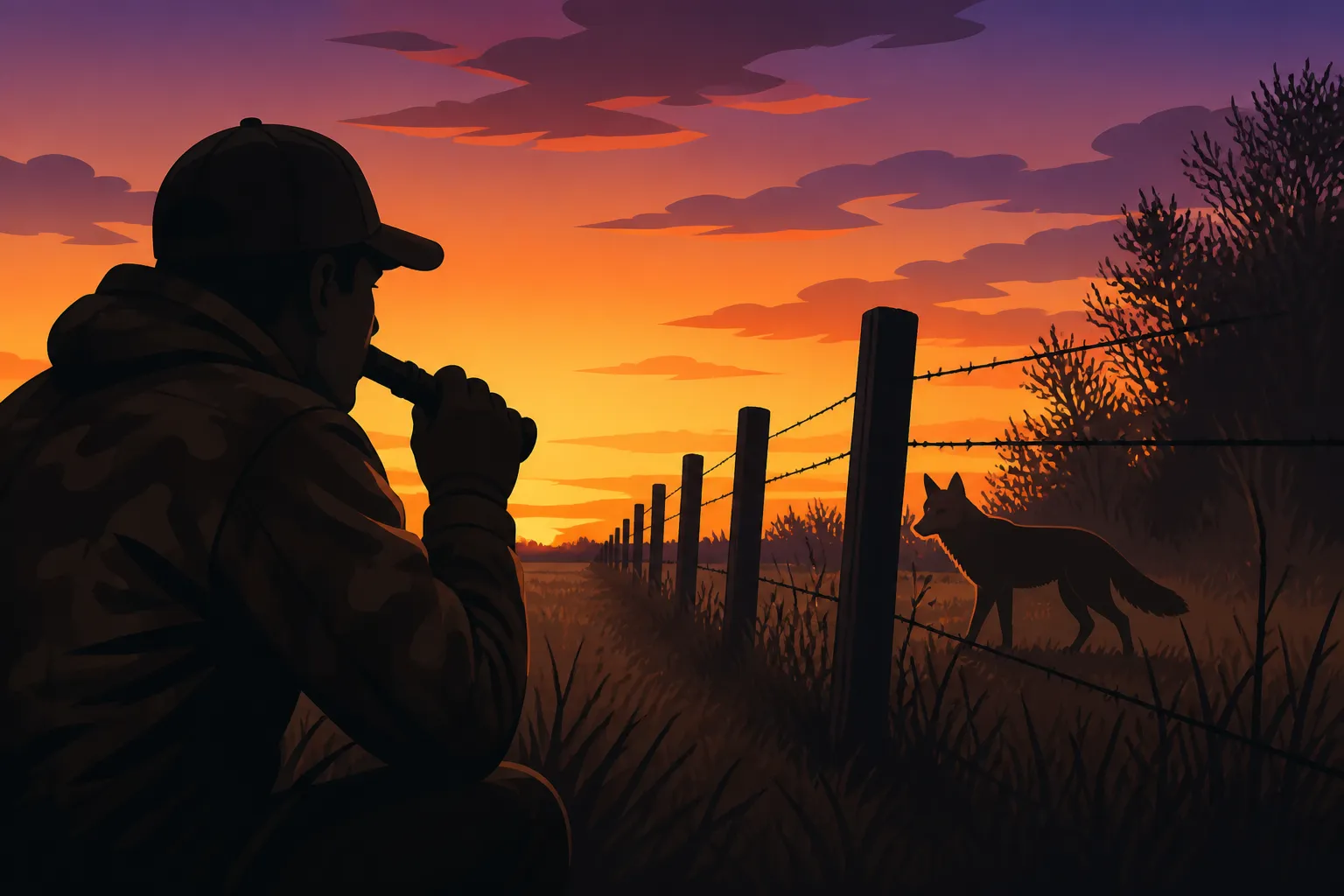
There's nothing quite like the thrill of a predator hunt, especially when the last rays of sun are painting the Indiana sky and shadows start to stretch long across the fields. If you've ever felt that frustration of seeing coyotes, foxes, or bobcats slinking along a distant fencerow, just out of range, then this guide is for you. We're going to dive deep into how to effectively call predators right into your lap when you're set up along those vital fencerows at dusk, turning those fleeting glimpses into real opportunities.
The Allure of Indiana Fencerows for Predators at Dusk
Those seemingly simple lines of trees, shrubs, and weeds dividing farm fields are far more than just property markers to a predator; they are lifelines. In a landscape dominated by agriculture, fencerows become crucial corridors, offering cover, travel routes, and prime hunting grounds. Overlooking these linear patches of habitat is a common mistake many hunters make, but understanding their significance is key to consistent success.
Why Fencerows are Prime Hunting Grounds
Think about it from a coyote's perspective. They're constantly moving, always looking for an easy meal, and always wary of being exposed. A fencerow, even a narrow one, provides that vital concealment they crave. It's a natural highway where they can move unseen, whether they're stalking mice and voles in the grass, checking for rabbits, or simply traveling between larger woodlots. These linear patches often hold a higher density of small game than the open fields themselves, acting like a magnet for anything looking for an easy meal. During the day, they might hunker down in heavier cover, but as soon as the sun starts to dip, they'll often emerge to patrol these food-rich corridors. Many of the techniques discussed in Hunting Northern Indiana Farmland Deer can also apply to understanding how all wildlife uses these linear features.
What's more, fencerows often connect different types of habitat – a woodlot to a cornfield, a pasture to a creek bottom. These transition zones are always high-activity areas for all wildlife, including the prey species predators pursue. A well-established fencerow provides not only cover but also a break in the wind, a place to sun themselves on a cool morning, or a spot to bed down for a quick rest. For us as hunters, these areas are predictable ambush points because predators are naturally drawn to them and tend to follow them, making our setup much more strategic. They funnel movement, and understanding how to capitalize on that funnel is critical.
Understanding the Dusk Advantage
Dusk is a magical time for predator hunters. As the sun dips below the horizon, painting the sky with oranges and purples, a whole new world of activity awakens. Many of Indiana's primary predators, like coyotes and foxes, are crepuscular, meaning they are most active during these low-light periods of dawn and dusk. They feel safer under the cloak of twilight, venturing out from heavier cover to hunt. This shift in behavior makes dusk an incredibly productive time to be in the field. The fading light itself acts as a natural camouflage for you, the hunter, allowing you to slip into position without being easily detected.
Beyond just the physiological activity cycle of predators, the environmental conditions at dusk often work in your favor. The air typically cools, and thermals, those invisible currents of air that carry scent, begin to fall. This can help carry your call sound further and more effectively, while also allowing you to better predict the direction of your scent cone. If you’re trying to call in a wary coyote, ensuring your scent isn't blowing directly at their potential approach is paramount. The lower light also forces predators to rely more heavily on their hearing and sense of smell, making a well-placed, realistic call even more irresistible. Understanding these subtle shifts in the environment, especially wind and thermals, is just as important for predator hunting as it is for deer hunting.
Essential Gear for Your Fencerow Calling Setup
Just like any specialized hunting method, predator calling in fencerows at dusk requires the right tools and a well-thought-out setup. You won't need a massive amount of expensive gear, but having the essentials dialed in can make all the difference between an empty stand and a successful hunt. From the calls themselves to what you'll be shooting, every piece plays a role.
Calls, Decoys, and Scouting Tools
When it comes to calls, variety is your friend. You'll want a mix of distress sounds to mimic injured prey – think rabbit, bird, or even fawn distress. Electronic calls offer incredible versatility, allowing you to switch between different animal sounds and adjust volume with ease. Brands like Foxpro or Icotec are popular choices and have a vast library of sounds. However, don't underestimate the power of good hand calls. A quality mouth-blown rabbit distress call can be incredibly effective, especially for close-range work or finishing a hung-up predator. Remember, predators hear these sounds daily, so varying your approach is crucial. For deeper dives into sound selection, checking out guides on Coyote Calling in Indiana Farm Country can be very helpful.
Decoys, while not always necessary, can be a game-changer, especially for drawing in wary animals. A simple motion decoy, like a fluffy tail rotating on a stick, can divert a predator's attention away from your hiding spot and give them something to focus on besides you. The visual stimulus can be the final piece of the puzzle to convince a cautious coyote or fox to commit to your setup. For scouting, tools like the GoHunt app or a good set of paper maps are indispensable. Before you even head out, use these to identify prime fencerows that connect cover, potential bedding areas, and open fields where prey might be found. Look for pinch points, intersections, and thicker sections of fencerow that predators would naturally use as ambush sites. Reading Aerial Photos for Southern Indiana Deer offers excellent advice on how to interpret terrain that directly applies to finding prime predator real estate.
Optics, Lighting, and Firearm Choices
Dusk means low light, so a good set of binoculars is critical for spotting incoming predators before they spot you. An 8×42 or 10×42 binocular with good light-gathering capabilities will serve you well. As darkness deepens, a quality headlamp with a red or green light option is essential for moving safely to and from your stand, but avoid using white light when actively hunting, as it will spook animals. For actual target acquisition in the dark, if you're planning to hunt after legal shooting hours, you'll need specialized equipment. Remember, Night Hunting Rules for Indiana Coyotes are very specific and regulate the use of artificial lights and night vision equipment. Always consult the latest Indiana DNR regulations.
For firearms, a flat-shooting rifle in a caliber like .223 Remington, .22-250 Remington, or even a .204 Ruger is an excellent choice for coyotes, offering precision and range needed for fencerow shots. For foxes or closer engagements, a shotgun loaded with buckshot (like #4 Buck) or even heavy lead birdshot can be devastatingly effective. When choosing your rifle, consider a scope with good low-light performance and an illuminated reticle to aid in target acquisition as the light fades. Accuracy is paramount, as a clean kill is always the goal. Ensure your firearm is sighted in for the distances you expect to shoot, which, in fencerow situations, might be surprisingly close or stretch out across a field.
Here's a quick checklist of essential gear:
| Category | Item | Notes |
|---|---|---|
| Calls | Electronic Predator Call | Versatile, multiple sounds, remote control is a huge plus. |
| Mouth Blown Distress Call | Backup, good for close-range "finishing," or more subtle tones. | |
| Decoys | Motion Decoy (e.g., critter tail) | Distracts attention, adds visual appeal. |
| Optics | Binoculars (8x or 10x) | Spot animals early, low-light performance is key. |
| Rifle Scope | Good low-light clarity, illuminated reticle recommended. | |
| Lighting | Headlamp with Red/Green Light | Safe movement in dark, avoids spooking game. |
| Firearm | Rifle (.223, .22-250, .204) OR Shotgun | Choose based on expected range and target species. |
| Ammunition | Appropriate for chosen firearm | Carry enough for multiple stands, consider lead-free if preferred. |
| Scouting | GoHunt / OnX App or Topo Maps | Identify fencerows, travel corridors, and access points. |
| Comfort/Misc | Small Stool/Chair | Comfortable sitting, reduces movement. |
| Camouflage Clothing | Blend into environment. | |
| Scent Control | Minimizes human odor, critical for wary predators. |
Mastering the Art of Calling Predators in Fencerows
Successfully calling a predator isn't just about blowing a call; it's a strategic dance involving approach, setup, and execution. When hunting fencerows, these elements become even more critical due to the linear nature of the cover and the predictable paths predators often take. Paying attention to details like wind direction and your entry route can make or break your hunt.
Strategic Setup and Approach
Your approach to the fencerow is paramount. Predators are highly attuned to their environment, and any unnatural movement or sound can send them scurrying. Walk slowly, quietly, and use existing cover to your advantage. Avoid skyline yourself on a ridge or walking directly along the fencerow where you might be seen by an animal already tucked in. Instead, try to approach from downwind or crosswind, utilizing ditches, field edges, or other terrain features to conceal your movement. Before you even set up, use your GoHunt app or map to identify likely approach routes that minimize your footprint and maximize your stealth.
When choosing your setup spot, think about where the predator will likely emerge from and how they will approach. Position yourself slightly off the fencerow, perhaps 20-50 yards into the open field, or hugging the edge of a woodlot that the fencerow connects. This gives you a clear line of sight along the fencerow and allows you to cover potential approach lanes. Always set up with your back against something solid – a large tree, a brush pile, or even a thick section of the fencerow itself. This breaks up your outline and prevents an animal from circling completely behind you, a common tactic for wary coyotes. Ensure you have a clear shooting lane down the fencerow itself, as well as into the adjacent fields, as predators might pop out unexpectedly.
Executing Effective Call Sequences
The magic truly begins when you start your calling sequence. Start with a relatively soft, curious sound – perhaps a lone howl or a quiet pup distress. This acts as a locator and can pique the interest of nearby predators without alarming them. Listen intently for a response. If you get one, you know you're in the game! If not, wait a few minutes, then move into your primary distress sequence. This is where you'll use those rabbit, bird, or rodent distress sounds. Begin softly, then gradually increase the volume and intensity, mimicking an animal truly in trouble. Don't be afraid to add realism with whimpers, growls, or even frantic squeals.
Vary your calls, but don't overdo it. A common mistake is to call too much, which can sound unnatural. Aim for sequences of 30-60 seconds, followed by 2-3 minutes of complete silence, listening and scanning. Pay attention to how the wind is carrying your sound and scent. If a predator is hung up, meaning they won't commit, try switching to a different distress sound or adding a subtle fawn bleat. The visual stimulus of a motion decoy can also be crucial at this stage, giving the predator something to focus on besides your position. Sometimes, a long, drawn-out coyote howl can entice a territorial male to investigate. For more advanced calling techniques, exploring resources like Predator Calling Southern Indiana Ridgelines offers valuable insights, even though the terrain is different, the principles of enticing wary predators remain similar.
Respecting Regulations and Ensuring Safety
Hunting predators, especially at dusk and into the night, comes with a unique set of responsibilities. It's not just about filling your tag; it's about respecting the wildlife, the land, and your fellow citizens. Understanding Indiana's hunting regulations and practicing ethical behavior are paramount to ensuring a safe and successful experience for everyone.
Navigating Night Hunting Laws
Indiana has specific rules regarding hunting hours and the use of artificial lights, particularly for species like coyotes and foxes. While deer and turkey seasons are strictly regulated to daylight hours, coyotes are generally considered nuisance animals and have extended hunting opportunities. However, it's crucial to understand the nuances. In Indiana, coyotes are often legal to hunt at night, but specific regulations might apply to the use of artificial lights or night vision equipment on public lands versus private lands. Always verify the most current regulations directly from the Indiana Department of Natural Resources (DNR) website before heading out. Ignorance of the law is never an excuse, and violations can result in hefty fines and loss of hunting privileges. Understanding Indiana Wildlife Violation Penalties can help emphasize the importance of compliance.
Additionally, pay close attention to firearm restrictions. While new laws have made Hunting Indiana Now That Rifles Are Legal Statewide, specific restrictions might still apply to certain areas or certain times of day for predator hunting. Make sure your chosen firearm and ammunition comply with all state and local ordinances. If you're hunting near a town or residential area, be acutely aware of discharge setback laws. The last thing you want is to cause a disturbance or, worse, endanger someone due to a lack of awareness. If you plan to be active after dark, having a solid understanding of Night Hunting Rules for Indiana Coyotes is non-negotiable.
Ethical Considerations and Landowner Relations
Hunting predators in fencerows often means you're operating near agricultural fields, residences, or other private property. This makes landowner relations incredibly important. Always obtain explicit permission before stepping foot on private land. A simple knock on the door, explaining your intentions, and offering to share your success (or even help with other nuisance animals like Trapping Indiana Furbearers) can go a long way. Building a good rapport with landowners is the backbone of hunting access in many parts of Indiana. If you're on private land, ensure you discuss any special requests or concerns they might have, such as specific times to hunt or areas to avoid. Remember, without permission, you're trespassing, which can damage the reputation of all hunters.
Beyond land access, ethical shot placement and humane dispatch are always top priorities. While predators aren't always seen in the same light as deer or turkey, they are still living creatures, and our responsibility is to ensure a quick, clean kill. Avoid speculative shots in low light where you can't clearly identify your target or ensure a lethal hit. If you make a shot, do your absolute best to recover the animal, even if it means searching into the deeper darkness with a good tracking light. Furthermore, always be conscious of your surroundings. If you're hunting during an overlap with a firearm deer season, remember that Blaze Orange Requirements are in effect, and wearing it, even when targeting predators, can be a smart and safe choice, especially if other hunters might be in the vicinity. Being a responsible and respectful hunter benefits everyone.
Disclaimer
Please note: Hunting regulations can change. It is the responsibility of every hunter to check the current Indiana Department of Natural Resources (DNR) regulations and local ordinances before participating in any hunting activity. This guide is for informational purposes only and does not constitute legal advice.