Working a Creek Bottom for Late-Season Deer
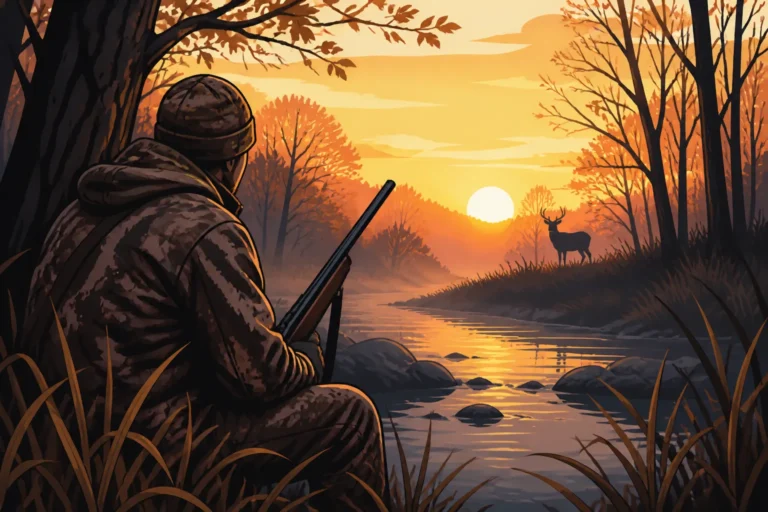
As the late season grinds on here in Indiana, many hunters start to feel that familiar frustration. The leaves are long gone, food sources are picked over, and the deer, well, they seem to have just vanished. It's easy to get discouraged when you're sitting on a cold stand, shivering, and seeing absolutely nothing. But don't despair! Deer haven't disappeared; they've just adapted, and often, that adaptation leads them straight to the dependable sanctuary of creek bottoms. This guide will walk you through why these natural highways and hideaways are late-season goldmines and how you can effectively hunt them when nothing else seems to work.
Why Creek Bottoms are Late-Season Deer Magnets
When the temperatures drop and winter truly sets in across Indiana, deer prioritize two things above all else: survival and conserving energy. Creek bottoms, with their unique microclimates and persistent resources, offer a perfect solution to both. They aren't just ditches with water; they're complex ecosystems that provide critical support for deer when other areas fall short.
Thermal Cover and Shelter from Winter Winds
One of the biggest challenges for deer in late season is staying warm and protected from the biting Indiana winds. Exposed ridges and open woodlots offer little reprieve, forcing deer to burn precious calories just to maintain their body temperature. This is where creek bottoms shine.
The topography itself often creates natural windbreaks. The banks, especially if they're steep or have an abrupt rise, can deflect harsh winds right over a deer's head. Furthermore, creek bottoms frequently harbor dense vegetation that thrives in the moister soil. Think about those thick stands of evergreens – cedars, sometimes even a patch of planted pines – or the tangled masses of honeysuckle, greenbrier, and multiflora rose that line many of our Indiana creeks. This thick cover acts like a blanket, trapping warm air and creating a much more hospitable environment than the exposed uplands. A savvy hunter knows that after a major cold front sweeps through, pushing temperatures into the single digits, deer will instinctively gravitate to these sheltered pockets. These areas become de facto bedding zones where deer can hunker down and escape the worst of winter's wrath.
Consistent Food Sources in Lean Times
Come late season, the buffet of early fall is a distant memory. The acorns are mostly gone, bean fields are harvested, and cornfields are often picked clean. Deer are then forced to scrounge for whatever meager calories they can find. While creek bottoms don't typically boast lush food plots, they often contain a surprising variety of persistent browse that other areas lack.
You might find patches of greenbrier still clinging to life, or honeysuckle that maintains some nutritional value well into winter. Some small, hard mast, like certain types of acorns, might have washed down into the bottom, or be unearthed by rooting deer. Even the availability of water, which is a constant in a creek bottom, is a draw. Deer need water every day, and a creek provides it without having to venture far from their protected bedding and feeding spots. This "one-stop shop" appeal — warmth, cover, water, and some food — makes creek bottoms incredibly attractive. It might not be a feast, but it's often the best meal in town when everything else is bare. Understanding these Late-Season Food Sources for Indiana Whitetails is crucial for effective late-season hunting.
Natural Travel Corridors and Funnels
Deer are highly efficient creatures, especially in winter when every calorie counts. They prefer to travel routes that offer the least resistance, the most concealment, and the quickest path between critical resources. Creek bottoms fit this bill perfectly, acting as natural highways and funnels.
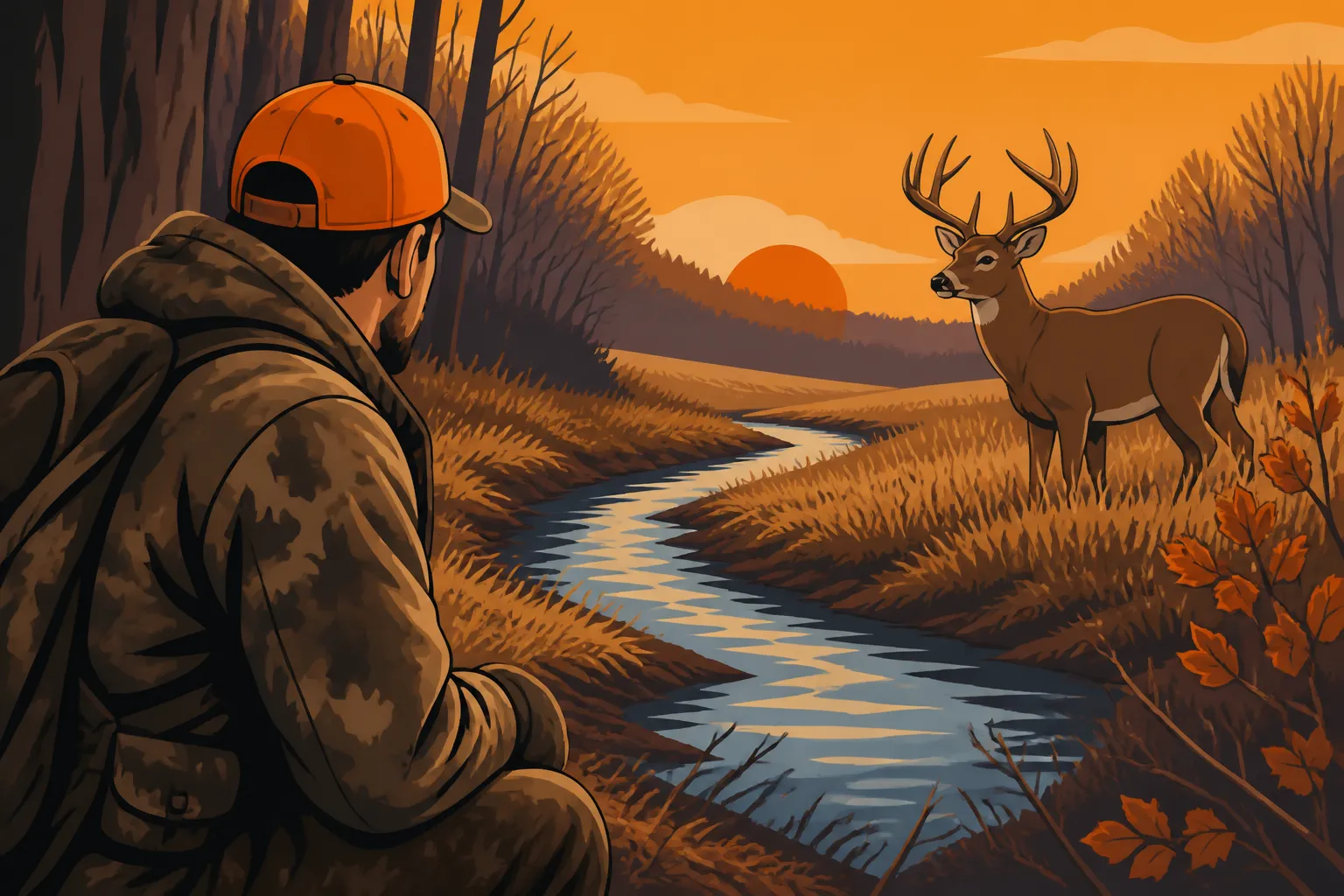
Many Indiana creeks, particularly in the flatter farmland regions or broad river valleys, run through relatively open terrain but maintain a strip of timber or brush along their banks. Deer will use these lineal features to move from bedding areas to feeding areas without exposing themselves in open fields. Imagine a buck moving from a thick CRP field along the creek to a distant woodlot with some remaining browse. The creek bottom offers him a safe, unseen path. Furthermore, specific features within the creek itself can act as powerful funnels. Sharp bends in the creek, narrow sections where the water flows close to a steep bank, or even fallen trees that create easy crossing points all force deer into predictable travel patterns. These are the places where deer are concentrated, making them prime ambush locations for a patient hunter. These natural travel ways are heavily used, providing distinct trails even in snow.
Scouting a Creek Bottom for Prime Late-Season Sign
Finding a promising creek bottom is one thing; understanding how deer are using it in the late season is another entirely. Effective scouting is paramount, blending remote map work with boots-on-the-ground investigation.
Identifying Key Bedding and Feeding Areas
When scouting a creek bottom, don't just walk the water's edge. Get up on the adjacent benches, terraces, and ridge points that overlook the creek. Deer often bed on these slightly elevated spots, especially on south-facing slopes, because they catch the most sun and offer a vantage point over the bottom. Look for clusters of fresh deer beds, indicated by matted-down leaves or snow. Pay attention to how many deer might be bedding together – a sign of a larger group of does and fawns, or perhaps a bachelor group of bucks still clinging together.
As for feeding, scour the entire area for subtle signs of late-season browse. Look for gnawed-off twigs of honeysuckle or greenbrier, areas where deer have pawed through the snow or leaves to uncover dropped nuts or roots, and any unexpected green growth. The colder it gets, the more vital these meager food sources become, and the more sign you'll find around them. Using mapping applications like GoHunt can be incredibly helpful here. You can identify potential bedding thickets, sunny slopes, and transitions between habitat types remotely, giving you a strong starting point before you even put your boots on the ground. This pre-scouting saves valuable time and minimizes disturbance.
Locating Funnels and Crossings
Deer use creeks for two main purposes: traveling along them and crossing them. Your job as a scout is to identify the most heavily used spots for both. Walk the banks slowly, looking for well-worn trails running parallel to the water. These "highways" often become even more distinct in late season as deer consistently use the same routes.
Then, search for crossing points. These could be shallow riffles where the water is low and easy to traverse, natural rock formations, or even large fallen trees that create a dry bridge. Sometimes, deer will simply find the narrowest or least swift part of the creek to jump or wade across. Reading a Slough for Deer Movement After Rain can help you understand how water levels impact these crossings; after heavy rain or snowmelt, deer might be forced to fewer, more distinct crossing points. Look for tracks in mud or snow at these spots. The more sign you find, the more confidence you can have in setting up a stand nearby.
Reading Water Levels and Ice Conditions
This aspect of creek bottom hunting is often overlooked but incredibly important for both safety and predicting deer behavior. A creek's water level can fluctuate dramatically, especially in winter with snowmelt and rain. High water can limit deer crossings, pushing deer to higher ground or forcing them to use fewer, more predictable points. Conversely, if the creek freezes solid, it can open up entirely new travel corridors. Deer will often walk right on the ice, making their movement highly visible against the white surface.
However, always prioritize safety. Never assume ice is safe just because it looks solid. Test it rigorously or avoid crossing altogether. Unstable ice can be extremely dangerous. Understanding how these conditions influence deer movement is key. If a section of creek typically acts as a barrier, but then freezes solid, it might become a major travel route overnight. You can use this knowledge to anticipate new patterns and adapt your hunting strategy accordingly.
Effective Strategies for Hunting Creek Bottoms in Winter
Once you've done your scouting and identified promising areas, it's time to put a plan into action. Hunting creek bottoms in late season requires careful consideration of approach, setup, and tactics to capitalize on deer's predictable winter behaviors.
Stand Placement and Approach Tactics
Choosing the right stand location is critical in a creek bottom, even more so when deer are wary and scarce. Focus your efforts on those identified pinch points, crossings, or transition areas between bedding and feeding. Consider a stand overlooking a creek crossing at first light, as deer often move in the first hours of dawn to feed before retreating to cover.
When hanging your stand, always factor in the prevailing winds. Scent control is paramount, especially in cold, damp air where human scent can hang low and travel surprisingly far. The terrain can often help here; use the creek banks or thick vegetation to mask your approach and exit routes. You want to get in and out without being detected. Deer often look up when they're near water or in dense cover, so make sure your stand placement offers good concealment against the backdrop. Remember, the goal is to be invisible and unheard. When considering a Treestand Setups in Hoosier National Forest, many of those same principles apply to creek bottoms, focusing on terrain features that force deer movement.
Still-Hunting the Eddies and Bends
For the hunter who prefers to be on the move, still-hunting a creek bottom can be incredibly effective, especially on a quiet, snowy day. The term "eddies and bends" refers to those areas where the creek meanders, creating natural pockets of dense cover and irregular terrain that can hide deer. Move extremely slowly, taking just a few steps at a time, then pausing for several minutes to glass thoroughly ahead of you.
Use the sounds of the flowing water to your advantage; the gentle gurgle or rustle of the creek can help mask the subtle sounds of your movement. Always try to hunt into the wind, or at least with a good crosswind, to keep your scent from blowing ahead of you. Focus your attention on the thickest cover along the banks, the sunny slopes, and anywhere the creek makes a sharp turn. Often, deer will bed right in these spots, getting out of the wind and soaking up any available sunlight. If you've ever tried Still-Hunting Southern Indiana Ridges, you know the patience required; apply that same mindset here, but adapt it to the unique challenges and opportunities of the creek environment.
Using Calls and Scent Effectively
Late-season deer are generally less vocal than during the rut, but that doesn't mean calls are useless. A soft doe bleat or a subtle grunt call, used sparingly, can sometimes entice a curious deer to investigate, especially if it believes another deer is in a preferred feeding or bedding area. Avoid aggressive calling; the rut is over, and loud, excited calls might only spook wary late-season animals.
When it comes to scent, focus less on rutting attractants (though a subtle doe in estrus scent can still occasionally trigger a response, as some does come into estrus later). Instead, consider using general attractant scents that mimic food sources or a "herd" smell. The cold air can carry scent surprisingly far, so be mindful of your human odor and ensure you're practicing stringent scent control. Deploying a scent wick near a crossing point or a fresh rub could be enough to stop a deer in its tracks for a shot. A Cold-Weather Sitting Strategy in Indiana often includes careful consideration of how scent behaves in frigid air.
Gear Considerations for Cold, Wet Creek Bottom Hunting
Hunting creek bottoms in winter means dealing with cold temperatures, potential snow, and almost certainly, water and mud. Having the right gear isn't just about comfort; it's about safety and effectiveness.
Essential Cold-Weather Clothing and Footwear
Layering is absolutely critical for staying warm and dry in an Indiana creek bottom. Start with a good base layer made of merino wool or synthetic materials that wick moisture away from your skin. Next, add insulating layers, again prioritizing wool or high-quality synthetics, which retain warmth even when damp. The outer layer should be completely waterproof and windproof to protect against the elements. You'll appreciate the quietness of Wool for Wet Snow and Quiet Movement, especially when trying to sneak through dense cover.
When it comes to footwear, insulated, waterproof boots are non-negotiable. Knee-high rubber boots, like those from LaCrosse or Muck Boots, are excellent for navigating shallow water, mud, and slush without soaking your feet. Make sure they are rated for cold temperatures and wear good wool socks. Don't forget high-quality, insulated gloves or mittens, a warm hat that covers your ears, and plenty of hand warmers that actually last a full sit. Staying warm and dry directly impacts your ability to focus and remain patient.
Optics and Navigation Tools
In the dense, often shadowy environment of a creek bottom, good optics are invaluable. An 8×42 or 10×42 binocular with good low-light performance is essential for picking apart thick cover, identifying distant deer, and ensuring you can see clearly at dawn and dusk. For more on this, check out Binocular power for timber hunting. Even though shots might be close, a rangefinder is still incredibly useful for confirming distances through brush and avoiding misjudging yardage in a tight spot.
For navigation, a reliable GPS unit or a smartphone with a robust hunting app like GoHunt is a must. Cell service can be spotty in deep creek bottoms, so relying solely on your phone's navigation without downloaded maps or a dedicated GPS can be risky. Always carry a traditional compass as a backup, and know how to use it. Marking your stand location, deer sightings, and any particularly thick bedding areas on your map will help you navigate efficiently and minimize disturbance.
Game Recovery Aids
Successfully downing a deer in a creek bottom can be exhilarating, but getting it out is often the hardest part of the hunt. Dragging a deer out of a river bottom or steep creek bank, especially in snow or mud, can be incredibly challenging. A good deer sled or a sturdy deer cart can literally save your back, making the extraction process much easier, particularly if you have a long haul back to the truck.
Always carry a bright headlamp with fresh batteries for walking out after dark. You'll likely be dealing with uneven terrain, downed trees, and potentially ice or water. A quality field dressing knife that holds an edge in cold, wet conditions is also crucial. Consider carrying a length of strong rope for hauling a deer over steep banks or out of a particularly mucky spot. Being prepared for game recovery means you can focus on the hunt itself, knowing you have the tools to handle the aftermath.
Here's a quick look at how different creek bottom features can influence your late-season strategy:
| Feature | Late-Season Deer Appeal | Hunting Strategy Implications |
|---|---|---|
| Deep, Thick Vegetation | Excellent thermal cover, primary bedding | Ideal for still-hunting, close-range stand sites, low visibility. |
| Shallow Riffles/Crossings | Prime travel routes, water access | Excellent stand locations, monitor for fresh tracks and movement. |
| Confluence of Two Creeks | Increased activity, natural funnel | Focus intensive scouting, potential ambush point from either side. |
| Steep Banks/Bluffs | Wind breaks, sunning spots, escape cover | Deer bed on top for warmth; travel at base for concealment. |
| Fallen Logs/Log Jams | Crossing points, hidden obstacles | Scout for tracks on/around logs; potential hidden beds in tangles. |
| Standing Water/Eddies | Consistent water source, residual food | Monitor for tracks around edges; potential close-range shooting. |
| Timbered Fence Lines | Concealed travel routes, wind breaks | Parallel movement to creek, good for linear still-hunting. |
| Brushy Overhangs | Extra concealment, temporary shelter | Deer may pause here; excellent for close-range shots. |
Disclaimer
Hunting is an inherently dangerous activity. Always follow all local, state, and federal hunting regulations. Prioritize safety by wearing appropriate blaze orange, utilizing a safety harness when in a treestand, and ensuring ethical shot placement. The information provided in this guide is for educational purposes only and does not supersede official hunting laws or safety guidelines.