Hunting Standing Cover Left After Harvest
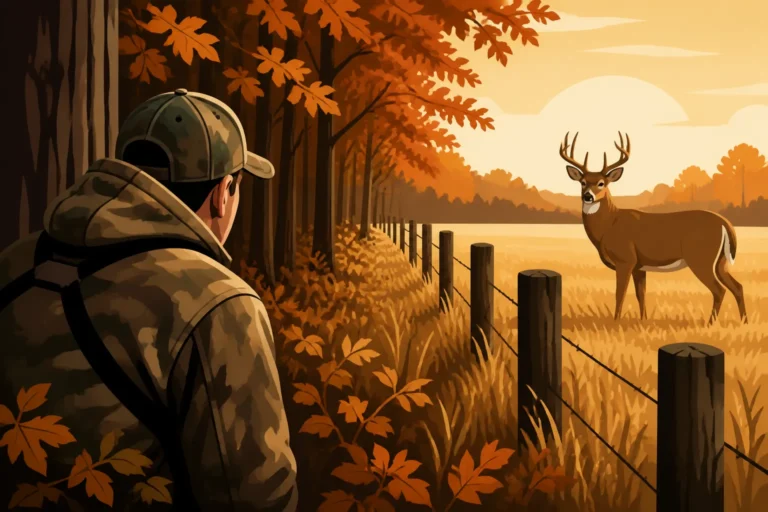
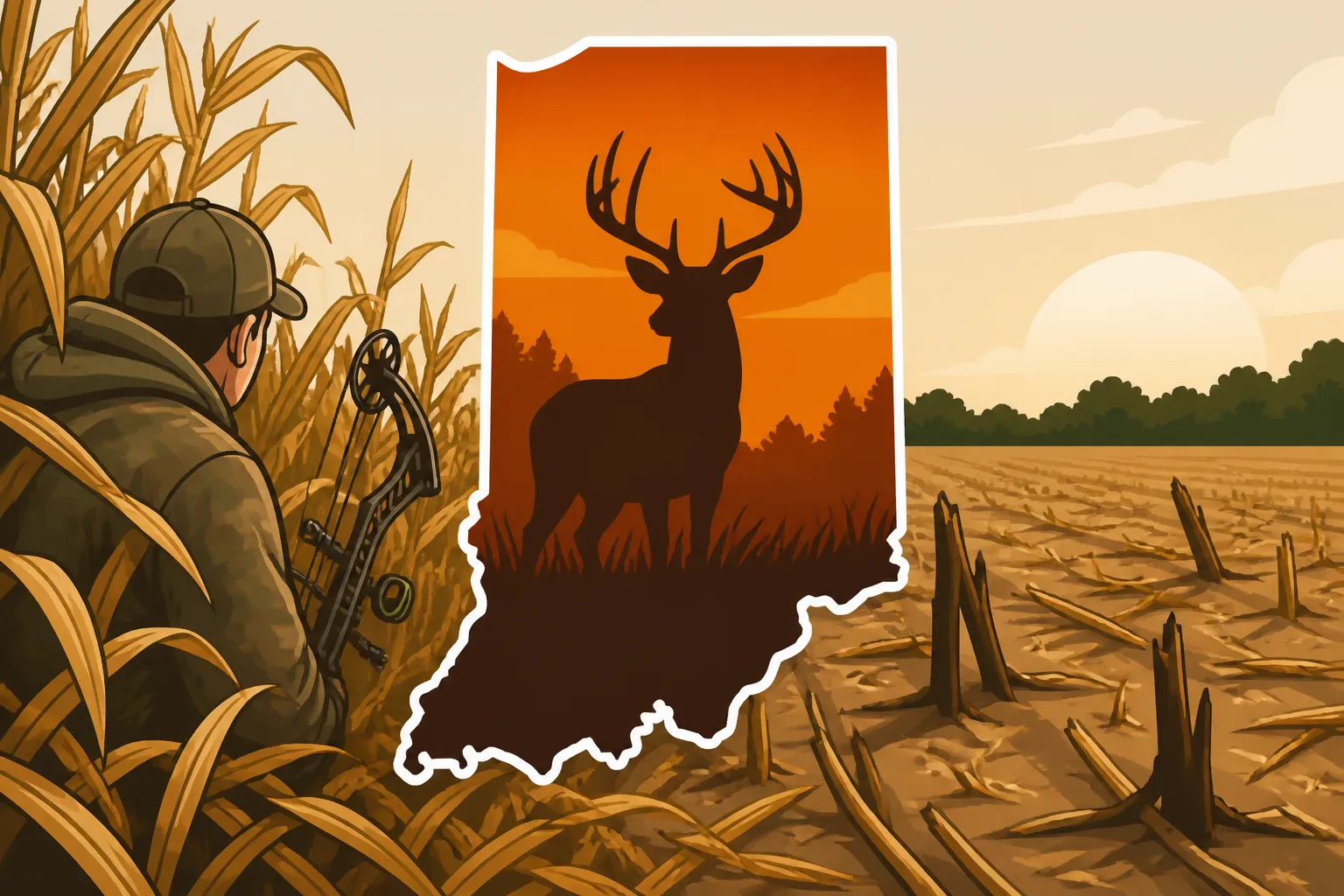
It’s a tale as old as time for Indiana deer hunters: one day the big corn or soybean fields are tall, providing endless cover and food, and the next, they’re gone. It feels like the deer simply vanish into thin air, leaving you wondering where they went and how to even begin finding them. This guide is all about cracking the code of late-season whitetails by focusing on those crucial pockets of standing cover that become deer magnets after the main harvest.
Understanding the Deer's Post-Harvest Shift
The sudden transformation of agricultural landscapes in Indiana after the fall harvest can feel like a punch to the gut for hunters. All summer and early fall, deer have relied on those vast fields of corn and soybeans for both security and sustenance. They bedded in them, fed in them, and traveled through them with impunity. Then, almost overnight, the combines roll, and their entire world changes. This isn't just a minor inconvenience for them; it's a significant disruption that forces a rapid, fundamental shift in their behavior and habitat use.
When the primary agricultural cover disappears, deer don't just disappear with it. Instead, they consolidate. They gravitate towards the remaining areas that offer similar benefits: dense thermal cover for bedding and protection from the elements, as well as any lingering food sources. This means looking beyond the freshly cut fields and focusing on the untouched, often overlooked, parcels of land. If you’re used to hunting early-season patterns, you need a mental reset for this late-season game. It's less about intercepting casual movement and more about figuring out where deer are forced to be.
Why Deer Seek Out Standing Cover
Deer, especially mature bucks, are masters of survival, and their primary concerns are safety, food, and energy conservation. In the late season, with cold weather settling in and hunting pressure often peaking, these concerns become amplified. Standing cover provides an invaluable combination of protection and resources.
Firstly, thermal cover is critical. A dense stand of unharvested corn, a thick CRP field, or even a mature cedar thicket can offer significantly more warmth and protection from biting winds, rain, and snow than open hardwoods. Deer will hunker down in these spots, expending less energy to stay warm. Secondly, it's a security blanket. They can move through these areas unseen, feeling far less exposed to predators, including hunters. This is why you often find deer piled into surprisingly small pockets of dense cover during the firearms season and well into the archery extension in January. Finally, standing cover often is food, or at least provides direct access to it. Unharvested crops, even after the main season, can still hold browse or spilled grain, making these areas dual-purpose sanctuaries. Understanding this triple threat of warmth, security, and food is key to successfully targeting whitetails at this time of year.
The Impact of Hunting Pressure
As the hunting seasons progress in Indiana, deer become increasingly wary. The early archery season is often a time of predictable patterns, but by the time the shotgun and muzzleloader seasons roll around, deer have been bumped, pressured, and shot at. This amplified pressure further drives them into the thickest, most impenetrable cover they can find. Public land, especially, can see significant pressure, pushing deer into private land havens or deep into overlooked corners of public tracts.
This is where standing cover becomes less of an option and more of a necessity for survival for a pressured whitetail. They learn very quickly where they are safe and where they are exposed. If you've been having trouble finding deer, chances are they haven't left the area entirely; they've simply adapted their routine and are now spending most of their daylight hours bedded deep within these dense sanctuaries. Your scouting, then, needs to focus on finding these "safe zones" and identifying the subtle travel corridors deer use to move in and out, often under the cloak of darkness or during brief periods of low light. It's a game of patience and precision, recognizing that the deer you're after are no longer casual grazers but highly evasive survivors.
Identifying Prime Standing Cover After Harvest
When those combines finish their work, the landscape changes dramatically, but not everything gets cut. Knowing what to look for and where to find it is crucial for late-season success. It's all about finding those overlooked havens that become deer magnets.
Unharvested Crop Fields: Corn and Soybeans
While most farmers harvest their crops, sometimes for various reasons, a section of corn or soybeans might be left standing. This is an absolute goldmine for deer. A standing cornfield, even if it's just a few acres, offers incredible thermal cover and a consistent food source. Deer can literally live in these fields for weeks, moving very little. Scouting for such fields can be done by simply driving country roads or, even better, by using satellite imagery on mapping apps like GoHunt. Zooming in and comparing current images with recent harvests can sometimes reveal these untouched pockets.
Soybean fields, when left standing, offer similar benefits, though perhaps less thermal cover than corn. However, the dried bean pods can still provide a valuable food source, and the dense stalks offer good visual cover. Deer will use these fields heavily, particularly if they are adjacent to timber or a thick bedding area. Pay attention to fields that might be considered "waste" ground by farmers – perhaps a wet corner, a low spot, or an odd-shaped parcel that wasn't worth the effort to harvest. These are precisely the places deer will exploit when everything else is gone. Remember, these are often the last places deer will leave in daylight, so hunting the edges or entry points becomes vital. If you're hunting private land, a polite conversation with the landowner about unharvested sections can yield invaluable intel.
CRP and Conservation Plantings
Conservation Reserve Program (CRP) fields are intentionally left wild and unharvested, providing excellent habitat for a variety of wildlife, including deer. These fields are often a mix of native grasses, wildflowers, and scattered woody cover, creating a dense, often waist-high or taller, sanctuary. They offer fantastic thermal cover and security, especially when adjacent to timber or other food sources. Deer will bed down deep in these fields, sometimes in surprisingly large numbers.
Similarly, other conservation plantings, like switchgrass stands or pollinator plots, provide dense cover that deer will readily use. These areas, particularly those with tall, stiff grasses, shed snow effectively and block wind, making them prime bedding locations during severe weather. Identifying these areas on public lands or through landowner permission is a strategic move. Programs like the Indiana DNR's Healthy Rivers Initiative or other local conservation efforts often result in these types of plantings. When scouting, look for well-used trails leading into and out of these thickets, especially near water sources or preferred browse. Often, the deer activity will be concentrated on the downwind side of these fields, where deer can smell danger approaching. This makes them ideal for a patient sit with a Using a Ground Blind on Indiana Public Land approach.
Thick Brush, Fencerows, and Riparian Areas
Even without large fields of standing crops or CRP, deer will find and utilize smaller, dense pockets of cover. Thick brush, tangled briar patches, regenerating clear-cuts, and overgrown fencerows all provide crucial refuge. These areas might seem impenetrable to a human, but deer are perfectly built to navigate them. They offer visual and thermal cover, especially when other options are scarce.
Riparian areas – the zones along rivers, creeks, and drainage ditches – are another common form of standing cover. These areas often feature dense thickets of willows, dogwoods, and other shrubby vegetation, creating linear cover corridors that deer use for both travel and bedding. These "river bottom funnels" are especially important in flatter farmland regions of northern and central Indiana, where extensive timber might be scarce. Deer can move for miles unseen along these features, making them excellent places to intercept travel. When scouting, look for rubs, scrapes, and well-worn trails within these dense linear features. A good mapping app like GoHunt can help you identify these natural travel routes and hidden pockets of cover. Sometimes, the best spots for Hunting Northern Indiana Farmland Deer are those small, overlooked drainage ditches that connect larger woodlots.
Tactics for Hunting Standing Cover
Hunting standing cover requires a different mindset than hunting open timber or field edges. It's often a game of patience, stealth, and sometimes, pushing the limits of what you consider "thick." The goal is to get into a position where you can intercept deer as they move within or emerge from these dense sanctuaries.
Still Hunting and Slow Drives
Still hunting, or "creeping and peeping," is a highly effective tactic for dense standing cover. It involves moving incredibly slowly, stopping frequently to glass ahead, and using the wind to your advantage. Think about making one step every minute or two, scanning every shadow and listening for the faintest sound. In a standing cornfield, for instance, a buck might only move a few rows deep when you enter, so a slow, methodical approach is crucial. You're trying to spot the deer before it spots you, which means looking for horizontal lines in a vertical world – the back of a deer, an antler tines, or a swish of a tail. This works especially well in larger tracts of CRP or dense brush where deer might be spread out.
For smaller pockets of standing cover or when trying to push deer out of an unharvested field, a slow, organized deer drive can be highly effective. This isn't about running and yelling, but rather a quiet, deliberate push with one or two "drivers" moving slowly through the cover while "posters" are set up on likely escape routes. The key is to keep the pace slow enough that deer move out naturally rather than blowing out. They often try to circle back or slip out the sides if they feel too pressured. Knowing how deer move through these areas from prior scouting is critical for setting up your posters effectively. For a productive drive, consider a Deer Drives With Three or Four Hunters approach, keeping communication quiet and precise.
Ambushing Entry and Exit Points
Deer won't stay in standing cover 24/7. They will eventually move out to access water, other food sources, or simply stretch their legs. The edges of these standing cover areas, particularly where they transition to timber, a different crop, or a water source, become natural funnel points. This makes them prime ambush locations, especially during the last hour of daylight and the first hour of morning light.
Setting up a treestand or ground blind along these transition lines can be incredibly effective. Look for pinch points, subtle changes in elevation, or natural funnels created by terrain or vegetation. Deer will often follow the path of least resistance. For example, if a standing cornfield borders a creek bottom with heavy timber, deer might use a small finger of brush extending from the cornfield to the creek as their primary travel route. Pay close attention to wind direction, as deer will often try to use the wind to their advantage when exiting cover. This is where scouting for fresh tracks, droppings, and rubs becomes paramount, giving you clues as to exactly where deer are emerging. A good tactic is to set up a stand or blind with a view of these funnel points, allowing you to intercept deer as they transition from security to feeding or watering. Consider Hanging a Stand on a Southern Indiana Ridge or Brushing In a Blind on a Field Edge for effective concealment.
Utilizing Wind and Thermals
In late-season hunting, especially around dense cover, understanding wind and thermals is not just important; it's absolutely critical. Deer rely heavily on their sense of smell for survival, and they will almost always try to use the wind to their advantage, circling downwind of perceived danger before entering or exiting cover.
When hunting standing cover, you need to position yourself so your scent isn't blowing into the area where deer are likely to be bedded or moving. If you're ambushing an exit point, you want the wind blowing from the deer towards you, or at least across, not into the cover. For still hunting, try to keep the wind in your face or quartering to you. In hilly southern Indiana, thermals play an even greater role, with air rising in the morning and falling in the evening. This means your scent will travel uphill in the morning and downhill in the evening. Combining knowledge of wind direction with thermal currents is essential for a successful and undetected approach, especially if deer are bedded deep in a valley next to a standing patch of cover. Pay attention to how the wind shifts as the day progresses; what was a good setup at dawn might be a terrible one by mid-morning. Wind and Thermals on a Southern Indiana Ridge applies anywhere deer bed in elevation changes near dense cover.
Gear and Scouting for Standing Cover Success
Hunting standing cover effectively isn't just about tactics; it's also about having the right gear and putting in the legwork beforehand. The challenges of dense cover and often colder, late-season conditions demand specific considerations for both your setup and your pre-hunt preparation.
Essential Gear for Dense Cover
When you're diving into or hunting the edges of thick standing cover, your gear choices can make or break your hunt. First and foremost, tough, quiet clothing is non-negotiable. Briars, stiff cornstalks, and dense brush will snag and tear at anything less. Durable brush pants and a quiet, layered jacket that can withstand a beating while allowing silent movement are key. You'll also want good, waterproof boots with excellent ankle support for navigating uneven terrain that might be hidden under snow, leaves, or thick vegetation.
For optics, a quality pair of binoculars, like an 8×42 or 10×42, is essential for picking apart thick cover. You'll be looking for subtle flickers of movement, horizontal lines, or the gleam of an antler tines through the dense foliage. A rangefinder is also invaluable for quickly gauging distances in broken terrain, ensuring an ethical shot when a deer does emerge. When it comes to your weapon, consider its maneuverability. A shorter rifle, a crossbow, or a bow can be easier to handle in tight quarters compared to a long-barreled shotgun or rifle, especially if you anticipate close-range encounters within the cover itself. For late season, don't forget the necessities like hand warmers, a thermos of hot coffee, and extra layers, especially if you're planning a long sit.
| Gear Item | Why It's Essential for Standing Cover Hunting |
|---|---|
| Durable Outerwear | Resists snags from briars, cornstalks; provides quiet movement. |
| Waterproof Boots | Essential for wet, muddy, or snowy conditions often found in thick cover. |
| Binoculars | Crucial for picking out subtle deer details in dense vegetation. |
| Rangefinder | Helps gauge distances quickly for ethical shots in broken terrain. |
| Maneuverable Weapon | Shorter rifles, bows, crossbows are easier to handle in tight spaces. |
| Layers/Warmth | Late season means cold; critical for comfort during long, patient sits. |
| Mapping App (GoHunt) | Identifies cover, terrain, and property boundaries; aids in scouting and navigation. |
Smart Scouting Strategies
Scouting for standing cover effectively begins long before you ever step foot in the woods. Aerial imagery on platforms like GoHunt is your best friend. Spend time poring over maps, identifying unharvested fields, CRP tracts, thick fencerows, and creek bottoms that offer dense cover. Look for the "dark green" areas on satellite images that contrast with the lighter brown of harvested fields or open timber. This will give you a baseline of potential spots.
Once you've identified promising areas, it's time for boots on the ground, but with a cautious approach. You don't want to blow deer out of these crucial late-season sanctuaries. Instead, focus on scouting the edges of the standing cover, looking for tracks leading in and out, fresh droppings, and rubs or scrapes that indicate active use. Set up trail cameras on likely entry/exit points, focusing on areas with fresh sign. These cameras can give you invaluable intel on deer movement patterns, helping you determine when and where deer are using the cover. Consider placing cameras slightly inside the cover if possible, but without disturbing the deer.
Finally, don't overlook "glassing" these areas from a distance, especially during low-light hours. With a good pair of binoculars or a spotting scope, you might catch a deer entering or exiting the cover, revealing a primary travel corridor. This kind of careful, low-impact scouting helps you pinpoint the most productive spots without putting undue pressure on the deer. Sometimes, scouting for Late-Season Food Sources for Indiana Whitetails is directly linked to finding standing cover.
Mastering the Approach and Execution
Once you've done your homework, found your spots, and gathered your gear, the final step is putting it all together in the field. How you approach, set up, and execute your hunt in and around standing cover will dictate your success. It’s all about attention to detail and respecting the highly tuned senses of a late-season whitetail.
Stealthy Entry and Exit
The biggest mistake many hunters make when targeting standing cover is a noisy, careless approach. Remember, deer are using these areas for security because they are pressured. A loud entry will send them fleeing before you even have a chance. Plan your entry and exit routes meticulously, focusing on natural screens, low points in the terrain, or even using a freshly harvested field edge that offers open travel but little cover for deer. Avoid walking directly into the wind, especially if you're approaching an area where deer are likely bedded.
Consider approaching well before first light or after dark when leaving, minimizing your presence during peak deer movement. Use existing trails if they are quiet, but sometimes cutting a new, silent path through open timber adjacent to the cover is better. Take your time, move slowly, and pay attention to every sound you make. If you’re going to be hunting deep into a thicket or standing corn, this stealth becomes even more critical. Every rustle and crunch matters. For example, if you're targeting a buck that's been consistently seen entering a particular section of Hunting a Standing Soybean Field at dusk, your entry needs to be completely silent and downwind, setting up your stand or blind an hour before he's expected.
Patience and Persistence
Hunting standing cover, especially in the late season, often tests a hunter's patience. Deer are not moving constantly; they might be bedded for hours within the dense cover, only moving during brief windows. You need to be prepared for long, cold sits. Bundle up with appropriate clothing for Cold-Weather Sitting Strategy in Indiana, bring snacks, and commit to staying on stand or in your blind for extended periods. The deer will move when they decide to move, not necessarily when you expect them to.
Persistence is equally important. If one spot isn't producing, don't be afraid to try another, or even shift your setup slightly within the same general area. Deer patterns can change with weather fronts, increased pressure, or dwindling food sources. A spot that was hot last week might be cold this week. Re-evaluate your trail camera intel, re-scout for fresh sign, and adapt. The hunter who is willing to put in the time and adapt to changing conditions is the one who will eventually connect. Sometimes, finding those elusive late-season bucks requires hunting through the Hunting the Late-Season January Lull when many other hunters have packed it in.
The Shot Opportunity in Dense Cover
When a deer finally does appear from standing cover, the shot opportunity can often be quick, close, and through thick obstacles. Be ready. You might not have much time to react or pick your shot. Practice shooting from awkward positions, quickly estimating distances, and placing ethical shots in tight windows. Clear shooting lanes from your stand or blind before the hunt, especially if you're using a bow or crossbow.
Understanding the potential paths a deer will take when emerging from cover is vital. They often stick to the edges or well-worn trails for a short distance before opening up. Your goal is to intercept them during that brief window. If a deer is moving within dense standing corn or thick brush, don't rush the shot. Wait for them to clear the immediate obstacles, or for them to pause and present a clear, ethical shot at their vitals. Patience in the moment of truth is just as important as patience during the long wait. Always be aware of your surroundings and what lies beyond your target; a missed shot through dense cover can be unpredictable.
Disclaimer
Hunting is an inherently dangerous activity. Always prioritize safety, follow all Indiana Department of Natural Resources (DNR) regulations, and obtain appropriate licenses and permits. Be aware of your surroundings, know your target and what lies beyond, and hunt ethically. This guide provides general information and recommendations, but individual hunting situations can vary.