Monroe County Public Land Access
Finding good public hunting land in Indiana can sometimes feel like trying to solve a puzzle, especially in counties like Monroe, where tracts can be mixed with private holdings or surrounded by developed areas. It's a real frustration to drive for hours only to find out the spot you scoped online is actually private or too pressured. This guide is dedicated to helping you unlock the public hunting opportunities within Monroe County, offering practical advice and specific locations to make your next trip more productive and less stressful.
The Lay of the Land: Public Hunting Opportunities in Monroe County
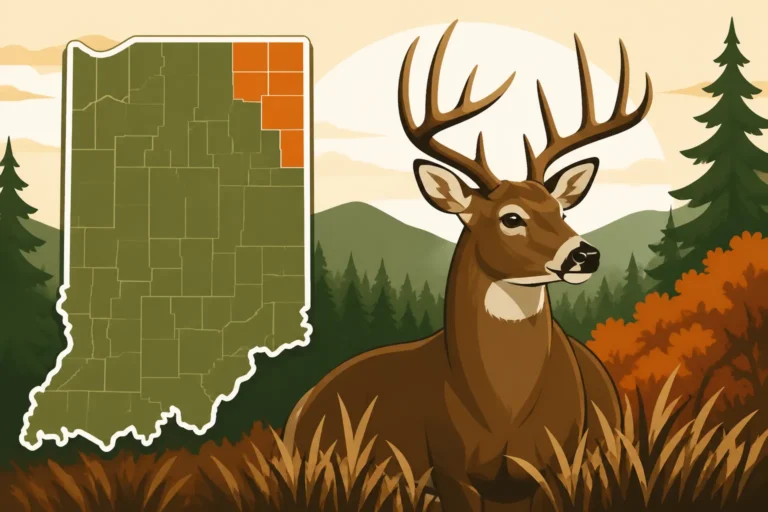
Monroe County, nestled in the rolling hills of Southern Indiana, offers a surprising amount of public land for hunters, but it's often not as straightforward as a single, massive block. Instead, you'll find a patchwork, largely dominated by sections of the sprawling Hoosier National Forest and several vital State Forests. Understanding this mosaic is key to successful hunting here. It’s not like hunting the vast, flat farmlands up north; here, you're dealing with topography, timber, and sometimes, crowds.
These public lands are crucial for wildlife and offer diverse habitats, from mature hardwood ridges to creek bottoms and younger timber stands. The sheer variety means different game species thrive, and different hunting tactics come into play. You might find yourself still-hunting mature timber one day, and setting up a ground blind near a food source the next. The challenge, and indeed the reward, comes from learning how these diverse areas fit together and where the less-pressured pockets might be hiding.
The Indiana Department of Natural Resources (DNR) manages these areas with a balance of timber harvest, wildlife habitat improvement, and recreational use. This management means the landscape isn't static; areas change over time, and what was a thick bedding area last year might be a new clear-cut the next. Staying informed about these changes, often through online resources or a good mapping app, is part of the ongoing hunter's education in this region. Knowing the general layout is step one to putting boots on the ground effectively.
Key Public Hunting Areas: Where to Find Your Spot
Monroe County boasts some fantastic public hunting grounds, each with its own character and opportunities. It's not just about finding "public land"; it's about understanding the specific nuances of each major area. Getting a handle on these distinct zones will save you a ton of guesswork and help you tailor your scouting and hunting strategies.
Hoosier National Forest Portions
The Hoosier National Forest dominates much of the southern and eastern parts of Monroe County. These aren't manicured parks; this is big timber, steep ridges, and deep hollows. For many, Hoosier National Forest Hunting is the quintessential Southern Indiana experience. The sheer size means you can often find solitude if you're willing to hike, which is a major draw for deer and turkey hunters looking to get away from road hunters. However, its expansive nature can also be intimidating, especially if you're new to the area or not used to navigating dense forests without clear landmarks.
Hunting the Hoosier National Forest means embracing topographical challenges. Expect significant elevation changes, which dictate how deer and turkey move through the landscape. Ridge tops often serve as travel corridors, while sheltered hollows provide bedding areas and water sources. Learning to read these contours, especially when considering Wind and Thermals on a Southern Indiana Ridge, can dramatically improve your success. This is where patience and persistence truly pay off, as the deer here are often accustomed to human presence and can be very wary.
Access points can sometimes be limited to forest roads or small parking areas, so planning your entry and exit routes carefully is vital. It's not uncommon to park on a paved road and walk a mile or two back into prime hunting ground. Remember that these areas can also host other recreational users like hikers, mountain bikers, and horseback riders, so always practice courtesy and safety, especially during peak seasons.
Yellowwood State Forest
Tucked away in the northeastern corner of Monroe County, just a stone's throw from Brown County, you'll find Yellowwood State Forest. This gem offers a slightly different feel from the deeper sections of the Hoosier, though it shares many characteristics of Southern Indiana's rugged terrain. Yellowwood State Forest Hunting provides excellent opportunities for deer, turkey, and small game. What makes Yellowwood unique is its blend of managed timberland, a beautiful lake, and a slightly less overwhelming scale than the vast National Forest.
Yellowwood's diverse habitat, from mature hardwoods to pine plantations and lakeside wetlands, supports a healthy population of game. You'll find areas that have been recently timbered, offering thick cover for deer, alongside older stands that hold roosting turkeys. Don't overlook the edges where different habitat types meet; these transition zones are often hotspots for animal activity. Lake Monroe, a large body of water, creates natural funnels and travel corridors along its shorelines for deer moving between different sections of timber.
Like other state forests, Yellowwood allows dispersed camping, which can be a huge advantage for multi-day hunting trips. Setting up a base camp close to your hunting area can save you valuable time and energy, especially if you're planning to hunt deep within the forest. Just be sure to check the specific regulations for camping and any other activities before you go, as rules can vary slightly between different state properties.
Making the Most of Your Scout: Tools and Tactics for Monroe County
Scouting is paramount for successful hunting anywhere, but in a county like Monroe with its diverse terrain and mixed land ownership, it becomes absolutely indispensable. You can't just drive up and expect to find a hot spot. You need a strategy, and thankfully, modern tools make this easier than ever.
Digital Mapping and Satellite Imagery
Gone are the days when a paper topo map was your only friend. Today, apps like onX Hunt and GoHunt are game-changers for identifying public land boundaries, understanding terrain, and marking potential hot spots right from your couch. They overlay property lines, showing you exactly where public land begins and ends, which is invaluable in areas where private and public parcels checkerboard. Using the Indiana OnX and DNR Map Tools is essential for avoiding accidental trespass, a common concern for hunters in fragmented landscapes.
Before you even step foot in Monroe County, spend hours poring over satellite imagery. Look for changes in elevation, pinch points, funnels, and natural barriers like creeks or steep ravines. Identify areas of different timber density, old logging roads, or clear-cuts that might indicate bedding areas or food sources. Pin potential stand locations or scouting routes. This virtual scouting helps you narrow down vast areas into manageable sections, making your time in the woods much more efficient. Don't forget to study the access points; some promising areas might have limited parking or require a long walk in.
Even once you're on the ground, these apps remain invaluable. They function as your GPS, tracking your movements and allowing you to mark fresh sign like rubs, scrapes, or turkey droppings. You can drop pins for bedding areas, water sources, or a particular oak stand dropping acorns. This digital breadcrumb trail becomes a powerful tool for building a comprehensive understanding of your hunting area over time, letting you revisit productive spots or learn from less successful ones.
Traditional Ground Scouting Techniques
While digital tools are powerful, nothing beats boots-on-the-ground scouting, especially in the rugged terrain of Monroe County. Once you've identified promising areas on your map, it's time to hit the woods. Focus on finding fresh sign. Look for active deer trails, especially those connecting bedding areas (often thick cover on leeward slopes or ridge tops) to food sources (acorn flats, clear-cuts with browse, or agricultural fields bordering public land). Identifying Where Hoosier National Forest Bucks Bed can be a huge breakthrough.
Pay close attention to subtle details. Tracks in mud, rub lines along small trees, and fresh droppings can tell you a lot about recent deer activity. In the spring, before turkey season, listen for gobbling from potential roost sites. Even shed hunting in the late winter can be an effective way to scout, showing you where bucks spent their time during the previous season. Remember, scouting is an ongoing process; conditions change with weather, mast crops, and hunting pressure.
When scouting, think about your approach and exit strategy. Can you get to a potential stand location quietly and without spooking game? Consider Entry Routes Through Standing Corn if hunting near farmland, or how to navigate a creek bottom without creating a disturbance. Understanding wind patterns and thermals, which can be tricky in hilly country, is also critical. Your ground scouting confirms what the maps suggest and reveals the real-time nuances of game movement.
Navigating Regulations and Respect: Hunting Responsibly in Monroe County
Hunting in Monroe County, like anywhere in Indiana, comes with a set of rules and a strong expectation of ethical conduct. It's not just about what's legal; it's about respecting the land, the wildlife, and your fellow outdoor enthusiasts. Staying informed and being a good steward ensures these opportunities remain available for everyone.
Understanding Indiana's Hunting Regulations
First and foremost, you need to understand Indiana's specific hunting regulations. This includes knowing Indiana Hunting Licenses and What They Cost, the season dates for your target species, bag limits, and specific equipment requirements. The Indiana DNR website is your go-to source for the most current regulations. Don't rely on old information or hearsay; laws can change annually, and ignorance is rarely accepted as an excuse. Keep your license and any required permits (like HIP certification for migratory birds) on your person at all times, either physically or digitally on your phone via the Go Outdoors Indiana app.
Pay particular attention to any special regulations for the specific public land you're hunting. Some Fish & Wildlife Areas (FWAs) or State Forests might have unique rules regarding check-in procedures, specific hunting zones, or even special draw hunts. For instance, some areas might require you to sign in and out daily, or have restrictions on when certain areas are open to hunting. Indiana Property Access Sign-In Process can be a requirement on specific properties. It’s always best to check the individual property’s rules before you head out.
Also, be mindful of firearms regulations, especially with Indiana's evolving laws regarding rifles. While Indiana's New Statewide Rifle Rules have expanded options, always double-check permissible calibers and ammunition types for your chosen season and location. For archery season, ensure your Crossbow Rules During Indiana Archery Season compliance is met if you're using one.
Respecting the Land and Other Users
Hunting public land means sharing it. Monroe County's public areas are multi-use, attracting hikers, birdwatchers, equestrians, and mushroom foragers. Always be aware of other users, and act courteously and safely. During firearms seasons, the state requires hunters to wear How Much Blaze Orange Indiana Requires. This safety measure is crucial for visibility, not just to other hunters but to anyone else in the woods. Even during archery season, wearing some blaze orange when walking in or out can be a good safety practice.
Leaving no trace is another critical aspect of respectful use. Pack out everything you pack in, including spent shell casings, food wrappers, and anything else. Avoid damaging trees with screws or nails for stands; instead, use climbing sticks and hang-on stands that utilize straps. Treestand Rules on Indiana Public Land are in place for a reason – protect the trees and ensure safety.
When it comes to game recovery, always do your best to retrieve any animal you harvest. If an animal runs onto private land, you must obtain permission from the landowner before pursuing it, even if you saw it fall just over the line. Respecting private property boundaries and knowing Indiana Trespass and Permission Law is fundamental to maintaining positive relations between hunters and landowners, which ultimately benefits everyone.
Hunting Ethics and Conservation
Beyond the rules, there's a strong ethical component to hunting. This includes making clean shots, knowing your effective range, and passing up questionable shots. It also means properly field dressing and caring for your game meat. Remember, hunting is a privilege, and ethical behavior helps preserve that privilege.
Participating in conservation efforts is another way to show respect for the resource. This could mean supporting organizations that work to protect habitat, or simply by adhering to all regulations, which are designed to manage wildlife populations sustainably. Reporting any poaching or illegal activity you witness is vital for protecting the resource for future generations. Your actions afield reflect on all hunters, so always strive to be a responsible and respectful ambassador for our tradition.
Monroe County offers a challenging yet rewarding public land hunting experience. By understanding the diverse landscape, utilizing modern mapping tools, putting in the groundwork through scouting, and always adhering to regulations and ethical practices, you can successfully navigate these beautiful woods and make some incredible hunting memories. The more you put into understanding this unique region, the more it will give back.
Disclaimer
This article is for general informational purposes only and does not constitute professional advice. Laws, prices and regulations vary by location and change over time. Consult a qualified professional for guidance on your specific situation.