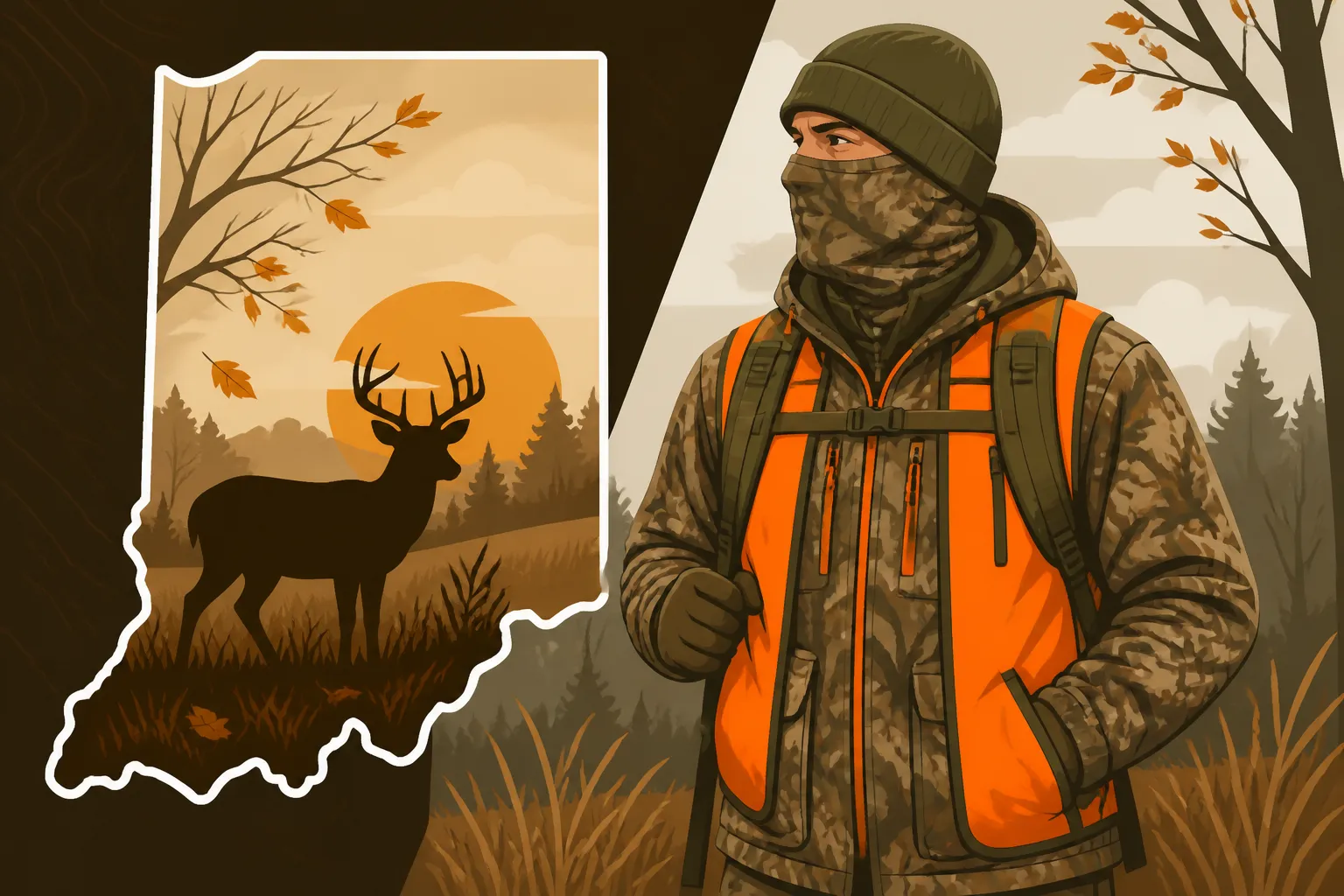
Clothing for an Indiana Late Season
Oh, that Indiana late season. It can be a real beast, can't it? One moment, you're enjoying a crisp, calm morning sit, and the next, a nor'easter is blowing in, dropping temperatures, bringing freezing rain, and making every bone in your body ache. Trying to stay warm, dry, and comfortable enough to actually focus on the hunt when the weather turns nasty is a challenge every Hoosier hunter knows well. This guide is all about equipping you with the knowledge to conquer those unpredictable late-season conditions, ensuring your clothing strategy keeps you in the stand or blind longer, more effectively, and without shivering your way out of prime hunting time.
Understanding Indiana's Late Season Weather
Indiana's late season, typically spanning from late November through December and even into January for some archery opportunities, is notoriously fickle. It's not just "cold" – it's a dynamic mix of elements that can change hour by hour, leaving unprepared hunters miserable. You need to dress for the worst, but be able to adapt to the best, because a sunny, mild December day isn't unheard of, just like a sub-zero January blast.
Typical Temperature Swings
One of the biggest frustrations of hunting in Indiana during the late season is the sheer range of temperatures you can experience. You might wake up to frost covering everything, with temps in the low 20s, only for the sun to break through by midday, pushing the mercury into the high 30s or even low 40s. Then, as soon as the sun dips below the horizon, it's a rapid plunge back towards freezing or below. This swing means you can start out freezing, warm up to being a bit sweaty, and then get bone-chilling cold again if you don't manage your layers. It's a constant battle against your own body's thermoregulation.
Imagine you're tucked into your stand, just before dawn, in a low river bottom. It's 25 degrees, and you're bundled up. As the morning progresses, the sun hits your position, and the temperature creeps up to 38. You start to feel a little too warm, maybe even break a sweat walking a hundred yards to your stand. That sweat, if not managed, is your enemy once the sun dips or a cloud bank rolls in. The key is preventing that initial chill, but also having the flexibility to dump heat before you get damp from the inside out.
Precipitation Challenges
Beyond temperature, precipitation is a game-changer. It's not just snow; it's often a mix of freezing rain, sleet, or that miserable, bone-soaking drizzle that seems to penetrate every layer. Hunting in the rain can be incredibly productive, as deer movement often picks up after a front. However, if your gear isn't up to the task, you'll be soaked, shivering, and likely heading back to the truck long before prime time is over. The cold combined with moisture extracts heat from your body at an alarming rate.
Consider a day where the forecast calls for a 30% chance of rain in the afternoon, with temperatures hovering around 35 degrees. You might think "light rain, I'll be fine." But that light rain, falling on your clothes for hours, especially if they're not truly waterproof, will turn into a significant problem. Your outer layer might shed a little water initially, but eventually, it'll "wet out," and then the cold, wet sensation seeps right through to your mid and base layers, stealing your core temperature. This is where durable, truly waterproof outerwear becomes non-negotiable, not just "water-resistant."
Wind Chill Factors
Ah, the wind. It's the silent thief of warmth. Even on a relatively mild late-season day, say 40 degrees, a stiff 15 mph breeze can drop the "feels like" temperature into the low 30s or even 20s. When you're sitting still in a treestand or ground blind for hours, that sustained wind chill can be brutal. It penetrates permeable fabrics, stripping away the insulating air trapped in your layers. This is why having windproof materials, especially in your outer layer, is just as crucial as having insulated ones.
You might be perfectly comfortable in a ground blind at 35 degrees with no wind, but climb into an open treestand on a ridge, and that same 35 degrees with a strong north wind will feel like you're standing naked in a freezer. The wind cuts through fleece and many insulated jackets that aren't specifically designed to block it. It finds every seam, every gap, and whispers its icy chill right to your skin. Being aware of the wind forecast and planning your stand location and clothing accordingly is paramount. I often check the wind direction using an app like GoHunt before heading out, not just for scent control, but also to choose a spot that offers some natural wind break if possible.
The Art of Layering: Your Best Defense
Layering isn't just a suggestion for late-season hunting; it's a fundamental principle for survival and comfort. Think of your clothing system as an onion: multiple thin layers are far more effective than one thick, bulky one. This approach allows you to trap insulating air between each layer while also providing the flexibility to add or subtract clothing as your activity level or the weather changes. Mastering layering is truly the key to staying comfortable in Indiana's volatile late-season conditions.
Why Layering Works
Layering works because it allows you to create multiple air pockets, and trapped air is an excellent insulator. Instead of one heavy coat that might be too warm when you're hiking in and too cold when you're sitting still, a layered system lets you fine-tune your insulation. Each layer serves a specific purpose, contributing to your overall warmth and comfort. When you start hiking to your stand, you can shed a mid-layer to prevent overheating and sweating. Once you're settled and your body cools down, you can add it back on.
This adaptability is critical in Indiana. Imagine a long walk into a remote corner of Hoosier National Forest Hunting. You're moving, generating heat, and if you started fully bundled, you'd be drenched in sweat by the time you arrived. That sweat then cools rapidly once you stop moving, turning you into a human ice cube. By having layers you can peel off during exertion and put back on during periods of stillness, you manage your core temperature much more effectively, preventing that dangerous cycle of sweat and chill.
The Three-Layer System
The classic "three-layer system" is the backbone of effective cold-weather hunting attire:
- Base Layer: Wicks moisture away from your skin.
- Mid-Layer: Provides insulation and warmth.
- Outer Layer: Protects you from wind, rain, and snow.
This system isn't rigid; you might have multiple mid-layers for extreme cold, or a lightweight shell over a thicker base for mild days. The principle remains: manage moisture, provide insulation, and protect from the elements. Ignoring any one of these components will compromise the entire system. For example, if your base layer doesn't wick sweat, then even the warmest mid-layer will become damp and lose its insulating properties, leading to discomfort.
Adjusting for Activity Levels
Your layering strategy needs to be dynamic. What you wear for an active Deer Drives on Indiana Public Land will be vastly different from what you choose for a quiet morning sit in a treestand. Before any activity, consider what your exertion level will be. If you're walking a long distance, planning to move frequently, or driving deer, start with fewer layers. Carry your heavier mid and outer layers in your pack.
When you reach your destination or settle into your stand, immediately add back those insulating layers. Don't wait until you start feeling cold. It's much harder to warm up once you're already chilled. A good rule of thumb is to start slightly cold when you begin an active hunt, knowing your body will generate heat. For static hunting, like sitting in a ground blind, you want to be comfortable from the moment you sit down. If you plan to Hunting the Rut in Early November and might be doing some rattling and grunting, your activity will be lower, so dress warmer initially.
Base Layers: The Foundation of Warmth
Your base layer is arguably the most important part of your cold-weather clothing system. It's the layer right against your skin, and its primary job is to manage moisture. No matter how many warm layers you put on top, if your base layer is soaking wet with sweat, you will get cold. Period. Investing in high-quality base layers that perform well in cold, wet, or fluctuating conditions is a non-negotiable for serious late-season hunters.
Material Choices: Merino Wool, Synthetics, and Blends
When it comes to base layer materials, you essentially have two main contenders: Merino wool and synthetics. Each has its pros and cons, and often, a hunter will opt for a blend or use different materials for different conditions.
- Merino Wool: This is a fantastic natural fiber known for its incredible warmth-to-weight ratio, softness (no itch like traditional wool!), and superior odor resistance. Critically, merino wool continues to insulate even when it's damp, which is a huge advantage if you sweat a little but still need warmth. It's also naturally quiet, which is a bonus in the woods. The main downsides are that it can be slower to dry than synthetics and generally comes with a higher price tag. If you can only afford one premium piece, consider making it a merino wool base layer.
- Synthetics (Polyester, Polypropylene): Modern synthetic base layers are engineered to excel at wicking moisture. They pull sweat away from your skin and spread it across the fabric's surface, where it can evaporate quickly. Synthetics are typically more durable, dry faster than wool, and are often more budget-friendly. However, they tend to hold onto body odor more readily than merino (though many brands now incorporate anti-microbial treatments) and lose most of their insulating properties once wet. For a hunt where you know you'll be exerting yourself heavily and need rapid drying, synthetics can be a great choice.
- Blends: Some manufacturers combine the best of both worlds, using merino wool mixed with synthetic fibers. These blends aim to offer the warmth and odor resistance of wool with the durability and faster drying times of synthetics. This can be an excellent compromise for many hunters seeking a versatile base layer.
Weight and Thickness
Base layers come in various weights, from lightweight to midweight to heavyweight, each designed for different temperature ranges and activity levels.
- Lightweight: Best for cool weather or highly active pursuits in cold weather where you'll be generating a lot of body heat. They're great for that mild December morning where you anticipate a long walk.
- Midweight: This is the most versatile option for general late-season Indiana hunting. Midweight base layers provide good insulation while still effectively wicking moisture. They are ideal for temperatures from the 30s down to the low 20s when paired with appropriate mid and outer layers.
- Heavyweight: Reserved for brutally cold conditions, single-digit temperatures, or when you anticipate very low activity levels. These offer maximum warmth but can be overkill and cause overheating if you're hiking more than a short distance. If you're planning a full day of Cold-Weather Sitting Strategy in Indiana, a heavyweight base layer is a wise choice.
Choosing the right weight depends entirely on your specific hunt plan. It's not uncommon to own multiple weights and select based on the forecast.
Wicking Moisture Away
The true magic of a good base layer is its ability to wick moisture. Your skin is constantly producing a small amount of moisture, even when you're not actively sweating. During physical exertion, that moisture increases dramatically. If this moisture stays against your skin, it rapidly cools and draws heat away from your body, making you feel chilled and clammy.
High-performance base layers are designed with capillary action in mind. Their fibers literally draw moisture away from your skin to the outer surface of the fabric, where it can evaporate or be absorbed by the next layer. This keeps your skin dry and your core temperature stable. This is especially vital when you're walking to your stand and then sitting still. That transition from exertion to inactivity is when most hunters get cold. A good base layer ensures that the sweat you generated on the walk out doesn't turn into a cold, wet blanket once you stop. Don't skimp on this layer; it's the foundation of your entire warmth system.
Mid-Layers: Insulate and Regulate
Once your base layer is handling moisture, your mid-layers step in to provide the critical insulation that traps your body heat. These are the workhorses of your system, offering the bulk of your warmth. The beauty of mid-layers is their versatility – you can add or subtract them as needed to match the fluctuating Indiana temperatures and your activity level.
Insulation Types: Fleece, Down, and Synthetic Fill
Mid-layers come with various insulation types, each with its own set of characteristics that make it suitable for different situations.
- Fleece: A perennial favorite for hunters, fleece (polyester microfleece, grid fleece, or heavier weights) is breathable, relatively lightweight, quick-drying, and provides excellent warmth. It's also usually quiet, which is a huge plus in the woods. Fleece works by trapping air in its fibers, creating an insulating barrier. Different weights of fleece offer varying degrees of warmth. For instance, a thin grid fleece might be a good first mid-layer, while a thicker, wind-resistant fleece could be your primary insulating piece.
- Down: Few materials offer the warmth-to-weight ratio of down. It's incredibly compressible, making it easy to pack, and provides exceptional insulation. However, down's major drawback is that it loses virtually all its insulating properties when wet. If you're hunting in consistently wet or damp conditions, or if there's a high chance of heavy precipitation, down might not be the best choice for your primary mid-layer unless it's under a truly waterproof shell. Some modern down garments feature water-resistant treatments on the down itself, which helps, but doesn't make it waterproof.
- Synthetic Fill (PrimaLoft, Thinsulate, Coreloft, etc.): Synthetic insulation is designed to mimic the properties of down while overcoming its vulnerability to moisture. These fills retain much of their insulating power even when wet, dry faster than down, and are typically less expensive. They don't compress quite as well as down, but the trade-off for all-weather performance is often worth it for the unpredictable Indiana late season. Many modern hunting jackets will feature some form of synthetic fill.
Zippers and Ventilation
Effective mid-layers aren't just about trapping heat; they're also about helping you regulate that heat. Features like full-length zippers, quarter-zips, and pit zips on jackets are incredibly important for venting excess warmth before you start sweating. Remember, preventing sweat is always easier than drying out wet clothes in the field.
Imagine you're still-hunting a ridge in Southern Indiana Hill Country during a late-season cold snap. The sun is out, but the air is crisp. As you slowly move up and down hills, your body temperature fluctuates. A mid-layer with a full-zip front allows you to quickly dump heat by unzipping it completely, or just a few inches if you just need a little airflow. Pit zips on a jacket serve a similar purpose, allowing heat to escape from areas prone to overheating without exposing your core. Don't underestimate the power of these simple ventilation features; they are crucial for maintaining a stable body temperature throughout your hunt.
Bulk vs. Warmth
There's always a balance to strike between the warmth a mid-layer provides and its overall bulk. While a super puffy down jacket might offer incredible warmth, it could restrict your range of motion, make it difficult to shoulder a rifle or draw a bow, and be noisy in thick cover. For deer hunters, quietness is often paramount.
Modern mid-layers, especially those with synthetic fills, are designed to offer significant warmth without excessive bulk. Look for designs that allow for free movement in the shoulders and arms. This is where multiple thinner mid-layers can be better than one thick one. For example, wearing a thin grid fleece over your base layer, followed by a slightly heavier synthetic-fill vest or jacket, provides comparable warmth to one bulky garment but allows for greater flexibility and better temperature regulation. You can even combine a windproof vest from a brand like GoHunt with a lighter fleece jacket for core warmth without sacrificing arm mobility. It's about finding that sweet spot where you're warm enough, but still able to comfortably and quietly execute a shot.
Outer Layers: Shielding from the Elements
Your outer layer is the final line of defense against Indiana's late-season weather. Its job is to protect your inner layers and your body from wind, rain, and snow, while also allowing moisture (vapor from sweat) to escape. This is where many hunters make a mistake, opting for a cheap "waterproof" shell that either isn't truly waterproof or doesn't breathe, leaving them wet from the inside.
Waterproof/Breathable Shells
The holy grail of outer layers is a garment that is both truly waterproof and highly breathable. This is a tall order, but modern membrane technologies have made significant strides. Brands use various proprietary membranes and treatments (like DWR – Durable Water Repellent) to create fabrics that block external water molecules but allow smaller water vapor molecules (sweat) to escape.
A truly waterproof shell will have taped seams and waterproof zippers. If a garment claims to be waterproof but lacks taped seams, it will eventually leak. Breathability is key because if your outer layer doesn't allow moisture vapor to escape, that sweat from your base and mid-layers will condense on the inside of the shell, making you feel just as wet as if it were raining. Look for ratings or technologies that specifically highlight both features. This outer shell is not primarily for warmth, but for protection. Its ability to shed water and block wind ensures your insulating layers underneath can do their job effectively. When you're out hunting in a steady drizzle in Hunting the Late-Season January Lull, a good waterproof shell is the difference between a productive day and a miserable one.
Windproof Options
Even without precipitation, a biting Indiana wind can make you miserably cold. Your outer layer should offer robust wind protection. Many breathable membranes that are waterproof are also inherently windproof. However, some jackets are specifically designed with wind-blocking fabrics or additional windproof membranes without necessarily being fully waterproof (e.g., softshells).
For late-season hunting, especially in exposed treestands or open farmland areas, a windproof outer layer is absolutely essential. The wind can cut through non-windproof fleece or insulated jackets, stripping away your body heat quickly. If your primary outer layer isn't fully windproof, you might consider adding a lightweight, packable wind shirt or vest as an additional layer underneath, especially if you anticipate fluctuating conditions or a particularly blustery day. This could be a lightweight shell carried in your pack that you can throw over your insulated jacket if the wind picks up.
Durability and Quietness
Hunting clothing, especially the outer layer, needs to be durable enough to withstand brush, briars, climbing through stands, and the general abuse of the outdoors. Tears and punctures compromise both warmth and waterproofing. Look for fabrics with a robust outer face, especially in high-wear areas like shoulders and elbows.
Equally important for deer hunters is quietness. A noisy jacket that rustles with every movement will blow your cover long before a deer is in range. Many performance outer layers are designed with quiet fabrics, often brushed or soft-shell materials, that minimize sound. Avoid stiff, crinkly plastics or excessively rigid nylons that sound like a bag of chips when you move. Test jackets by moving around in them in a quiet environment. Try drawing a bow or shouldering a rifle to see how much noise they make. This is often a trade-off: extremely durable and waterproof fabrics can sometimes be a bit noisier, so finding the right balance for your hunting style is key.
Head, Hands, and Feet: Critical Extremities
These are often the first parts of your body to get cold, and neglecting them can quickly end a hunt, even if your core is perfectly warm. Your head, hands, and feet have a high surface area-to-volume ratio, making them efficient at shedding heat. Keeping them protected is paramount for comfort and safety in the Indiana late season.
Headwear: Beanies, Balaclavas, and Neck Gaiters
Your head is a major source of heat loss. A significant percentage of your body heat can escape through an unprotected head. Wearing a warm hat is one of the quickest ways to feel warmer all over.
- Beanies: A simple, insulated beanie made of fleece or wool is a must-have. You can choose different thicknesses based on temperature.
- Balaclavas: For colder, windier days, a balaclava that covers your entire head, neck, and often part of your face is invaluable. Many are designed to be thin enough to wear under a hat or hood, providing an extra layer of warmth and wind protection for your face. This is particularly useful when Hunting a Clear-Cut Regrowth Edge where wind can be relentless.
- Neck Gaiters: A neck gaiter is a versatile piece that can be pulled up over your chin and mouth, worn around your neck, or even used as a headband. It prevents heat loss from your neck and can be adjusted quickly as conditions change. Consider one made of merino wool for warmth and odor control.
Having multiple options means you can adjust as the morning progresses, pulling a balaclava over your face as the wind picks up, or simply wearing a beanie on a calmer day.
Gloves and Mittens
Cold hands are miserable and make it impossible to perform essential tasks like unzipping a pack, loading a gun, or sending a quick message on the GoHunt app to your hunting buddies.
- Layered Gloves: The best strategy for hands is often a layered approach. Start with a thin, form-fitting liner glove (wool or synthetic) that allows for dexterity. Over this, wear a warmer, insulated glove.
- Mittens for Extreme Cold: For truly brutal cold, mittens are warmer than gloves because they allow your fingers to share warmth. You can often wear liner gloves inside mittens. Many hunting mittens are designed with a flip-back thumb and fingers, allowing you to quickly expose your digits for shooting or handling gear.
- Hand Warmers: Don't underestimate chemical hand warmers. Tucking them into your gloves, especially on the back of your hand or in special pockets, can make a huge difference on those frigid late-season mornings.
Look for gloves with good grip, especially if you're handling firearms or climbing stands. Water-resistant or waterproof gloves are also a huge plus for wet conditions.
Socks and Boots: Crucial for Warmth
Cold, wet feet are a direct route to misery and can even be dangerous. Proper foot protection is arguably the most critical aspect of your late-season clothing.
- Socks: Just like base layers, wool (especially merino) or synthetic socks are superior to cotton. Cotton absorbs moisture and holds it against your skin, leading to cold, clammy feet.
- Layering Socks: Many hunters use a two-sock system: a thin liner sock to wick moisture away from the foot, followed by a thicker, insulated wool or synthetic sock. Ensure this doesn't make your boots too tight, which can restrict circulation and actually make your feet colder.
- Weight: Choose sock weight based on expected temperatures. Heavyweight wool socks are essential for the coldest days.
- Boots: Your boots must be waterproof, insulated, and fit properly.
- Waterproofing: This is non-negotiable. Walking through wet snow, muddy trails, or shallow creeks requires boots that will keep your feet bone dry. Look for Gore-Tex or similar waterproof membranes.
- Insulation: Boots are rated by grams of Thinsulate or similar insulation.
- 200-400 grams: Suitable for milder cold (30s-40s) or active hunting.
- 600-800 grams: Good for sustained cold in the 20s.
- 1000+ grams: Reserved for extreme cold (single digits and below) or static hunting in very cold conditions.
- Fit: Ensure your boots fit well with your chosen socks. Too tight, and circulation is cut off; too loose, and you get blisters. Your toes should have room to wiggle, as this also aids warmth.
- Rubber Boots: For particularly wet, muddy, or marshy environments, such as Waterfowl Hunting the Kankakee Marshes, insulated rubber boots are often the best choice for keeping feet dry and scent-free.
Remember, once your feet get cold, it's incredibly difficult to warm them up again in the field. Don't cheap out on your boots or socks; they are your direct connection to staying in the game.
Special Considerations: Rain, Snow, and Wind
Indiana's late season rarely serves up perfectly calm, sunny, and dry days. More often, you're dealing with a mix of challenging weather. Being prepared for these specific conditions will elevate your comfort and success significantly.
Dealing with Freezing Rain
Freezing rain is perhaps the most miserable form of precipitation for a hunter. It's cold, it's wet, and it coats everything in a layer of ice. The key to combating freezing rain is a truly waterproof outer layer with excellent DWR treatment. The DWR causes water to bead up and roll off the fabric, preventing the "wet out" that leads to cold, damp inner layers.
Ensure your jacket and pants have fully taped seams and waterproof zippers. Pay attention to cuffs and collars – these are common entry points for freezing rain. Cinchable cuffs and a well-designed hood that allows for peripheral vision while keeping rain off your face are vital. If you plan to sit for extended periods in freezing rain, consider a ground blind with a roof, or a treestand umbrella, to further protect yourself. Even with the best gear, regular checks of your clothing, especially around openings, are important to ensure moisture isn't seeping in.
Hunting in Deep Snow
While not an everyday occurrence, Indiana can certainly get significant snowfalls in the late season. Hunting in deep snow presents its own challenges. Your outer layers need to be waterproof and durable to prevent snow from melting and soaking through as you move. Gaiters are an absolute game-changer for deep snow, preventing snow from getting into the tops of your boots. They zip or strap around your lower leg and overlap your boot, creating a seal.
If you're tracking deer in fresh snow, consider carrying a spare pair of socks in a dry bag in your pack. There's nothing worse than wet feet mid-day. Also, for deep snow conditions, consider a layered approach to your pants. A good base layer, followed by an insulated, waterproof pair of hunting pants, is often sufficient. For sitting in deep snow, a small, insulated seat cushion can also provide a vital barrier between you and the cold, wet ground. The folks at GoHunt often share tips on adapting gear for various conditions, which can be helpful.
Battling Gusting Winds
Gusting winds, especially on an exposed ridge or over open fields (think Hunting Northern Indiana Farmland Deer), demand specific gear. Wind will bypass insulation that isn't protected by a windproof barrier, making you feel colder than the thermometer indicates.
Your outer layer must be windproof. Look for jackets and pants with wind-blocking membranes or tightly woven fabrics designed to stop wind penetration. Layering is also crucial here: a windproof mid-layer (like a softshell jacket) can provide an extra barrier under your main outer shell. Pay close attention to your head and neck – a balaclava or a neck gaiter pulled up to cover your chin and nose can make a significant difference. Gloves should also be windproof. If you're using a treestand, consider investing in a wind skirt or a treestand blind that can help block some of the direct wind, creating a microclimate of calm around you.
Field Care and Maintenance of Your Gear
Investing in good late-season hunting clothing is only half the battle. Proper field care and maintenance are crucial to ensure your gear performs season after season and doesn't let you down when you need it most. Neglecting your gear can shorten its lifespan and diminish its effectiveness, leaving you cold and uncomfortable.
Drying Gear at Camp
At the end of a long, cold, and potentially wet day of hunting, properly drying your gear is paramount. Damp clothes lose their insulating properties and can even grow mildew if left wet.
- Hang Everything: As soon as you get back to camp or home, hang all your clothing, including base layers, mid-layers, outer layers, socks, and gloves, in a well-ventilated area. If you have access to a heated space, even better. Avoid direct heat sources like open flames or high-heat dryers, which can damage technical fabrics, waterproof membranes, and insulation.
- Turn Inside Out: For quicker drying, turn garments inside out, especially those with multiple layers or thick insulation. This allows trapped moisture to escape more readily.
- Boots: Remove insoles from your boots to allow them to dry fully. You can stuff boots with newspaper to absorb moisture, changing it frequently. Boot dryers with gentle airflow are also excellent investments.
- Gloves: Many gloves have loops for hanging them upside down, which helps trapped moisture drain out.
Starting each day with dry, warm clothes is a huge morale booster and ensures your gear functions as intended.
Cleaning and Storing Between Seasons
Once the late season wraps up, proper cleaning and storage will extend the life of your gear. Don't just throw everything in a bin and forget about it until next year.
- Follow Care Labels: Always, always check the care labels on your garments. Technical fabrics, especially those with waterproof/breathable membranes, often require specific washing instructions.
- Scent-Free Detergents: Use scent-free, non-UV brightening detergents specifically designed for hunting clothes. Regular detergents can leave behind residues that clog pores in breathable fabrics and enhance UV glow, making you more visible to deer.
- Reactivating DWR: Over time, the DWR (Durable Water Repellent) finish on your outer layers will wear off, causing water to soak into the fabric instead of beading up. Many wash-in or spray-on DWR treatments are available to revitalize this coating. After washing a waterproof shell, a gentle tumble dry (check the label!) can often help reactivate the DWR.
- Storage: Store clean, completely dry clothing in a cool, dark, and dry place. Avoid compressing insulated garments (especially down) for long periods, as this can damage the insulation's loft. Use breathable garment bags or plastic bins (with a few cedar blocks for natural moth repellent) for long-term storage. For items like trail cameras, information on Where to Hang a Camera on a Logging Road will be important next season, but for now, it's about storing your clothing.
Repairing Minor Damage
Small tears, snags, or broken zippers don't have to mean the end of a piece of gear. Many minor damages can be repaired, saving you money and extending the life of your favorite hunting clothes.
- Fabric Repair Kits: Carry a small fabric repair kit with you or keep one at camp. Adhesive patches designed for outdoor gear can quickly fix small tears in waterproof shells or insulated jackets, preventing further damage and maintaining functionality.
- Zipper Repair: Minor zipper issues can sometimes be fixed with a pair of pliers or a dedicated zipper repair kit. For more serious issues, a local seamstress or outdoor gear repair shop might be able to help.
- Seam Sealing: If you notice a seam starting to leak on a waterproof garment, you can often re-seal it with a liquid seam sealer.
Being proactive with repairs means your gear will continue to protect you from the elements, allowing you to focus on Scouting Indiana Public Land Before Season next year and making the most of every minute you spend afield.
| Layer Type | Primary Function | Recommended Materials | Key Features to Look For |
|---|---|---|---|
| Base Layer | Moisture Wicking | Merino Wool, Synthetics (Poly) | Snug fit, odor control, different weights for temp |
| Mid-Layer | Insulation / Warmth | Fleece, Synthetic Fill, Down | Zippers for ventilation, quietness, compressible |
| Outer Layer | Weather Protection | Waterproof/Breathable Membrane | Taped seams, windproof, durable, quiet fabric, DWR treatment |
| Headwear | Heat Retention | Fleece, Wool, Windproof | Balaclava options, good peripheral vision with hood |
| Handwear | Dexterity & Warmth | Layered (liner + insulated) | Windproof, waterproof options, flip-back features |
| Footwear | Dryness & Insulation | Wool Socks, Insulated Boots | Waterproof membrane, appropriate gram insulation, good fit |
This article is for general informational purposes only and does not constitute professional advice. Laws, prices and regulations vary by location and change over time. Consult a qualified professional for guidance on your specific situation.