Boots for Indiana Mud and Snow
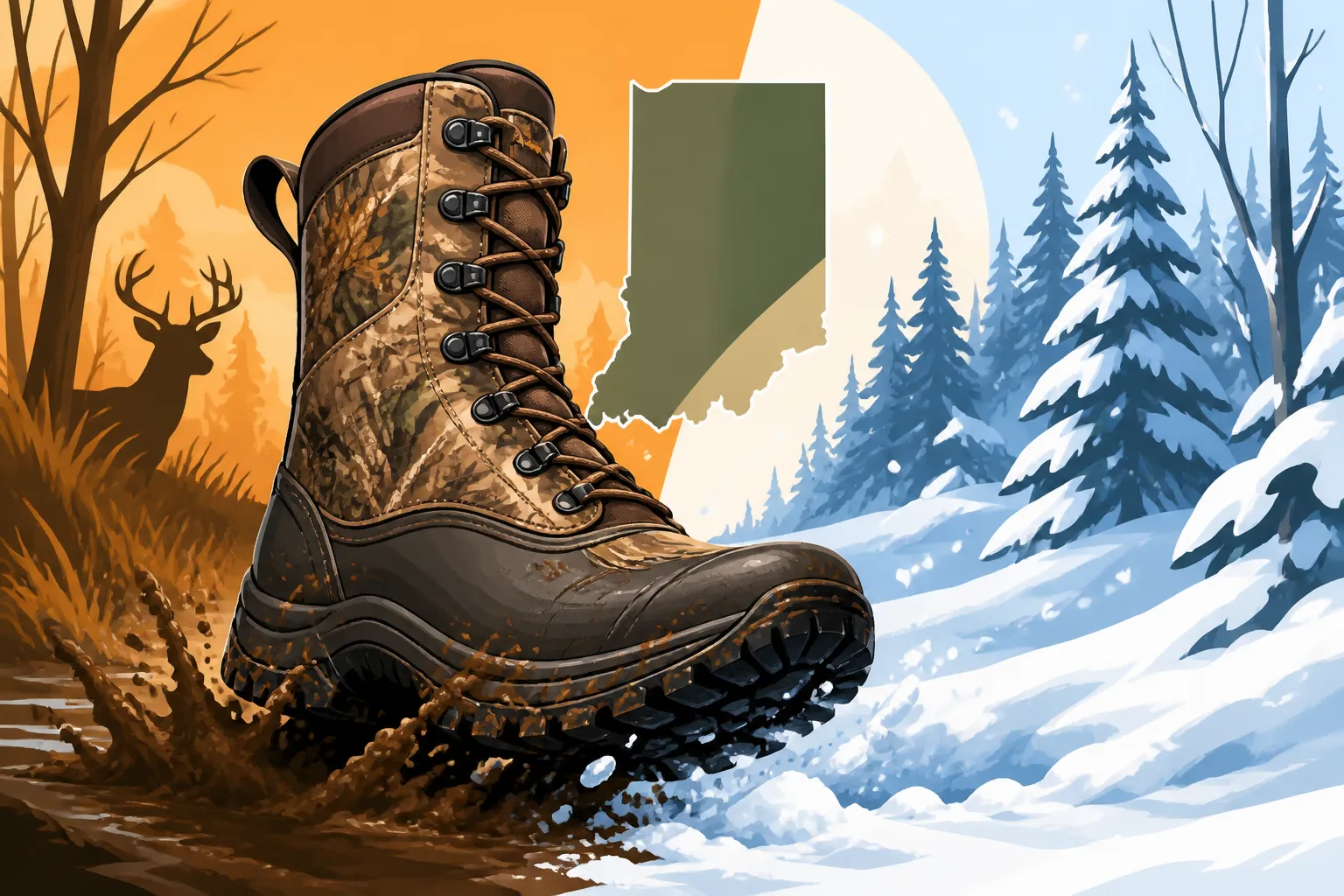
There's nothing quite like a crisp fall morning in the Indiana woods, the leaves crunching underfoot, the air biting your nose. But that idyllic scene can quickly turn into a miserable slog if your feet aren't properly protected from the constant battle against Indiana's infamous mud, unexpected stream crossings, or that first blanket of late-season snow. This guide is all about helping you understand the different types of hunting boots, their features, and how to choose the right pair to keep your feet dry, warm, and comfortable, no matter what Mother Nature throws your way in the Hoosier State.
Understanding Indiana's Diverse Terrain and Weather Challenges
Indiana might not have towering mountains, but our hunting grounds present their own unique set of challenges, especially when it comes to keeping your feet happy. From the rolling hills of Southern Indiana to the flat, often saturated farmlands up north, the ground underfoot can change dramatically, and so can the weather, sometimes within a single day. You need boots that can stand up to this variability.
The Ever-Present Indiana Mud
If you've spent any time hunting in Indiana, you know mud isn't just a possibility; it's often a guarantee. Early archery season might start dry, but a good fall rain can turn logging roads into slick, treacherous trails and creek bottoms into mucky quagmires in a heartbeat. That heavy, clay-rich soil we have in so many parts of the state loves to cling to your boots, making every step heavier. Trying to navigate this in inadequate footwear can quickly lead to exhaustion, slipping hazards, and, worst of all, soaked socks that chill you to the bone. No one wants to spend the rest of their Hunting the Rut in Early November with cold, wet feet.
Consider those creek bottoms and low-lying areas, especially after significant rainfall. Whether you're tracking a deer in a Hunting Indiana River Bottom Funnels or simply trying to get to your stand, you're likely to encounter areas where the water table is high, creating sticky, calf-deep mud. This isn't just an annoyance; it can be a real safety concern, increasing the risk of twisted ankles or falls. The right boots aren't just about comfort here; they're about navigating the terrain effectively and safely.
Even in areas that seem drier, like higher ridges in the Hoosier National Forest, a surprise shower can quickly turn leaf litter into a slippery mess. You might start your morning walk on relatively firm ground, but by midday, after a passing rain squall, those same paths can become slick enough to send you sprawling if your boots lack proper traction. It's a constant variable that Indiana hunters have to contend with, and planning for it is key.
Navigating Early and Late-Season Snow and Ice
While Indiana isn't known for Alaskan-level snow, we certainly get our fair share, especially during the late deer seasons extending into December and January. Early snowfalls can create beautiful, quiet hunting conditions, but they also bring their own set of footwear demands. That first dusting might just be a light cover, but it can quickly turn to slush or ice, making footing tricky, particularly on shaded slopes or along frozen creek beds.
When the real cold sets in, and you're contemplating Hunting the Late-Season January Lull, deep snow can be a factor, especially in northern Indiana or during particularly harsh winters. Walking through several inches of powder, or even crusty, wind-blown snow, requires boots that can provide both warmth and protection from moisture seeping in over the top. Moreover, thin sheets of ice underfoot, often hidden by a fresh layer of snow, demand outsoles that can grip without turning your walk into a dangerous slide.
The shift from wet ground to freezing temperatures often leaves a layer of hard-packed snow or glare ice, especially on logging roads or ATV trails on public land. Even seemingly stable ground can hide slick patches, and a misstep can cost you a day of hunting or worse. Your boot choice needs to account for not just the cold, but also the treacherous surface conditions that Indiana's winter weather frequently creates, ensuring you have the stability and insulation to stay out longer and safer.
Key Features of Hunting Boots for Indiana Conditions
Choosing the right hunting boots goes beyond just picking a size. You need to consider several critical features that will make the difference between a great day in the field and a miserable one. These features directly address the mud, water, snow, and varied temperatures common to Indiana.
Superior Waterproofing Technology
Waterproof boots are non-negotiable for Indiana hunting. Period. Our wetlands, river bottoms, and often-soggy public land require a barrier that simply won't quit. Modern boots utilize various technologies to achieve this, from integrated membranes to fully rubberized constructions.
Many high-quality leather and synthetic boots incorporate waterproof membranes like Gore-Tex, eVent, or proprietary brand versions. These membranes are designed with microscopic pores that are too small for liquid water molecules to pass through from the outside, but large enough for water vapor (sweat) to escape from the inside. This is crucial because it allows your feet to breathe, preventing that clammy feeling that can lead to blisters and cold feet even in dry conditions. Look for boots that explicitly state they have a waterproof and breathable membrane, and don't skimp on this feature. A cheap waterproof boot that only lasts a few hunts before leaking isn't saving you money in the long run.
Beyond the membrane, the construction of the boot itself plays a massive role. Seams need to be sealed, and gussets on tongues should extend high enough to prevent water intrusion when you step into a deeper puddle or cross a shallow stream. Rubber boots, naturally, offer the highest level of waterproofing, being one solid piece up to their full height. These are often the go-to for really wet conditions, like a morning duck hunt on the Kankakee, or just slogging through the perpetually wet lowlands. Even with rubber boots, checking for pinholes or cracks before the season is a good habit. You don't want to find a leak when you're halfway through a marsh and your toes are already starting to sting.
Insulation Levels for Varying Temperatures
Indiana's deer seasons span from early fall archery, which can be quite warm, all the way through late muzzleloader and firearms seasons that can see single-digit temperatures. The amount of insulation in your boots needs to match the expected conditions and your activity level. Too much insulation, and your feet will sweat excessively, leading to cold feet later. Too little, and you'll be miserable on stand.
Insulation in boots is typically measured in grams, referring to the weight of synthetic insulation per square meter. A boot with 200-400 grams of insulation is generally suitable for active hunting in cool-to-cold temperatures (say, 30-50 degrees F) common during mid-fall. This allows for warmth without overheating when you're walking, still-hunting, or setting up a stand. If you're going to be sitting for long periods in a Cold-Weather Sitting Strategy in Indiana during late November or December, especially when temperatures dip into the teens or single digits, you'll want boots with 800-1200 grams, or even more. These heavier insulated boots, often called pac boots, are designed to keep you warm when your metabolism isn't generating much heat.
For early season hunts, like When Indiana's Archery Season Opens in October, you might even consider uninsulated or lightly insulated (100-200 gram) boots. The key is to avoid sweating your feet out, as wet feet quickly become cold feet, regardless of insulation. Many hunters own multiple pairs of boots, one for warmer early season and another for the brutal cold of late December. Don't forget that good wool socks also add a layer of insulation and manage moisture effectively, complementing your boot's built-in warmth.
Traction and Outsole Design
Navigating Indiana's varied terrain – from slick mud and wet leaves to snowy hillsides and icy trails – demands an outsole that can provide reliable grip. The design of the lugs (the raised patterns on the sole) and the rubber compound used are critical.
Deep, multi-directional lugs are essential for digging into soft terrain like mud, loose soil, and snow. You want a pattern that sheds mud easily, rather than accumulating it, which can turn your boots into heavy, slick blocks. Aggressive heel brakes are also important for downhill traction, preventing you from sliding when descending steep southern Indiana ridges. Conversely, too aggressive a lug pattern can sometimes feel cumbersome on flatter, harder surfaces, but for true off-trail hunting, traction is paramount.
The rubber compound of the outsole also matters. Softer rubber compounds tend to provide better grip on wet rocks and icy surfaces but may wear down faster. Harder compounds are more durable but can be slicker. Many quality hunting boots strike a balance, using compounds that offer both durability and grip in a range of temperatures. Some specialized winter boots incorporate unique rubber blends designed to stay flexible and grippy even in sub-freezing conditions, or even offer removable ice cleats for extreme ice. When Hunting Deer After a January Cold Front, stable footing is not just about comfort, but safety.
Comfort, Support, and Fit
Even the best-engineered boot is useless if it's uncomfortable. Comfort starts with a proper fit, but also encompasses ankle support, arch support, and the overall feel of the boot as you walk. Hunting often involves long hours on your feet, covering many miles, sometimes over uneven terrain, so blisters and foot fatigue are your worst enemies.
Good ankle support is crucial, especially when traversing uneven ground or carrying a heavy pack. Many hunting boots feature a higher cut and stiffened ankle collars to prevent rolls and twists. This is particularly important if you're Still-Hunting Southern Indiana Ridges where the terrain is rocky and unpredictable. Arch support is also key to preventing foot fatigue on long hikes; some boots come with excellent built-in arch support, while others might benefit from aftermarket insoles tailored to your foot shape.
Proper fit means no hot spots, no heel slip, and enough room in the toe box for your toes to wiggle, especially when wearing thicker socks. Always try on boots with the type of socks you intend to wear while hunting. Walk around the store, go up and down any inclines if possible. Don't rely solely on your street shoe size, as hunting boot sizing can vary. A common mistake is buying boots too small, leading to cramped toes and cold feet, or too large, causing excessive foot movement and blisters. Remember, your feet tend to swell slightly throughout the day, so trying them on later in the day can give a more accurate fit.
Types of Boots for Different Indiana Seasons
Just like you wouldn't use a waterfowl shotgun for turkey hunting, you wouldn't necessarily wear the same boots for every Indiana hunting season. The conditions change dramatically from the mild, wet early fall to the frigid, snowy depths of winter. Having the right tool for the job – or in this case, the right boot for the season – makes all the difference.
Lightweight, Uninsulated Boots for Early Archery Season
When Indiana's Archery Season Opening Day rolls around in early October, the weather can still be surprisingly warm, often in the 50s or 60s, sometimes even hotter. Heavy, insulated boots would be a recipe for sweaty feet, which leads to blisters and a quick chill once you sit in your stand. This is where lightweight, uninsulated or very lightly insulated boots shine.
These boots are designed primarily for comfort and breathability in milder temperatures. They often feature a durable synthetic or lightweight leather upper, combined with a waterproof-breathable membrane to handle dew-soaked mornings or unexpected rain showers. The focus here is on moisture management – keeping external water out while allowing internal sweat to escape. Look for a flexible sole that offers good ground feel, essential for quiet movement when bowhunting. They'll have good traction for varied terrain but won't be overly stiff or heavy.
The goal is to keep your feet from overheating and sweating excessively during those longer walks to your stand or when scouting in still-warm weather. While they offer decent protection against minor wetness, they aren't meant for slogging through deep mud or standing water for extended periods. Think of them as your athletic footwear for the woods, providing protection and agility for the active hunter in moderate conditions. They're perfect for those warm, sunny days where you're putting on miles, scouting for that perfect spot to hang a camera on a logging road, or just getting your bearings.
Rubber Boots for Wet and Muddy Conditions
When the conditions get genuinely wet and muddy, especially in the lowlands, creek bottoms, or after a prolonged period of rain, rubber boots are your best friend in Indiana. Nothing, and I mean nothing, beats a good pair of rubber boots for keeping your feet bone dry when you're wading through muck or standing in shallow water.
These boots are constructed from natural rubber or synthetic materials like neoprene, offering a seamless, impenetrable barrier against water. They come in various heights, from mid-calf to knee-high, ensuring you're protected when stepping into deeper puddles or crossing sloughs. Many modern rubber boots also incorporate neoprene linings for insulation, adding warmth for colder weather without compromising their waterproof integrity. A typical example would be a 3.5mm or 5mm neoprene lining, providing significant warmth for static sits or mild activity in cold weather.
Rubber boots are indispensable for Waterfowl Hunting the Kankakee Marshes or when you know you'll be dealing with saturated ground, like Hunting Indiana River Bottom Funnels. They are also great for field dressing deer in muddy conditions, as they're easy to clean. The primary drawback can be breathability; rubber doesn't breathe as well as membrane-lined leather, so your feet can get sweaty if you're walking long distances in warmer temperatures. However, for sheer waterproof performance in truly challenging wet conditions, they are unmatched. They're also often quite comfortable for walking, provided you find a pair that fits your foot shape well.
Insulated Leather or Synthetic Boots for Cold Weather
As the seasons progress into late fall and winter, and temperatures drop consistently below freezing, insulated leather or synthetic boots become the workhorses for many Indiana deer hunters. These boots combine the rugged durability and support of traditional hiking or work boots with significant insulation.
These boots often feature thick leather or heavy-duty synthetic uppers, combined with a waterproof-breathable membrane and a substantial amount of insulation (typically 600 grams or more, often up to 1200+ grams). The robust construction provides excellent ankle support, crucial for navigating frozen, uneven ground, and the stiff sole offers stability when crossing icy patches or climbing. They are designed for colder temperatures and offer a good balance of warmth, protection, and walkability.
Good insulated leather boots are perfect for Muzzleloader Deer Hunting in Indiana in December, or for those chilly firearms season sits. They offer more structured support than many rubber boots and often have superior traction on diverse surfaces, including snow and ice, thanks to their specialized outsoles. While they might be heavier than early-season boots, their warmth and protection are invaluable when you're facing down bitter winds and freezing rain. The key is to choose the right amount of insulation for your typical activity level and the coldest temperatures you anticipate. If you're primarily stand hunting in deep cold, lean towards higher insulation. If you're more of a mobile hunter, a medium amount might be better to prevent overheating.
Pac Boots for Extreme Cold and Static Hunting
For the absolute coldest days of late-season Indiana hunting, especially if you plan on long periods of static sitting, pac boots are the ultimate choice for warmth. These are not your everyday walking boots, but rather specialized cold-weather gear designed to keep your feet from freezing even when temperatures plummet.
Pac boots typically feature a waterproof rubber lower section and a heavily insulated, often water-resistant, synthetic or leather upper. The hallmark of a pac boot is its removable felt liner, which provides immense insulation. These liners can often be removed to dry overnight, a huge advantage if your feet sweat during the day. With insulation levels often exceeding 1000 or even 2000 grams, pac boots are built for standing or sitting for hours in sub-zero wind chills. They are an absolute lifesaver when Hunting Deer After a January Cold Front or during an extended winter sit in a ground blind.
While pac boots offer unparalleled warmth, their bulk and weight can make them less ideal for long walks or highly active hunting styles. They are best suited for situations where you're not covering significant distances, such as sitting in a treestand, still-hunting very slowly, or ice fishing. If your primary goal is to stay warm, even when motionless for hours, and Indiana throws its absolute worst winter weather at you, then a good pair of pac boots will be a cherished part of your gear arsenal. They might feel a bit clunky, but when your toes are toasty, you won't care.
Here’s a quick overview of boot types for various Indiana conditions:
| Boot Type | Best For | Key Features | Pros | Cons |
|---|---|---|---|---|
| Lightweight/Uninsulated | Early Archery, Warm Scouting, Mild Conditions | Waterproof membrane, flexible, breathable | Light, comfortable, good for active hunting in mild temps | Limited warmth, not for deep mud/water |
| Rubber Boots | Heavy Mud, Standing Water, Waterfowl | Seamless waterproof construction, often neoprene | 100% waterproof, easy to clean, good for static sits with insulation | Less breathable, can be heavy, less ankle support |
| Insulated Leather/Synthetic | Cold Weather, Varied Terrain, Active Hunting | Waterproof membrane, 400-1000g insulation, stiff | Excellent support, good traction, versatile for most cold-weather hunts | Heavier than uninsulated, can be too warm for early season |
| Pac Boots | Extreme Cold, Static Hunting, Deep Snow | Removable felt liner, 1000g+ insulation, rubber lower | Maximum warmth, ideal for motionless sits in bitter cold | Bulky, heavy, less ideal for long walks or active hunting |
Sizing, Fit, and Maintenance for Longevity
Getting the right boots is only half the battle; ensuring they fit correctly and are properly maintained will make all the difference in your comfort, performance, and how long they last through Indiana's tough seasons.
The Importance of Proper Sizing and Fit
I can't stress this enough: do not compromise on fit. An ill-fitting boot is going to make you miserable, plain and simple. Even the most expensive, high-tech boot is worthless if it gives you blisters, pinches your toes, or allows your heel to slip. When trying on hunting boots, wear the same type of socks you'd actually hunt in – usually a good quality wool blend. Many hunters wear a thin liner sock under a thicker wool sock, and you need to account for that volume.
Try boots on later in the day when your feet are naturally a bit more swollen. Walk around, go up and down stairs if available, and if possible, walk on an incline. Pay close attention to your heel. You want minimal heel lift, maybe a small amount, but nothing that rubs or feels like it's lifting excessively. Your toes should have enough room to wiggle freely, especially your big toe, without touching the end of the boot, even when walking downhill. This space is crucial for circulation and preventing cold toes.
Remember that different brands and even different models within the same brand can fit very differently. Don't assume your street shoe size will directly translate. If you have wide feet, look for brands that offer wide sizes. If you're on the fence between two sizes, especially for insulated boots, it's often better to go up half a size to allow for thicker socks and better circulation. Just like you'd meticulously Sighting In a Centerfire Rifle for Indiana Woods, you need to meticulously fit your boots.
Essential Care and Maintenance Tips
Hunting boots are an investment, and like any good piece of gear, they need proper care to perform season after season. Neglecting your boots can lead to premature wear, leaks, and a much shorter lifespan.
First, clean your boots regularly. After every hunt, especially if you've been in mud or snow, wipe them down. For leather boots, gently brush off dirt and mud once dry, then wipe with a damp cloth. For rubber boots, a hose and a brush are usually all it takes. Pay special attention to the seams and laces, where dirt can accumulate and cause degradation. Using a boot dryer or simply removing the insoles and stuffing them with newspaper helps absorb moisture from the inside, crucial for both hygiene and preventing material breakdown. Never dry boots directly by a fire or on a direct heat source, as this can damage materials and adhesives, especially in leather boots.
Second, reapply waterproofing treatments to leather and synthetic boots periodically. The Durable Water Repellent (DWR) coating on the outer fabric will wear off over time. Nikwax, Granger's, and other brands offer excellent products that help water bead off the surface, preventing the outer materials from saturating, which can make your feet feel colder even if the internal membrane is still working. For rubber boots, a protectant spray can help prevent cracking and keep the rubber supple.
Finally, store your boots properly in the off-season. Clean and dry them thoroughly, then store them in a cool, dry place away from direct sunlight. For leather boots, conditioning them before storage will prevent the leather from drying out and cracking. Make sure they are standing upright or supported to maintain their shape. Small issues, like a loose stitch or a worn lace, should be addressed quickly to prevent them from becoming bigger problems down the line. A little effort goes a long way in ensuring your boots are ready when Scouting Indiana Public Land Before Season calls.
Making the Right Choice: Matching Boots to Your Hunt
With so many options, deciding which hunting boots are right for you can feel overwhelming. The key is to think about your specific hunting style, the conditions you'll most often encounter, and the time of year you plan to be out.
Considering Your Primary Hunting Style
Are you a mobile hunter who covers miles still-hunting Reading a Ridge for Hoosier Forest Deer or pushing deer in a Deer Drives With Three or Four Hunters? Or are you primarily a static hunter, spending long hours perched in a treestand overlooking a Late-Season Food Sources for Indiana Whitetails? Your hunting style heavily influences the type of boot that will serve you best.
For highly active, mobile hunters, weight and flexibility are paramount. You want boots that offer good support and traction but don't feel like lead weights on your feet after a few miles. Lighter, more athletic-style hunting boots with moderate insulation (200-400 grams) are often ideal. They allow for natural foot movement and reduce fatigue, letting you stay on the move longer. Comfort in walking is a much higher priority here. You'll likely prioritize breathability to manage sweat buildup.
For static hunters, especially those enduring bitter cold for extended periods, maximum insulation is key. Pac boots or heavily insulated rubber boots (800+ grams) are often the preferred choice. While heavier and sometimes bulkier, their ability to retain warmth while you're motionless is unmatched. The slight increase in weight for the walk to the stand is a small price to pay for warm, comfortable feet during a several-hour sit. You're less concerned with agility and more with thermal retention.
Matching Boots to Specific Indiana Seasons and Conditions
Think about the specific seasons you hunt most often. If you only hunt early archery and spring turkey, you'll have very different needs than someone who hunts all deer seasons through January, or who chases waterfowl.
- Early Archery (October/Early November): The weather is often mild, but mornings can be damp. A lightweight, uninsulated or minimally insulated (100-200g) waterproof boot is usually perfect. It offers protection from dew and light rain without overheating.
- Late Archery/Firearms Season (Mid-November/Early December): This is prime rut time, and also when the weather gets truly unpredictable. You could have warm days, but freezing rain, mud, and light snow are common. A mid-to-heavily insulated (400-800g) waterproof leather or synthetic boot is a versatile choice.
- Muzzleloader/Late Firearms (Mid-December/Early January): This is when the cold really sets in, and deep snow becomes more likely. This demands serious warmth. Heavily insulated (800g+) waterproof boots or pac boots are essential. You need to protect against both the cold and any remaining moisture.
- Waterfowl and Wet Areas (All Seasons): If you're hunting ducks on the Wabash River bottoms or pushing through thick marsh grass, knee-high rubber boots are simply the best option for keeping dry. Look for insulated versions for colder waterfowling.
Also, consider the specific micro-climates you hunt. Are you in the dry, rocky uplands of Brown County, or the perpetually damp lowlands of the Kankakee? Do you traverse a lot of open fields or stick to dense timber? The specific terrain will also guide your traction and support needs. Use tools like GoHunt to scope out potential wet areas or elevation changes that might dictate your boot choice before you even leave the house.
Investing in Quality and What to Expect
Hunting boots are one piece of gear where cutting corners often leads to regret. A good pair of boots is an investment in your comfort, safety, and ultimately, your enjoyment of the hunt. While specific prices fluctuate, expect to pay more for features like advanced waterproofing membranes, higher quality insulation, and durable outsoles.
Higher-quality boots are typically made with better materials, superior construction methods, and more attention to detail in areas like seam sealing and sole attachment. This translates to better performance, greater comfort, and a longer lifespan. A cheaper boot might seem like a good deal initially, but if it leaks after a couple of seasons or causes debilitating blisters, you haven't saved anything.
Many veteran hunters in Indiana will tell you that they own at least two, and often three, pairs of hunting boots to cover the full range of conditions our state offers. A lightweight pair for early season, a versatile insulated pair for the core deer seasons, and a dedicated rubber boot for the truly wet, muddy, or marshy conditions. This might seem like a lot, but it ensures you always have the right footwear to tackle whatever the Hoosier woods throw at you, keeping your focus on the hunt, not on your aching, frozen feet. Indiana Deer Camp Traditions are best enjoyed with warm, dry feet!
Disclaimer
This article is for general informational purposes only and does not constitute professional advice. Laws, prices and regulations vary by location and change over time. Consult a qualified professional for guidance on your specific situation.