Ammunition Availability Before Opening Day
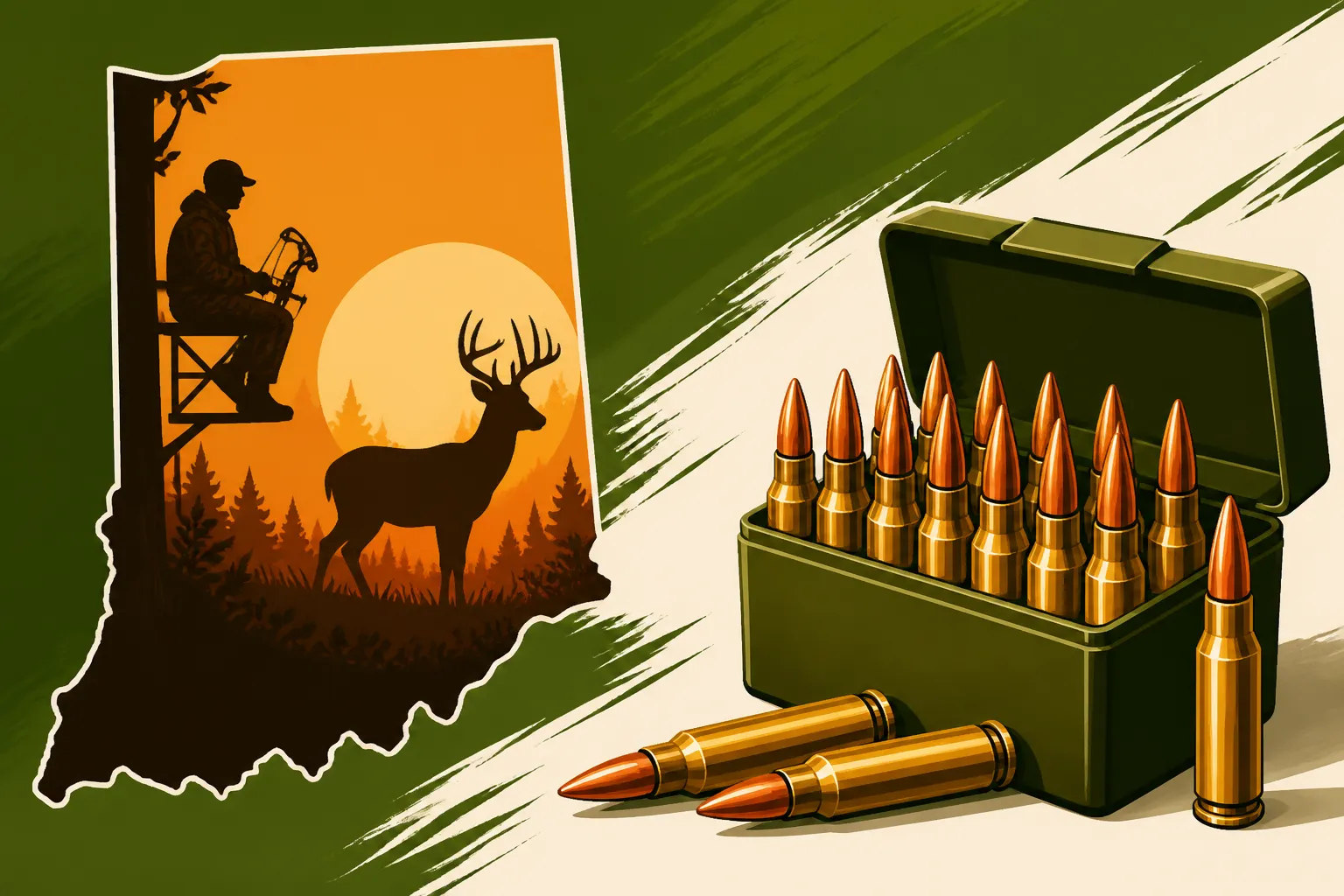
There's nothing quite like the knot of anxiety that tightens in your stomach when opening day is just around the corner, and you realize you're down to your last few rounds—or worse, completely out—of your preferred hunting ammunition. Many hunters in Indiana and across the country have faced the infuriating reality of empty shelves and online stock alerts that disappear faster than a whitetail in thick fog. This guide is all about helping you avoid that last-minute scramble, understanding the factors behind ammunition availability, and developing a proactive strategy to ensure you're always ready for the hunt.
The Frustration of the Empty Shelf: Understanding Ammunition Shortages
It's a scene many of us have lived through: you walk into your local sporting goods store, full of optimism, only to be met with bare shelves in the ammunition aisle. Or you click frantically online, adding a box to your cart, only for it to be gone by the time you hit checkout. This isn't just bad luck; it's often a symptom of larger, systemic issues that can leave hunters feeling stranded right when they need their gear most.
The Cyclical Nature of Supply and Demand
Ammunition availability often follows unpredictable cycles, influenced by a cocktail of factors. Major political events, economic shifts, or even widespread public health crises can trigger waves of panic buying, leading to rapid depletion of stock. When this happens, manufacturers struggle to keep up, even operating 24/7. It takes time to source raw materials, produce components like primers, cases, powder, and bullets, and then assemble and ship the finished product. This lag creates a ripple effect, meaning that even when demand normalizes, it can take months for store shelves to fully replenish. For instance, think about the rush before deer season in Indiana; everyone wants their specific .308 or 12-gauge slug, and if there's any hiccup in the supply chain, those popular calibers are the first to disappear.
Indiana's Specific Pressures on Ammo Stock
While national trends certainly impact us here in the Hoosier State, Indiana also has its own unique pressures on ammunition availability. With our diverse hunting seasons—from deer and turkey to waterfowl and small game—different types of ammunition see spikes in demand at various times of the year. For example, when Indiana's Firearms Deer Season kicks off, you'll see a massive run on rifle cartridges and shotgun slugs. Then, come spring, turkey hunters descend, looking for specialized turkey loads. The recent changes allowing more rifle calibers statewide have also shifted demand, with hunters eagerly trying out cartridges like the 6.5 Creedmoor or .30-06, which might have been less common for deer in Indiana just a few years ago. This varied demand can make it tricky for smaller local shops to predict exactly what to stock and in what quantities, exacerbating the problem when a specific round becomes hard to find.
Proactive Strategies for Securing Your Hunting Ammo
Nobody wants to be running around like a headless chicken the week before season trying to find a box of shells. The best defense against ammunition shortages is a strong offense: thoughtful planning and consistent vigilance.
Planning Ahead: The Golden Rule
The single most effective strategy for securing your hunting ammunition is to plan far, far ahead. Don't wait until August to think about your deer rifle ammo for November. Ideally, you should be assessing your stock and making purchases months in advance. Consider buying enough for not just the upcoming season, but potentially for the next one too, if your budget allows. This doesn't mean hoarding, but rather maintaining a reasonable reserve.
For instance, after last year's deer season ends in December, take stock of what you have left. Did you use more than you expected? Do you want to try a new caliber this year? If so, start looking in January or February. Manufacturers typically ramp up production after the main hunting seasons, and while it might still take time to reach shelves, you'll beat the August-October rush. Think about it: if you're planning for Hunting the Indiana Rut in Early November, having your chosen ammunition sighted in and ready to go by mid-summer takes a huge weight off your shoulders. This forward-thinking approach means you're buying when demand is lower, increasing your chances of finding what you need at a fair price.
Where to Look: Local vs. Online vs. Bulk
When it comes to actually buying ammunition, you've got a few avenues, and diversifying your approach is smart.
- Local Sporting Goods Stores: Don't underestimate your local shops. While they might not always have the deep inventory of a big box store, they often get smaller, more frequent shipments. Building a relationship with the staff can sometimes give you a heads-up on incoming stock. They might even be willing to call you when your specific .270 rounds come in. It's always worth swinging by or calling a couple of times a month, even when you don't think you need anything. Small town shops in places like Jasper or Bedford often cater directly to local hunters and might stock differently than a store in Indianapolis.
- Online Retailers: The internet is a huge resource, offering vast inventories that no single brick-and-mortar store could match. The downside is shipping costs and the sheer speed at which popular calibers disappear. Many online retailers use "in-stock" alerts; sign up for them! If you're serious about finding a particular load, these alerts are critical, but you need to act immediately when they hit your inbox. The key here is persistence and quick fingers. Websites with detailed search filters can also help you hone in on specific brands or bullet types if you're particular.
- Bulk Purchases: When you find your preferred ammunition at a good price, consider buying in bulk. Often, the per-round cost is lower, and it helps you build that crucial reserve. Many online retailers offer bulk discounts, and some local shops will too, especially if you're buying several boxes. Just remember to store it properly in a cool, dry place to ensure it lasts.
Leveraging Community and Tools
Hunters are often a tight-knit community, and sometimes the best resource is each other. Join local hunting forums, Facebook groups, or even just strike up conversations at the range or your favorite diner. You'd be surprised how often someone knows where a fresh shipment of Shotgun Slugs for Indiana Deer just landed, or can point you to a small, out-of-the-way store that still has stock.
Tools like the GoHunt app or website can indirectly help with your ammo planning. While they won't tell you where ammo is in stock, using them to plan your hunts, understand regulations, and scout new areas well in advance gives you more time to think about your gear needs. If you're using GoHunt to identify potential new areas in, say, Hoosier National Forest Hunting, you'll know what kind of terrain and shot distances you might encounter, which directly informs your ammunition choice and how much you'll need for practice and the actual hunt. Knowing your plan earlier means you can dedicate time to ammo acquisition rather than scrambling.
Navigating Indiana's Unique Ammunition Landscape
Indiana has a fascinating and evolving landscape when it comes to ammunition, particularly for deer hunting. This can influence what you choose to shoot and, by extension, what ammo you need to find.
From Straight-Wall to Statewide Rifles
For years, Indiana deer hunters were largely restricted to shotguns, muzzleloaders, handguns, and straight-wall cartridge rifles. This created a strong demand for specific ammunition types like 12-gauge slugs or .450 Bushmaster. However, recent legislative changes have opened up hunting to a much wider array of rifle calibers statewide. This is a game-changer! Suddenly, popular deer cartridges like the .30-06, .270 Winchester, and 6.5 Creedmoor are fair game.
This shift means that demand patterns are changing. While straight-wall cartridges are still excellent choices and widely used, many hunters are now experimenting with or switching to bottlenecked rifle cartridges. This can lead to increased competition for these calibers that might not have been as popular for deer in Indiana just a few years ago. If you're considering Choosing a Rifle Now That Cartridge Limits Are Gone, remember that you'll be joining a larger pool of hunters seeking those specific rounds. It's another reason to plan early and not rely on last-minute purchases.
Common Indiana Game and Their Ammunition Needs
Different game species in Indiana require different ammunition, and knowing what's typically used can help you predict availability and plan your purchases.
| Game Species | Common Ammunition Types | Typical Availability Notes |
|---|---|---|
| White-tailed Deer | .30-06, .270, 6.5 Creedmoor, .308, .450 Bushmaster, 12ga/20ga Slugs | High demand before firearms season. Popular bottlenecked rifle cartridges might see increased competition since statewide rifle legality. Straight-wall cartridges remain strong. |
| Wild Turkey | 12ga, 20ga (specialized turkey loads like TSS) | Demand peaks before spring turkey season. Specialized loads, especially TSS, can be expensive and harder to find. Often wise to buy a season or two ahead. |
| Squirrel/Rabbit | .22LR, .17 HMR, 20ga/12ga Shot (e.g., #6, #7.5 shot) | Generally more available than big game ammo, but .22LR has seen past shortages. Small game shot shells are usually easier to find year-round. |
| Waterfowl (Ducks/Geese) | 12ga, 20ga Steel Shot (various sizes, e.g., #2, #3, BB) | Demand rises with waterfowl season. Non-toxic shot is required. Can fluctuate based on migration predictions and local hunter participation. Often found in good supply at stores near major waterfowl areas like the Kankakee River Marshes. |
| Pheasant | 12ga, 20ga (e.g., #4, #5, #6 shot) | Demand increases before pheasant season. Often available alongside general upland loads. |
| Coyote/Predator | .223/5.56, .22-250, .243, Shotgun Buckshot | Steady demand, but not typically subject to the same massive seasonal spikes as deer or turkey ammo. More specialized calibers like .22-250 can be slightly less common. |
| Feral Hogs | .223/5.56, .308, .30-06, 12ga Slugs | Year-round hunting, so demand is less seasonal. Many hunters use their deer rifles for hogs. Availability will mirror popular deer calibers. Hunting Indiana's Year-Round Feral Hogs means you can often buy your ammo outside of peak deer season. |
Understanding this table, for example, if you're primarily a deer hunter using a .308, you know that come August, everyone else will be looking for the same thing. However, if you're also a squirrel hunter, your .22LR ammo might be easier to acquire in the middle of deer season. Always consider the species you pursue and the typical demand windows for their associated ammunition.
Beyond the Panic: What to Do When Your Go-To Isn't There
Even with the best planning, sometimes the universe conspires against you, and your favorite box of hunting ammo simply isn't available. Don't throw in the towel just yet. You have options.
Exploring Alternative Loads and Bullet Types
If your exact preferred brand and bullet weight aren't on the shelf, don't immediately assume you're out of luck. Modern ammunition manufacturing has reached a point where many different brands produce highly effective hunting loads.
- Different Bullet Weights/Designs: Maybe you usually shoot a 165-grain .308, but only 150-grain or 180-grain is available. Or perhaps your favorite bonded bullet isn't there, but a good quality soft point or monolithic copper bullet is. While it's always ideal to stick with what you've sighted in, a slight change in bullet weight within the same caliber often won't drastically alter your point of impact at typical Indiana hunting distances (usually under 150 yards in thick timber). However, any change requires re-zeroing your rifle! A few shots at the range will confirm your new point of impact and give you confidence. For shotguns, a different slug brand might perform differently, so testing is crucial.
- Another Caliber/Gauge (If Applicable): If you own multiple hunting firearms, you might have a backup. Maybe your .270 ammo is gone, but you still have a trusty .30-06 that you've used in the past. Or if your 12-gauge turkey loads are out, perhaps you have a 20-gauge you can press into service with suitable loads, especially if it's for something like Hunting the Indiana Spring Turkey Opener where distances are often closer. Always remember that using a different firearm means ensuring it's properly sighted in and that you're proficient with it.
Temporary Solutions and Borrowing from a Friend
In a true pinch, and with opening day looming, temporary solutions might be necessary.
- Borrowing from a Trusted Friend: This isn't a long-term strategy, but if a close hunting buddy has an extra box of the exact ammunition you need and they shoot the same caliber, it can save your season. Just be prepared to replace it for them as soon as you find your own supply. This kind of mutual aid is a hallmark of the hunting community.
- Checking Specialty Stores: Beyond the big box and dedicated sporting goods stores, sometimes smaller hardware stores in rural areas, or even pawn shops, might have a dusty box or two of ammunition that others have overlooked. It's a long shot, but sometimes these out-of-the-way places are the unexpected heroes.
- Reloading (Long-term Solution): For experienced shooters, reloading your own ammunition offers ultimate control over supply and performance. While it requires an initial investment in equipment and a significant learning curve, it largely insulates you from market shortages once you have your components. If you find yourself consistently frustrated by commercial availability, getting into reloading might be a worthwhile pursuit for future seasons.
Ultimately, the best approach to ammunition availability before opening day is proactive, informed, and flexible. Don't let the fear of empty shelves dictate your hunting plans. With careful preparation, you can ensure you're always ready to head afield when the season calls.
Disclaimer
This article is for general informational purposes only and does not constitute professional advice. Laws, prices and regulations vary by location and change over time. Consult a qualified professional for guidance on your specific situation.