Wool for Wet Snow and Quiet Movement
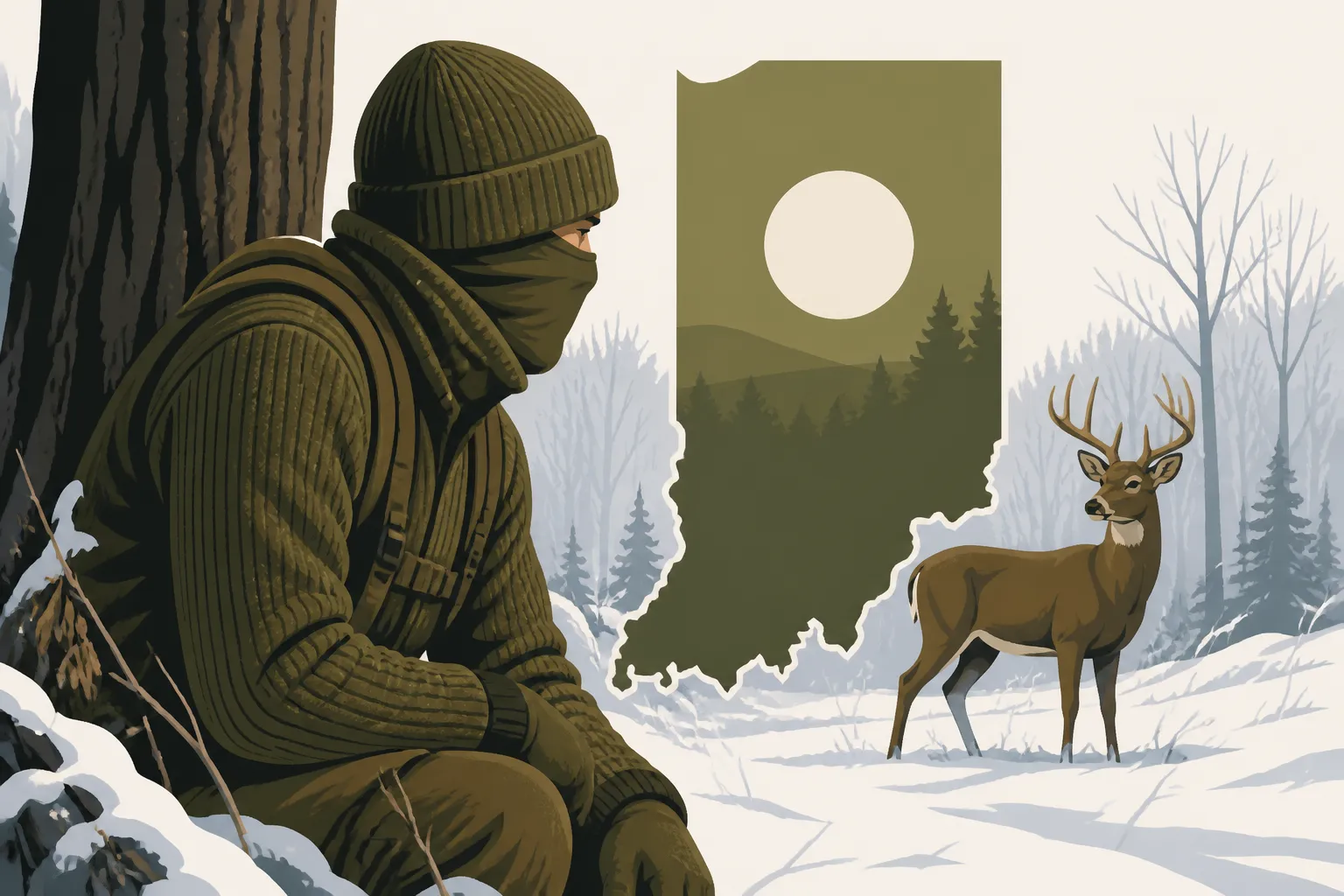
If you've spent any time in an Indiana deer stand during the late season, or even a brisk October bow hunt, you know the struggle: staying truly warm and dry when the weather can't make up its mind, all while trying to move silently. It’s frustrating when your expensive gear lets you down, leaving you shivering or sounding like a walking crinkle bag. This guide is all about revisiting an old friend – wool – and why it's still a top-tier choice for enduring Indiana's wet snow and maintaining that critical quiet movement in the woods.
Why Wool Stands Out for Indiana's Challenging Weather
Indiana weather is a beast of its own, isn't it? One day it's a crisp, dry autumn morning, and the next you're facing a nasty mix of freezing rain turning to wet snow, or a damp, bone-chilling mist that seems to seep into your very soul. Synthetics are great, no doubt, but wool has some inherent advantages that make it shine when conditions get truly nasty, and when silence is paramount.
The Magic of Wool in Damp Conditions
One of the biggest frustrations with many hunting garments is how quickly they lose their insulating properties once they get wet. Think about it: you're walking in, breaking a sweat, then sitting for hours while that sweat cools and the outside moisture penetrates. Suddenly, you're not just cold, you're miserably cold. Wool, especially Merino wool, handles this situation far better than most alternatives. Its fibers actually retain a significant amount of their insulating power even when damp or outright wet. This isn't just a marketing claim; it's a physiological advantage that can literally make the difference between an uncomfortable sit and one where you can actually focus on the hunt.
Imagine you're deep in the Hoosier National Forest on a late November morning. The forecast called for light snow, but a warm front unexpectedly pushes through, turning the flakes into a heavy, wet sleet. Your outer layers eventually soak through, and you start to feel that telltale chill. If your base and mid-layers are wool, that deep, penetrating cold often takes much longer to set in, and you’ll find yourself retaining more body heat. This is a game-changer when you're Hunting the Late-Season January Lull or enduring a sudden change during Indiana's Firearms Deer Season.
Unmatched Quietness in the Woods
Another common gripe for hunters, particularly archers, is noisy clothing. We've all been there: drawing a bowstring, turning our head, or simply shifting in the stand, and hearing that tell-tale rustle or crinkle that instantly gives away our presence. It feels like every twig snap is magnified, and your clothing just adds to the symphony of sound that sends deer bounding away. This is where wool truly excels. Its natural fibers are incredibly quiet. There's no synthetic sheen to rub together, no stiff membranes to crinkle.
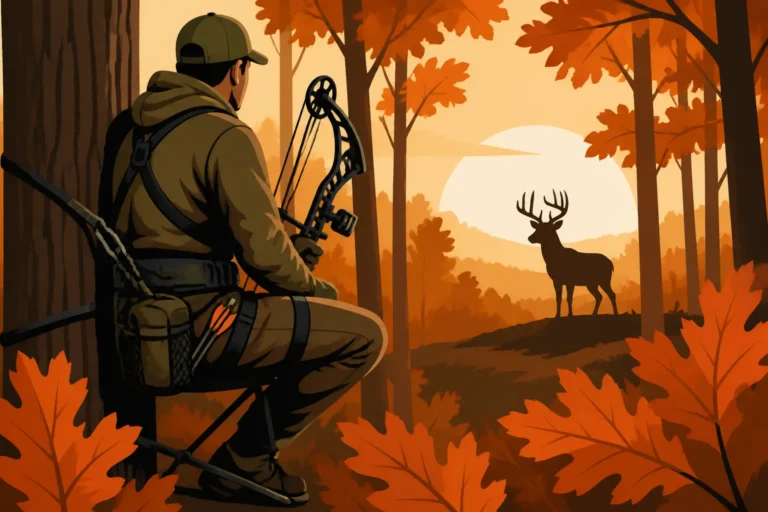
When you're still-hunting southern Indiana ridges, creeping through dense underbrush, or making a slow draw on a wary buck, silence is golden. Wool allows for fluid, silent movement, minimizing auditory disturbances that can spook game. This is particularly crucial during Bowhunting Indiana's Long Archery Season when shots are often close-range and deer are incredibly sensitive to sound. Blending into the natural sounds of the forest, or rather, not adding to them, is a huge advantage that wool provides.
Selecting the Right Wool for Indiana Hunting
Not all wool is created equal, and understanding the differences can help you make smart choices for your Indiana hunting wardrobe. From fine Merino to rugged traditional wools and modern blends, each has its place.
Merino Wool: The Hunter's Modern Miracle
Merino wool has become the darling of the hunting world, and for good reason. It’s derived from Merino sheep, known for their incredibly fine, soft wool fibers. This fineness translates into several key benefits for hunters. First, it's remarkably soft against the skin, eliminating the scratchiness often associated with traditional wool. This means you can comfortably wear it as a next-to-skin base layer without complaint. Second, its natural crimp creates tiny air pockets that trap heat, providing excellent insulation for its weight.
The true marvel of Merino for Indiana hunters is its breathability and moisture-wicking properties. It pulls sweat away from your skin, moving it to the outer surface of the fabric where it can evaporate. Even more impressive, it can absorb a significant amount of moisture without feeling damp to the touch, and as we discussed, it retains warmth even when wet. This is invaluable when you're packing into a stand on a chilly morning, building up a sweat, then sitting for hours. Companies like First Lite and Sitka Gear have popularized Merino for its performance qualities. When researching specific garments, a quick search on GoHunt for Merino base layers often brings up detailed reviews and comparisons, helping you sift through options like different weights and weaves for various temperatures.
Traditional Wool and Blends: Durable and Dependable
While Merino takes the spotlight for base layers, don't discount traditional wool for outer or mid-layers, especially for its durability and weather resistance. Thicker, denser wool fabrics offer incredible protection from wind and light precipitation. Think of those classic wool coats or pants; they might not be as lightweight as modern synthetics, but they can stand up to serious abuse and provide warmth in spades.
Modern wool blends often combine wool with synthetic fibers like nylon or polyester. This can create a garment that offers the best of both worlds: the warmth and quietness of wool, with enhanced durability, faster drying times, and sometimes a more structured fit from the synthetics. For instance, a wool-blend pant might offer better abrasion resistance for busting through briars while still maintaining wool's natural quietness. When considering a mid-layer for warmth under your shell, a robust wool or wool-blend fleece can be incredibly effective, especially when you need to prevent that dreaded "rustle" when adjusting your position in a treestand. Many hunters still swear by a traditional wool vest or anorak as a quiet, insulating outer layer for archery season. You can often find guides on GoHunt comparing various blends and their suitability for different hunting applications.
Integrating Wool into Your Layering System
Effective hunting clothing is all about layering, and wool can play a crucial role in every layer of your system, from base to outer, maximizing warmth, dryness, and silence.
Base Layers: Next-to-Skin Comfort and Management
Your base layer is arguably the most important part of your system because it's directly against your skin, managing moisture and setting the foundation for your warmth. This is where Merino wool truly shines. For Indiana's varied conditions, having a couple of different weight Merino base layers is a smart move. A lightweight (150-200 g/m²) top and bottom are perfect for early season hunts or when you know you'll be exerting a lot of energy, like Still-Hunting Southern Indiana Ridges in October. They wick sweat efficiently and provide a surprising amount of warmth for their weight.
For colder late-season sits, a mid-weight (250-300 g/m²) Merino base layer will provide significantly more insulation. Remember, the goal is to stay warm without overheating and sweating profusely on the walk in. If you start sweating, your base layer needs to move that moisture away from your body. Merino's ability to keep you warm even when damp means that if you do sweat a little, you won't immediately feel a chilling effect when you sit still. You'll find that wearing wool as your first layer helps eliminate scent-causing bacteria, a natural property of the fiber that keeps you fresher over multi-day hunts compared to many synthetics.
Mid-Layers: Essential Insulation Without Bulk
Mid-layers are your primary source of insulation, worn over your base layer and under your outer shell. Wool, again, offers excellent options here. A heavyweight Merino fleece or a blend with wool content can provide substantial warmth without being overly bulky, allowing for ease of movement. Unlike some synthetic fleeces that can feel slick or slightly noisy, wool mid-layers tend to be much quieter.
Consider a 300-400 weight Merino jacket or a traditional wool sweater for this layer. If you're going to be Hunting a Deer Reduction Zone in deep winter, where long sits are common, you might even double up on mid-layers, perhaps a lightweight Merino top under a heavier wool fleece. The key is to add and subtract layers as your activity level changes or as the temperature fluctuates. This ability to regulate your core temperature, preventing both overheating and chilling, is paramount in Clothing for an Indiana Late Season.
Outer Layers: Protection from the Elements
While many modern outer shells are synthetic for maximum waterproofing and windproofing, a wool outer layer can be an excellent choice for quiet hunts in dry, cold conditions, or when light precipitation is expected. A dense, tightly woven traditional wool jacket or anorak offers surprising wind resistance and can shed light snow or drizzle effectively. Some hunters even prefer a treated wool outer layer for its inherent quietness and natural camouflage pattern disruption.
For example, on a frosty December morning during Muzzleloader Deer Hunting in Indiana, when silence is critical but heavy rain isn't expected, a quality wool coat can be quieter than a waterproof synthetic shell. It provides warmth and lets you move without giving away your position. However, for torrential downpours or sustained wet conditions, you'll still want a dedicated waterproof shell, which you can layer over your wool insulation. It's about balancing the quietness of wool with the absolute protection of technical synthetics for specific scenarios.
Care and Maintenance of Your Wool Gear
Wool is incredibly durable, but it does require a bit of care to ensure it performs season after season. Taking the time to properly maintain your wool garments will extend their life and keep them working their magic in the field.
Washing and Drying Best Practices
One of the beauties of Merino wool is its natural odor resistance, meaning you often don't need to wash it after every hunt. This is a huge benefit for multi-day trips or when you simply don't have access to laundry facilities. When it does come time to wash, treat your wool garments with care. Always check the care tag, but generally, machine washing on a gentle cycle with cold water and a wool-specific detergent is best. Avoid harsh detergents or fabric softeners, as these can damage the fibers.
When it comes to drying, absolutely avoid high heat. The dryer is the enemy of wool, as heat can cause shrinkage and damage the delicate fibers. Lay your wool garments flat to air dry, or hang them on a padded hanger. This might take a little longer than synthetic items, but it's crucial for maintaining the garment's shape, size, and performance. This gentle care ensures that your favorite wool hunting shirt, the one you rely on for silent stalks, will be ready for your next adventure. Many resources, including outdoor blogs and even GoHunt product descriptions, offer detailed washing instructions for specific wool items.
Storage and Longevity Tips
Proper storage is key to the longevity of your wool hunting clothes. Before storing them for the off-season, make sure they are thoroughly clean and dry. Any lingering scent or moisture can attract pests like moths, which love to feast on natural fibers. Store your wool in airtight containers, garment bags, or cedar chests to protect them from insects. Cedar is a natural repellent, and airtight containers prevent pests from getting in.
Regularly inspecting your wool garments for any small holes or signs of wear is also a good practice. Small holes can often be mended, preventing them from growing larger. By taking these simple steps, your wool base layers, mid-layers, and even outer garments can provide you with years of quiet, warm, and dry hunting experiences. Investing in quality wool is an investment in your comfort and success in the unpredictable Indiana woods, helping you stay comfortable even when Hunting Deer After a January Cold Front.
| Wool Type / Blend | Key Benefit for Indiana Hunting | Best Use Case | Pros | Cons |
|---|---|---|---|---|
| Lightweight Merino | Moisture & Scent Management | Base layer, early to mid-season | Soft, breathable, dries quickly, odor-resist. | Less durable than blends, can be pricey |
| Mid/Heavyweight Merino | Warmth When Wet, Quiet | Base/Mid layer, mid to late-season | Excellent insulation, quiet, still wicks | Heavier, slower drying than light Merino |
| Traditional Wool | Durability, Weather Resistance | Outer/Mid layer, cold & dry conditions | Very durable, naturally quiet, wind-resist. | Can be bulky, scratchy (if not fine), heavy |
| Wool-Synthetic Blend | Balanced Performance | Mid/Outer layer, varied conditions | Combines wool's benefits with synthetic strength | Varies greatly by blend, can be noisier than pure wool |
Disclaimer
This article is for general informational purposes only and does not constitute professional advice. Laws, prices and regulations vary by location and change over time. Consult a qualified professional for guidance on your specific situation.