Deer Drives With Three or Four Hunters
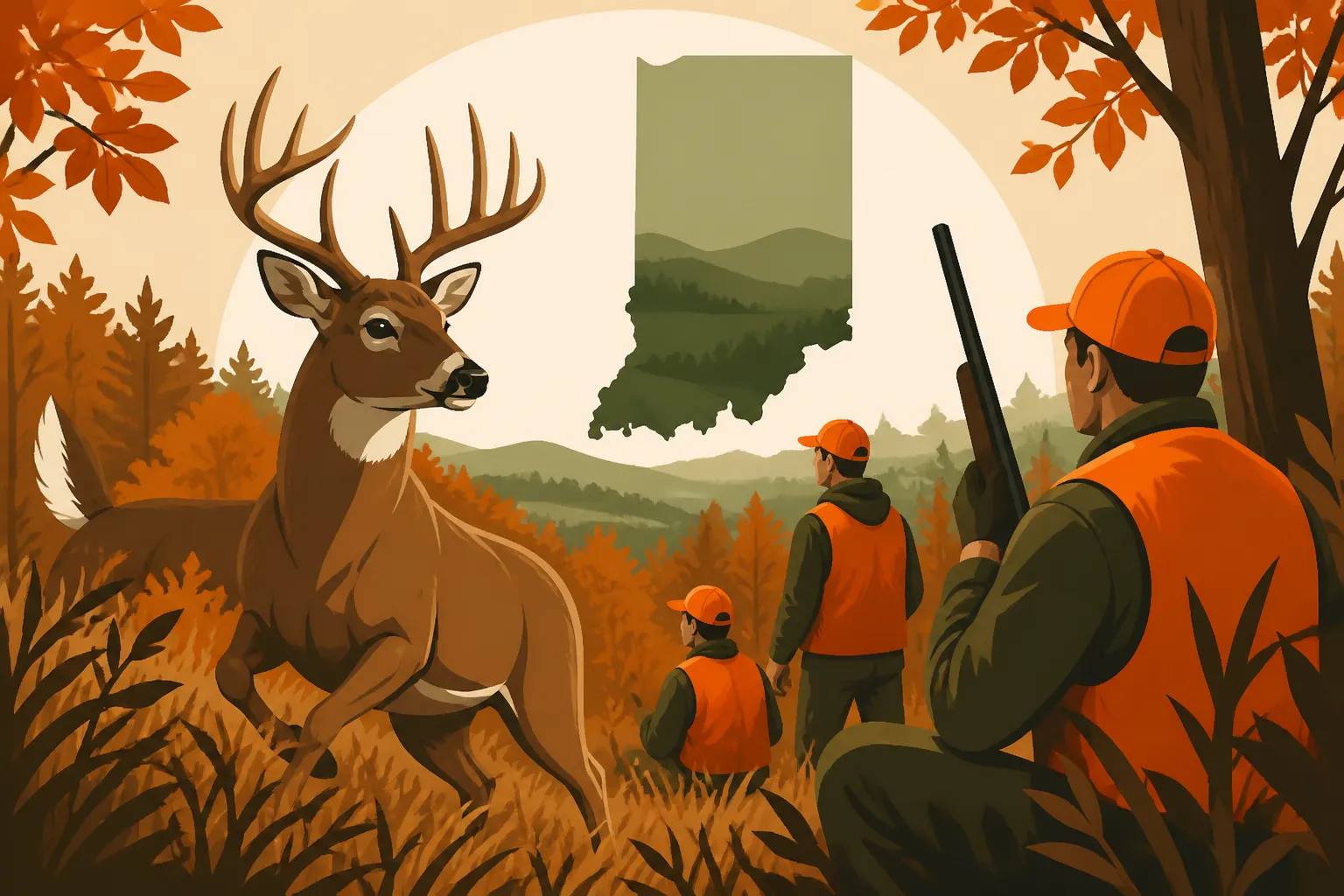
Trying to move deer in Indiana's diverse landscapes, from the thick southern hills to the sprawling northern farmlands, can feel like an impossible task when you're just one or two hunters. The woods often feel too vast, the deer too elusive, and the odds stacked against you. But for small groups of three or four hunters, a well-planned and executed deer drive can be an incredibly effective way to put venison in the freezer, especially when those late-season whitetails are hunkered down. This guide will walk you through how to coordinate a successful small-group drive, focusing on safety, strategy, and teamwork.
Strategic Planning for Small Group Deer Drives
Success in deer driving, even with a small crew, hinges almost entirely on meticulous planning long before you ever step foot in the woods with your firearms. You can't just show up and wing it; that's a recipe for frustration and, worse, unsafe situations. Thinking through every detail, from the terrain to each hunter's role, is what transforms a random walk in the woods into a calculated hunting tactic.
Scouting the Terrain and Deer Movement
Before you even consider which direction to push, you need a deep understanding of the area you intend to hunt. This means serious scouting, ideally well before opening day. Look for natural funnels like saddles between ridges, creek bottoms that pinch down, or thickets that serve as bedding areas. These are the places deer naturally want to use when pressured. Consider what kind of cover deer will use when disturbed – is it a dense cedar thicket, a stand of regenerating timber, or perhaps a CRP field bordering a woodlot?
Think about how deer typically move through this specific area. Do they follow old logging roads, contour lines on a ridge, or skirt the edges of agricultural fields? Tools like GoHunt can be invaluable here. Before you even step foot in the timber, utilizing a robust mapping tool like GoHunt can make all the difference, allowing you to identify subtle terrain features, potential bedding areas, and likely escape routes without leaving your couch. For public land, mapping is even more critical. You might find it helpful to review resources like Scouting Indiana Public Land Before Season to get a head start. Understanding these patterns allows you to anticipate where deer will go once the drive begins, which is critical for stander placement.
Identifying Standers and Drivers
With only three or four people, assigning roles effectively is paramount. Typically, you'll want one or two drivers and two or three standers. The drivers are the ones who will actively move through the cover, pushing deer toward the waiting standers. Drivers need to be patient, observant, and capable of navigating the terrain quietly but deliberately. They're not just making noise; they're strategically walking to influence deer movement.
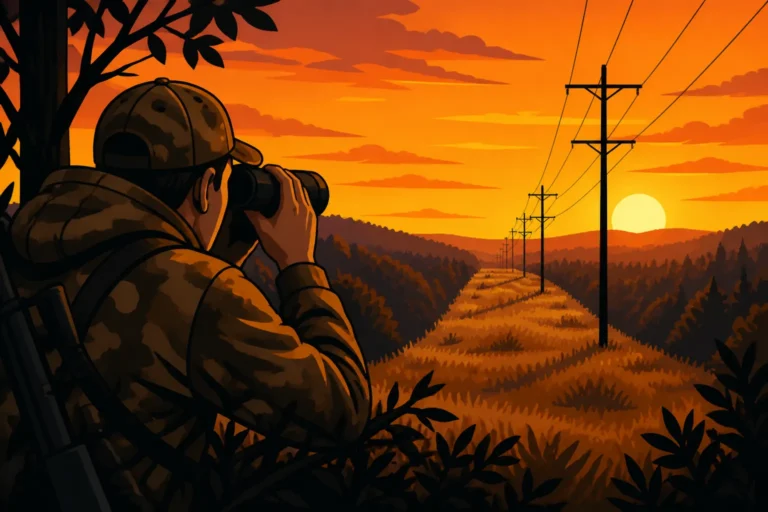
The standers, on the other hand, are stationary. Their job is to position themselves in locations where deer are likely to pass and be ready for a shot. Stander positions should offer clear shooting lanes while maintaining a safe background. It's often best for the most experienced or patient hunters to be standers, especially if they are comfortable waiting silently for extended periods. Discuss everyone's comfort levels, mobility, and experience with different roles. Some areas might lend themselves better to one driver and three standers, while a smaller, denser block of woods might work better with two drivers and two standers.
Establishing Boundaries and Escape Routes
Every successful drive has clearly defined boundaries. Before anyone moves, mark out on a map (or GoHunt!) the exact perimeter of the area being driven. This includes the starting line for the drivers, the general path they will take, and the specific positions where the standers will be waiting. Equally important is identifying the deer's likely escape routes within those boundaries. Are there thick draws, overgrown fencelines, or pockets of dense cover that deer will naturally try to skirt around?
The standers should be placed to intercept deer moving along these escape routes. Sometimes, the most effective stander position isn't directly in front of the drive, but slightly off to the side, covering a funnel that deer will use to avoid the main push. For example, if you're pushing a small woodlot bordering a cornfield, standers might be best positioned along the field edge, watching for deer trying to slip out unseen. For more detailed insights on how terrain influences deer, consider checking out Reading Aerial Photos for Southern Indiana Deer. Knowing exactly where everyone is and where deer are expected to move reduces confusion and drastically increases safety and success rates.
Executing the Small Group Drive Effectively
Once the planning is done and everyone understands their role, it's time to put that strategy into action. A deer drive isn't just about making noise; it's about a controlled, coordinated effort that subtly nudges deer into predictable patterns, allowing standers to get a clean shot. Every movement, every step, and every call serves a purpose.
Setting Up Standers Effectively
The standers are the linchpin of the drive. Their positions must be chosen with extreme care. They should be placed downwind or crosswind from the anticipated deer movement, as a deer's nose is its primary defense. Natural funnels, like a narrow strip of timber between two fields or a low saddle on a ridge, are prime locations. Standers should arrive at their spots quietly and well before the drive begins, allowing time for the woods to settle down after their entry.
It's critical for standers to be concealed. This might mean using an existing tree for cover, setting up a portable ground blind, or utilizing a treestand. Consider the options detailed in Treestand Setups in Hoosier National Forest or even Using a Ground Blind on Indiana Public Land depending on the specific cover available. For a ground blind, ensure it's brushed in well, especially if it’s an area deer frequently travel. Standers need a clear line of sight and shooting lanes in the direction the deer are expected to come from, but also a safe, solid backstop for any shot. A stander's patience is tested here; remaining absolutely still and quiet, resisting the urge to check your phone or fidget, can make all the difference when a wary buck slips through.
The Art of Driving Deer
The drivers' role is often misunderstood. It’s not about crashing through the woods like a stampede. Instead, drivers should move steadily and deliberately, creating just enough pressure to make deer uncomfortable and encourage them to move. Imagine a slow, systematic sweep rather than a chaotic rush. The drivers should stay relatively in line, maintaining communication (more on that below), and focusing on the areas where deer are likely to be bedded.
If there are two drivers, they might walk parallel to each other, 50-100 yards apart, depending on the density of the cover. One common tactic for Deer Drives on Indiana Public Land is for drivers to walk the edges of thick cover, occasionally dipping into it, or zig-zagging to cover more ground. They should pause occasionally, listening for the tell-tale snort, stomp, or rustle of a deer getting up and moving. If a deer slips out the side, the driver can sometimes subtly adjust their angle to bring it back towards the standers, but never at the expense of safety or blowing the entire drive. The key is consistent, controlled pressure that gives deer a reason to move, but not so much that they panic and bust out in an unpredictable direction.
Communication is Key
Effective communication between drivers and standers is non-negotiable for both success and, most importantly, safety. With a small group, this is easier to manage than with a large party. Walkie-talkies are an excellent investment, allowing for real-time updates without shouting and spooking game unnecessarily. Establish clear codes and phrases beforehand: "Moving," "Deer out left," "Hold position," "All clear."
Before the drive starts, confirm everyone knows their exact position and the planned path of the drivers. Standers should know when the drive is expected to begin and end, and drivers should know exactly where the standers are located. This information is vital for determining safe shooting lanes. If a driver spots a deer moving out of the driven area in an unexpected direction, they can alert the standers. Likewise, standers can confirm when they see deer approaching or if a deer has slipped past the intended kill zone. Clear communication ensures everyone is on the same page, preventing accidents and maximizing shot opportunities, especially crucial during the often-crowded Opening Weekend Tactics for Firearms Season.
Prioritizing Safety in Deer Drives
Hunting is inherently an activity that requires a high degree of responsibility, and deer drives amplify that need. When you have multiple people moving and stationary in the woods with loaded firearms, safety must be the absolute top priority. There are no shortcuts or compromises when it comes to ensuring everyone goes home safe at the end of the day.
Blaze Orange and Safe Shooting Lanes
In Indiana, during firearm seasons, it's mandatory for hunters to wear hunter orange. This is not just a suggestion; it's a critical safety measure, and for a deer drive, it's absolutely essential. Each hunter, whether driver or stander, must wear at least one article of outer clothing in solid hunter orange, such as a vest, jacket, coat, or cap. The more, the better. This is covered in detail in the Indiana Blaze Orange Requirements guide. When moving through cover, especially during the darker hours of dawn or dusk, that bright orange makes you visible to your fellow hunters.
Equally important are safe shooting lanes. Standers must establish these mentally as they get into position. Never swing your firearm outside of a predetermined, safe arc. Always know where your fellow hunters are, even if they aren't visible. This means understanding the boundaries of the drive and everyone's assigned positions. If you're a stander, you should only take a shot if the deer is moving into a safe zone, clear of any other hunter, and with a solid backstop behind it. If there's any doubt about where another hunter is or if the shot isn't absolutely safe, do not take it. It’s always better to let a deer walk than risk an accident.
Knowing Your Backstop and Target
This is a fundamental rule of firearm safety, but it bears repeating with emphasis for deer drives. Every shot you take must have a safe and sufficient backstop. You need to know what's behind your target before you pull the trigger. Is it a rise in the terrain? A thick stand of trees? Or could your bullet travel unimpeded into another field, road, or, worse, toward another hunter? This is especially pertinent when hunting in areas with varied topography or near agricultural lands.
Furthermore, be 100% certain of your target. In the excitement of a drive, deer can be moving quickly, and it's easy to mistake movement or a flash of brown for a deer. Take that extra second to positively identify your target as a deer and, if you're hunting antlered deer, to identify its antlers before taking the shot. Don't shoot at sounds or movement. This vigilance is paramount, particularly when drivers are pushing through thick cover and standers might only get fleeting glimpses of game. Reviewing how to zero your rifle, as discussed in Sighting In a a Centerfire Rifle for Indiana Woods, also helps ensure your shots go precisely where intended.
Emergency Preparedness
Even with the best planning and safety precautions, accidents can happen. Being prepared for an emergency is a non-negotiable part of any hunting trip, and even more so for a deer drive. Each member of the hunting party should carry a basic first-aid kit, a fully charged cell phone (though service can be spotty in some parts of Indiana's public lands), and a compass or GPS device. GoHunt’s mapping features can also be used offline, providing crucial navigation aid if you get disoriented.
Before the drive begins, designate a rendezvous point in case of separation or emergency. Ensure at least one person knows how to administer basic first aid for common hunting injuries like cuts, sprains, or even gunshot wounds. It's also wise to inform someone outside the hunting party of your general location and expected return time. In remote areas of the Hoosier National Forest, for example, help might be hours away. Having a plan for communication, first aid, and extraction can make a critical difference in an emergency.
Post-Drive Strategy and Learning
So, the drive is over. Maybe you connected with a deer, maybe you didn't. Either way, the work isn't done. The period immediately following a drive is crucial for ensuring any wounded game is recovered, but also for analyzing what worked and what didn't. This reflective process is how you refine your tactics and improve for future hunts.
Patient Waiting and Follow-Up
If a shot was taken, the immediate aftermath requires patience. Unless you saw the deer drop right there, resist the urge to immediately rush in. Deer, even fatally hit ones, often run a short distance before bedding down. Giving them 15-30 minutes, or even longer for a marginal hit, can allow them to expire quietly, making tracking and recovery much easier. During this waiting period, standers should stay in their positions and drivers should hold their ground, maintaining quiet until the signal is given for everyone to move.
Once the signal is given, the search begins. The shooter should mark the exact spot where the deer was standing when shot, as well as the point of impact. Then, everyone should spread out and slowly search for blood, hair, or other signs of a hit. If a deer was seen running off, pay close attention to its last known direction. This systematic approach is far more effective than a disorganized, frantic search.
Tracking Wounded Game
Tracking wounded game, especially a deer that has run a good distance, requires persistence and keen observation. If there's good snow on the ground, following tracks can be relatively straightforward, as detailed in Tracking a Deer in Fresh Indiana Snow. However, often you're looking for subtle signs like small drops of blood, disturbed leaves, or broken twigs. Move slowly, taking your time, and marking the last known sign with flagging tape or a piece of toilet paper so you don't lose the trail. If you lose the trail, spread out and search in ever-widening circles from the last confirmed sign.
If you hit a deer late in the day and daylight is fading, it's often better to back out and return at first light, especially if the weather is cool. Pushing a wounded deer in the dark makes recovery much harder. Note the exact location where you last saw sign and come back with fresh eyes in the morning. Even if it's a long haul, getting a deer out of a tricky spot, such as recovering a deer from a river bottom, requires dedication and the right gear.
Analyzing and Learning
Whether you filled a tag or not, every deer drive is a learning experience. After the drive, gather your group and discuss what happened. Where did the deer go? Did they follow the anticipated escape routes, or did they bust out in an unexpected direction? Were the standers positioned effectively? Were the drivers too fast, too slow, or did they miss key bedding areas?
Review your GoHunt maps. Did your predicted deer movement match reality? What could you do differently next time? Perhaps a stander needed to be further down a ridge, or a driver needed to push a different patch of cover. This debriefing is crucial for refining your tactics, understanding deer behavior in that specific area better, and making your next drive even more effective. It’s also a great time to share stories, enjoy the camaraderie, and appreciate the effort put in by everyone, reinforcing the bonds of friendship that often make hunting with a small group so rewarding.
| Role | Primary Responsibility | Key Gear | Movement/Positioning |
|---|---|---|---|
| Stander | Intercept deer, clear shot, safety foremost | Firearm/Bow, Blaze Orange, Binoculars, Rangefinder, Radio | Stationary, concealed (treestand/blind), downwind/crosswind, clear lanes |
| Driver | Push deer, create pressure, maintain line | Firearm/Bow (optional), Blaze Orange, Radio, Compass/GPS | Slow, deliberate, systematic sweep, listen for deer |
Disclaimer
Hunting is a demanding activity that carries inherent risks. The information provided in this guide is for informational purposes only and should not be considered a substitute for professional hunter education or local regulations. Always prioritize safety, follow all applicable hunting laws and regulations, and respect private property. It is your responsibility to be knowledgeable about firearm safety, first aid, and local hunting seasons and bag limits before heading into the field.