Hunting Into the Muzzleloader Close in December
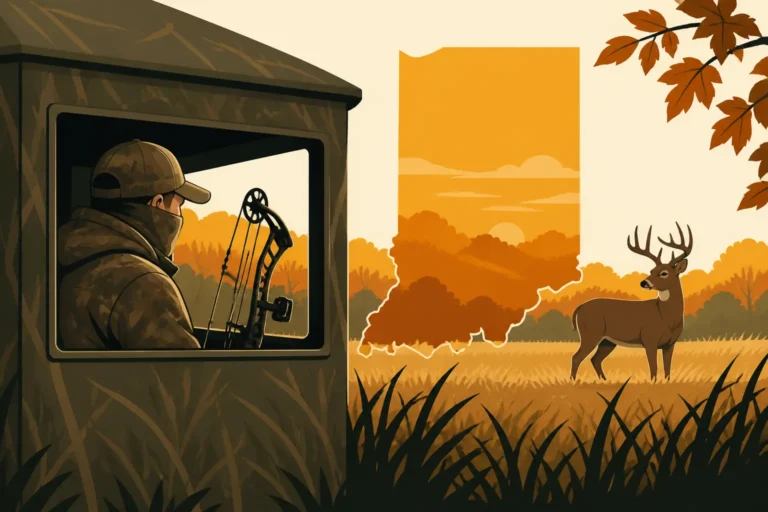
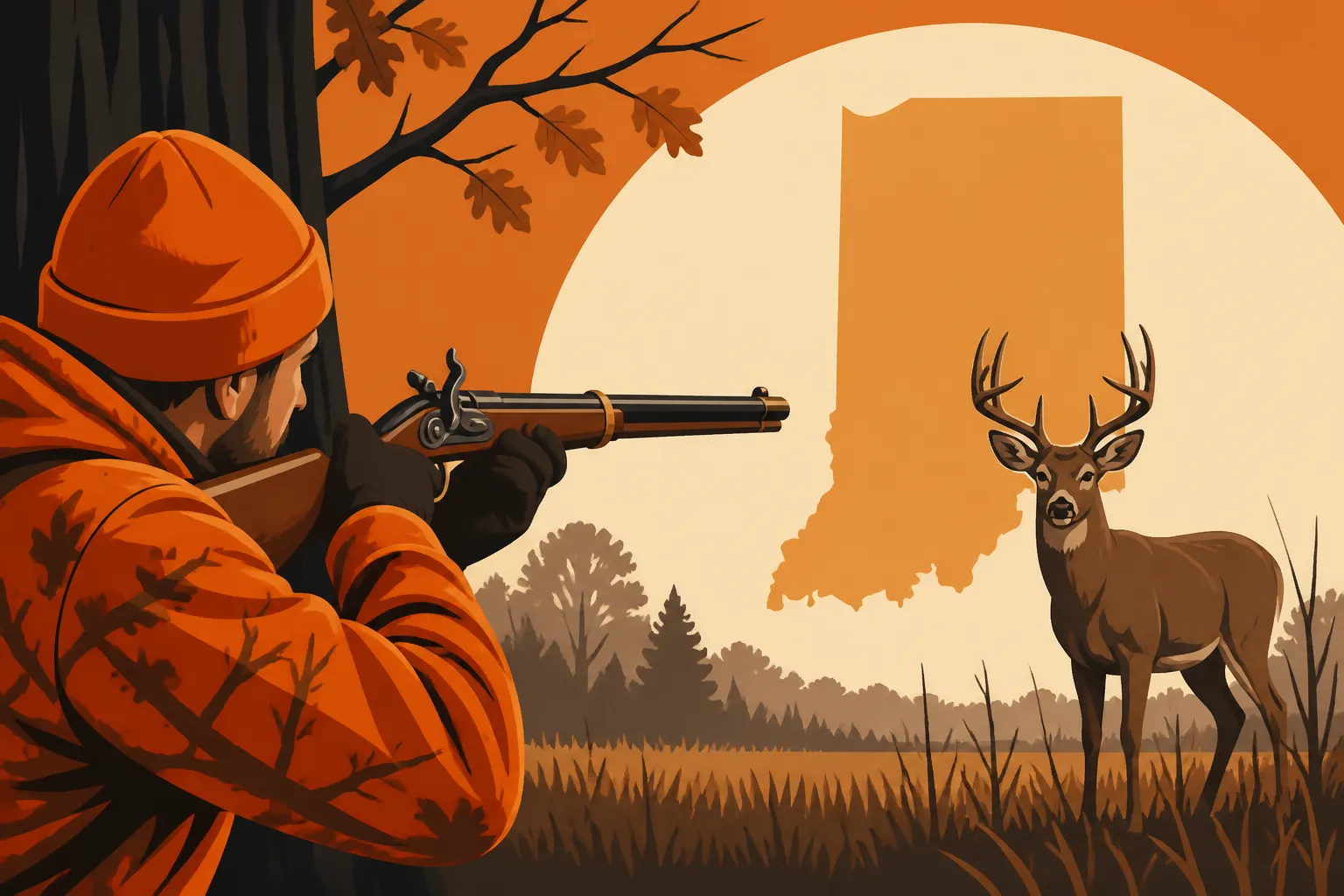
December in Indiana can be a real grind for deer hunters. The woods are often quiet, the weather turns nasty, and those big bucks that were so visible during the rut seem to have vanished into thin air. Many hunters pack it in, but for those who tough it out, the late muzzleloader season offers a fantastic, often overlooked, opportunity to fill a tag. This guide dives deep into the specific challenges and unique advantages of hunting into Indiana's muzzleloader close, equipping you with the strategies and insights needed to extend your season successfully.
Understanding the Late-Season Deer Mindset
By the time December rolls around, the deer in Indiana are different animals. They've been pressured for months by bowhunters, gun hunters, and potentially muzzleloader hunters if you're not focusing on the very end of the season. Their priorities have shifted dramatically from the frenetic energy of the rut, and understanding this is the first step to late-season success.
The Post-Rut Reality and Recovery
The intense activity of the November rut takes a tremendous toll on bucks, both physically and mentally. They've been running, fighting, and breeding, often neglecting food for days on end. Many bucks lose significant body weight during this period, and come December, their primary focus shifts entirely to recovery. They need to find readily available food sources to replenish their fat reserves and regain strength before the brutal heart of winter sets in. Does are also feeling the pressure, trying to keep their fawns safe while also seeking calories to sustain themselves through gestation. It's a time of hunkering down and survival, not chasing.
Prioritizing Food and Thermal Cover
In early December, deer are absolutely obsessed with two things: food and thermal cover. As temperatures drop and snow becomes a real possibility, finding reliable calorie sources becomes paramount. We're not talking about acorns here, unless it's a very unusual year; most of those are long gone. Instead, deer are seeking out persistent food sources that offer maximum energy with minimal effort. At the same time, they need places to escape the harsh winds and biting cold. Thick stands of evergreens, dense brush, deep creek bottoms, and south-facing slopes that catch the sun provide crucial thermal protection. Understanding this dual need is key to pinpointing their whereabouts, especially as the season winds down into the final days of muzzleloader season.
Increased Pressure and Wary Whitetails
By this point in the season, deer have encountered a lot of human disturbance. They've heard gunshots, seen hunters, and probably had close calls. This means they are incredibly wary and prone to becoming largely nocturnal, especially in areas with moderate to heavy hunting pressure like many public lands in Indiana. You can't just walk into a woodlot and expect to see deer browsing in the middle of the day. They've learned to move under the cover of darkness or in the thickest, most impenetrable cover they can find. This requires hunters to be extra stealthy, patient, and strategic in their approach. You need to think about how to get to your stand undetected and how to stay comfortable and still for longer periods.
Key Tactics for December Muzzleloader Hunting
Successfully Hunting Into the Muzzleloader Close in December demands a shift in tactics from earlier seasons. You're no longer relying on the rut to bring deer to you; now, you need to be where they are, when they're most likely to move.
Focusing on Late-Season Food Sources
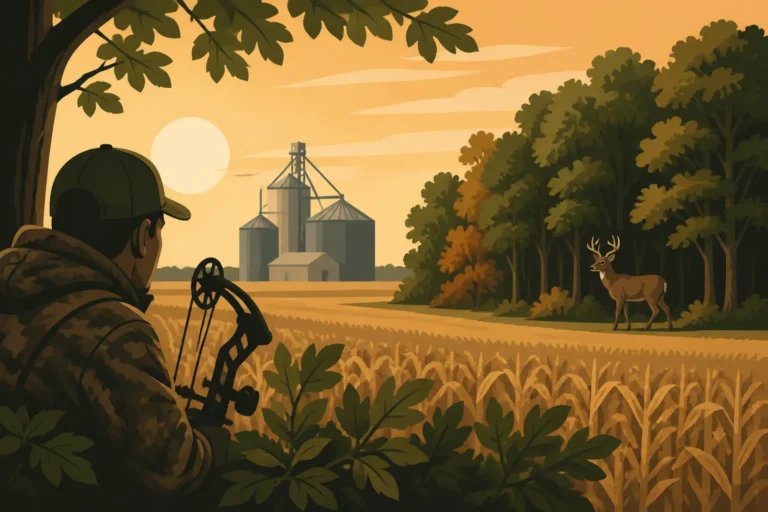
When the calendar flips to December, you need to change your focus from traditional timber hunting to areas with reliable late-season food. Think about food plots still holding green forage, like brassicas, standing soybeans, or cornfields that haven't been fully harvested. These high-energy food sources are magnets for deer trying to recover from the rut and build up winter reserves. Even if a cornfield looks picked over, deer will still sift through the stubble for dropped ears. For hunters on public land, identifying these specific food types can be a challenge, but creek bottoms and sheltered valleys sometimes offer persistent browse. A good hunting app like GoHunt can be incredibly helpful for identifying agricultural fields and potential food sources adjacent to public timber, helping you visualize these key areas before you even step foot in the woods. This is especially true for Late-Season Food Sources for Indiana Whitetails.
Consider areas where farmers have left standing corn or soybean plots specifically for wildlife; these are goldmines. On public ground, look for sheltered areas with persistent green browse, like honeysuckle or privet, which remain palatable even after hard frosts. Don't overlook browse lines along creek bottoms or in areas of young timber regeneration. Deer will work these areas hard, often in predictable patterns between their bedding and feeding sites.
Hunting Thick Thermal Cover and Bedding Areas
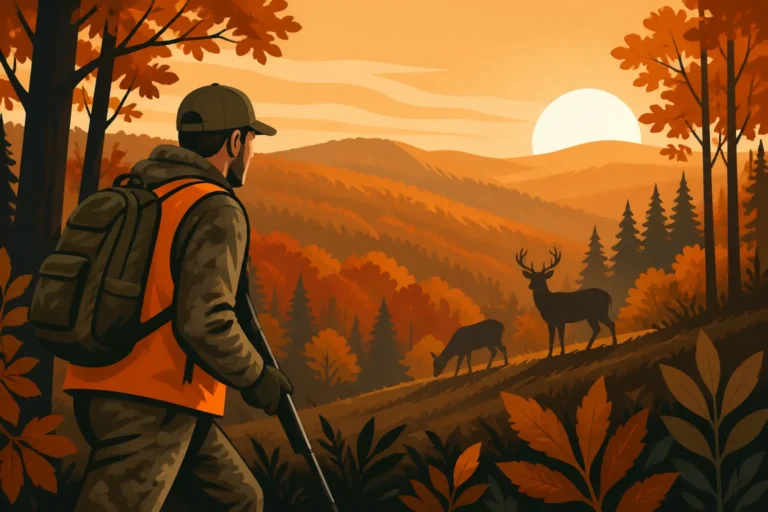
Just as important as food, if not more so, is thermal cover. Deer need dense, warm places to bed down, especially when the wind is biting and temperatures plummet. Think cedar thickets, pine plantations, thick brush along a river bottom, or even steep, south-facing slopes that offer protection from north winds and soak up what little sun is available. These areas might seem impenetrable, but deer know exactly how to navigate them. Your goal is to position yourself on the travel corridors leading to and from these bedding areas, or, if conditions allow, to set up just on the edge of the cover, keeping the wind in your favor.
Sometimes, deer will even bed down in unharvested standing crops if there's enough adjacent cover. The key is to avoid busting them out of these spots. A low-impact approach, slipping in slowly and quietly before first light, is critical. During brutal cold fronts or heavy snow, deer will often stay bedded longer into the day, only moving to feed during the warmest parts of the afternoon. This is where patience truly pays off, and being ready for Cold-Weather Sitting Strategy in Indiana is essential.
Adapting to Weather Patterns and Cold Fronts
December weather in Indiana is famously unpredictable. A warm, rainy day can quickly turn into a bitter cold front with snow. Deer react significantly to these changes. Ahead of a major cold front, deer often feed heavily, almost as if they know what's coming. These pre-front movements can offer excellent hunting opportunities. Conversely, immediately after a harsh cold front, deer might hunker down for a day or two, limiting their movements. However, once the initial shock wears off, the need for calories will drive them back to food sources, sometimes even in the middle of the day if the sun is out.
Snowfall can also be your friend. Fresh snow not only provides a quiet carpet for you to move on but also makes tracking deer much easier. You can identify fresh tracks leading to bedding or feeding areas, providing invaluable real-time scouting information. When hunting Deer After a January Cold Front, which shares many characteristics with late December hunting, pay close attention to high-pressure systems and clear skies, as these often coincide with renewed deer activity.
Patience and Low-Impact Approaches
The late muzzleloader season is not the time for aggressive rattling or blind calling. While you might still get a response from a stressed buck, it's far less likely than during the rut. Instead, focus on quiet observation and extreme patience. Get into your stand or blind well before first light, and be prepared to stay put until well after dark. Deer are often moving during the first and last hours of daylight, sometimes even into the middle of the day during inclement weather or extreme cold.
Minimizing your disturbance is paramount. Park your vehicle far from your hunting area and walk in quietly. Choose stand locations that offer good cover for your approach and departure. If you can use natural terrain features, like creek beds or ridge lines, to conceal your movement, even better. The less aware deer are of your presence, the more likely they are to move naturally within range. This low-impact approach is a cornerstone of successful Muzzleloader Deer Hunting in Indiana and will serve you well as you're refining your Indiana Muzzleloader Season Tactics.
Essential Gear for Cold Weather Success
Hunting in December means dealing with the elements, and being prepared with the right gear can make or break your hunt. You need to stay warm, dry, and efficient to endure those long, cold sits.
Layering for Extreme Cold and Staying Dry
Staying warm and dry is the ultimate challenge for late-season hunting in Indiana. The best strategy is a layered clothing system. Start with a moisture-wicking base layer (merino wool or synthetics are excellent) to pull sweat away from your skin. Add a mid-layer for insulation, like a fleece or down jacket, and top it off with a windproof and waterproof outer shell. Don't forget extremities: a warm hat, a face mask or neck gaiter, insulated gloves or mittens, and high-quality, waterproof, insulated boots are non-negotiable.
Consider bringing an extra set of gloves or socks in a waterproof bag, just in case. Chemical hand warmers and toe warmers can be lifesavers, providing a consistent source of heat for hours. A crucial, but often overlooked, piece of gear is a comfortable, insulated seat pad for your treestand or ground blind. This barrier between you and the cold metal or ground can significantly extend your sit time.
Muzzleloader Maintenance in Winter Conditions
Your muzzleloader is your tool, and it needs special attention in cold, wet conditions. Moisture is the enemy of black powder. Before you head out, ensure your powder and primers are kept absolutely dry. Many hunters use a small, waterproof container for pre-measured powder charges and keep their primers in sealed dispensers. If you're using a traditional percussion cap muzzleloader, consider applying a small amount of waterproof grease around the cap to seal it from moisture. For in-line muzzleloaders, ensure your primer cap is fully seated and sealed.
When choosing a Muzzleloader for December Cold, consider models designed for easier cleaning and weather resistance. After a hunt, especially in wet or snowy conditions, clean your muzzleloader thoroughly and immediately to prevent corrosion. For tips on Keeping Powder Dry in Wet Snow, remember that a small, sealable bag can be your best friend for pre-measured charges, and a tightly secured primer or cap can prevent a misfire in freezing rain.
Optics and Visibility in Low Light
December days are short, and much of the deer activity will occur during low-light conditions at dawn and dusk. High-quality optics are not a luxury; they are a necessity. A good pair of binoculars with excellent light-gathering capabilities (8×42 or 10×42 are popular choices) will help you pick out deer lurking in dense cover or at the edge of a field during those critical minutes.
Your rifle scope also needs to perform well in low light. A larger objective lens (e.g., 50mm) and high-quality glass will transmit more light, giving you a clearer sight picture. An illuminated reticle can be a huge advantage when aiming at a dark target against a dark background just before legal shooting light ends. Always keep your lenses clean and free of moisture. Consider using anti-fog treatments or lens covers to prevent your optics from clouding up in the cold, damp air.
Navigating Indiana's Muzzleloader Rules and Reporting
Understanding the specific regulations for Indiana's muzzleloader season is crucial for a lawful and successful hunt. The DNR has clear guidelines on season dates, bag limits, and how to report your harvest.
Season Dates and Bag Limits for Muzzleloaders
Indiana's muzzleloader season typically runs for a specific period in December, often overlapping with late archery season. It's vital to check the current year's Indiana Muzzleloader Season Dates directly from the Indiana Department of Natural Resources (DNR) website or their hunting guide. These dates can sometimes shift slightly, so always verify. Generally, you can harvest one antlered deer during the combined archery, firearms, and muzzleloader seasons, provided you haven't already filled that tag. You may also purchase additional antlerless deer tags, often referred to as bonus antlerless tags, for use during the muzzleloader season, depending on the county's specific regulations and any deer reduction zones. Make sure you understand the nuances of the Indiana Deer Season Structure Explained to avoid any misunderstandings.
It's important to remember that crossbows are generally legal during the entire archery season and the firearms season, but specific rules apply during the muzzleloader only portion. Typically, crossbows are allowed during muzzleloader season, making them a versatile option. Always consult the most current Indiana Hunting & Trapping Guide for the precise rules regarding legal equipment for your chosen season.
Reporting Your Harvest Accurately
Indiana requires hunters to register their deer quickly and accurately. This is a crucial step that helps the DNR manage the state's deer herd effectively. You must register your deer within 48 hours of harvest or before the deer leaves the state. The easiest way to do this is online through the Indiana DNR's CheckIN Game system or via the Go Outdoors Indiana mobile app.
When reporting, you'll need details like the date and time of harvest, the county where the deer was taken, whether it was antlered or antlerless, and the type of equipment used. Providing accurate information is essential. This data helps the DNR track harvest numbers, assess herd health, and make informed decisions about future hunting regulations. For detailed steps, refer to the Indiana Deer Reporting Requirements.
Special Considerations in CWD Zones
Chronic Wasting Disease (CWD) is a serious concern for deer populations, and Indiana has specific regulations in place for areas designated as CWD Positive Areas. Currently, a handful of counties in northeast Indiana are part of this zone, including LaGrange and Noble counties, with enhanced surveillance in others like Franklin and Rush. If you harvest a deer within one of these CWD Positive Areas, there are mandatory testing and carcass movement restrictions you must follow.
Deer harvested in a CWD-positive county often require mandatory CWD testing. You'll need to submit the head (with antlers attached if it's an antlered deer) to a designated CWD sampling station. Additionally, there are strict rules about transporting deer carcasses out of a CWD-positive county. Generally, only deboned meat, cleaned skull plates, antlers, and capes are allowed to leave the zone. For the most up-to-date information on affected counties, sampling station locations, and carcass movement restrictions, always check the Indiana DNR website or their comprehensive guide on Indiana's Chronic Wasting Disease Positive Area. Adhering to these rules is critical for public health and the long-term health of Indiana's deer herd.
Table: Late-Season Deer Food Source Guide
| Food Source Type | Description | Typical Location | Deer Preference (Late Season) | Durability in Cold/Snow |
|---|---|---|---|---|
| Standing Corn | Unharvested corn, deer eat fallen kernels and ears. | Agricultural fields, field edges | High | Excellent (if standing) |
| Standing Soybeans | Unharvested soybean pods and leaves, high protein. | Agricultural fields, food plots | High | Good (pods persist) |
| Brassicas (Turnips, Rape) | Cold-tolerant food plot crops, sweeten after a hard frost. | Food plots, sometimes private land | Very High | Excellent (especially bulbs) |
| Winter Wheat/Rye | Green forage in food plots, provide consistent grazing. | Food plots, pastures | Medium-High | Good (tolerates snow well) |
| Honeysuckle | Invasive but provides green browse year-round, even under snow. | Wooded areas, fencerows, creek bottoms | Medium-High | Excellent (evergreen) |
| Privet | Another invasive shrub, provides persistent green forage. | Wooded edges, disturbed areas | Medium | Excellent (evergreen) |
| Browse (Twigs, Buds) | Woody browse from young trees and shrubs; oak, maple, sumac. | Young timber cuts, regenerating areas | Medium (survival food) | Varies (always available) |
| Acorns (Residual) | Few left, but deer will still search for any overlooked nuts. | Oak groves, mature timber | Low (if any available) | Poor (most are gone) |
Disclaimer
The information provided in this guide is for general informational purposes only and does not constitute legal advice. Hunting regulations, season dates, and specific rules (including those related to CWD) are subject to change by the Indiana Department of Natural Resources (DNR). Always consult the most current Indiana Hunting & Trapping Guide and the official Indiana DNR website before engaging in any hunting activities. It is the hunter's responsibility to know and abide by all applicable laws and regulations.