Cold-Weather Sitting Strategy in Indiana
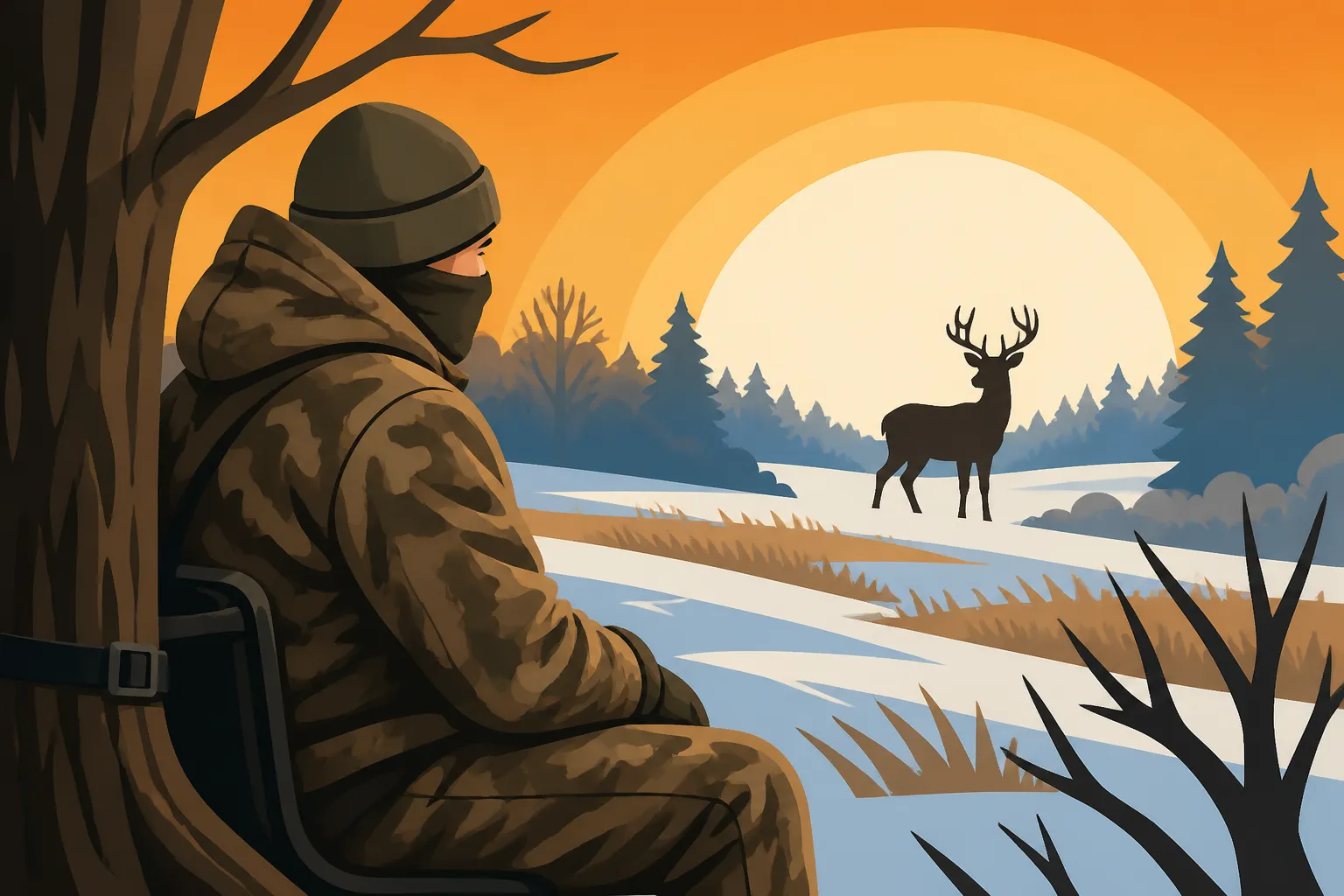
There’s nothing quite like the crisp air of a late-season Indiana deer hunt, but that magic can quickly turn miserable when you’re not prepared for the brutal cold. Many of us have shivered our way off a stand prematurely, feeling our toes go numb and our enthusiasm drain away, knowing full well we just missed out on prime deer movement because we couldn’t tough it out. This guide is all about equipping you with the strategies and gear knowledge you need to stay warm, comfortable, and effective in the tree or blind, even when Indiana’s winter truly bites.
Understanding Indiana's Winter Weather Challenges
Indiana winters, especially from December into January, are a whole different beast compared to those balmy October mornings. The air bites with an intensity that can quickly sap your body heat, and the addition of wind or moisture can turn a chilly day into a dangerous one. It's crucial to understand these conditions before you even think about stepping out the door.
The Reality of Hoosier Winter Temperatures
While the thermometer might say it's 20 degrees Fahrenheit, the real feel often tells a different story. Indiana is known for its fluctuating winter weather, where a mild day can suddenly plunge into single-digit temperatures overnight. These cold snaps, especially after a period of warmer weather, can really kick deer activity into high gear as they seek out much-needed food sources. But for us hunters, it means our preparation needs to be meticulous. You're not just dressing for the average winter day; you're preparing for the coldest hour of that day, potentially with a long sit planned. Ignoring the forecast or underestimating just how fast conditions can change is a recipe for an early, uncomfortable exit from your stand.
Wind Chill and Its Impact
Even if the temperature isn't brutally low, a stiff Indiana wind can make it feel exponentially colder. This is the dreaded wind chill, and it’s a silent thief of body heat. Imagine sitting exposed on a ridge in the Hoosier National Forest or in an open field in northern Indiana farmland; that wind is constantly stripping away the warm air trapped in your clothing layers. A 20-degree day with a 15 mph wind can feel like 5 degrees, and that's a dangerous drop. For hunters, this means not only considering your clothing but also your stand placement. Hunting a lee side ridge or a thick cedar break can provide crucial protection from the prevailing winds, making a significant difference in your ability to endure a long sit. You can often find areas with natural windbreaks by using tools like the Scouting With the Indiana DNR App or detailed aerial photos.
Managing Precipitation: Snow, Sleet, and Freezing Rain
Winter in Indiana often brings a mix of precipitation. A light snow can be beautiful and even beneficial for tracking, but heavy, wet snow, sleet, or freezing rain presents unique challenges. Moisture is the enemy of warmth. If your clothing gets wet, its insulating properties plummet, and you’ll start to get cold quickly, even in relatively mild temperatures. Quality waterproof outer layers are non-negotiable. Beyond keeping you dry, these outer layers need to be quiet, especially if you’re bowhunting. There's nothing more frustrating than trying to draw your bow only to have your rain gear crinkle loudly at the critical moment. Planning for a variety of conditions, not just dry cold, is essential for truly successful late-season hunting.
Essential Gear for All-Day Cold Weather Sits
Getting cold is almost always a gear problem, not a mental toughness problem. The right clothing and accessories are your frontline defense against Indiana's winter chill, allowing you to focus on the hunt, not your shivering.
Layering Like a Pro: Base, Mid, and Outer Layers
Effective layering is the cornerstone of cold-weather comfort. It's not about throwing on the thickest coat you own; it's about building a system that traps warm air, wicks away moisture, and provides versatile protection.
First, your base layer is critical. This is the layer directly against your skin, and its primary job is to wick moisture away. Think merino wool or synthetic performance fabrics, not cotton. Cotton absorbs sweat and holds it against your skin, making you cold the moment you stop moving. Merino wool is fantastic because it's naturally antimicrobial, meaning it resists odor, and it retains warmth even when damp. For hunters, it's worth investing in a good quality base layer that fits snugly but doesn't restrict movement.
Next up are your mid-layers. These are your insulation workhorses. Fleece, down, or synthetic puffy jackets and pants fall into this category. You might have one or several mid-layers, depending on the severity of the cold. The idea is to create dead air space that your body heat can warm. For example, a heavy fleece jacket over a lighter down vest might be a perfect combination for a frigid morning. Pay attention to how the mid-layers fit together; you don't want them to be so bulky that they restrict blood flow or movement, but they should be substantial enough to trap warmth effectively. Check out more on Layering for an Indiana Deer Stand to really dial this in.
Finally, your outer layer serves as your armor against the elements. It needs to be windproof, waterproof, and durable. This is where you really need to consider silent fabrics for hunting. Companies like Sitka, Kuiu, and even more budget-friendly brands offer excellent options. The outer layer also provides additional insulation, but its main job is to protect your inner layers from wind and precipitation. When you're sitting for hours, especially if you're exposed on a ridgetop or in a ground blind, this layer will be working overtime. Choosing the right material for your outer shell is also key. Many hunters debate Wool Versus Synthetics in Wet Snow – both have their merits, but a good quality wool outer layer can be incredibly quiet and surprisingly warm even when damp, while synthetics often excel in shedding heavy rain or snow.
Footwear and Hand Protection: The Weak Links
It never fails: no matter how many layers you pile on, your hands and feet are often the first to get cold, sending shivers throughout your entire body. This is because your body prioritizes keeping your core warm, often reducing blood flow to your extremities.
For your feet, forget thin hiking socks. You need insulated, waterproof boots specifically designed for extreme cold. Look for boots with at least 800 grams of Thinsulate, if not 1200 or 1600 grams, especially for those all-day sits in deep winter. Combine these with high-quality merino wool socks. It's often a good idea to wear a thinner liner sock under a thicker wool sock to help wick moisture away from your skin. Make sure your boots aren't too tight, as this can restrict blood flow and actually make your feet colder. Many hunters swear by oversized boots to allow for extra socks and maintain circulation. Finding the right pair of Insulated Boots for All-Day Sits can be a game-changer for your comfort.
Hands are just as challenging. You need dexterity for shooting, ranging, or adjusting gear, but you also need warmth. A layered approach works best here too. Start with a thin, merino wool or synthetic glove liner that allows for fine motor skills. Over this, wear a thicker, insulated glove or a mitten that can be easily removed. Mittens are generally warmer than gloves because they allow your fingers to share warmth. Some hunters even bring a large, insulated hand muff that they can slip their gloved hands into, perhaps with a chemical hand warmer inside. This gives you maximum warmth when you’re not actively manipulating your weapon.
Heating Aids and Insulated Accessories
Sometimes, even the best layering isn't enough when the mercury truly plummets. This is where supplementary heating aids come into play. Chemical hand warmers are a hunter's best friend. Tossing a few into your pockets, boots, or hand muff can provide hours of warmth. Don't underestimate the power of a good Hand Warmers That Last a Full Sit. Rechargeable electric hand warmers are also an excellent option, offering consistent, adjustable heat.
Beyond the hands and feet, consider other insulated accessories. A warm hat that covers your ears is non-negotiable; you lose a significant amount of body heat through your head. A neck gaiter or balaclava can also make a huge difference, protecting your neck and face from biting winds. A quality, insulated seat cushion for your treestand or ground blind is another small but mighty item. Sitting directly on a cold metal stand or frozen ground will rapidly pull heat from your body. A thick foam or insulated gel cushion provides a barrier, helping you stay warm from the bottom up. Every little bit of added warmth helps when you're trying to outlast the deer.
| Layer Type | Purpose | Recommended Materials | Key Considerations |
|---|---|---|---|
| Base Layer | Wicks moisture, light insulation | Merino wool, Synthetic | Snug fit, no cotton, quick-drying |
| Mid Layer | Traps warm air, primary insulation | Fleece, Down, Synthetic Puffy | Loose enough for air pockets, breathable |
| Outer Layer | Windproof, Waterproof, Durable | Gore-Tex, Silent Synthetics, Wool | Quietness for hunting, protection from elements |
| Headwear | Prevents heat loss | Wool beanie, Fleece balaclava | Covers ears, breathable for activity |
| Handwear | Dexterity and warmth | Liner gloves, Insulated mittens | Layered approach, easy removal for shooting |
| Footwear | Insulation, moisture protection | Insulated waterproof boots, Wool socks | Ample insulation (800g+), good circulation, layered socks |
Strategic Thinking for Cold-Weather Success
Beyond just having the right gear, understanding how deer react to cold weather and adapting your hunting strategy accordingly is crucial. This is where observation, planning, and tools like GoHunt can really shine.
Picking the Right Stand Location for Cold Fronts
Cold fronts dramatically influence deer movement, making stand placement paramount. When a severe cold front sweeps through Indiana, especially after a period of mild weather, deer will often be driven to primary food sources. Their metabolic rate increases to stay warm, demanding more calories. This is when food plots, standing corn, oak flats with remaining acorns, or recently harvested fields become high-priority locations. Your GoHunt app can be invaluable here, allowing you to scout potential food sources and identify funnels or travel corridors leading directly to them, even if you're not physically in the woods. Pay attention to thermal cover as well. Thick conifer stands, brushy creek bottoms, or dense cedar thickets offer deer refuge from bitter winds and snow, making them ideal bedding areas that you can hunt on the edges, especially during midday. For deep dives into specific areas, consider resources like Hunting Northern Indiana Farmland Deer or Hunting Southern Indiana Hill Country.
Timing Your Hunts for Peak Deer Movement
In extreme cold, deer conserve energy, which means their movement patterns can shift. Instead of extended periods of activity, you might see shorter, more intense bursts of feeding, often centered around mid-morning and late afternoon. This doesn't mean you should abandon all-day sits; in fact, the middle of the day can be incredibly productive when other hunters are back at camp warming up. Deer often move from their bedding areas to food sources and back, pausing in sunny spots to warm up. Your cold-weather strategy should focus on these compressed windows of activity and areas that provide both food and thermal cover. Being able to endure an all-day sit gives you the best chance of encountering a deer when it decides to move. This is particularly true during Hunting Deer After a January Cold Front when deer activity might be sporadic but intense.
Minimizing Scent and Movement in Frigid Air
Cold air behaves differently than warm air, often "sinking" and holding scent closer to the ground, especially in calm conditions. This means your scent control regimen needs to be even more rigorous. Layers of scent-absorbing clothing, scent-free sprays, and paying meticulous attention to wind direction are critical. Use a milkweed puff or small ribbon to constantly monitor even the slightest air currents. When you’re bundled up in bulky winter gear, silent movement is also a challenge. Practice drawing your bow or raising your rifle while wearing all your layers at home. Identify any pinch points or noisy spots in your clothing system and address them. The creak of a frozen boot or the rustle of a stiff jacket can easily spook a wary whitetail in the otherwise quiet winter woods. Being still and letting the deer come to you, often near Late-Season Food Sources for Indiana Whitetails, is a more effective strategy than trying to actively stalk in noisy snow or brittle leaves.
Maintaining Comfort and Safety in the Extreme Cold
Beyond gear and strategy, your personal well-being is paramount. Staying warm is important, but staying safe means knowing your limits and being prepared for the unexpected.
Nutrition and Hydration on Stand
It’s easy to forget about eating and drinking when you’re bundled up and focused on the hunt, but proper nutrition and hydration are vital for generating body heat and maintaining mental alertness. Your body burns more calories just trying to stay warm in cold weather. Pack high-calorie, easily digestible snacks like trail mix, energy bars, or nuts. A thermos filled with hot coffee, tea, or broth can be a lifesaver, providing internal warmth and rehydration. Avoid sugary drinks that can lead to a quick energy crash. Even though you might not feel as thirsty, you're still losing moisture through respiration in the dry winter air, so consistent hydration is key. Don’t underestimate the power of a warm drink to boost your spirits and core temperature during a long, cold vigil, especially if you're out for a long day during Hunting the Late-Season January Lull.
Recognizing and Preventing Cold-Related Injuries
The cold isn't just uncomfortable; it can be dangerous. Hypothermia and frostbite are real risks in Indiana winters. Hypothermia occurs when your body loses heat faster than it can produce it, leading to a dangerously low body temperature. Symptoms include shivering, confusion, slurred speech, clumsiness, and drowsiness. If you or your hunting partner exhibit these signs, it's an emergency. Get warm, dry clothes on, and seek medical attention. Frostbite is the freezing of skin and underlying tissues, most commonly affecting fingers, toes, ears, and nose. Early signs include numbness, tingling, and a waxy appearance of the skin. If you suspect frostbite, warm the affected area gently but do not rub it. Prevention is the best medicine: layer up, stay dry, keep moving when possible, and know when to call it a day and head back to camp.
Emergency Preparedness for Solo Hunts
Many of us hunt solo, and in extreme cold, this means taking extra precautions. Always inform someone of your hunting location and expected return time. Carry a fully charged cell phone, but don't rely solely on it, as battery life can be diminished by cold, and service can be spotty in remote areas like sections of the Hoosier National Forest. Consider a satellite messenger device for true wilderness areas. Pack a small emergency kit that includes a fire starter, a space blanket, extra warm socks, high-calorie snacks, and a first-aid kit. A powerful headlamp is also essential for navigating out after dark, especially if you're Field Dressing a Deer in Cold Weather. Even if you don't expect to be out late, a successful hunt can mean unexpected hours of work. Thinking through "what if" scenarios before you leave the truck can literally save your life. Before heading out, always consult detailed maps or apps like GoHunt, and consider Reading Aerial Photos for Southern Indiana Deer to identify potential escape routes or areas of cell service.
Disclaimer
Hunting is an inherently dangerous activity. This article provides general information and recommendations. Always prioritize safety, adhere to all local and state hunting regulations, and be prepared for rapidly changing weather conditions. The author and publisher are not responsible for any incidents or injuries that may occur.