Indiana Fall Archery Turkey Rules
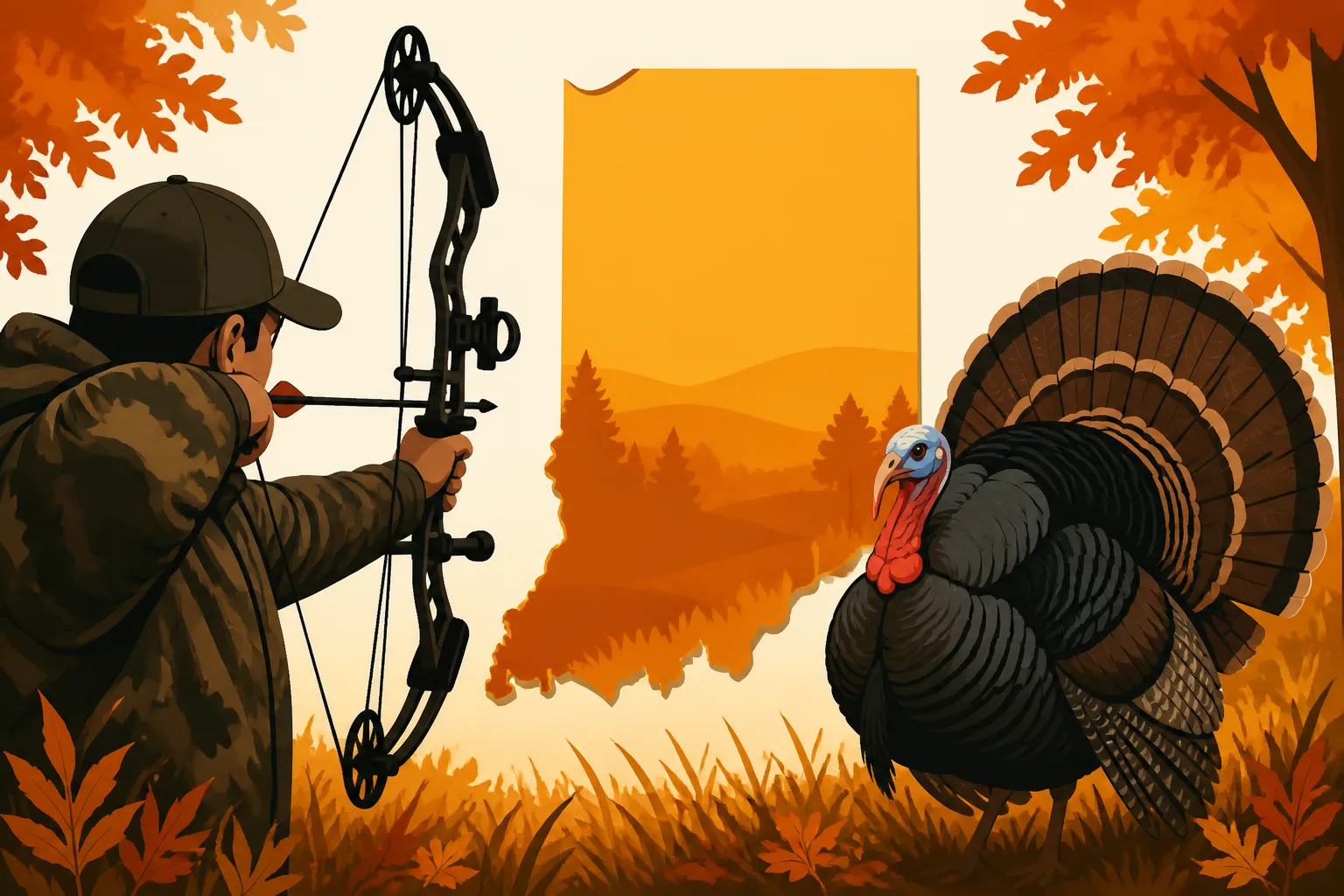
There's a unique satisfaction that comes with chasing wild turkeys during the fall archery season in Indiana. Unlike the boisterous spring gobbler hunts, fall offers a different challenge, often requiring more stealth, patience, and a deep understanding of flock dynamics as you try to fill your tag with a bow. This guide will walk you through everything you need to know about navigating Indiana's fall archery turkey rules, from season dates and legal equipment to effective tactics and how to report your harvest, helping you make the most of this often-overlooked opportunity.
Understanding Indiana's Fall Turkey Seasons
Indiana offers a distinct fall turkey season, and it’s critical to understand how the archery portion works in conjunction with other opportunities. Many hunters focus solely on deer during this time, but the fall turkey season offers a fantastic chance to diversify your hunting experiences and fill the freezer with delicious wild game.
Fall Archery Season Dates
The Indiana fall archery turkey season typically aligns with the statewide archery deer season, offering a long window stretching from early October into early January. This extensive period gives archers ample time to pursue turkeys, often overlapping with peak deer activity. However, it's crucial to always double-check the exact dates each year with the Indiana Department of Natural Resources (DNR) as they can sometimes shift slightly. For instance, the general archery season for deer often starts on October 1st, and the fall archery turkey season usually opens right alongside it. This means hunters who are already out for deer might get an unexpected opportunity to take a turkey, provided they have the correct license and tag. Being prepared for both can significantly increase your chances of success during this overlap, especially when scouting. You can find specific dates for the current year by looking up Indiana fall archery turkey dates.
Distinguishing Archery from Firearms Seasons
While the archery season is quite broad, the fall firearms turkey season in Indiana is much more restricted, both in duration and geography. The fall firearms season typically runs for a much shorter period, usually in late October or early November, and is only open in specific counties. This is a key distinction. If you’re hunting outside of those designated counties, or outside of the limited firearms window, you must be using legal archery equipment for turkeys. This means if you’re out in a county not open for firearms turkey and you see a flock, your bow is your only legal option for taking a bird. Always consult the current DNR regulations for the precise list of Hunting the Fall Firearms Turkey Counties to ensure you're hunting legally. Misinterpreting these overlapping seasons can lead to severe penalties, so it's always better to be overly cautious and informed.
Bag Limits and Licensing Specifics
The bag limit for Indiana's fall turkey season is usually one bird of either sex. This differs significantly from the spring season, where only bearded turkeys can be harvested. The "either sex" rule in the fall makes it a great opportunity for hunters looking to fill a tag, as hens are often easier to locate and call in than wary fall gobblers. To hunt fall turkeys with archery equipment, you'll need a valid Indiana hunting license and a separate fall turkey tag. This tag is distinct from a deer tag. You can purchase these licenses and tags through the DNR’s online portal or authorized vendors. Many hunters opt for an Indiana Resident Deer Bundle, which includes a bonus antlerless deer tag and often makes economic sense. You can learn more about Indiana Hunting Licenses and What They Cost on the DNR website. Make sure you have both your base hunting license and your fall turkey tag in possession while afield, whether physically or digitally through an app like the one provided by GoHunt.
Key Regulations for Archery Turkey Hunting
Navigating the regulations for fall archery turkey hunting requires attention to detail. Indiana has specific rules regarding equipment, hunter visibility, and land use that are crucial for a successful and legal hunt.
Legal Archery Equipment Defined
For archery turkey hunting in Indiana, the rules for legal equipment largely mirror those for deer. This means you can use a longbow, recurve bow, compound bow, or crossbow. There are no minimum draw weight requirements for bows, but the arrow must be tipped with a broadhead. Broadheads must have at least two cutting edges and be at least 7/8 inch wide. This ensures a quick, ethical harvest. Expandable broadheads are legal, provided they meet the minimum cutting width when open. It's vital to ensure your equipment is in good working order and that your broadheads are razor-sharp. Nothing is more frustrating than a lost bird due to dull blades. Consider looking into the pros and cons of Fixed Versus Mechanical Broadheads to decide what's best for your setup. Always remember that even if you're primarily deer hunting, if you plan to opportunistically take a turkey, your archery equipment must meet these specific turkey regulations.
Blaze Orange Requirements and Exceptions
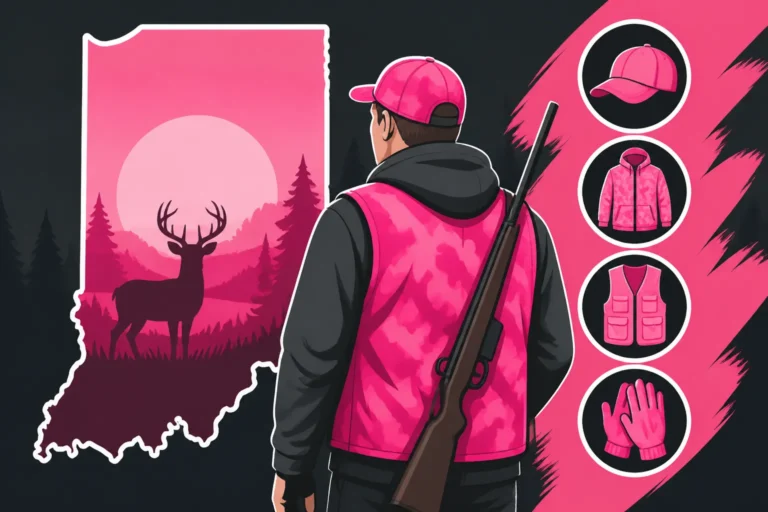
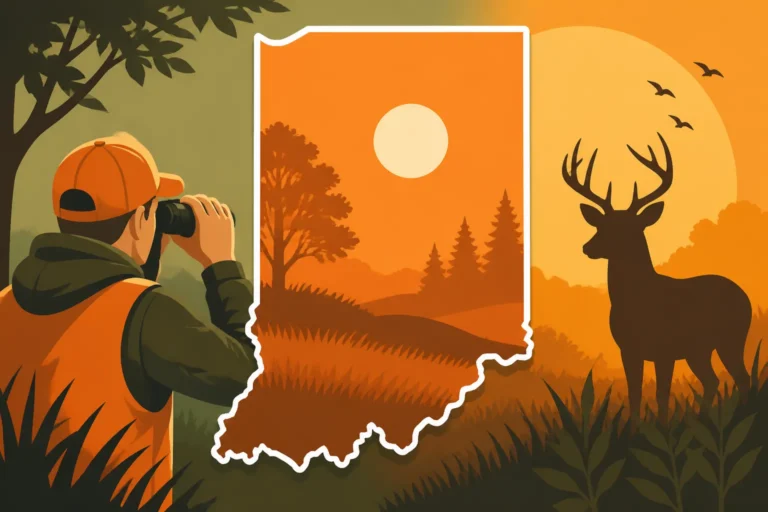
This is where many hunters get tripped up during the fall. While bowhunting for deer, blaze orange is not required during the archery-only portion of the season. However, once the firearms deer season opens, or if you are hunting in a county open to firearms hunting of any species, blaze orange is required, even if you are bowhunting. For fall turkey hunting, specifically, if you are hunting during the firearms deer season, or in a county that has an open firearms turkey season, you must wear hunter orange. This typically means at least one visible exterior garment of solid hunter orange, such as a vest or coat, and a hunter orange hat, totaling 400 square inches of visible orange. This requirement is in place for hunter safety, especially in areas where firearms are also in use. It can feel like a contradiction when you're trying to be stealthy for turkeys, but safety always comes first. Familiarize yourself with Indiana's Blaze Orange Requirements to ensure you comply. If you’re hunting fall turkeys before the firearms deer season begins, or after it ends but while archery season is still open, and there's no firearms turkey season open in your county, you generally won't need the orange. Always check the current regulations carefully.
Public vs. Private Land Rules
Hunting on public land versus private land carries different implications in Indiana. On public lands, such as Fish and Wildlife Areas (FWAs), State Forests, and the Hoosier National Forest, you’ll often find specific regulations unique to that property, in addition to statewide rules. These might include sign-in requirements, special draw hunts, or restrictions on ground blinds and tree stands. For instance, some FWAs might require you to check in daily or have specific areas designated for certain types of hunting. It's always a good idea to check the specific property regulations before heading out. Websites like GoHunt and the Indiana DNR website are excellent resources for researching individual public land rules. For private land, you absolutely must have permission from the landowner. While verbal permission is legally sufficient, it's always wise to get written permission, especially if you plan to hunt repeatedly or if there’s any ambiguity about property lines. Understanding Indiana Trespass and Permission Law is critical for any hunter. Always be a good neighbor, respect property boundaries, and leave gates as you found them.
Gear and Equipment for Fall Archery Turkeys
Successfully pursuing fall turkeys with a bow demands specific gear considerations. Unlike the close-range, calling-heavy spring hunts, fall often involves more ground-based strategies and longer shots, making equipment choices even more critical.
Bow and Broadhead Choices
For fall archery turkeys, your existing deer bow setup will likely suffice. Whether you shoot a compound, recurve, or crossbow, the key is accuracy and kinetic energy for a clean pass-through. Most modern bows are more than capable. The critical component is your broadhead. For turkeys, a large cutting diameter is highly advantageous. Turkeys are not large animals, but their vitals are relatively small and protected by thick feathers and a dense bone structure. A broadhead designed for maximum cutting will create a larger wound channel, increasing the likelihood of a quick kill and easier blood trailing. Many hunters prefer mechanical broadheads with a large deployment diameter (1.5 inches or more) for turkeys, as they can deliver devastating trauma. However, a sharp, fixed-blade broadhead can also be very effective, especially if you prioritize penetration. Practice with your chosen broadheads before the season to ensure they fly true from your bow. Understanding the nuances of Bow Draw Weight for Indiana Whitetails is helpful, as the same principles apply to turkeys – enough power for ethical penetration.
Calling Strategies and Decoy Use
Fall turkey calling is a different beast than spring calling. In the spring, you're primarily mimicking a lonesome hen or an aggressive gobbler. In the fall, you're often trying to locate flocks, break them up, and then call them back together. Locator calls like owl hoots or crow calls can help pinpoint flock locations early in the morning or late in the evening. Once you've located a flock, the "scatter and call" technique is highly effective. You intentionally spook the flock, causing them to fly or run in different directions, and then set up and begin making excited hen assembly yelps and kee-kees to simulate a lost turkey trying to regroup. Young turkeys, in particular, are very susceptible to this strategy. A versatile mouth call or slate call is essential for a wide range of vocalizations. Decoys can also be useful, especially hen decoys, to draw in scattered birds looking to reassemble. Just remember that less is often more with fall decoys; a single hen or jake can be convincing without creating an artificial scene. Mastering the art of Breaking Up a Fall Turkey Flock can make or break your fall archery turkey hunt.
Clothing and Concealment for Fall Conditions
Indiana's fall weather can be highly unpredictable, ranging from warm, sunny days in early October to freezing, wet conditions in December. Layering is your best friend. Start with a moisture-wicking base layer, add insulating layers like fleece or wool, and top it off with a waterproof and windproof outer shell. Wool is an excellent choice for insulation as it retains warmth even when wet. For concealment, full camouflage is essential. Turkeys have incredible eyesight, and any movement or unnatural color will send them scattering. A good facemask or face paint and gloves are non-negotiable. Since you might be spending time on the ground, a comfortable seat cushion and knee pads can make a big difference, especially when you're calling to a scattered flock or waiting in ambush. Given the potential for wet weather, sturdy, waterproof boots are also a must. You don't want cold, wet feet to cut your hunt short. When hunting during an overlap with firearms deer season, remember the blaze orange requirement. In this scenario, you might have to adapt your strategy, perhaps using natural cover more diligently or choosing a ground blind to maintain concealment while meeting safety requirements. Layering your clothing effectively, as detailed in guides like Clothing for an Indiana Late Season, is key to staying comfortable and focused.
Tactics for Success in the Fall Archery Window
Fall archery turkey hunting is a game of patience, stealth, and understanding turkey behavior. Unlike the spring's aggressive gobblers, fall birds are often focused on foraging and flock cohesion, requiring different approaches.
Locating Fall Flocks
Finding turkeys in the fall often starts with scouting, much like deer hunting. Turkeys in the fall are primarily focused on food, so identifying key food sources is paramount. Look for areas with mast crops like acorns, beechnuts, and wild grapes. Agricultural fields, especially those with standing corn or cut soybean fields, are also prime locations where turkeys will feed throughout the day. Water sources, especially during dry spells, can also concentrate birds. Early morning and late afternoon are prime times to observe turkeys moving to and from roosts and feeding areas. Use good optics, like those from Vortex or Leupold, and listen for their soft clucking, purring, and assembly calls. Don’t be afraid to put in some miles scouting before the season or even during. Apps like GoHunt can be invaluable for pinpointing potential food sources and accessing satellite imagery to identify travel corridors. Understanding Scouting Indiana Public Land Before Season applies just as much to turkeys as it does to deer. Remember, fall flocks can be large, sometimes 30 or more birds, so finding one often means finding many.
Breaking Up a Flock and Calling Back
One of the most effective and classic fall turkey hunting strategies is the "break and scatter" method. Once you've located a flock, the goal is to surprise them, causing them to scatter in all directions. This creates confusion and prompts the individual birds to seek each other out. This might involve a well-timed rush, running directly at them, or even strategically approaching to get them to fly into different areas. After they’ve scattered, immediately set up quickly and quietly in a concealed location near where the birds were dispersed. Wait 15-30 minutes, allowing them to settle down and feel lost, then begin making soft, plaintive yelps and kee-kees – sounds that mimic a lost young bird trying to regroup. Kee-kees are particularly effective for young birds. Be patient; it might take a while for them to respond, but their instinct to reassemble is strong. If you’re lucky, a bird or two will eventually come back to your calls, often from different directions, so be alert. This method is particularly effective with juvenile birds, as they are less wary and more eager to rejoin the flock.
Ambush and Still-Hunting Methods
Sometimes, scattering a flock isn't feasible or desirable. In these situations, ambush hunting or still-hunting can be highly effective. For ambush hunting, once you've identified a consistent turkey travel corridor or feeding area, set up a ground blind or a well-camouflaged position along that route. Focus on funnels, pinch points, or field edges where you know turkeys are moving. A pop-up ground blind can provide excellent concealment and allow for some movement without spooking wary birds. Make sure it's brushed in well, especially if you're hunting in an open area. Utilizing a portable ground blind can be a game-changer when Using a Ground Blind on Indiana Public Land. For still-hunting, this involves moving very slowly and deliberately through known turkey habitat, stopping frequently to glass and listen. Take five steps, pause, scan, listen, then repeat. This is a tactic that demands extreme patience and quiet movement. Focus on ridge tops where you can see down into valleys, or along creek bottoms, which often serve as natural travel routes. The goal is to spot the turkeys before they spot you, allowing you to set up for a shot or plan a better approach.
Common Challenges and How to Overcome Them
Fall archery turkey hunting isn't without its hurdles. Changing turkey behavior, unpredictable weather, and securing access can all present significant challenges that require adaptability and persistence.
Pressured Birds and Changing Behavior
By fall, turkeys have been hunted during the spring and possibly during early fall seasons, making them incredibly wary. Flock behavior also shifts dramatically from the spring. Instead of focusing on breeding, fall turkeys are preoccupied with foraging and maintaining flock cohesion. They tend to be quieter, more vigilant, and less responsive to aggressive calling. If you're hunting pressured public land, expect birds to be even warier. To overcome this, use subtle calling. Soft clucks, purrs, and occasional lost hen yelps are often more effective than loud, aggressive calls. Focus on realistic vocalizations. Secondly, increased scouting is critical. Spend time observing flocks from a distance to understand their daily routines, feeding patterns, and travel routes. This information allows you to anticipate their movements and set up an ambush rather than relying solely on calling. Finally, consider hunting areas with less pressure. Deeper sections of public land or smaller, overlooked private tracts can hold less-pressured birds.
Weather Considerations
Indiana's fall weather can swing wildly. Early fall days can be warm, even hot, while late fall can bring freezing rain, snow, and bitter winds. This variability significantly impacts both turkey behavior and hunter comfort. Warm, sunny days can make turkeys less active during midday, sending them to shaded areas or dusting bowls. During these periods, focus on early morning and late evening movements to and from roosts. Cold, wet weather, however, can make turkeys seek shelter in dense cover or huddle together. They might also be more inclined to feed heavily before a cold front, offering good opportunities. For hunters, dealing with the elements means prioritizing proper gear. Waterproof, breathable outerwear is non-negotiable. Layering correctly, as discussed earlier, is paramount to staying warm and dry. Hand warmers and insulated boots can make extended sits in cold weather bearable. Always check the forecast before heading out and pack accordingly. Don't let a sudden change in weather cut your hunt short.
Access and Scouting
Securing access, especially to quality private land, can be a major hurdle. Many private landowners are hesitant to allow hunting, especially if they've had bad experiences in the past. When seeking permission, be polite, respectful, and clearly state your intentions for fall turkey hunting. Offer to help with chores or share your harvest. Building a relationship with a landowner over time can open doors. For public lands, the challenge often lies in finding areas that aren't heavily pressured. This is where diligent scouting, often using mapping tools like GoHunt, comes into play. Look for areas away from roads and easily accessible trails. Pay attention to topography – steep ridges, thick creek bottoms, or hard-to-reach pockets of timber can often hold less-pressured birds. Don’t be afraid to put in the miles. Turkeys, especially in the fall, will utilize these quieter areas. Checking the Indiana DNR App for public land boundaries and features can also provide valuable insights for identifying less-traveled spots.
Reporting Your Harvest and What Comes Next
Congratulations, you've successfully harvested a fall turkey with your bow! But the hunt isn't over until you've properly checked and cared for your bird. Following Indiana's regulations for harvest reporting and proper meat handling ensures you're compliant and that your hard-earned meal is of the highest quality.
Checking Your Turkey
In Indiana, all harvested turkeys, whether from the spring or fall season, must be reported to the DNR. This process is fairly straightforward thanks to modern technology. You can check your turkey online through the Indiana DNR's CheckIN Game system or via the Go Outdoors Indiana mobile app. You will need your license information and details about your harvest, such as the date, county, and type of equipment used. You generally have a specific timeframe, typically within 48 hours of harvest, to complete this. Make sure you understand Indiana Turkey Checking Requirements and report accurately. This information is vital for the DNR to monitor turkey populations and make informed management decisions. Even if you don't plan to keep the bird (though you absolutely should!), it must still be reported.
Carcass Tagging and Transport
Once you've harvested your turkey, you need to attach your valid fall turkey tag to the bird immediately. The tag must be securely affixed to the turkey's leg or beard, depending on the specific instructions on the tag itself, and remain attached until you reach your residence or processing facility. This tag serves as proof that the bird was legally taken and allows for legal transport. It's crucial not to move the bird from the field without the tag properly attached. If you’re traveling through different counties, especially those with varying turkey season regulations, having that tag clearly visible is your legal safeguard. Ensure that the tag is filled out completely and accurately before transport. Properly documenting your harvest is just as important as the hunt itself.
Meat Care in Cool Fall Temperatures
One of the great advantages of fall turkey hunting is the generally cooler temperatures, which can make meat care much easier than during the often-sultry spring season. However, you still need to act quickly to ensure the best possible quality. As soon as possible after harvest, field dress your turkey. This involves removing the entrails to allow the carcass to cool down rapidly. Carry a sharp, reliable knife and wear gloves. Once field dressed, cool the bird as quickly as possible. If temperatures are cool (below 40°F), you can hang the bird in a shaded, well-ventilated area. If it's warmer, or if you have a long drive home, place the bird on ice in a cooler. Be sure to keep the meat from sitting directly in melted ice water if possible, or use sealed bags to prevent waterlogging. Processing your turkey quickly into breasts, thighs, and drumsticks for cooking or freezing will preserve its freshness and flavor. Wild turkey is a lean, delicious meat, and proper handling ensures it stays that way. For ideas on preparing your harvest, consider looking into Cooking a Wild Turkey Breast.
Fall Archery Turkey Season Comparison
To help you keep track of the nuances between fall archery and fall firearms seasons, here’s a quick overview:
| Feature | Fall Archery Turkey Season | Fall Firearms Turkey Season |
|---|---|---|
| Dates | Typically Oct 1 – Early Jan (aligns with statewide archery deer) | Much shorter window, usually late Oct/early Nov |
| Equipment | Longbow, Recurve, Compound, Crossbow (with legal broadheads) | Shotgun or Muzzleloader (specific gauge/caliber limits apply) |
| Bag Limit | One (1) turkey of either sex | One (1) turkey of either sex |
| Blaze Orange | Required if firearms deer season is open or in firearms turkey county | Required |
| Counties Open | Statewide | Restricted to specific counties |
| License | Base hunting license + Fall Turkey Tag | Base hunting license + Fall Turkey Tag |
This table highlights the flexibility and broad accessibility of the archery season, particularly its statewide applicability and extended dates, making it a prime opportunity for those committed to bowhunting.
Disclaimer
Please remember that hunting regulations can change. It is always the hunter's responsibility to consult the most current Indiana Department of Natural Resources (DNR) regulations before heading afield. This guide is for informational purposes only and should not be considered legal advice or a substitute for official DNR publications.