Why Indiana’s License Year Starts in April
If you've ever found yourself scratching your head, wondering why Indiana's hunting licenses don't align with the calendar year like so many other things, you're not alone. It can be a real point of confusion, especially if you're new to hunting in the Hoosier State or coming from an area with a different system. This guide is here to clear up that mystery, explaining why our license year kicks off in April and how it impacts your hunting plans.
Understanding the Indiana License Year Cycle
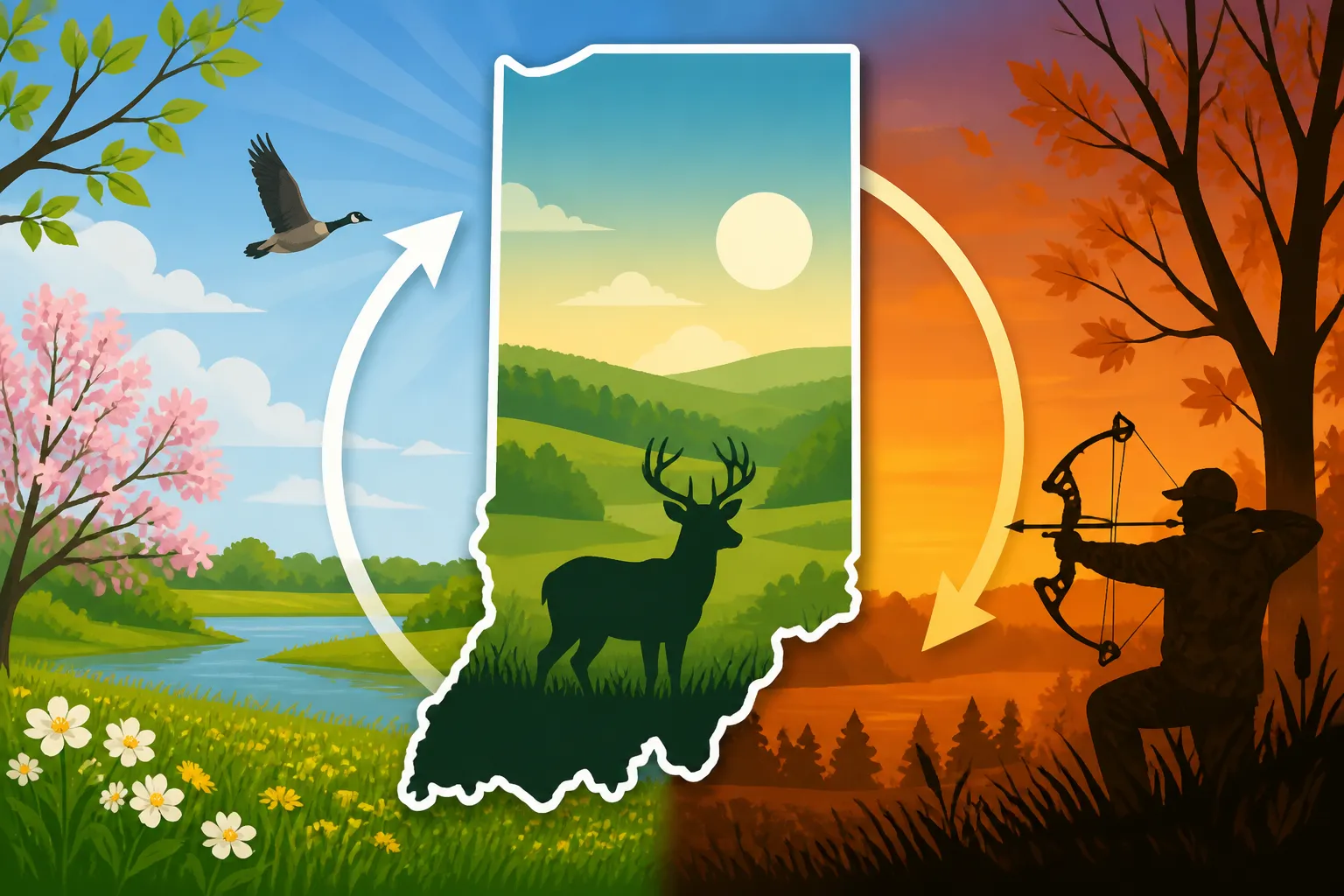
Indiana's hunting license year operates on a cycle that begins on April 1st and runs through March 31st of the following year. This means any annual license you purchase, whether it's a deer license, a turkey license, or a basic hunting license, is valid for that specific 12-month period. For many hunters, especially those accustomed to a January-December calendar, this can feel a bit counterintuitive. You might buy your deer tags in August, for instance, only to realize they're part of a licensing year that started five months prior and will expire next March. It's a system that, once understood, makes a lot more sense from an administrative and season management perspective, even if it takes some getting used to.
The Practical Impact on Hunters
This April 1st to March 31st cycle has significant practical implications for every hunter in Indiana. Imagine you're gearing up for the fall deer seasons. If you purchase your licenses in, say, September, you're buying a license that covers the current license year. This means it will be valid for the entire archery, firearms, and muzzleloader deer seasons that fall within that period, right up until March 31st. However, if you're someone who hunts the very late archery season that stretches into January, February, or March, you need to be mindful. While the archery season might technically extend into March, you'll still need a new license for the next license year if you plan on hunting after March 31st, even if it's the same continuous season. This is also crucial for spring turkey hunters, as the season typically starts in April, meaning you'll always be buying a new license for the upcoming license year. It’s a bit of a mental shift, but vital for staying legal and avoiding any last-minute surprises in the field. This also applies to How Indiana's Archery Season Runs Into January, as those last few weeks require the current year's tag.
Historical Reasons for the April Start
So, why April 1st? While it might seem like a quirky date, the decision is rooted in practical administrative and biological considerations. Historically, many state wildlife agencies, including Indiana's Department of Natural Resources (DNR), structured their fiscal and licensing years to align with natural biological cycles and the state's budget year. An April 1st start date conveniently places the beginning of the new license year just as most major hunting seasons from the previous year have concluded (think late-season deer and furbearers) and just before the highly anticipated spring turkey season kicks off. This timing allows the DNR to release new regulations, update tag requirements, and process renewals efficiently without interrupting a major ongoing season. It also syncs well with annual budget cycles and reporting periods, simplifying the complex task of managing wildlife populations and funding conservation efforts. This historical alignment has proven efficient for managing the Indiana Deer Season Structure Explained and other game species over decades, even if it sometimes confuses those unfamiliar with the system.
Navigating the License Purchase Process
Once you understand when the license year begins, the how becomes much simpler. Indiana has streamlined its license purchase process considerably over the years, offering various options to ensure every hunter can easily acquire the necessary permits. Whether you prefer the convenience of online transactions or the personal touch of a local vendor, the system is designed to accommodate. Understanding these options and planning your purchases strategically will save you a headache and ensure you're ready when seasons open.
Online vs. In-Person Options
For most hunters today, buying a license online through the Indiana DNR's Go Outdoors Indiana platform is the most convenient route. You can do it from your couch, your office, or even your deer stand if you have cell service (though we recommend planning a bit more in advance!). The system is user-friendly, allowing you to select your Indiana Resident License Options or non-resident permits, add specific tags like deer or turkey, and pay with a credit card. Many hunters find using platforms like GoHunt invaluable for planning their seasons, and it often integrates smoothly with the official Go Outdoors Indiana purchase portal, allowing for a seamless experience. Once purchased, you can often print your license at home or carry proof of license on your phone, making it super flexible.
However, if you're like many of us who appreciate tradition or simply prefer face-to-face interaction, you can still purchase your licenses in person. Authorized license vendors, typically bait and tackle shops, sporting goods stores, or county clerks' offices, are scattered throughout the state. This option not only provides an opportunity to chat with local experts about recent hunting activity or pick up last-minute supplies but also supports local businesses that are often deeply ingrained in the hunting community. Some folks still prefer a physical paper license, and purchasing in person guarantees you walk out with one in hand.
Planning for the Upcoming Seasons
Given the April 1st license year start, proactive planning is your best friend. Instead of waiting until late August to buy your deer tags, consider purchasing your annual basic hunting license and any anticipated deer or turkey tags sometime between April and June. This ensures you're covered for Spring Turkey Hunting in Indiana and ahead of the game for the fall seasons. It also gives you plenty of time to check the Indiana Hunting Licenses and What They Cost and ensure you’ve picked up the right combination of licenses and stamps.
For example, if you plan to hunt deer, turkey, and small game in the upcoming season, you'll need an annual hunting license, a deer license (or bundle), and potentially a fall turkey license. If you're a migratory bird hunter, don't forget your HIP registration and federal duck stamp. By purchasing these early in the license year, you avoid the rush and potential website slowdowns that can occur closer to major season openers. It also frees up your mental energy to focus on scouting, gear preparation, and all the other exciting aspects of getting ready for hunting season, rather than stressing about administrative tasks. Using a hunting app like GoHunt can help you keep track of season dates and license requirements, prompting you to purchase licenses well in advance.
Key Dates and What They Mean for You
Understanding the April 1st to March 31st license cycle is just the first step. To be a truly prepared Indiana hunter, you need to internalize how this cycle interacts with actual hunting season dates. There’s nothing worse than getting to your favorite hunting spot, only to realize your license expired last month, or you purchased the wrong one for the current season.
Overlapping Seasons and License Validity
This is where things can get a little tricky for new hunters. Let's take deer season as a prime example. Indiana's archery season famously starts in October and can run through early January. However, the license year changes on April 1st. This means if you buy your annual license in October, it’s valid for that year’s archery season, the firearms season in November, and the muzzleloader season in December. But if you plan to hunt again for, say, Spring Turkey Hunting in Indiana which begins in April, you'll need a new license for the next license year.
The important takeaway is that your annual licenses and tags are good for all seasons that fall within the April 1st to March 31st period for which you purchased them. If you buy your license on May 1st, 2024, it's valid for all applicable seasons until March 31st, 2025. This covers your basic hunting license, deer licenses, turkey licenses, and small game stamps. It's a single, continuous period, which actually simplifies things once you wrap your head around it. This is particularly important for seasons like Hunting Indiana's Long Archery Season, which spans across calendar years but falls entirely within one license year.
Here's a quick overview of how the license year aligns with some major hunting seasons:
| License Type | Validity Period | Major Seasons Covered | Key Considerations |
|---|---|---|---|
| Annual Basic | Apr 1 – Mar 31 | Covers basic hunting privileges for all seasons within the period. | Essential foundation; required for purchasing deer/turkey licenses. |
| Deer Licenses | Apr 1 – Mar 31 (current year) | Archery, Firearms, Muzzleloader seasons within the license year. | Be sure to check Indiana Archery Season Dates and Indiana Firearms Season Dates as well as Indiana Muzzleloader Season Dates to confirm. |
| Spring Turkey Licenses | Apr 1 – Mar 31 (current year) | Spring Turkey season (usually starts mid-late April). | Spring season falls entirely within the new license year, requiring a new license. |
| Fall Turkey Licenses | Apr 1 – Mar 31 (current year) | Fall Archery Turkey, Fall Firearms Turkey seasons within the license year. | Check Hunting Indiana's Fall Turkey Windows for specific dates and regulations. |
| Small Game Licenses | Apr 1 – Mar 31 (current year) | Squirrel, Rabbit, Pheasant, Quail, and other small game seasons. | Crucial for Squirrel and Small Game Hunting in Indiana and other upland bird pursuits. |
| Migratory Bird Stamp | Apr 1 – Mar 31 (current year) | Waterfowl, Dove, Woodcock, Snipe, Rail seasons. | Also requires HIP registration and a Federal Duck Stamp if hunting waterfowl. |
Avoiding Last-Minute Scrambles
There's nothing quite like the feeling of waking up on opening day, coffee in hand, only to realize you forgot to buy your license. Or worse, you log on to Go Outdoors Indiana, and the system is slow because thousands of other hunters are doing the exact same thing! This scenario, unfortunately, plays out for many every year. The April 1st start date gives you a full year to purchase your license. Don't fall into the trap of procrastination.
A hypothetical situation: It's the eve of Indiana Firearms Season Opening Day. You've got your rifle sighted in, your gear packed, and you're ready to hit the woods. But you suddenly remember you never got your deer tag. You jump online, but the system is bogged down. You call a local vendor, but they close early. Now you're scrambling, stressed, and potentially out of luck for the opener. By making your license purchases in the spring or early summer, you completely avoid this kind of frustration. It allows you to Buying a License on Go Outdoors Indiana well ahead of time, ensuring a smooth start to every season. Think of it as part of your early season prep, just like checking your treestand or tuning your bow.
Broader Implications and Hunter Responsibilities
The Indiana license year, beginning April 1st, isn't just an administrative detail; it's a fundamental aspect of how the state manages its wildlife, collects crucial data, and funds its conservation efforts. As responsible hunters, understanding these broader implications helps us appreciate the system and fulfill our duties.
How This Affects Tag Allocation and Reporting
The April 1st start date directly influences how the DNR tracks harvest data and manages tag allocations. Every deer, turkey, or other animal you harvest is reported against the license year in which it was taken. This consistent 12-month window allows the DNR to compile accurate annual harvest reports, monitor population trends, and make informed decisions about season lengths, bag limits, and special hunts for the next license year. For instance, data collected during the 2024-2025 license year (April 1, 2024 – March 31, 2025) will directly influence the regulations and tag availability for the 2025-2026 license year. This data-driven approach is vital for ensuring sustainable hunting opportunities for future generations.
It also means that when you're Reporting a Deer Through Indiana's App, that harvest is tied to the current license year. This unified system helps prevent discrepancies and ensures that every reported animal contributes to a clear, annual picture of wildlife health and harvest rates. This data is critical for assessing the overall health of our deer herd and other species, ensuring we have healthy populations to hunt year after year.
Staying Informed with Indiana DNR
Ultimately, the responsibility falls on each hunter to understand the rules and stay informed. While this guide aims to clarify the Indiana license year, it's crucial to always refer to the official Indiana DNR hunting and trapping guide for the most up-to-date and complete regulations. This guide is released annually, typically in the spring, and details all season dates, bag limits, and specific rules for the upcoming license year. You can usually find it online through the DNR website or pick up a physical copy at license vendors.
The DNR also provides updates through their website, social media channels, and email newsletters. Regularly checking these resources will keep you aware of any changes, special announcements, or important deadlines. Platforms like GoHunt can also be excellent resources for consolidated information and reminders about season changes and license renewals. Being a responsible hunter means more than just following the law; it means actively participating in the conservation effort by staying informed and abiding by the regulations designed to protect our natural resources. Remember, Carrying Proof of License on Your Phone or a physical copy is a must whenever you're afield.
Disclaimer
The information provided in this guide is for general informational purposes only and is not a substitute for official Indiana Department of Natural Resources (DNR) regulations. Hunters are responsible for consulting the most current Indiana hunting and trapping guide and all applicable state laws before engaging in any hunting activities. Regulations can change, and it is the individual hunter's duty to stay informed.