Indiana Quail Season Status
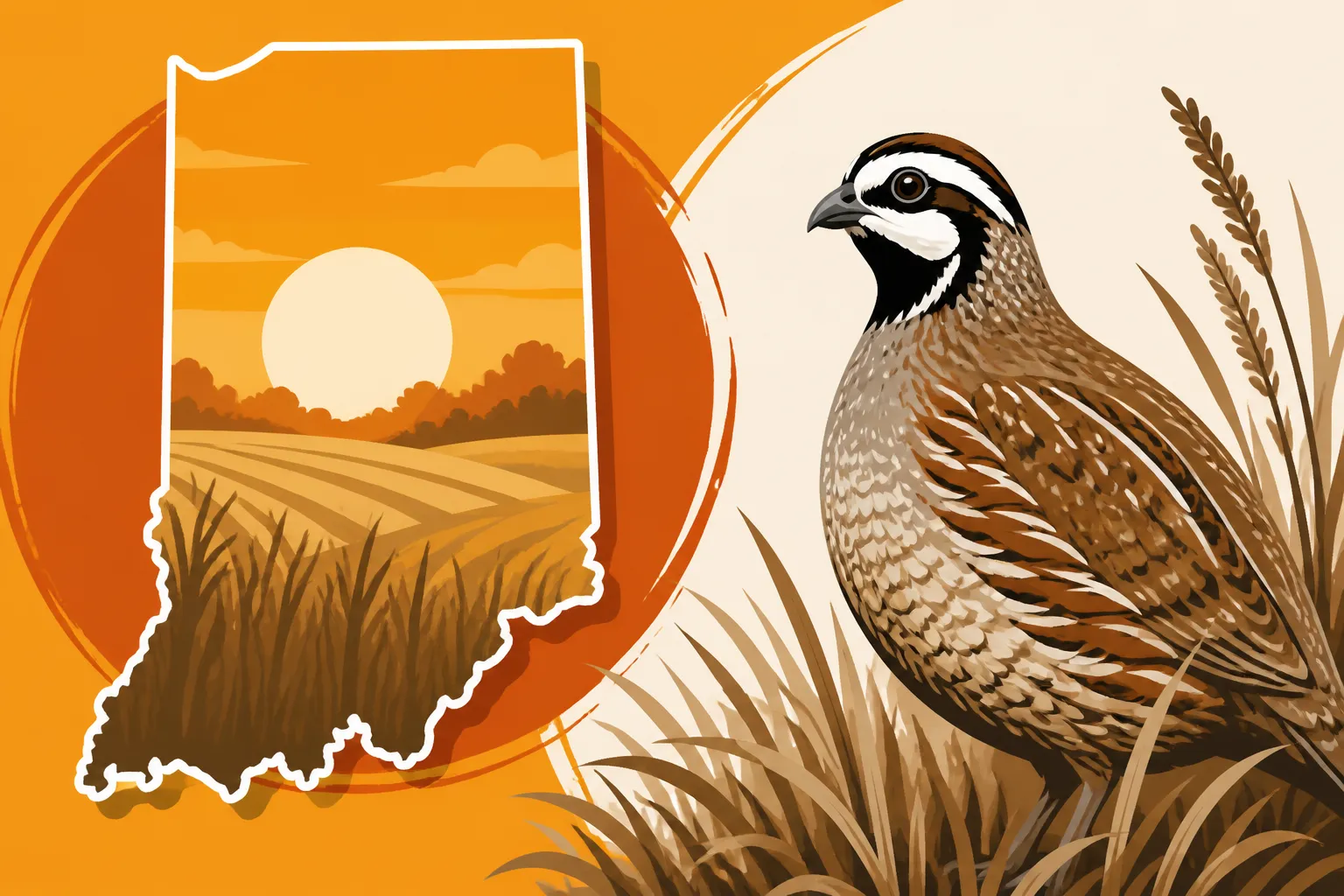
For many Hoosier hunters, the thought of a covey of bobwhite quail exploding from thick cover at their feet is a cherished, almost nostalgic, memory. But let's be honest, those days of plentiful wild quail across much of Indiana are largely gone, and the dream of a robust quail hunt often feels just out of reach. If you've been wondering about the current reality of hunting these iconic game birds in our state, this guide will lay out exactly where Indiana's quail season stands today, what to expect, and how to approach the pursuit of these elusive birds.
The Long Road Back for Indiana's Bobwhite Quail
It's tough to talk about Indiana quail without a sigh, isn't it? For generations, the bobwhite quail was an absolute staple of the Indiana landscape and a prize for any small game hunter. Farms were smaller, more diverse, and those brushy fencerows, overgrown corners, and fallow fields were practically begging for a covey to call home. Many of us grew up hearing stories, or even experienced firsthand, hunts where you might flush several coveys in a morning. Today, that's rarely the case, and it's a frustration shared by many who long for those simpler times.
Historical Perspective and Modern Challenges
Back in the day, the patchwork quilt of Indiana's agricultural land provided everything a bobwhite needed: nesting cover, escape cover, and abundant food sources, all within a small home range. Think about those old black and white photos of Indiana farms – small woodlots, hedgerows dividing tiny fields, weedy ditch banks, and livestock pastures that weren't mowed to a golf course finish. That was prime quail country. The birds thrived on the edges, utilizing the "edge effect" where different habitat types met.
But then things changed. Modern agriculture became incredibly efficient, often at the expense of wildlife habitat. Small farms gave way to massive operations, hedgerows were ripped out to make way for larger fields and machinery, and ditch banks were "cleaned up" with herbicides and aggressive mowing. Urban and suburban sprawl also ate away at prime habitat, pushing quail into smaller, more fragmented pockets. This loss of suitable, contiguous habitat is the single biggest culprit for the decline of our wild bobwhite populations, making it increasingly difficult to enjoy a traditional day of chasing these birds.
Population Trends and Current Status
The decline has been pretty stark across much of the Midwest, and Indiana is no exception. While our Indiana Department of Natural Resources (DNR) and various conservation partners have made strides in habitat restoration on certain properties, the overall wild quail population in Indiana remains low. It's certainly not what it once was, and unfortunately, it's a far cry from states known for their quail hunting like Georgia or Texas.
Don't get me wrong, there are still pockets of wild bobwhites to be found, especially in southern Indiana, where the landscape is more fragmented, and there's less intense agricultural pressure. However, these are often isolated coveys, and finding them requires dedicated scouting and a good understanding of remnant habitat. The good news is that focused conservation efforts are showing some localized successes. Areas where land managers have prioritized early successional habitat, prescribed burning, and native grass plantings can see small rebounds. But Statewide, the trend has been a significant reduction in overall numbers compared to mid-20th century peaks, as explored further in our article on "Indiana Bobwhite Quail Decline".
Understanding Indiana's Current Quail Season Regulations
Given the delicate status of Indiana's bobwhite quail, the hunting season is set with conservation in mind. It's designed to allow limited opportunity while protecting the birds for future generations. For anyone heading afield hoping to flush a covey, knowing the rules backward and forward is absolutely essential. The regulations aren't overly complicated, but they reflect the state's cautious approach to managing a struggling species.
Season Dates and Bag Limits
Indiana's quail season typically opens in early November and runs through late December or early January. This aligns with many other small game seasons, allowing hunters to potentially combine efforts for species like rabbits and pheasants.
For the most up-to-date and precise dates, always check the current Indiana Hunting and Trapping Guide issued by the DNR. However, generally, you can expect the season to be roughly:
- Season Dates: Early November through Mid-January (e.g., November 1st – January 10th).
- Daily Bag Limit: Typically 4 birds.
- Possession Limit: Usually 12 birds.
These limits are designed to provide a challenging hunt without putting undue pressure on localized populations. The idea is to allow hunters to enjoy the experience and perhaps take a few birds, but not to target large numbers. It's a testament to how far we've come from the days when limits might have been more generous.
Licensing and Equipment Requirements
Before you even step foot in the field, ensure all your paperwork is in order. Hunting small game in Indiana requires a few key items:
- Base Hunting License: This is your fundamental license to hunt in Indiana.
- Game Bird Habitat Stamp: Required for hunting migratory game birds and upland game birds like quail and pheasant. This stamp directly funds habitat restoration efforts, which is crucial for species like the bobwhite.
- HIP Registration: While quail are not migratory, you'll likely need to be HIP (Harvest Information Program) registered if you're hunting any other migratory birds during the same season. It's good practice to get it if you're hunting any birds.
You can purchase all necessary licenses and stamps through the Go Outdoors Indiana website or at authorized retailers. Keeping a digital or physical copy with you while hunting is a must. For a deeper dive into license options, check out our guide on "Indiana Resident License Options".
As for equipment, a shotgun is the standard choice, typically a 12 or 20 gauge. Smaller shot sizes, like 7.5 or 8, are ideal for quail. And critically, remember Indiana's blaze orange requirements for small game hunting. You'll need to wear at least one visible piece of hunter orange (or blaze pink) while afield, ensuring you're safe and visible to other hunters. This is detailed further in "Indiana Blaze Orange Requirements".
Where (and How) to Find Quail in Indiana Today
This is often the million-dollar question for would-be Indiana quail hunters. The days of stumbling into a covey almost anywhere are, regrettably, behind us. Finding wild bobwhites now requires specific knowledge of habitat, dedicated scouting, and often, landowner connections. It's a testament to the challenge that simply driving around won't cut it anymore; you need to understand the nuances of the landscape.
Prime Habitat and Public Land Realities
Wild quail are habitat specialists. They absolutely thrive in what's called "early successional habitat"—that messy, brushy, diverse cover that often gets tidied up or developed. Think about:
- Brushy Fencerows and Ditch Banks: Not the cleanly mowed ones, but those that have grown thick with multiflora rose, honeysuckle, and native grasses.
- Field Edges: Where cropland meets a patch of woods, a brushy draw, or an unmowed area.
- Native Grass Plantings: Especially those with interspersed forbs and legumes.
- Young Forest Clear-cuts or Regenerating Timber: Areas that are thick and briary, providing excellent escape cover and food.
- Food Plots: While not traditional quail habitat, plots that border suitable cover can attract birds, especially if they include plants like sorghum or millet.
On public lands in Indiana, finding these specific conditions, particularly for wild quail, can be tough. Many of our state's Fish and Wildlife Areas (FWAs) and State Forests are managed primarily for deer, turkey, or waterfowl. While some might have remnant pockets of suitable quail habitat, it's often not widespread enough to sustain large, huntable populations. You might get lucky and flush a covey while hunting rabbits or pheasants, but going out specifically for wild quail on public land can lead to disappointment.
Some FWAs do conduct habitat work that benefits quail, and a few even release pheasants which often share similar habitat needs, as discussed in "Indiana Pheasant Season and Stocking". If you're determined to try public land, focus your efforts on areas known for small game and look for unkempt, brushy areas, especially those near agricultural fields or timber edges. Websites like GoHunt or the Indiana DNR's online mapping tools can be invaluable for identifying potential spots by analyzing aerial imagery for desirable habitat features.
Private Land and Habitat Restoration Efforts
Realistically, your best bet for consistent quail hunting in Indiana is on private land. This is where dedicated landowners and conservation groups like Quail Forever are making the biggest difference. Private landowners who are actively managing their properties for wildlife, particularly with native grass plantings, hedgerow restoration, and prescribed burns, are creating the sanctuaries where bobwhites can truly rebound.
Gaining access to these private lands is, of course, the hurdle. It requires building relationships with landowners and respecting their property. Many farmers appreciate hunters who offer to help with chores or manage invasive species. You might find more success approaching landowners in southern Indiana counties where the landscape is naturally more conducive to quail habitat, or in areas where you know active habitat work is being done. Our guide on "Getting Private Land Permission in Indiana" offers practical tips for making these crucial connections.
When scouting private land, look for the subtle signs of good cover – the brushy edges, unharvested strips, or CRP (Conservation Reserve Program) fields that are managed for wildlife. Tools like GoHunt can help you visualize property boundaries and habitat types from an aerial perspective, giving you a starting point for asking permission. It’s about being observant and knowing what to look for that makes the difference between a frustrating walk and a potential covey flush.
Realistic Expectations and Future Outlook for Quail Hunting
Let's be candid: quail hunting in Indiana today isn't about filling a limit. For most hunters, it's about the experience, the dog work, and the rare thrill of a covey rise. If you go into the field expecting to harvest four birds every time, you'll likely be disappointed. Instead, it's about appreciating the challenge, the beauty of the birds, and the vital role of conservation.
The Joys of the Hunt Beyond the Bag Limit
For those who truly love quail hunting, the magic isn't solely in the number of birds in the vest. It's in the camaraderie with hunting buddies, the crisp autumn air, and especially, the incredible performance of a well-trained bird dog. There’s almost nothing more exhilarating than watching a good pointer lock up on scent, tail rigid, nose twitching, indicating a covey is hidden just ahead. The anticipation, the flush, the singular shot – these moments are what define quail hunting.
Even if you only flush one or two coveys in a day, and even if you don't connect on every shot, the experience itself is its own reward. It forces you to slow down, to read the land, and to truly connect with the habitat. It's a more traditional, almost spiritual, form of hunting that contrasts sharply with the high-volume opportunities some other game species offer. This appreciation for the process is what keeps dedicated quail hunters going, despite the lower populations. It's truly a labor of love, and every flushed bird is a small victory.
Conservation Efforts and How Hunters Can Help
While the picture for Indiana quail might seem a bit bleak, there's actually a lot of hope and a ton of dedicated people working to bring them back. Organizations like Quail Forever, in partnership with the Indiana DNR, are doing critical work on the ground. They're engaging landowners, funding habitat projects, and advocating for policies that benefit upland birds.
These efforts include:
- Native Grassland Restoration: Planting switchgrass, big bluestem, and other native grasses that provide nesting and brood-rearing cover.
- Prescribed Burns: Using controlled fire to manage vegetation, remove invasive species, and stimulate new growth that quail need.
- Fencerow and Hedgerow Establishment: Replanting and managing linear habitat features that are crucial for movement and cover.
- Food Plots and Edge Feathering: Creating areas of food and thick cover along field edges to maximize usable habitat.
Hunters play a crucial role in these efforts. Every hunting license and Game Bird Habitat Stamp purchased contributes directly to these conservation programs. Beyond that, joining a local chapter of Quail Forever or volunteering for habitat work days can have a direct impact. Advocating for sensible land-use policies and educating others about the importance of diverse habitat are also vital. When you use tools like GoHunt to scout and observe land, you can often identify areas where conservation efforts are already underway or where habitat improvements could make a real difference.
It's a long-term commitment, but with continued dedication from hunters, landowners, and conservationists, the future for Indiana's bobwhite quail could see slow, steady improvement.
Here’s a quick comparison of quail hunting in Indiana compared to other common small game:
| Feature | Bobwhite Quail (Indiana) | Ring-Necked Pheasant (Indiana) | Cottontail Rabbit (Indiana) |
|---|---|---|---|
| Population Status | Low, fragmented, wild populations | Low wild, supplemented by significant stocking | Stable, widespread, good numbers |
| Primary Habitat | Early successional, brushy edges, native grass | Grasslands, CRP, dense cover, field edges | Brush piles, fencerows, thickets, woodlots |
| Difficulty to Locate | High (wild birds) | Medium-High (wild), Medium (stocked) | Low-Medium |
| Typical Harvest | Low (often 0-2 birds/day) | Moderate (1-3 birds/day on stocked areas) | High (multiple rabbits/day possible) |
| Dog Required? | Highly Recommended (Pointers, Setters) | Recommended (Flushers, Pointers) | Useful (Beagles) but not strictly necessary |
| Conservation Focus | Habitat restoration critical | Stocking programs, grassland habitat preservation | Habitat for cover and food |
| Hunter Frustration | High (due to scarcity) | Moderate (can be hit or miss) | Low (generally reliable opportunities) |
For more details on small game regulations and hunting strategies, you might find our articles on "Indiana Squirrel and Rabbit Season Rules", "Pheasant Hunting Indiana Grassland", and "Rabbit Hunting Indiana Fencerows" particularly helpful, as these species often share similar habitats and hunting challenges in Indiana.
Disclaimer
Hunting regulations and season dates can change. Always consult the most current Indiana Hunting and Trapping Guide published by the Indiana Department of Natural Resources (DNR) before planning any hunting trip. This article is for informational purposes only and should not be considered legal advice.