Indiana HIP Certification for Bird Hunters
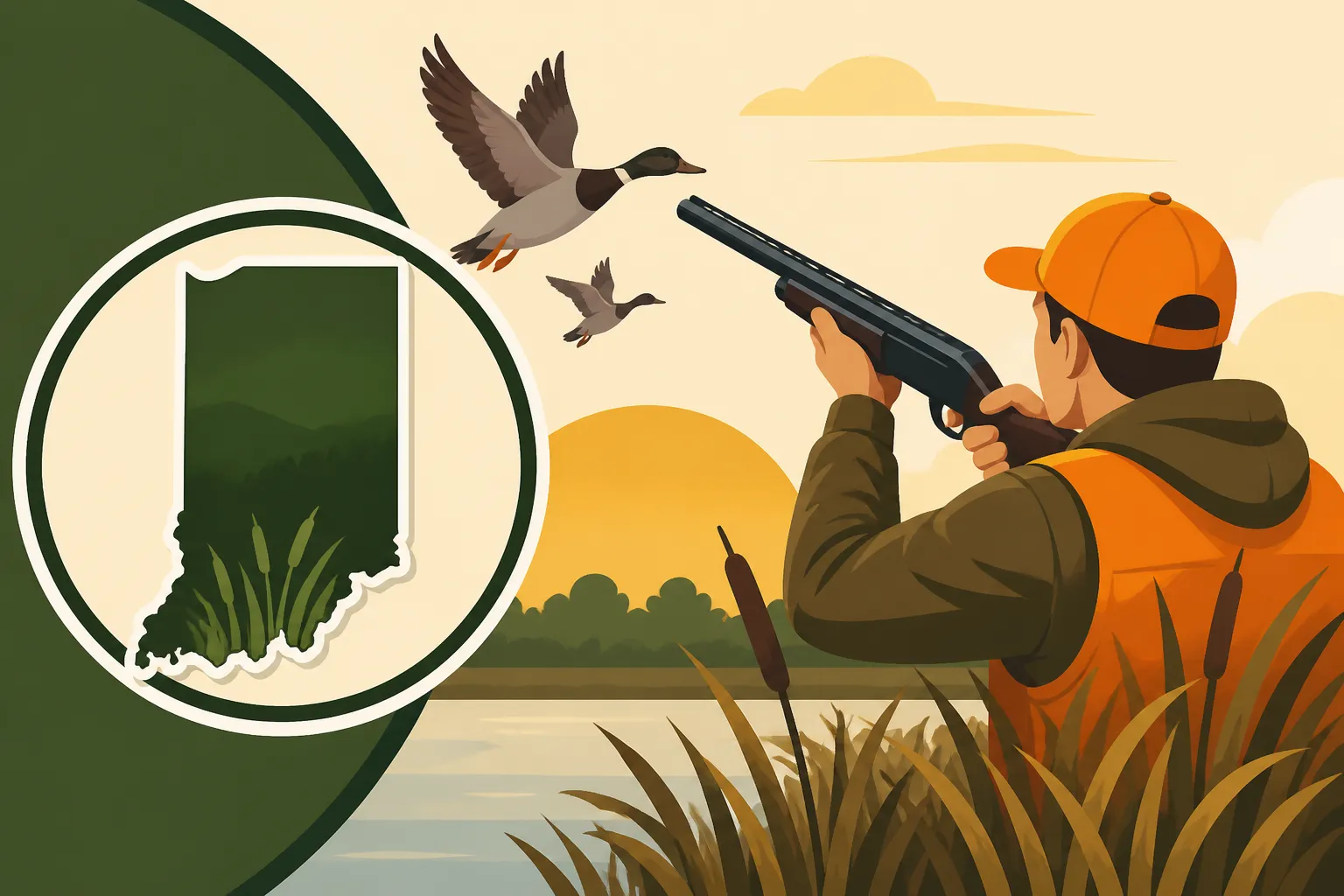
That crisp autumn air, the rustle of dry leaves underfoot, the anticipation of a flush or the distant call of geese – these are the moments every Indiana bird hunter lives for. You've probably spent countless hours scouting, patterning your shotgun, and maybe even setting up blinds. But before you can truly lose yourself in the hunt, there's always that nagging question about the paperwork, specifically the Indiana HIP certification. It can feel like just another bureaucratic hoop, an extra step that pulls you away from the excitement of the field. Don't worry, you're not alone in that feeling. This comprehensive guide is here to demystify Indiana's HIP certification, explain exactly why it's vital for bird hunters, and walk you through the simple process of getting it, so you can focus on what truly matters: a successful and responsible hunt.
Unpacking Indiana's HIP Certification: What It Is and Why You Need It
It’s easy to get bogged down in the minutiae of hunting regulations. You've already bought your Indiana hunting license, maybe even a specific tag for deer or turkey, and now the state or federal government asks for another certification just for birds. It's completely understandable to feel a bit of frustration or confusion about this. You might think, "Isn't my license enough?" But the Harvest Information Program (HIP) certification isn't just another license; it's a critical component of migratory bird management across the entire country, and Indiana plays a crucial role in that system.
More Than Just a License: The "Why" Behind HIP
At its heart, HIP certification is a federal program designed to collect data on migratory bird hunters. Think of it less like a permit to hunt and more like signing up for a specialized survey. The U.S. Fish and Wildlife Service (USFWS), in cooperation with state wildlife agencies like the Indiana Department of Natural Resources (DNR), needs accurate information to manage populations effectively. Without knowing how many people are hunting certain species and what their harvest trends look like, it would be impossible to set sustainable season dates and bag limits.
This data collection is paramount because migratory birds, by their very nature, don't respect state lines. A flock of ducks might breed in Canada, pass through Indiana on its way south, and winter in Louisiana. Each state along their migration route needs to contribute to a collective understanding of the population. When you complete your HIP certification, you're essentially telling the USFWS that you intend to hunt migratory birds, and you'll then be included in a pool of hunters who might be randomly selected to participate in a follow-up harvest survey. This might sound like a hassle, but the aggregate data from these surveys helps biologists ensure healthy populations for future generations of hunters. It’s a direct contribution to conservation, even if you never fill out another survey after your initial certification.
Who Needs HIP? Understanding the Requirements
The requirement for HIP certification in Indiana is quite specific: if you plan to hunt any migratory game birds, you need it. This isn't just about ducks and geese, although they're certainly a big part of it. The list of migratory game birds requiring HIP certification in Indiana includes:
- Doves: Mourning doves are incredibly popular in Indiana, especially during the early fall.
- Ducks: All species of ducks, from mallards to wood ducks, fall under this umbrella.
- Geese: Canada geese, snow geese, and Brant all require HIP.
- Woodcock: These elusive woodland birds are a favorite among many upland hunters.
- Snipe: Often found in marshy areas, snipe also require HIP.
- Rails, Coots, and Gallinules: These less commonly hunted wetland birds are also migratory and require certification.
It’s important to note what isn't on this list. Species like pheasants, quail, rabbits, squirrels, and wild turkeys (even though many turkey hunters are also bird hunters) are not migratory game birds under federal law and therefore do not require HIP certification. If your hunting plans for the fall only include pursuing pheasants or squirrels, you can skip HIP. However, if you plan on even a single morning of Dove Hunting a Cut Indiana Field or a dedicated trip to the Waterfowl Hunting the Kankakee Marshes, that HIP certification is a must-have. Don't risk a fine over a simple oversight.
The Straightforward Path to Your Indiana HIP Certification
Getting your Indiana HIP certification might seem like an extra step, but honestly, the process itself is quite simple and takes just a few minutes. It's designed to be integrated into your existing hunting license purchase or renewal, making it a relatively painless addition to your annual preparations. The Indiana Department of Natural Resources (DNR) has streamlined the system, so there's no need to dread a complicated form or a separate trip to a special office.
Navigating the Go Outdoors Indiana Process
The easiest and most common way to obtain your HIP certification is through the official Go Outdoors Indiana licensing system. This is the same platform you use to purchase your Indiana Resident License Options, deer tags, or Indiana Federal Duck Stamp Requirement. Whether you're buying a new license for the season or just adding HIP to an existing license, the steps are straightforward:
- Access Go Outdoors Indiana: Head to the Go Outdoors Indiana website. If you don't already have an account, you'll need to create one, which links to your customer ID.
- Select Your Licenses/Permits: Navigate to the section where you can purchase or add licenses. You’ll find an option for the "Harvest Information Program (HIP)" stamp or certification. It's usually a small fee, often just a dollar, or sometimes even free, but the key is going through the steps to formally acquire it.
- Complete the Survey: This is the core of the HIP program. You'll be asked a series of questions about your migratory bird hunting activity from the previous season. These questions typically include:
- Which species of migratory birds did you intend to hunt last season? (e.g., doves, ducks, geese, woodcock)
- Approximately how many of each species did you harvest last season?
- Did you hunt at all for these species last season?
It’s absolutely crucial to answer these questions honestly and to the best of your recollection. Even if you didn't hunt a particular species last year, or if you didn't harvest anything, that information is still valuable data. Don't feel pressured to inflate numbers or guess wildly. The integrity of the data relies on your truthful responses. Companies like GoHunt, which often integrate with state licensing systems, make this process user-friendly by guiding you through the questions clearly, helping ensure you don't miss any critical steps.
- Confirm and Purchase: Once you've completed the survey and added the HIP certification to your cart (if it's not automatically included with your migratory bird stamps), proceed to checkout. The system will process your request, and your HIP certification will be digitally linked to your customer profile and printed on your physical license or available through the digital version.
Remember, this is not just a formality. The data you provide helps the Indiana DNR and USFWS manage populations, ultimately impacting future Indiana Duck Daily Bag Limit regulations and Indiana Woodcock Season Dates. It takes just a moment, but its impact is felt for years to come.
Proof of Certification: What to Carry Afield
Once you've completed the online process through Go Outdoors Indiana, your HIP certification will be recorded. The question then becomes, what do you need to carry with you when you're actually out hunting? The answer is simple: you need proof that you are HIP certified.
Typically, when you purchase your hunting license and add your HIP certification, it will be clearly printed on your physical license document. If you're utilizing a digital version of your license on your smartphone, the HIP certification will be reflected there as well. The convenience of platforms like GoHunt and the Indiana DNR's own app means that often, your entire licensing portfolio, including your HIP, federal duck stamp, and Indiana Goose Season Dates information, is accessible right from your device.
Regardless of whether you prefer a physical copy or a digital one, ensure you have it with you. Indiana conservation officers conduct checks in the field, and they can request to see your hunting license, permits, and HIP certification. Not having it, even if you genuinely completed it, can lead to a citation or a disrupted hunt. Imagine finally getting to that perfect spot along the Wabash River bottoms, only to realize you left your proof of HIP at home. It’s a frustrating scenario that's easily avoidable. Double-check your wallet or your phone before heading out for any migratory bird hunt.
Clearing Up Common Questions and Misconceptions
Despite how straightforward the HIP certification process is, it's totally normal to have questions. Hunters, especially those new to migratory bird hunting or those who only occasionally pursue these species, often wonder about the specifics. Let’s tackle some of those common confusions and frustrations.
"I Only Hunt Doves Once! Do I Still Need It?"
This is a question heard frequently around the campfire or at the local sporting goods store. A lot of hunters might only venture out for the Dove Hunting a Cut Indiana Field opener, or maybe hit a public wetland for ducks just once or twice during the season. The thought often goes, "My impact is so small, surely I don't need to jump through this hoop?"
The answer, definitively, is yes, you still need it. The rule isn't based on how many times you hunt migratory birds, nor is it based on whether you expect to harvest anything. It’s based on the intent to hunt them. If you carry a shotgun into the field with the aim of shooting a migratory bird, you must be HIP certified. Even if you strike out completely and don't fire a single shot, or if you only shoot one dove, your status as an active migratory bird hunter is still valuable data for the USFWS.
Consider it from the perspective of scientific data collection. If every hunter who "only hunts once" decided to skip HIP, a significant portion of the active hunting population would be missed in the survey pool. This would lead to skewed data, potentially underestimating hunting pressure or harvest numbers, and ultimately making it harder for biologists to manage populations accurately. So, whether you're a hardcore waterfowler or an occasional dove hunter, that little certification plays a big part in the collective effort.
Hunting on Private Land vs. Public Land: Does It Matter?
Another common misconception revolves around land ownership. Many hunters rightly understand that public land often has its own set of rules, such as specific Treestand Setups in Hoosier National Forest or Ground Blind Rules on Indiana Wildlife Areas. This can lead to the assumption that if you're hunting on your own property or a private farm with permission, some of these "extra" requirements might not apply.
However, when it comes to HIP certification, the distinction between private and public land simply doesn't exist. The requirement for HIP is based solely on the species you are hunting, not where you hunt them. Migratory birds don't carry property deeds or recognize fence lines. A mourning dove flying over a private soybean field is still the same species as one flying over a public dove field.
So, whether you're Hunting Northern Indiana Farmland Deer or trying to jump-shoot ducks on a creek flowing through private property, if you're pursuing migratory birds, HIP certification is mandatory. It's a federal mandate that applies wherever you are within the state's borders. There's no special exemption for private land, just as there isn't for an Indiana Landowner Deer Permit Rules if you're not specifically managing deer for damage. Always assume the most stringent requirements apply when it comes to federal regulations for species that cross state and international boundaries.
The Bigger Picture: Why HIP is Vital for Indiana's Migratory Bird Future
It's easy to view hunting regulations as just hoops to jump through, especially when you’re eager to get out in the field. But the Harvest Information Program is truly more than that. It's a foundational piece of migratory bird conservation in North America, and your small act of certification in Indiana contributes to a much larger, vital effort.
Contributing to National Migratory Bird Management
Indiana sits squarely within the Mississippi Flyway, one of the four major bird migration routes across North America. Millions of birds – from tiny woodcock to massive Canada geese – pass through our state each spring and fall. Managing these populations effectively requires a monumental, coordinated effort between federal agencies like the U.S. Fish and Wildlife Service, and state wildlife departments across dozens of states, Canadian provinces, and even Mexico.
When you complete your Indiana HIP certification, the data you provide isn't just stored in a local Indiana database. It's aggregated with data from every other state along the flyway, painting a comprehensive picture of hunter participation and harvest across vast geographic regions. This collective dataset allows biologists to:
- Track population trends: Are duck numbers up or down? Are woodcock populations stable?
- Assess habitat health: Changes in harvest or hunter effort can sometimes signal changes in habitat quality along migration routes.
- Understand hunter effort: Knowing how many people are hunting specific species helps manage pressure.
Without this granular data from individual hunters, the federal government would be flying blind when it comes to migratory bird management. Your participation, however minor it may feel, is a direct link in this continent-wide chain of conservation. It’s part of the reason why we still have vibrant Indiana Waterfowl Migration Timing to look forward to each year.
Data Collection and Future Season Setting
The most direct impact of HIP data is on the setting of hunting seasons and bag limits. Every year, wildlife biologists pore over the previous season's harvest data, population surveys (like breeding pair counts for ducks), and environmental conditions to make recommendations for the upcoming seasons. Your HIP survey responses are a crucial input for this process.
Here's how it generally works:
- Hunter Surveys: A subset of HIP-certified hunters are randomly selected by the USFWS to participate in detailed harvest surveys. These surveys ask for specific information about the number of birds harvested by species, when and where they were taken, and how much effort was expended.
- Population Monitoring: This hunter-reported data is combined with biological surveys, such as aerial counts of Mallards and Geese on Kankakee Marshes or Indiana Woodcock Singing Ground Surveys.
- Analysis and Recommendations: Biologists analyze all this data to determine the health of various migratory bird populations. If a population is struggling, more conservative regulations might be recommended, like reduced Indiana Duck Daily Bag Limit or shorter Indiana Goose Season Dates. If a population is thriving, more liberal seasons might be proposed.
- Regulatory Process: These recommendations go through a multi-stage federal and state regulatory process, involving public comment and scientific review, before final season frameworks are set. States then set their specific seasons within those federal frameworks.
If hunters fail to get HIP certified or provide inaccurate information, the entire data collection system suffers. Inaccurate data can lead to management decisions that are either too restrictive (unnecessarily limiting hunting opportunities) or, worse, not restrictive enough (potentially harming bird populations). So, when you take those extra few minutes to answer the HIP questions truthfully on Go Outdoors Indiana or through an integrated platform like GoHunt, you're directly contributing to the science that ensures sustainable hunting opportunities for yourself and generations to come. It’s a quiet but powerful act of stewardship, supporting not just the birds, but the future of Indiana Hunting Licenses and What They Cost and the heritage itself.
Indiana Migratory Bird Hunting Requirements At A Glance
| Species Group | HIP Certification Required | Federal Duck Stamp Required | Common Indiana Seasons |
|---|---|---|---|
| Doves | Yes | No | September – October (Fall Archery/Firearms) |
| Ducks (all species) | Yes | Yes | Fall/Winter (Waterfowl) |
| Geese (all species) | Yes | Yes | Fall/Winter (Waterfowl) |
| Woodcock | Yes | No | October – November (Fall Archery/Firearms) |
| Snipe | Yes | No | September – December (Fall Archery/Firearms) |
| Rails, Coots, Gallinules | Yes | No | September – November (Fall Archery/Firearms) |
| Wild Pheasant, Quail, Rabbit, Squirrel | No | No | Fall/Winter (Small Game) |
| Wild Turkey | No | No | Spring & Fall (Turkey) |
Note: While Fall Turkey hunting does not require HIP, always check specific Indiana Fall Turkey Season Structure for additional permits.
Reminder: Indiana Federal Duck Stamp Requirement is needed for all duck and goose hunting, in addition to HIP.
Disclaimer
The information provided in this guide is for general informational purposes only and is not intended as legal advice. Hunting regulations and licensing requirements can change, so it is crucial to always consult the most current Indiana hunting regulations published by the Indiana Department of Natural Resources (DNR) before participating in any hunting activity. Always confirm season dates, bag limits, and specific requirements for the species and areas you intend to hunt.