Taking Indiana Hunter Education Online
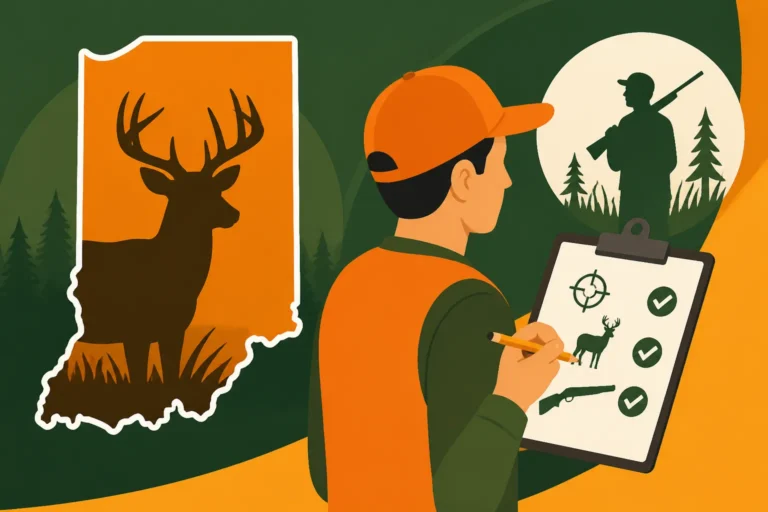
It can feel like a real hurdle when you’re eager to hit the woods or fields in Indiana, but you’re staring down the barrel of hunter education requirements. Between work, family, and life's endless demands, finding the time for a multi-day in-person class just isn't always feasible. This guide is here to walk you through the ins and outs of taking Indiana hunter education online, helping you understand the options, what’s required, and how to get certified efficiently so you can legally and safely enjoy our state's incredible hunting opportunities.
Why Hunter Education is a Must-Do for Many Hoosiers
Before we dive into the online specifics, let’s clear up why hunter education is such an important step, and for whom it's absolutely mandatory here in the great state of Indiana. It's not just a hoop to jump through; it's a foundational experience that sets you up for a lifetime of safe and responsible hunting.
The Legal Lowdown: Who Needs Certification in Indiana?
If you were born after December 31, 1986, then, my friend, hunter education isn't just a suggestion—it's a legal requirement to purchase an Indiana hunting license. This rule is pretty straightforward and ensures that a vast majority of new hunters entering the field have a baseline understanding of firearms safety, hunting ethics, and wildlife conservation. Even if you're an experienced shooter or grew up around hunting, the law's the law, and that certificate is your ticket to legally pursuing game. The good news is that Indiana honors hunter education certifications from other states and provinces, so if you took a course elsewhere that meets similar standards, you're likely all set. This reciprocity is a huge help for folks who might move to Indiana or took their initial course in a different location. You can find more specific details about these requirements, including age specifics, in our guide on Indiana Hunter Education Requirements.
Beyond the strict legal mandate, taking a hunter education course, even if you’re technically exempt due to age, is always a fantastic idea. There’s always something new to learn, a different perspective to gain, or a safety tip to reinforce. It's about more than just the basics; it’s about continually honing your skills and knowledge for the betterment of yourself and the sport.
Building Safe and Ethical Hunters
At its core, hunter education is about safety. Period. Hunting, while incredibly rewarding, involves firearms and other sharp tools, often in challenging outdoor environments. Accidents can happen, and this course is designed to drastically reduce that risk. You’ll learn critical lessons about firearm handling, how to transport your gear safely, proper shooting techniques, and the importance of identifying your target and what lies beyond it. Think about the peace of mind you'll have knowing you've been thoroughly trained to prevent mishaps, whether you're climbing into a treestand or walking through thick cover during firearms season.
But it’s not just about what you do with a firearm; it’s about how you act as a hunter. The ethical side of the course covers everything from respecting landowners and private property to understanding fair chase principles and proper field dressing techniques. It teaches you about the role of hunters in conservation, how your license fees contribute directly to wildlife management, and the responsibility we all share to protect our natural resources. This blend of practical safety and ethical considerations truly molds a responsible hunter, ensuring our traditions endure for generations. It’s a comprehensive look at how to be a good steward of the land and a respectful participant in the outdoor world.
Understanding Indiana's Blended Approach to Online Hunter Education
Alright, let's talk about the specific path for getting certified when you opt for the online route in Indiana. It's not quite as simple as just taking a course fully online and printing a certificate from your home office, especially for new hunters seeking an Indiana certificate. Our state has a blended approach that combines the convenience of online learning with essential hands-on training.
The Online Course Component
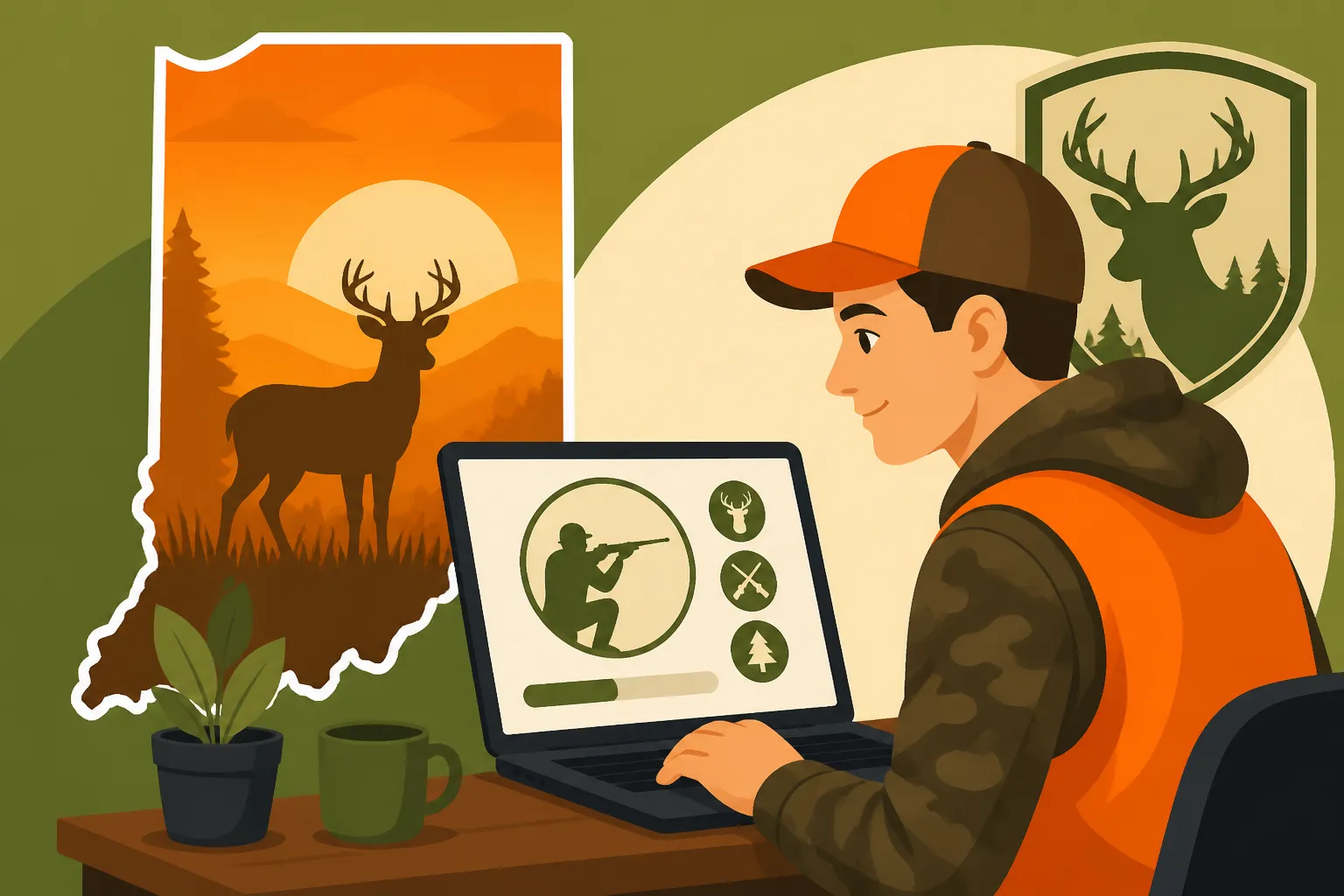
The online portion of Indiana's hunter education is designed for flexibility. It allows you to study the material at your own pace, from the comfort of your home, or wherever you have an internet connection. This is a huge benefit for busy individuals who can't commit to a rigid classroom schedule. You might work on modules during your lunch break, after the kids are in bed, or on a slow Saturday morning. The self-paced nature means you can re-read sections you find challenging, watch instructional videos multiple times, and truly absorb the information without feeling rushed.
These online courses typically cover a wide array of topics, including:
- Firearms Safety: The fundamental rules of safe gun handling, storage, and transport.
- Hunting Techniques: Basic strategies for deer, turkey, small game, and waterfowl.
- Wildlife Identification: Learning to distinguish between game species, and sometimes even identifying gender or age, which is crucial for bag limits.
- Conservation and Management: Understanding the ecosystem, game laws, and the hunter's role in wildlife population health.
- Survival and First Aid: Essential skills for being prepared in the backcountry.
- Indiana Hunting Regulations: Specific laws and rules for our state, which are constantly updated and can be complex.
Many providers offer these online courses, and they're usually structured with interactive quizzes after each module to test your understanding. You'll progress through the material, passing these quizzes until you complete the entire online curriculum. Think of it as your digital textbook and classroom combined, providing all the theoretical knowledge you need. When considering your options, checking out resources like GoHunt can sometimes provide insights into which online courses are officially recognized and preferred by other Hoosier hunters.
The Mandatory Field Day Experience
Here's the crucial part for most Indiana residents pursuing their first hunter education certificate: the online course alone is usually not enough. For those required to complete hunter education by Indiana law, especially youth, you’ll almost certainly need to attend a mandatory in-person field day after completing the online portion. This blended approach is common and highly effective because some things just can't be taught effectively through a screen.
What can you expect at a field day? It's a hands-on experience that takes all that theoretical knowledge you gained online and puts it into practice. You'll spend several hours with certified instructors and fellow students, learning practical skills such as:
- Live-Fire Exercises: Safely handling and shooting a variety of firearms, including shotguns and .22 rifles, under strict supervision. This builds confidence and competence.
- Archery Safety: If you're planning on bowhunting, you'll get instruction on safely using archery equipment.
- Treestand Safety: Practicing proper use of safety harnesses and understanding safe entry and exit from treestands. This is incredibly important for anyone planning on Treestand Setups in Hoosier National Forest or anywhere else.
- Blood Trailing and Recovery: Learning how to follow a blood trail and safely recover game, often using simulated scenarios.
- Survival Skills: Practicing basic outdoor survival techniques, like starting a fire or navigating.
- Ethical Scenarios: Discussing real-world hunting scenarios and making ethical decisions.
The field day typically concludes with a final proctored exam, which tests both your knowledge from the online course and the practical skills you learned during the field session. You'll need to pass both the online course and the field day exam to receive your official Indiana Hunter Education Certificate. Scheduling these field days can sometimes be a challenge, particularly closer to hunting seasons, so it's always a good idea to plan ahead and sign up as early as possible.
Table: Indiana Hunter Education Paths Explained
To help clarify the different routes to certification in Indiana, here's a quick overview:
| Path to Certification | Requirements | Best For | Notes |
|---|---|---|---|
| Traditional Classroom | ~10-16 hours in-person instruction, no online component. | New hunters (especially youth) who prefer direct interaction, no internet access issues. | Most comprehensive, all-inclusive instruction. Covers all required material and practical skills in one continuous setting. |
| Blended Course (Online + Field Day) | Online self-paced study + ~4-6 hours mandatory in-person field day with live-fire and practicals. | Busy individuals/families who need flexibility for theoretical learning but still require an Indiana certificate. | This is the most common path for new Indiana hunters needing certification who choose online learning. The online portion is completed first, followed by the field day and a proctored exam. |
| Reciprocal Certification | Hunter Education certificate from another state or province. | Hunters moving to Indiana or who completed a course out-of-state. | Indiana honors certifications from other jurisdictions if they meet or exceed Indiana's standards. Always carry proof of your certification. |
| Apprentice License | Hunt under the direct supervision of a licensed adult. No certification needed initially. | New hunters exploring the sport or waiting to take a course. | Allows individuals (of any age, even those born after 1986) to hunt for up to one year without certification. Must be accompanied by a licensed hunter 18+. See Indiana Apprentice Hunter License Rules for details. |
Maximizing Your Online Learning and Field Day Experience
Successfully navigating the online hunter education process and making the most of your field day can significantly impact your journey into hunting. It’s about being prepared, engaged, and understanding how to apply what you’ve learned.
Tips for Crushing the Online Course
The self-paced nature of online courses is a blessing, but it also requires a bit of self-discipline. Here are some tips to help you succeed:
- Set a Schedule: Even though it's flexible, try to set aside dedicated time each week to work on the modules. This prevents procrastination and ensures you complete it before you need to sign up for a field day.
- Take Notes: Treat it like a real class. Jot down key safety rules, definitions, and specific Indiana regulations. These notes will be invaluable for reviewing before quizzes and the final exam.
- Engage with the Material: Don't just click through. Watch the videos, read the explanations thoroughly, and actively think about the scenarios presented. Imagine yourself in those situations. This active learning makes the information stick.
- Review Quizzes: If you get questions wrong on the module quizzes, take the time to understand why you got them wrong. This is where real learning happens, not just memorization.
- Don't Rush: While you might be eager to get through it, rushing will only lead to poor retention and potentially needing to retake sections. Enjoy the learning process. It's foundational knowledge for a lifelong hobby.
- Utilize GoHunt (for external resources): While the official course material is paramount, supplementing your learning with articles or videos found through platforms like GoHunt can sometimes offer additional context or real-world application examples, especially for things like understanding game movement or effective gear choices.
Remember, the goal isn't just to pass the test; it's to internalize the safety principles and ethical responsibilities that will make you a competent and respected hunter.
Making the Most of Your Field Day
The field day is your chance to solidify your knowledge and gain practical experience. Here’s how to ensure you get the most out of it:
- Come Prepared: Wear appropriate clothing for the weather, as you'll likely be outdoors. Bring snacks, water, and anything else you might need for several hours. Most importantly, bring your completed online course certificate. No certificate, no field day!
- Ask Questions: This is your opportunity to interact with experienced, certified instructors. If something isn't clear from the online course, or you have a specific scenario you're wondering about, ask! No question is too basic when it comes to safety.
- Engage in the Practical Exercises: Don't be shy. Get hands-on with the firearms (under supervision, of course), practice the treestand safety drills, and participate in all the activities. This muscle memory and direct experience are priceless.
- Listen Actively: Pay close attention to the instructors. They're sharing decades of experience and wisdom, not just reciting rules. Their insights can be invaluable for understanding the nuances of hunting safely and successfully in Indiana.
- Network: You'll be spending time with other new hunters. This is a great chance to meet like-minded individuals, potentially find a mentor, or even plan future hunts together. The hunting community thrives on shared knowledge and camaraderie.
- Review Your Online Material Beforehand: A quick refresher of the key points from your online course before the field day can make a big difference in how well you perform on the proctored exam and how confidently you participate in the practicals.
Completing hunter education opens the door to so many incredible experiences, from the quiet solitude of Still-Hunting Southern Indiana Ridges to the camaraderie of a successful Deer Drives on Indiana Public Land. It’s the first essential step in becoming a part of Indiana’s rich hunting heritage.
Understanding Certification and Future Steps
Once you've successfully completed both the online portion and the in-person field day (or a traditional course), you'll receive your official Indiana Hunter Education Certificate. This small piece of paper (or digital record) is a big deal!
Getting Your Official Certificate
After successfully passing the final exam at your field day, the instructors will provide you with your certificate. It's usually a physical card or a printable document. Make sure to keep this certificate in a safe place. While you typically won't need to present it every time you purchase a license after the first time (your information will be in the system), it's always wise to have proof. Think of it like your driver's license for hunting. You might consider scanning a copy or taking a picture of it and saving it to your phone, as our guide on Carrying Proof of License on Your Phone suggests for all your hunting documents.
This certificate is recognized statewide, and as mentioned, across other states and provinces. This means if you decide to hunt out of state, your Indiana certification will generally be accepted.
What Comes After Certification?
With your hunter education certificate in hand, you're ready to take the next exciting step: purchasing your Indiana hunting license!
- Purchase Your License: Head over to the Go Outdoors Indiana website, visit an authorized license vendor (like a sporting goods store), or use the GoHunt app to purchase your Indiana hunting license. You’ll need a base license, and then depending on what you plan to hunt, additional stamps or tags like a deer license or a turkey license. Our comprehensive guide on Indiana Hunting Licenses and What They Cost is an excellent resource for breaking down the various options and prices.
- Scouting and Preparation: Now the real fun begins! With your certification and license, you can start actively scouting public lands like the Hoosier National Forest or any of our amazing Fish and Wildlife Areas. Use mapping tools, look for signs, and learn the landscape. Early scouting, as detailed in Scouting Indiana Public Land Before Season, can make a huge difference come opening day.
- Gear Up: Make sure you have the right gear, from appropriate clothing (don't forget Indiana Blaze Orange Requirements for safety!) to firearms or archery equipment. Take the time to pattern your shotgun for turkey hunting or sight in your rifle for deer season. Understanding what firearms are legal for deer is also key; check out Indiana Legal Firearms for Deer Hunting for current regulations.
- Understand Regulations: Hunting regulations, seasons, and bag limits can vary by species and even by county. Always consult the current Indiana hunting guide from the DNR. Knowing key dates, such as Indiana Deer Season Structure Explained or Indiana Spring Turkey Opening Day, is essential. Don't rely on old information or hearsay.
- Mentorship: If you're still feeling a bit green, consider finding a mentor. Many experienced hunters are happy to take a new hunter under their wing. This informal apprenticeship can teach you nuances that even the best courses can't cover. Even if you've done the hunter education, having someone guide you through your first few hunts is invaluable.
Taking Indiana Hunter Education online, paired with the mandatory field day, is a well-rounded and flexible approach to becoming a certified hunter. It's a commitment, but one that rewards you with confidence, safety, and the lifelong joy of hunting in Indiana's beautiful outdoors.
Disclaimer
The information provided in this guide is for general informational purposes only and does not constitute legal advice. Hunting regulations in Indiana are subject to change. Always consult the most current Indiana Department of Natural Resources (DNR) hunting regulations and laws before participating in any hunting activities. It is your responsibility to know and follow all applicable laws.