How Close an Indiana Mentor Must Stay
The thought of taking a young person hunting for the first time is incredibly exciting, but for many new mentors, it also comes with a lot of questions and a touch of anxiety. You want to pass on a love for the outdoors and the tradition of ethical hunting, but you also want to make absolutely sure you're doing everything by the book, especially when it comes to the rules around supervising a minor. It can feel like there's a lot to remember, and the last thing you want is a legal issue overshadowing a precious memory. This comprehensive guide will walk you through exactly how close an Indiana mentor must stay to their apprentice hunter, clarifying the official rules and offering practical advice for various hunting scenarios to ensure a safe, legal, and truly rewarding experience for everyone involved.
Understanding Indiana's Mentored Youth Hunting Program
Indiana's Mentored Youth Hunting Program is a fantastic initiative designed to introduce the next generation to hunting and wildlife conservation in a safe and supportive environment. It’s all about creating those foundational experiences and instilling a deep respect for the outdoors.
The Spirit Behind the Rules
The core idea behind allowing youth to hunt under a mentor, even before completing their full hunter education course, is to remove initial barriers while prioritizing safety and education. We all remember that first time in the woods, the thrill of seeing deer or hearing a gobbler, and the mentors who guided us. This program aims to replicate that, helping to pass down a vital tradition. It's not merely about enabling a child to pull a trigger and fill a tag; it's about nurturing a responsible hunter from the ground up.
The rules, particularly those concerning proximity, are fundamentally about safety. A young person, especially one new to handling firearms or archery equipment, needs immediate guidance and, if necessary, intervention. This direct supervision mitigates risks, prevents accidents, and ensures that critical lessons in ethical hunting are learned in real-time. For many families, this program bridges the gap, allowing younger kids to join the hunt and learn hands-on before they're old enough or experienced enough to venture out independently. Eventually, they will need to meet the full Indiana Hunter Education Requirements to hunt alone, but the mentored program gives them an incredible head start.
Who Qualifies as a Mentor and Youth
The Indiana DNR has clear guidelines on who can be a mentor and who qualifies as a youth apprentice hunter. It's crucial to understand these distinctions to ensure you're in compliance.
- The Mentor: To qualify as a mentor, you must be at least 18 years old and possess a valid Indiana hunting license (or a lifetime license, or be exempt from needing a license if hunting on your own land, for instance). If you were born after December 31, 1986, you also need to have successfully completed a state-approved hunter education course yourself. The mentor must carry all necessary licenses and tags for the specific game being hunted, as the youth is essentially hunting under the mentor's licensing umbrella. This means if your youth wants to pursue deer, you, the mentor, must possess the appropriate deer tag.
- The Youth: An apprentice hunter is defined as anyone under the age of 18. The real benefit of this program is that youth hunters do not need to complete hunter education to participate, nor do they need to purchase their own individual hunting license. Instead, they operate under an Apprentice Hunter License, which is a specific type of license designed for this program, or sometimes even without it if they are under a certain age and accompanied by a licensed adult. You can learn more about the specifics of these permits in our guide to Indiana Apprentice Hunter License Rules. The youth apprentice hunter is allowed to take game for which the mentor has a valid license or tag, up to the mentor's bag limit for that game species. This arrangement allows for flexibility and encourages participation without the immediate burden of full hunter education.
Deciphering "Direct Supervision": The Proximity Mandate
This is where we get to the heart of the matter: how close do you, the mentor, actually need to be? The Indiana DNR is very specific, and these rules are non-negotiable for safety and legal reasons.
The Official Indiana DNR Stance on Proximity
The term "direct supervision" isn't left open to vague interpretation. The Indiana Department of Natural Resources (DNR) clearly outlines two distinct proximity requirements based on the age of the youth hunter:
- For Youth Under 13 Years Old: If your apprentice hunter is under the age of 13, the rule is unequivocally stated: the mentor must remain "within arm's reach" of the youth at all times. This isn't just a suggestion; it's a hard rule. "Within arm's reach" means exactly what it sounds like—close enough that you could physically touch the youth or the hunting equipment they are using with an outstretched arm. In practical terms, this means you are sitting right beside them, standing right next to them, or maintaining that immediate, tangible proximity. The reason for this strict rule is paramount safety. A child under 13 might struggle with recoil, might forget a safety rule in the heat of the moment, or might not yet possess the physical dexterity or decision-making skills to handle a hunting situation entirely on their own. Being within arm's reach allows the mentor to immediately assist, correct, or even prevent an unsafe action.
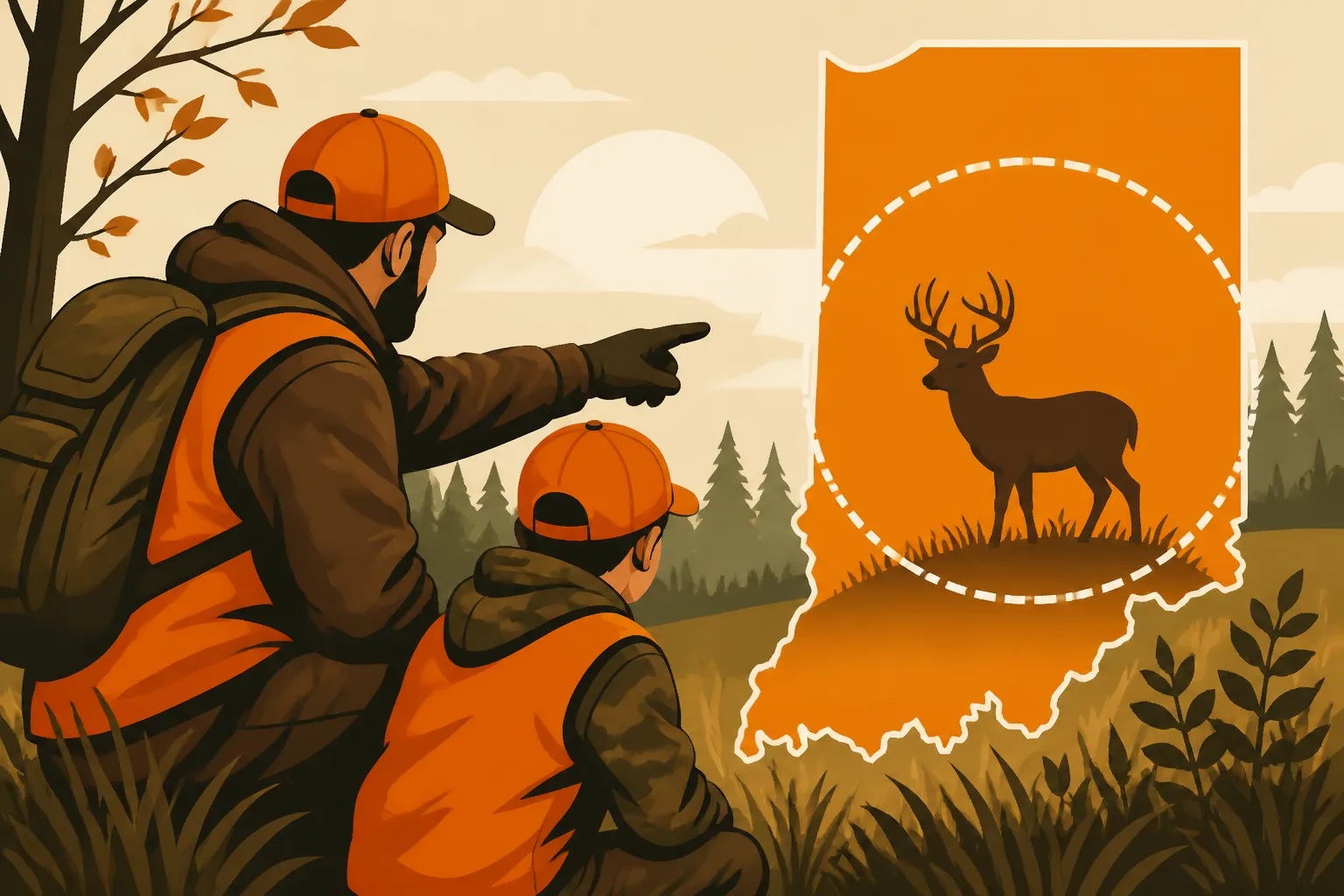
- For Youth 13-17 Years Old: For apprentice hunters aged 13 through 17, the rule loosens slightly but still demands close attention. The mentor must be "in the direct vicinity" of the youth. While "direct vicinity" offers a little more breathing room than "arm's reach," it absolutely does not mean you can be across a field, on a different ridge, or out of sight and sound. It means you must be close enough to communicate effectively, to observe the youth's actions, and to intervene quickly if necessary. This implies maintaining a clear line of sight, being able to speak to them without shouting excessively, and generally being in the same immediate hunting area. The intent remains safety and guidance, recognizing that a teenager might have more experience or physical capability but still benefits from the immediate presence and oversight of an experienced hunter.
It's critical to remember that these rules are designed to prevent accidents. They underscore the mentor's primary responsibility to ensure the safety of the youth, themselves, and others in the field.
Practical Interpretations in Diverse Hunting Scenarios
Let's break down what "within arm's reach" and "in the direct vicinity" actually look like in real-world hunting situations across Indiana's varied landscapes.
Treestand Hunting
When you’re up in a treestand, especially if you're targeting deer during bow season or even the firearms season, maintaining proximity is straightforward but absolutely essential. For a youth under 13, you must be in the same stand, typically sitting right beside them. This allows you to help them with the equipment, confirm target identification, and manage any potential excitement or nervousness. You might even have your hand on the gun or bow until the shot is clear and safe. Even for older youth (13-17), being in the same stand is often the safest and most practical approach to ensure you're "in the direct vicinity" and can provide immediate guidance. Remember, proper treestand safety, including the use of a full-body harness for both mentor and youth, is paramount. We've got a great resource on Treestand Setups in Hoosier National Forest that emphasizes safety and effective placement. Never compromise on safety to get a better shot, especially with a young hunter.
Ground Blind Hunting
Hunting from a ground blind is one of the easiest scenarios to ensure proper mentor proximity. Whether you're hunting deer from a field edge or calling turkeys in the spring, a ground blind naturally keeps you and your youth close. For kids under 13, you'll be sitting shoulder-to-shoulder, easily within arm's reach. For older youth, the intimate space of a blind means you're inherently in the "direct vicinity." This setup allows for quiet conversation, whispered instructions, and immediate control over the situation. It's an excellent way to introduce new hunters to the sport without the added complexities of being elevated. Consider checking out our guide on Using a Ground Blind on Indiana Public Land for tips on effective setups that also lend themselves well to mentoring.
Still-Hunting or Stalking
Still-hunting—the art of moving slowly and deliberately through the woods, pausing frequently to observe—can be a bit more challenging for maintaining strict proximity, especially with very young children. For a youth under 13, the "within arm's reach" rule means you'll essentially be moving as one unit. You'll need to keep them right beside you, constantly aware of their movements and the direction of their muzzle. This often means you'll be the one doing most of the active "hunting" and guiding the youth, rather than them taking the lead. For youth aged 13-17, "in the direct vicinity" still implies you are very close, perhaps a few steps behind or beside them, maintaining constant visual and verbal contact. This isn't the time for them to range off 50 yards ahead or behind you. The goal is a shared experience with immediate oversight.
Drive Hunting
While not always recommended for very young or inexperienced hunters, deer drives are a common tactic on Indiana public land, particularly during the firearms season. If you choose to involve an apprentice hunter in a drive, the proximity rules still apply. A mentor must be with the youth, maintaining "arm's reach" or "direct vicinity" depending on their age. This means the mentor and youth would typically be walking together as part of the driving line, or standing together at a designated post. You cannot "post" a youth by themselves while you go off to drive or post elsewhere. The essence of direct supervision means the youth is never left alone in a hunting situation. For insights into this method, you can read more about Deer Drives With Three or Four Hunters. In all these scenarios, ensuring both you and your youth are wearing the proper amount of blaze orange (or pink, where legal) is crucial for visibility and safety, a topic we cover in depth in our Blaze Orange Requirements article.
| Age of Youth Hunter | Proximity Rule | Practical Interpretation | Key Considerations |
|---|---|---|---|
| Under 13 years old | Within arm's reach | Physically next to the youth, able to touch them or their equipment immediately. | Direct physical control and intervention, especially critical for firearm safety and target identification. Ensures immediate response to any unsafe action or emergency. |
| 13-17 years old | In the direct vicinity | Close enough to communicate effectively (e.g., in a whisper), observe actions, and intervene quickly. Maintain visual and audible contact. | Allows for slightly more independent learning while still ensuring immediate oversight. Still prohibits being separated by significant distance or out of sight/sound. Focus on real-time coaching and reinforcement of safe practices. |
The Mentor's Expansive Role Beyond Just Physical Presence
While maintaining the correct physical proximity is a critical legal and safety requirement, a mentor's role extends far beyond just being physically present. It's about shaping a future conservationist and a responsible hunter.
Instilling Safety and Ethics From Day One
Your presence, especially being within arm's reach, is your opportunity to ingrain fundamental safety principles. This isn't just about avoiding accidents; it's about building habits that will last a lifetime.
- Firearm Safety Fundamentals: Every minute spent with a young hunter is a chance to reinforce the four basic rules of firearm safety: treat every firearm as if it's loaded, always point the muzzle in a safe direction, keep your finger off the trigger until ready to shoot, and be sure of your target and what's beyond it. When a deer steps out, the excitement can be overwhelming. Being right there allows you to calmly guide their muzzle, ensure they have a clear shot and a safe backdrop, and remind them to wait until the animal presents a responsible, ethical shot. This direct, real-time coaching is invaluable and cannot be replicated by pre-hunt lectures alone.
- Ethical Hunting Practices: Beyond safety, you're teaching ethics. This includes understanding shot placement for a quick, humane kill, knowing when not to take a shot (e.g., too far, not enough light, obscured target), and appreciating the life taken. It's about teaching respect for the animal and the land. Discussions about fair chase, avoiding undue stress on game, and ensuring a clean harvest are all part of the invaluable dialogue you have as a mentor right there in the field.
- Respect for Others and the Land: Hunting in Indiana often means sharing the woods, whether with other hunters, hikers, or landowners. Teaching respect for property boundaries, minimizing disturbance, and understanding the impact of hunting on wildlife populations are vital lessons. Being close allows you to point out examples in the field and explain how our actions reflect on all hunters. Remember to discuss treestand safety, not just for the hunt itself, but for getting in and out of the stand. For older youth, understanding the importance of Safety Harnesses and Lifelines cannot be overstated.
Teaching Fieldcraft and Decision-Making
A mentor is also a guide to the mysteries and intricacies of the wild. Every rustle of leaves, every track in the mud, and every change in the wind is a teachable moment.
- Reading the Landscape and Animal Behavior: With you by their side, a young hunter learns to truly see the woods. You can point out fresh deer tracks, rub lines, or scrapes. You can explain how wind direction affects deer movement, or how thermals in Southern Indiana's hill country dictate where you should set up in the morning versus the afternoon. You're teaching them to be keen observers of nature. This intimate, hands-on teaching is far more impactful than reading a book. Learning to read maps and aerial photos, perhaps with a tool like the GoHunt app which offers detailed public and private land mapping layers, can be a fantastic way to engage youth in understanding terrain and potential animal movement. This sort of detailed Scouting Indiana Public Land Before Season is crucial groundwork.
- Patience and Observation: Hunting is often a waiting game. Being together in a stand or blind provides ample time to talk about the importance of patience, to identify different bird calls, or to simply appreciate the silence of the woods. You can teach them to use binoculars, not just to spot game, but to scan for movement, identify subtle changes in cover, or pinpoint potential bedding areas. These skills build a deeper connection to the environment.
- Decision-Making Under Pressure: When a deer or turkey appears, emotions run high. Your close presence allows you to coach the youth through the decision-making process: Is it legal? Is it a good shot? Is the animal calm? Should we wait for a better angle? This real-time coaching helps them develop the judgment necessary for ethical and successful hunting.
Post-Harvest Responsibilities and Lessons
The hunt doesn't end when the shot is fired. The post-harvest process is just as critical for instilling a complete understanding of hunting's responsibilities.
- Tracking and Recovery: If a shot is taken, you’ll be right there to help with tracking. This is a crucial skill that teaches perseverance, observation, and respect for the animal. You can show them how to interpret blood trails, identify tracks, and use landmarks to navigate.
- Field Dressing and Meat Care: The mentor guides the youth through field dressing, explaining the anatomy and the importance of proper meat care to preserve the harvest. This direct involvement connects the act of hunting directly to providing food. Our article on Field Dressing a Deer in Cold Weather offers practical tips that you can share with your apprentice.
- Game Reporting: Teach them the importance of legal compliance by showing them how to check in game, whether it's through the Indiana DNR's online system or a physical check station. This reinforces accountability and demonstrates how data collection helps manage wildlife populations. You can find more details on this process in our guide to Registering an Indiana Deer Online.
- Valuing the Harvest: Most importantly, you're teaching them to respect and appreciate the animal and its sacrifice. This can include conversations about the ethical consumption of wild game, the sustainable nature of regulated hunting, and the cycle of life.
Avoiding Pitfalls and Ensuring a Rewarding Experience
Being a mentor is an incredible responsibility and privilege. By understanding the rules and embracing the full scope of your role, you can avoid common mistakes and create truly unforgettable memories.
Common Misinterpretations and Legal Repercussions
One of the biggest mistakes a mentor can make is assuming "direct vicinity" or "arm's reach" is a looser interpretation than it actually is. It's easy to think, "Oh, they're just over that little rise," or "I can see them in the distance," but that's not what the Indiana DNR intends.
- "Close Enough" vs. "Legal Enough": The most common pitfall is mistaking personal comfort with legal compliance. Just because you feel close enough, doesn't mean you are legally compliant with the DNR's specific requirements. An officer encountering a youth hunter alone, or with a mentor too far away to effectively supervise, will likely issue a citation. This isn't to be punitive; it's to enforce the safety parameters of the program.
- Consequences of Non-Compliance: Violating these rules can lead to serious repercussions. At a minimum, it could result in fines for both the mentor and potentially the youth, confiscation of equipment, and in some cases, revocation or suspension of hunting privileges. Beyond the legal penalties, there's the moral weight of setting a poor example for a young hunter and jeopardizing their future participation in the sport. Wildlife conservation officers take these rules very seriously because they are directly tied to the safety of the hunter, the public, and the integrity of the hunting tradition. It’s always best to err on the side of being too close rather than not close enough.
- Staying Informed: Regulations can sometimes change. Regularly checking the Indiana DNR's hunting and trapping guide or utilizing up-to-date resources like the GoHunt platform ensures you always have the most current information at your fingertips, helping you avoid accidental violations.
Maximizing the Learning and Bonding Opportunity
Ultimately, the goal of mentored youth hunting is to foster a lifelong passion for the outdoors. Adhering to the proximity rules creates the perfect foundation for this.
- Focus on the Experience, Not Just the Kill: While harvesting an animal is a thrilling part of hunting, emphasize the journey. The quiet moments in the woods, identifying tracks, hearing a distant owl, or simply enjoying nature's beauty are often the most profound takeaways for a young hunter. These are the moments that build a deep connection to the wild. The closer you are, the more you can share in these small wonders.
- Open Communication and Encouragement: Proximity naturally encourages conversation. Use this time to answer their questions, explain your reasoning, and share your own experiences. Be patient, encouraging, and celebrate every small victory, whether it's identifying a bird, calling in a squirrel, or making a good shot. A positive, supportive environment is key to a child's continued interest.
- Making it Fun and Educational: Integrate games or challenges into your hunt, like identifying three different tree species, finding specific animal signs, or practicing different calls. Teach them about the life cycle of the animals you're pursuing, their habitat needs, and the role hunting plays in conservation. The shared experience, with you close by, makes these lessons resonate more deeply.
- Special Opportunities: Remember to take advantage of specific opportunities like the Hunting the Indiana Youth Deer Weekend, which is tailor-made for these mentored experiences. These dedicated weekends often see lower hunting pressure in some areas and focus on giving youth hunters priority. Planning for these dates and ensuring you're fully prepared, both legally and practically, will make the experience even more special.
Being a mentor in Indiana's youth hunting program is an incredible gift you can give to a young person. By understanding and diligently following the proximity rules, you're not just staying legal; you're actively ensuring their safety, enhancing their learning, and deepening the bond you share in the great outdoors.
Disclaimer
The information provided in this article is for general guidance and informational purposes only and does not constitute legal advice. Hunting regulations, laws, and seasons are subject to change. Always consult the official Indiana Department of Natural Resources (DNR) hunting and trapping regulations guide or their website for the most current and accurate information before participating in any hunting activity. Failure to comply with all applicable laws and regulations can result in penalties.