Indiana Deer Damage Permit for Farmers
It’s a crushing blow for any farmer to watch their season's hard work, their investment, and their very livelihood literally eaten away by a burgeoning deer population. The frustration of seeing corn stalks flattened, soybean fields stripped bare, or fruit trees nipped back can be immense, leaving you feeling helpless against nature. This isn't just a minor nuisance; it's real economic damage that directly impacts your bottom line. This guide is here to walk you through Indiana's Deer Damage Permit program, a crucial tool the state offers to help farmers manage these challenging situations and protect their land and profits.
Understanding the Problem: Why Deer Damage Hits Farmers Hard
For anyone not directly involved in agriculture, it might be easy to underestimate the true impact of deer on a farm. It's more than just a few nibbled plants; it's a systemic drain that can quickly spiral into significant financial hardship. Indiana's deer herd is healthy, which is great for hunters, but it presents real challenges for those trying to grow food and fiber.
The Financial Toll of Crop Destruction
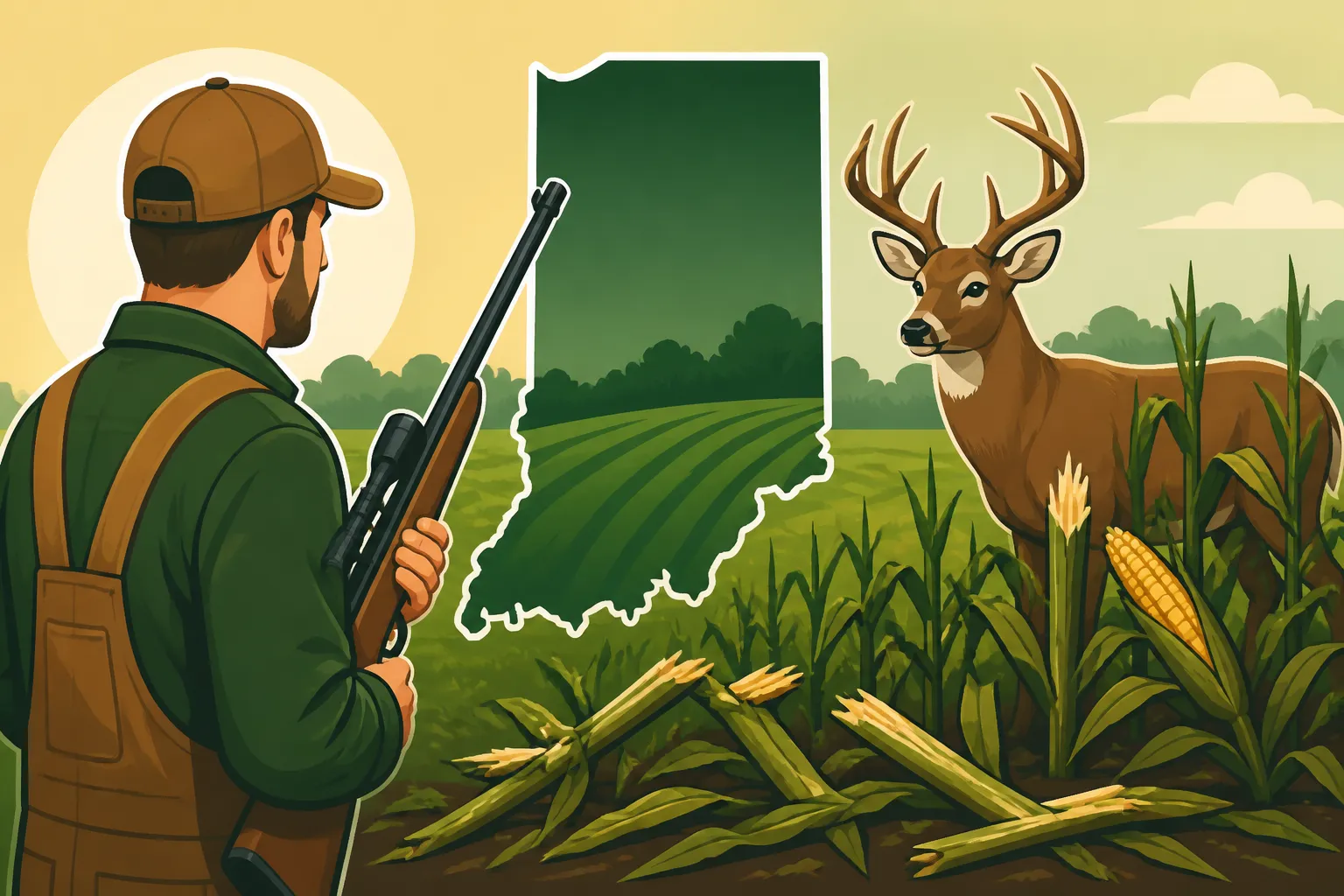
Imagine spending months tilling the soil, planting seeds, fertilizing, and protecting your crops, only to find them decimated overnight. That's the reality many Indiana farmers face. Deer aren't picky eaters; they'll target a wide range of crops. Corn, in particular, is a favorite, especially during its milky stage, when deer will move in and destroy entire sections, leaving behind a tangled mess of broken stalks and half-eaten ears. Soybean fields, too, suffer substantial damage, particularly in the tender seedling stage and as pods are forming. The loss of yield from these primary crops alone can run into thousands of dollars for even a medium-sized farm.
Beyond these staples, specialty crops like apples in an orchard, nursery stock, or even Christmas trees can be completely ruined by deer browsing. The direct loss of yield means less to sell at market, directly impacting revenue. But it's not just the immediate crop loss. There are indirect costs too. Farmers might invest in expensive repellents that don't always work, or try to erect temporary fencing, adding to their operational expenses without guaranteed success. This constant battle against wildlife eating into your profits is incredibly disheartening, and it makes programs like the Indiana Deer Damage Permit so essential.
Beyond Crops: Other Impacts on Farm Operations
The damage deer inflict isn't confined solely to edible crops. They can cause widespread issues across a farm property, often in ways that are less obvious but equally detrimental. Consider the constant repair needed for fences that deer jump over or crawl under, often tearing them up in the process. This isn't just an inconvenience; it's a time-consuming chore that takes away from other critical farm tasks. Deer can also contaminate feed supplies meant for livestock, creating hygiene issues and potential health risks if they introduce pathogens.
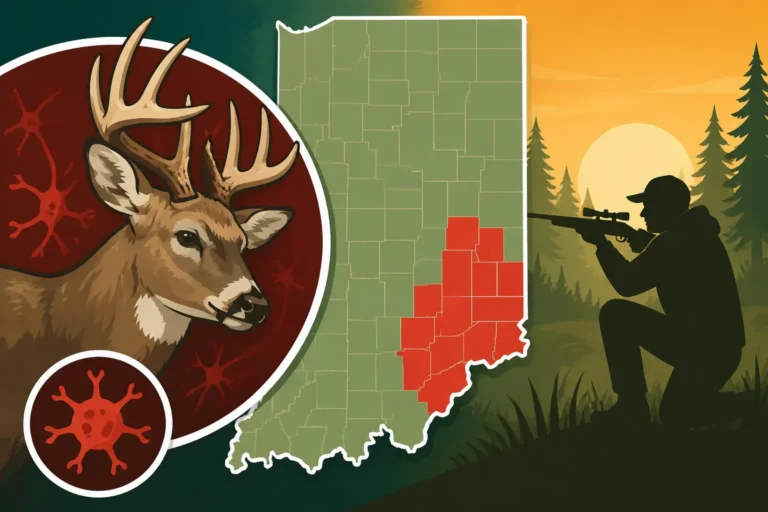
Furthermore, the sheer presence of a large deer population increases the risk of deer-vehicle collisions on rural roads and even within farm drives. While not directly a crop issue, these accidents can lead to significant vehicle damage, personal injury, and higher insurance premiums for farm vehicles. There's also the broader concern, especially in certain areas, about diseases like Chronic Wasting Disease (CWD). While damage permits aren't designed for disease control, a high deer density, often the root cause of damage complaints, can contribute to easier disease transmission, adding another layer of worry for landowners and the health of the overall herd. Farmers are often on the front lines, observing these trends daily, and their insights are critical for sound wildlife management.
What is an Indiana Deer Damage Permit?
When you're dealing with consistent, significant losses due to deer, a regular hunting license might not cut it. The deer population might be so concentrated that typical hunting pressure during established seasons just isn't enough to alleviate the problem. That's where the Indiana Deer Damage Permit comes into play. It's a specific, targeted management tool, not a general hunting opportunity, designed to provide relief.
The Purpose and Eligibility
An Indiana Deer Damage Permit, sometimes referred to as a "nuisance permit," is specifically issued by the Indiana Department of Natural Resources (DNR) to landowners, agricultural producers, or property managers who are experiencing substantial economic loss from deer depredation. The key here is "significant economic damage" – it's not for minor browsing or occasional sightings, but for situations where deer are genuinely impacting the farm's viability. This permit allows for the targeted removal of deer, typically antlerless animals, outside of the conventional hunting seasons or under conditions that wouldn't normally be permitted, such as night hunting in certain approved circumstances.
Eligibility primarily rests on proving the extent of the damage. You, as the farmer, landowner, or lessee, need to demonstrate to the DNR that deer are causing a measurable economic impact on your crops or property. This means you need to have observed the damage, ideally documented it, and be able to articulate the financial loss. This isn't a free pass for anyone who simply doesn't like deer on their property; it's a carefully administered program meant to address specific, severe problems that conventional hunting methods can't solve. The DNR needs to ensure that these permits are used responsibly and only when truly necessary.
How the Permit Works: Controlling Deer Off-Season
Once a Deer Damage Permit is issued, it outlines specific conditions under which deer can be removed. Typically, these permits are for antlerless deer, as the goal is usually to reduce the overall population pressure and reproductive potential. A significant benefit of these permits is the ability to remove deer outside of the regular deer season structure, often when deer are most concentrated on specific crops. In some extreme cases, and always with specific DNR approval, permits might allow for deer removal at night using artificial lights, which is otherwise illegal. This is a critical provision for nocturnal crop raiders.
The Indiana DNR works closely with the permit holder to determine the number of deer that can be harvested, the duration of the permit, and the methods allowed. This ensures that the removal is targeted and aligns with the state's broader wildlife management goals while providing necessary relief to the farmer. It's about direct intervention to protect your investment. The carcasses of deer harvested under these permits usually must be utilized for meat, often donated to programs like Farmers and Hunters Feeding the Hungry, or disposed of properly, not left to waste. This ensures that even nuisance animals contribute positively. For more about general deer management in the state, you can refer to information on Indiana Deer Season Structure Explained.
The Application Process: Navigating the DNR System
Applying for a Deer Damage Permit isn't as simple as picking one up at your local sporting goods store. It's a formal process that requires cooperation with the Indiana Department of Natural Resources. While it might seem daunting, it's a necessary step to ensure the integrity of the program and the responsible management of Indiana's deer herd.
Initial Steps and Contacting the DNR
The very first step for any farmer experiencing significant deer damage is to contact the Indiana DNR. This usually means reaching out to your local DNR District Biologist or calling the main Fawn Line. Don't wait until the damage is irreversible; act as soon as you recognize a pattern of significant loss. When you make that call, be prepared to provide clear, detailed information about the type of damage you're seeing, the crops affected, the estimated financial loss, and how long this has been an issue.
It’s incredibly helpful to have documentation ready. This could include photographs of damaged fields, estimates of crop loss from agronomists, or even personal records of harvest reductions in previous years attributed to deer. The more evidence you can provide, the more clearly you can demonstrate the "significant economic damage" required for eligibility. Think of it as building a case for your farm's needs. Tools like the Scouting With the Indiana DNR App or even general outdoor apps like GoHunt can be useful for farmers in documenting field conditions or deer activity, though the formal application goes directly through DNR contact. Showing a consistent, sustained problem rather than a one-off incident will strengthen your application.
DNR Assessment and Permit Issuance
Once you've made initial contact, a DNR District Biologist will typically schedule an on-site visit to your property. This is a crucial part of the process. During this visit, the biologist will visually inspect the damaged areas, assess the extent of the depredation, and try to confirm that deer are indeed the primary culprits. They'll also evaluate the local deer population, habitat conditions, and any other factors contributing to the problem. They might ask about your current hunting pressure, whether you allow public hunting, or if you've tried other deterrents.
Based on their assessment, the biologist will make a recommendation regarding the issuance of a Deer Damage Permit. If approved, the permit will specify the number of antlerless deer that can be removed, the period of validity, and any special conditions, such as allowing night shooting with artificial lights (which requires strict adherence to safety protocols). You'll also be informed about the mandatory reporting requirements for any deer harvested under the permit, which are similar to but distinct from standard Indiana Deer Reporting Requirements. It’s a serious responsibility, and adhering to all conditions is paramount.
Important Considerations and Restrictions
Receiving an Indiana Deer Damage Permit comes with responsibilities. First and foremost, safety is always the priority. Even though you might be dealing with an urgent problem, all firearm and archery safety rules apply. Additionally, the permit specifies who can harvest deer under its authority; typically, it's the landowner or designated agents, often immediate family members or trusted individuals. Carcasses must be handled ethically and legally. This usually means utilizing the meat, perhaps by donating it to local food banks, or ensuring proper disposal if it's deemed unfit for consumption.
It’s important to remember that a damage permit is often a temporary solution for an immediate problem. It helps reduce localized deer pressure but shouldn't be seen as the sole answer to long-term deer management on your property. The DNR aims for a balanced approach, and while these permits offer critical relief, they are part of a larger strategy that includes encouraging regular hunting, exploring habitat modifications, and other proactive measures. For example, understanding Late-Season Food Sources for Indiana Whitetails might help inform where deer are concentrated, and thus where damage is likely to occur.
| Feature | Indiana Deer Damage Permit | Standard Indiana Deer License (Archery/Firearms) |
|---|---|---|
| Purpose | Mitigate specific, documented economic damage to agricultural property. | Recreational hunting and statewide deer population management. |
| Eligibility | Landowners/lessees demonstrating significant deer depredation. | Any eligible hunter who meets age and education requirements. |
| Season/Timing | Issued outside or overlapping regular seasons, often year-round as needed. | Specific, defined statewide archery, firearms, and muzzleloader seasons. |
| Deer Allowed | Primarily antlerless deer (specific number set by DNR). | Varies by license type, includes antlered and antlerless opportunities. |
| Methods | May include non-traditional methods (e.g., night hunting with lights) by DNR approval. | Restricted to legal methods for each season (bow, crossbow, rifle, etc.). |
| DNR Involvement | Requires on-site inspection, damage assessment, and specific permit conditions. | DNR sets seasons and bag limits; no individual assessment for purchase. |
| Reporting | Mandatory reporting to DNR as specified on permit. | Mandatory check-in via phone, app, or website within 48 hours. |
| Cost | No cost (it's a management tool, not a purchase). | Varies by license type (resident, non-resident, bundles). |
Integrating Deer Damage Permits into a Larger Strategy
While a Deer Damage Permit can provide much-needed immediate relief, it's most effective when considered part of a broader, more integrated strategy for managing deer on and around your farmland. Sustainable management means looking beyond just the immediate problem and addressing the root causes and contributing factors to high deer numbers or concentrated damage.
Combining Permits with Regular Hunting Season Pressure
One of the most effective ways to manage deer populations long-term is to encourage robust hunting pressure during the regular seasons. A damage permit helps with acute problems, but a healthy hunter harvest helps keep the overall deer numbers in check. As a farmer, you might consider allowing more hunters access to your land during various seasons, including the extensive Bowhunting Indiana's Long Archery Season or the firearms season. This is especially true if you're in an area with high deer density, which can often coincide with agricultural zones.
Working with local hunters to harvest antlerless deer can significantly reduce pressure on your crops. Indiana also has "Deer Reduction Zones" in many parts of the state, where hunters can take additional antlerless deer to help manage localized populations. Allowing access for hunters targeting these areas, as described in Hunting a Deer Reduction Zone, can be mutually beneficial: hunters get opportunities, and you get help reducing deer numbers. This collaborative approach between landowners and hunters is vital for maintaining a healthy, manageable deer herd across Indiana. The more hunters you have out, especially those focused on antlerless animals, the less likely you'll need damage permits year after year.
Proactive Measures and Habitat Management
Beyond hunting pressure and damage permits, there are several proactive measures farmers can explore to mitigate deer damage. While they may not eliminate the problem entirely, they can certainly reduce its severity and frequency. One common approach is the use of non-lethal deterrents. This can range from various types of fencing, though deer can be notoriously good jumpers, to commercial repellents that make crops taste or smell unpleasant to deer. Ultrasonic scare devices or even strategically placed motion-activated lights can also provide some temporary relief, especially in smaller, high-value fields.
Long-term, considering crop rotation and diversification can also play a role. Planting less palatable crops along field edges or in areas known for high deer traffic might help funnel deer away from your most vulnerable, high-value crops. Habitat modification can also be a factor; sometimes, adjusting wooded edges or brushy areas can make them less attractive as bedding sites near your fields. Even something as simple as consistently removing fallen fruit from an orchard can reduce the attraction. Using resources like GoHunt or even the Reading Aerial Photos for Southern Indiana Deer guide can give you a better understanding of deer movement patterns on and around your property, helping you anticipate where damage might occur and plan your deterrents more effectively. It’s about creating a less inviting environment for deer where your crops are concerned, compelling them to seek food elsewhere.
Disclaimer
Please remember that hunting regulations and wildlife management policies can change. While this guide provides comprehensive information based on current knowledge, always verify the latest rules, regulations, and permit application processes directly with the Indiana Department of Natural Resources (IDNR) or their official website before taking any action. This content is for informational purposes only and should not be considered legal advice.